

Fun Things to Do With Your Travel Photos When You Get Back Home
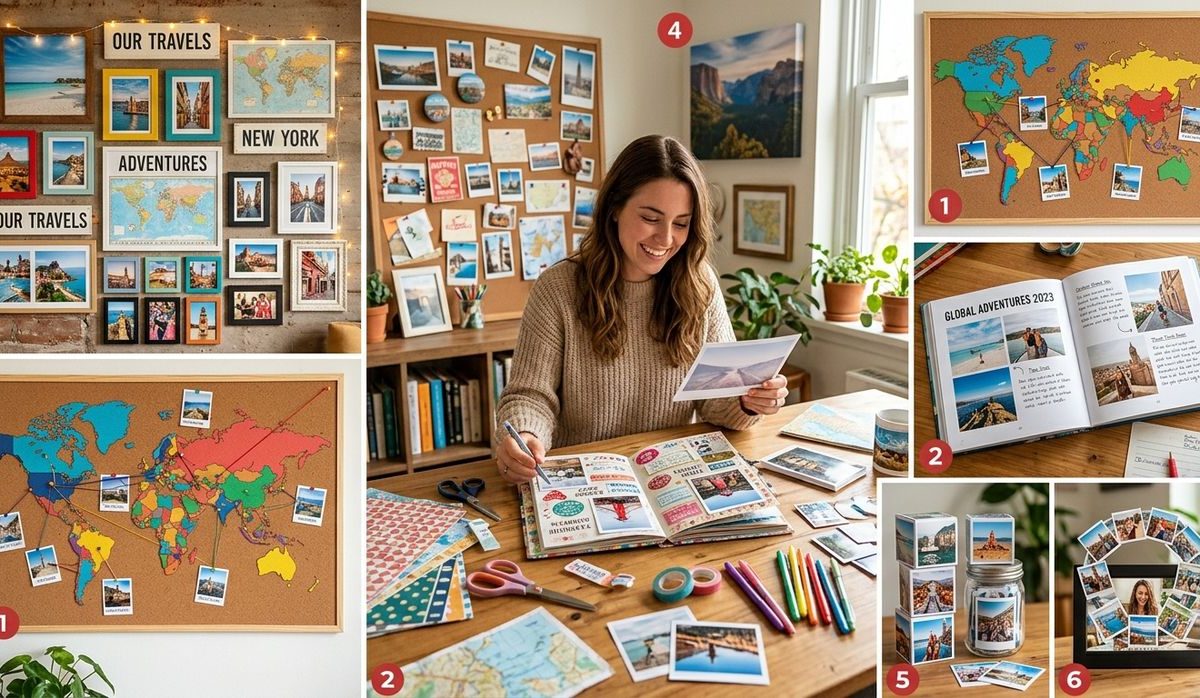
You land, you unpack, you sleep for twelve hours. Then comes the part nobody really talks about: the hundreds of photos sitting on your phone or camera, waiting for something to happen to them. Most travelers scroll through them once, maybe post a few, and then forget about them entirely. That is a shame, because the real creative fun starts after the trip ends. Your photos are raw material. The question is what you do with them.
The Real Souvenir: Your travel photos are more than memories sitting in a folder. With a bit of creative energy after you get home, you can remix them into something funny, fix the ones that time or light ruined, and polish the shots you actually want to share. This guide walks through some genuinely enjoyable things to do with your travel pictures once the suitcase is back in the closet.
Why Post-Trip Photo Play Deserves Its Own Time
There is a reason people frame prints and curate albums. Revisiting your travel photos forces you to actually look at them, not just scroll past. When you sit down with intention and start doing something creative with those images, you re-experience parts of the trip you had already half-forgotten. A blurry alley in Lisbon suddenly becomes interesting again when you decide to fix it up. A funny group shot from the Louvre takes on new life when you play with it. Treating this photo session as its own ritual, the final act of the trip, makes the whole experience feel more complete.
Digital photography has made it easier than ever to capture everything, but that also means we rarely stop to do anything intentional with what we have. Post-trip photo work is how you turn a camera roll into something you actually care about.
Getting Yourself Into the Picture, Literally
Here is one that sounds silly until you actually try it: putting your face, or your travel companion’s face, into portraits and paintings you photographed at museums. You probably took a dozen shots inside galleries, maybe at the Uffizi or the Prado, maybe at a small local art museum no one has heard of. Those photos of painted faces are perfect fodder for a face swap, dropping yourself into a Renaissance portrait or a vintage travel postcard you found in a shop.
It is not serious. That is the whole point. Getting your face inserted into a 17th-century oil painting of a nobleman is genuinely funny, and it makes for much more memorable content than another straight photo of the Eiffel Tower. Friends will actually look at it. You will want to frame it ironically in your kitchen. It becomes a story, not just a file.
This works especially well with group travel. Imagine your whole friend group replacing the faces in a famous historical family portrait. The absurdity is the value. It turns a museum photo into something that makes people laugh out loud.
Bringing Old Holiday Snaps Back to Life
Not every meaningful travel photo was taken on a smartphone. A lot of people have shoeboxes of printed photos from holidays taken decades ago, film shots from road trips in the nineties, faded pictures from a family vacation abroad that no one has looked at in years. If you recently dug those out or got them scanned, you may have noticed how much damage time does to a printed photograph.
Yellowing, scratches, dust, faded color, missing detail in the shadows. This is where photo restoration comes in. You upload the old image and get back a cleaned-up version that looks closer to what the original moment actually looked like. For family travel history especially, this is worth doing. That photo of your parents at the Grand Canyon in 1987 deserves better than looking like it was stored in a damp garage, which it probably was.
Photography has always been about preserving moments. Restoration is just the logical extension of that idea, making sure the preservation actually holds up.
A Few More Ideas to Fill an Evening
Beyond the creative remixing, there are plenty of other ways to spend good time with your travel photos. Here is a simple sequence that works well for most people:
- Do a first cull: delete the obvious duplicates, the blurry ones with no redeeming quality, and the accidental shots of the inside of your bag. Get the folder down to a manageable number.
- Pick your ten best shots from the trip and save them separately. These are your keepers.
- Do any creative editing or remixing, face swaps, restorations, creative crops.
- Run the shots you want to share through a final polish pass.
- Order a small print or photobook of your favorite fifteen.
That last step is the one most people skip, but there is something genuinely satisfying about having a physical object that represents a trip. A small printed book costs almost nothing and lasts decades.
Polishing the Shots You Actually Want to Share
Night markets. Cathedral interiors. That bar in the old town at ten in the evening. Some of the best travel moments happen in low light, which means some of your best potential photos come out soft, grainy, or just a bit flat. Before you share those shots, running them through an image enhancer can make a real difference. Sharpness, detail in the shadows, color clarity. You took the effort to be there and capture the moment. It is worth a few seconds to make sure the photo actually reflects what the scene looked like in person.
This works especially well for architectural shots taken at dusk, street photography where the light was mixed, and any interior shots where you could not use a flash. The improvement is not always dramatic, but it is consistent.
Making the Photos Work As Hard As the Trip Did
The trip itself took planning, money, and time. The photos you brought back are the tangible record of all of that. Spending an evening with them, playing with face swaps, restoring old prints, polishing the low-light keepers, is not extra work. It is the last part of the journey. It is how a camera roll becomes something you actually want to revisit five years from now instead of something buried in a folder you never open.
Your next trip will give you a whole new batch of raw material. But the one you just got back from is still sitting there, full of creative possibility, waiting for you to do something fun with it.
