

Part of our Food Travel guide.
13 places and guides from our Global Food Adventures coverage, gathered into one page.
The Church Of Chickpea
Welcome to the Church of Chickpea, a unique culinary institution that celebrates the wonders of this humble legume. This article delves into the fascinating world of chickpeas, exploring their cultural significance, culinary uses, and their role within religious practices. At the Church of Chickpea, we believe in the power of food to bring people together and create shared experiences—food as connection, cultural expression, and celebration. With its widespread popularity and deep-rooted traditions, the chickpea has become a symbol of community, nourishment, and spiritual significance. It anchors many iconic food experiences and tours, while also appearing on global breakfast favorites in food travel, from hearty stews to crisp fritters. Beyond the plate, it thrives in street stalls and home kitchens alike, a true hidden gem culinary in food travel. Here, the legume is not just an ingredient—it is a shared language of taste and belonging.
Plate Of The Union: King Taco
King Taco has served food lovers for over five decades, blending Mexican flavors with American street food culture. Founded in 1974 by Raul Martinez Sr. as a humble taco stand in East Los Angeles, California, it has grown into a legendary spot that goes beyond a quick bite. The menu is built on vibrant, bold tastes, while the business stays committed to sustainability and community involvement. For travelers seeking authentic bites, this is one of those hidden gems culinary in food travel that anchors a neighborhood’s identity. More than a meal, it’s a taste of Los Angeles history—still dishing out the same spirit that started it all.
Peru Basics: Guinea Pig
Peru never fails to impress with its gastronomic delights, but one delicacy stands out: guinea pig. While many know guinea pigs as pets, in Peru they hold a special place on the dinner table. Despite the initial shock this may evoke, exploring the history, cultural significance, and preparation of guinea pig dishes offers a unique window into the country’s food traditions. For travelers seeking authentic encounters, this is one of the most iconic food experiences and tours in food travel. From traditional Andean homes to Cusco’s restaurants, the dish is often roasted whole with garlic and spices, served with potatoes and corn. Understanding this practice deepens appreciation for Peru’s culinary heritage, where ancient customs meet everyday life.
Learning To Love Argentina's Best Herb
Yerba mate is a staple of Argentine culture and has gained worldwide popularity for its unique taste and health benefits. The herb comes from the leaves of the yerba mate plant, a species of holly native to the rainforests of Argentina, Paraguay, and Brazil. For centuries, it has been integral to South American indigenous cultures. Its distinct flavor profile—earthy, bitter, and slightly smoky—makes it an acquired taste worth exploring. Preparation methods vary, from the traditional gourd and bombilla to modern cold-brewed versions. Whether you sip it socially or solo, mate offers a ritual that connects you to the land and its history. For travelers seeking authentic experiences, this herb is a hidden gem culinary in food travel, best enjoyed where locals gather.
Foodporn: Beef Hearts In Lima
In food travel, few dishes are as deeply tied to local culture as beef hearts, or *anticuchos*, in Lima. These skewered morsels, often marinated in vinegar and spices, are a staple of Peruvian street food and a must-try for adventurous eaters. While ceviche gets the spotlight, anticuchos offer a richer, more visceral taste of the city’s culinary soul. You’ll find them sizzling on grills in bustling markets and corner stalls, served with boiled potatoes and aji sauce. For those seeking the best food cities and neighborhoods in food travel, Lima’s historic center and Barranco district are prime spots to sample this delicacy. It’s not just a meal; it’s a bite of tradition, best enjoyed hot off the coals.
How Ecuador Culture & Social Good Combine In An Amazing Drink
In Ecuador, traditional drinks are more than refreshment—they are living stories of ancient traditions and indigenous communities. From the bustling markets of Quito to tranquil Andean villages, each sip reveals deep cultural roots. What makes these beverages truly remarkable is how they double as vehicles for social good. Many local cooperatives and family-run ventures channel profits back into education, healthcare, and sustainable farming, ensuring that every purchase supports the people behind the recipe. Exploring these drinks is like uncovering hidden gems culinary in food travel, where flavor meets purpose. Whether you’re navigating highland stalls or coastal kiosks, you’ll find that Ecuador’s drink culture offers both authentic taste and meaningful impact. It’s a journey that satisfies your palate while uplifting communities—a perfect blend of heritage and heart.
Trucha Libre: Fried Trout In Oropesa, Peru
In Oropesa, Peru, Trucha Libre is a standout example of how regional flavors define a place. This fried trout dish captures the essence of local ingredients and technique, making it a genuine part of the town’s culinary identity. For travelers seeking authentic experiences, it’s the kind of meal that turns a stop into a memory. The fish is crisped whole, served simply, and best enjoyed right where it’s caught. It’s not just about eating—it’s about tasting the Andean setting. Whether you’re planning a route through the Sacred Valley or just exploring food travel, this dish deserves a detour. Pair it with a local corn beer, and you’ll understand why Oropesa is a stop worth making. Trucha Libre proves that some of the best meals are the ones you find off the main road.
Foodporn: Pollo A La Brasa In Lima
Welcome to the world of foodporn, where heavenly flavors and tantalizing aromas take center stage. At the heart of Lima’s culinary landscape sits one dish that has captured locals and tourists alike: Pollo a la Brasa. More than just roast chicken, it’s a cultural icon of Peruvian cuisine, blending indigenous spices with slow-rotisserie technique. For travelers chasing iconic food experiences and tours in food travel, this is a must-try. Whether you’re diving into a casual lunch spot or a late-night craving, the crispy skin and juicy meat embody Lima’s unique fusion of tradition and taste. It’s a simple plate that speaks volumes about the city’s food soul.
Pisco: All You Need To Know About Peru's National Drink
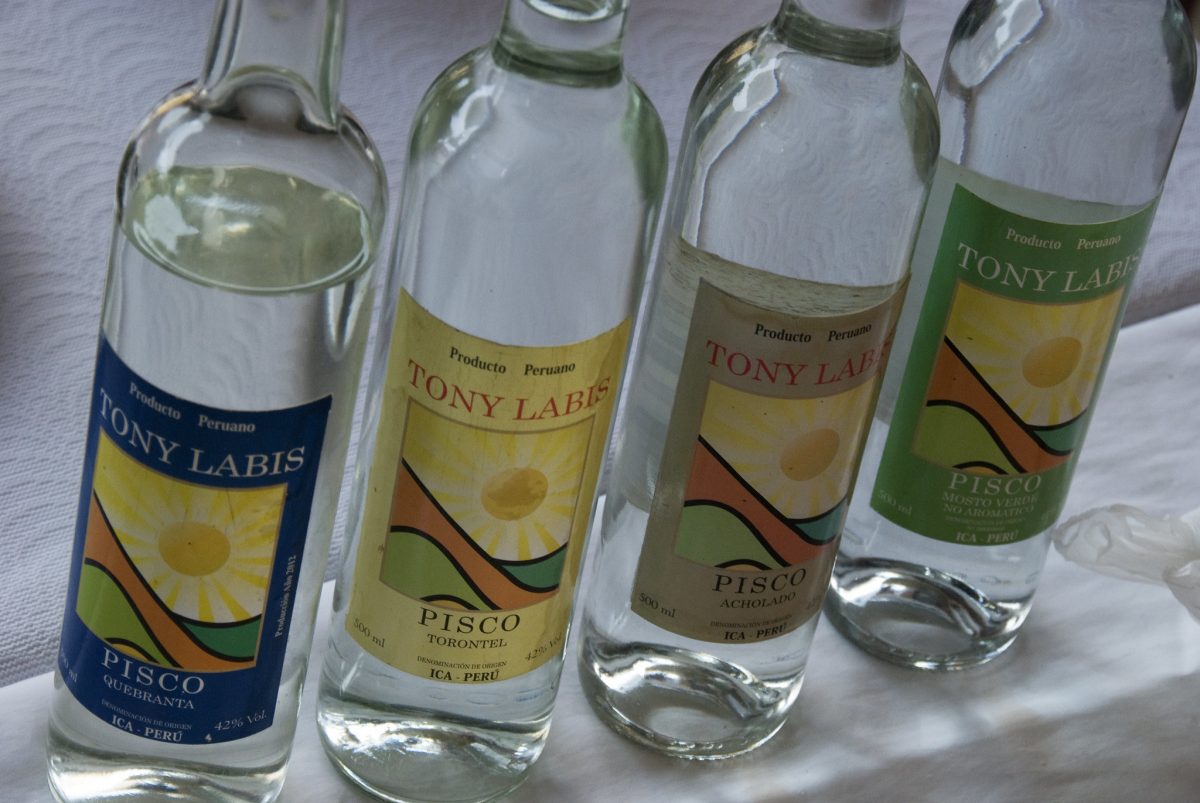
Pisco is a distinctive alcoholic drink with deep roots in Peruvian cuisine. It is produced from fermented wine made of specific grapes, and its name derives from the base liqueur itself, as well as its sweetener components. As one of Peru’s flagship products, pisco serves as a cultural expression, carrying the country’s identity across the globe. For travelers seeking authentic sips, it’s a staple worth exploring alongside other iconic food experiences and tours in food travel. Whether enjoyed neat or in a cocktail, pisco remains a point of pride, embodying the spirit of Peru in every glass.
It's Been A Long Day, Here's Some Pisco
After a long day of exploring, you deserve a drink that captures the spirit of South America. Pisco, a traditional grape brandy from Peru and Chile, is that pour. Its production is rooted in terroir: grapes are harvested, fermented, and distilled to create a spirit that ranges from floral and delicate (from Quebranta or Italia grapes) to bold and peppery (from Moscatel). The key difference between Peruvian and Chilean pisco lies in style—Peruvian pisco is distilled to proof without added water, while Chilean versions often dilute it. Sip it neat to appreciate its character, or mix it into a classic Pisco Sour, where lime and bitters balance its intensity. For food travelers, this spirit pairs naturally with ceviche or grilled meats, making it a staple of any culinary exploration in Lima or Santiago.
Foodporn: Grilled Caveman Steak In The Basque Country
In the Basque Country, food travel reveals a centuries-old culinary heritage where grilling is elevated to an art form. Here, food is not just sustenance but a way of life, and the region’s mastery of fire transforms simple ingredients into unforgettable delicacies. The star of this tradition is the caveman steak—a thick, bone-in cut grilled over glowing embers until the exterior is charred and smoky while the inside stays perfectly rosy. This is the essence of hidden gems culinary in food travel: seeking out local asadores where the grill master’s craft has been honed for generations. Each bite delivers a deep, beefy flavor that only live fire can impart, making this a must-try for any dedicated food traveler exploring the region’s rustic, flavor-packed cuisine.
Foodporn: Spain's Bravest Potato
In food travel, few sights rival the drama of Spain's bravest potato—a crisped, salt-crusted marvel that begs to be photographed before it’s devoured. This is foodporn at its purest: a visual feast that turns a humble tuber into a centerpiece of culinary adventure. The trend has exploded because it captures more than just flavor—it freezes the moment a dish transforms into art, from the glisten of olive oil to the crackle of the skin. For travelers, chasing these iconic food experiences and tours means hunting down the spots where tradition meets theatrical presentation. Whether you’re sharing the shot on social media or savoring it in silence, that first fork’s break through the golden crust is a story in itself—one that tastes like Spain, looks like a dream, and feels like a secret worth bragging about.
The Fascinating Origins Of Nicaragua’s Beloved Street Barbecues
Nicaragua’s beloved street barbecues, known locally as "asados," trace their roots to a blend of indigenous and Spanish culinary traditions. These grilled treats have evolved over centuries into a staple of Nicaraguan culture. Strolling through the streets, the aroma of sizzling meat and spices pulls in both locals and tourists to vibrant food stalls. Each vendor guards a secret recipe, often passed down through generations, ensuring every bite is distinct. The tradition remains a living link to the past, yet it thrives in the present as a daily ritual for many. Whether enjoyed as a quick snack or a communal feast, these asados embody the heart of Nicaraguan street food, connecting history with the simple pleasure of fire-kissed flavor.
More about Global Food Adventures
- The Surprising Origins Of Peach Cobbler
- Schnapps: All You Need To Know About Austria’s National Drink
- 10 Puerto Rican Fruits And Vegetables You’ve Never Heard Of
- 10 Must-Try Bunny Chow Locations In Cape Town That Will Surprise You
- Foodporn: Adjarian Khachapuri In Batumi
- 8 Gastro Pubs In Bath You Have To Try
- 10 Croatian Beers That Will Surprise Your Taste Buds
- 9 Must-Try Dessert Spots In Amsterdam That Will Surprise You
- 10 Must-Try Delicatessens In New York City That Will Surprise You
- Bubble Tea: All You Need To Know About Taiwan's Favourite Drink
- Becherovka: All You Need To Know About Czech Republic's National Drink
- 10 Must-Try Churrascarias In Sao Paulo That Will Surprise You
- Puerto Rico’s 11 Traditional Drinks You Need To Taste And Where To Find Them
- 10 Exotic Japanese Fruits You’ve Probably Never Tasted
- Soju: All You Need to Know About Korea's National Drink
- 10 Must-Try Brunch And Breakfast Gems In Bilbao
- Johannesburg, Explained In 10 Dishes
- How To Use Chopsticks Like A Pro: Ultimate Step-by-step Guide
- 10 Breakfast Spots In San Sebastian That Will Surprise You
- The Fascinating Tale Behind Canada's Beloved BeaverTail
- How Many Ounces In A Starbucks Souvenir
- The Surprising Rise Of Reykjavik's Famous Hot Dog Stand
- The Fascinating Journey Of Ghirardelli Chocolate
- Top 10 Peking Duck Houses Across America
- Mochi: The Surprising Danger Of This Japanese Treat
- The Trip Podcast: Japanese Energy Drinks With W. Kamau Bell
- Banned Cheeses You Can't Taste In The US
- The Fascinating Story Behind Monaco's Beloved Barbagiuan
- 10 Iconic Detroit Dishes That Will Surprise Your Taste Buds
- In Italy, Even The Seafood Is Hotter Than You
- The Fascinating Origins Of Jordan's Beloved Mansaf
- The Catalan Onion Craze: What Makes Calçotada So Irresistible?
- 10 Martinican Dishes That Will Surprise Your Taste Buds
- Traditional Lao Barbecue In Luang Prabang
- Madrid's Sobrino De Botin: A Timeless Culinary Journey
- The Fascinating Tale Behind Guatemala's Classic Quetzalteca Aguardiente
- 9 Must-Try Breakfast And Brunch Spots In Cluj Napoca That Will Surprise You
- How Can You Prevent Fish From Spoiling While On A Fishing Trip?
- The Taco Truck Is Where The Action Is
- A Brief Introduction To Waffle House Hash Browns
