

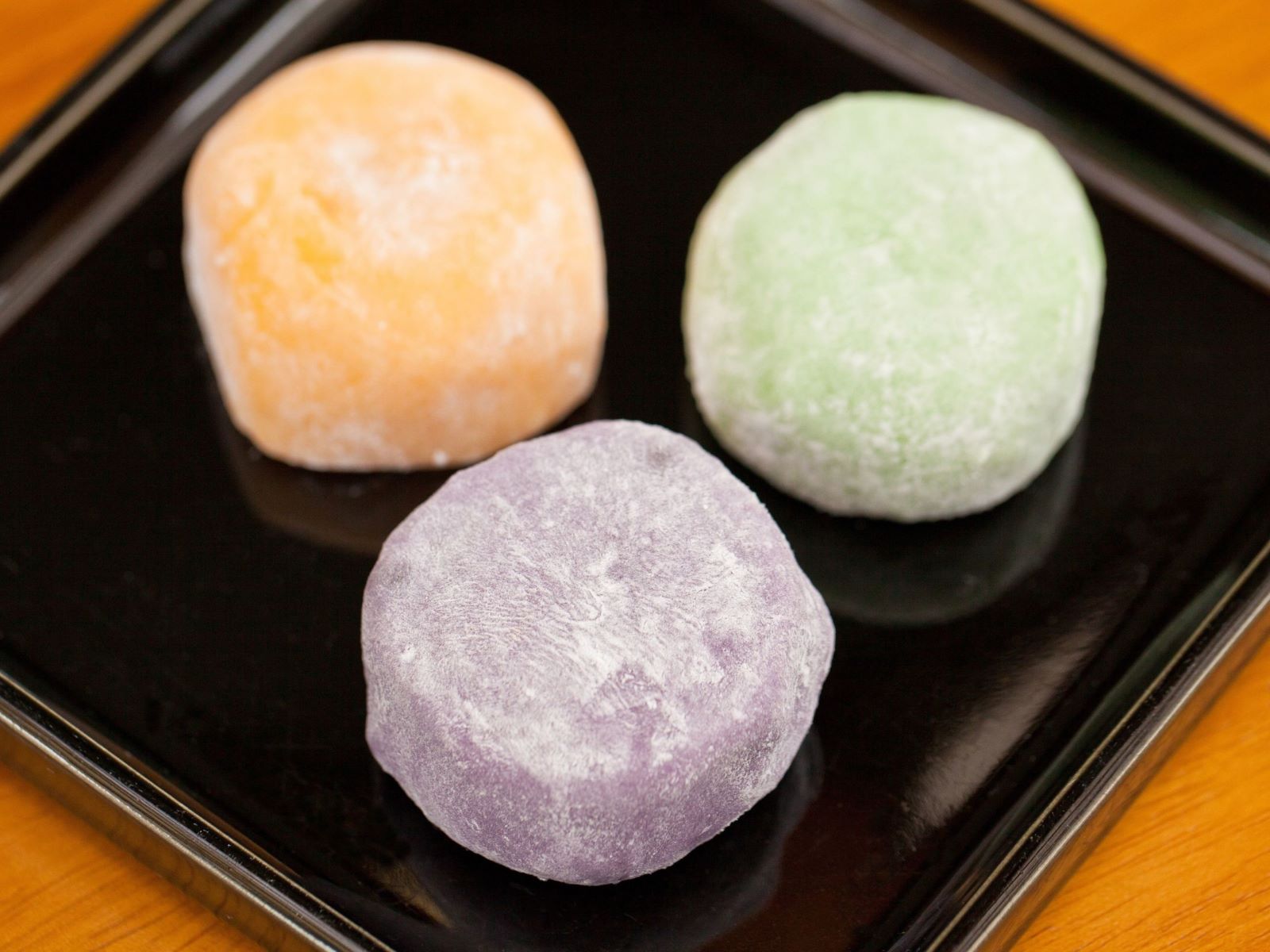
Mochi, a traditional Japanese rice cake, can be surprisingly dangerous due to its sticky, glutinous texture, which makes it difficult to swallow. This is especially true for older adults over 65, who are disproportionately affected by choking incidents every year, particularly during New Year’s celebrations.
What is Mochi?
Mochi is made from glutinous rice pounded into a paste, giving it a chewy texture and sweet taste. It’s often enjoyed during celebrations and festivals, but its dense consistency requires careful eating.
Why is Mochi Dangerous?
Mochi’s sticky and dense consistency can be hazardous, especially for certain groups. Here are the main risks:
- Choking Hazard: Mochi’s chewy texture can easily get lodged in the throat, making it a significant choking risk, particularly for older adults.
- Difficult to Swallow: The sticky nature of mochi makes it hard to chew and swallow. People with swallowing difficulties or dental issues might struggle with this treat.
- Intestinal Blockage: In some cases, eating large amounts of mochi can lead to intestinal blockage, a serious condition requiring medical attention.
Who is Most at Risk?
Certain groups are more vulnerable to the dangers posed by mochi. Understanding who is at risk can help in taking necessary precautions.
- Elderly: Older adults often have reduced chewing and swallowing capabilities, making them more susceptible to choking on mochi.
- Young Children: Kids, especially those under five, may not chew food thoroughly, increasing the risk of choking.
- People with Swallowing Difficulties: People with swallowing difficulties should avoid mochi due to its sticky texture.
How to Safely Enjoy Mochi
Despite the risks, mochi can still be enjoyed safely by following some simple guidelines.
- Cut into Small Pieces: Slicing mochi into smaller, bite-sized pieces can reduce the risk of choking.
- Chew Thoroughly: Encourage thorough chewing to break down the sticky texture before swallowing.
- Supervise Children and Elderly: Always keep an eye on young children and older adults when they are eating mochi.
Alternatives to Traditional Mochi
For those who love the taste of mochi but are concerned about its risks, there are alternatives available.
- Mochi Ice Cream: This variation encases ice cream in a thin layer of mochi.
- Soft Mochi: Some brands offer softer versions of mochi.
- Mochi-Flavored Treats: Enjoy the taste of mochi in other forms, like mochi-flavored candies or snacks.
Conclusion
Mochi, while delicious, comes with its own set of dangers. By understanding these risks and taking appropriate precautions, you can safely enjoy this traditional Japanese treat.
Stay Safe While Enjoying Mochi
Mochi is a delicious Japanese treat, but it can be dangerous if not eaten carefully. Its sticky texture can cause choking, especially for older adults. To enjoy mochi safely, cut it into small pieces and chew thoroughly. Drink water while eating to help swallow it more easily. If you’re serving mochi to others, make sure they know how to eat it safely too.
Always keep an eye on children and elderly family members when they eat mochi. If someone starts choking, act quickly and seek emergency help. Mochi is a tasty part of Japanese culture, but safety should always come first. Enjoy this treat with caution, and you can savor its unique flavor without worry.
Related travel guides: Hidden Mochi Gems In Nara You Need To Try and 10 Exotic Japanese Fruits You’ve Probably Never Tasted.
