Part of our Food Travel guide.
20 places and guides from our Porridge And Pantry Staples coverage, gathered into one page.
The Great American Breakfast Porridge
American breakfast porridge is a beloved morning meal and a longtime pantry staple. Its warm, comforting texture offers a satisfying start to the day, delivering steady energy that keeps you full through the morning. The practice of eating porridge at breakfast reaches back centuries, firmly rooted in American culinary tradition. Whether made from oats, cornmeal, or other grains, this simple dish reflects a deep cultural reliance on humble, sustaining ingredients. For travelers seeking authentic local flavors, porridge often appears on menus as a hearty, no-fuss option—part of the broader best food cities and neighborhoods in food travel experience. Its enduring presence in diners and home kitchens alike underscores its role as more than just a meal, but a daily ritual tied to comfort and practicality.
The Fascinating Origins Of Xiao Long Bao
Xiao Long Bao, or "little basket buns," traces its roots to the Jiangnan region of China, particularly Shanghai and its surrounding areas. These soup dumplings, steamed in traditional bamboo baskets, are a delicate balance of savory pork and rich broth. While their exact invention is debated, they emerged as a regional specialty before gaining worldwide fame. For travelers exploring the region, these dumplings often appear alongside other local staples in the best food cities and neighborhoods in food travel. Each bite offers a burst of flavor, a testament to centuries of culinary refinement. Whether you’re a first-time taster or a seasoned enthusiast, understanding their origin deepens the appreciation of every carefully pleated bite.
All About Asia's Amazing Pandan Leaves
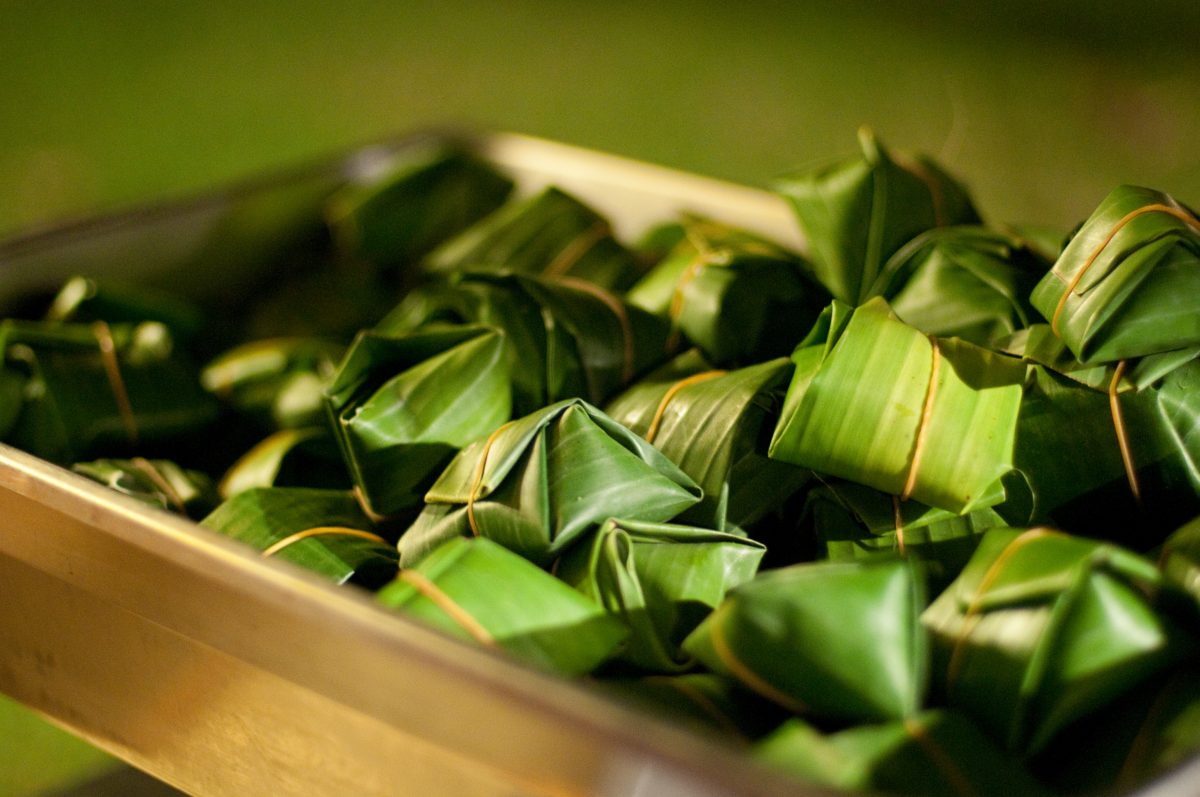
Ever caught that wonderful aroma while traveling through Asia? It’s likely the fragrant pandan leaf. This tropical plant is a staple across South and Southeast Asia, known scientifically as *Pandanus amaryllifolius*—though almost no one uses that name. Instead, you’ll hear local terms depending on where you are: "Rampé" in India and Sri Lanka, "Pulao Pata" in Bangladesh, and "Ran'baa" in the Maldives. Each name reflects a deep regional love for this versatile leaf, which perfumes everything from rice to desserts. Whether you're exploring street markets or seeking out hidden gems culinary in food travel, pandan’s sweet, grassy scent is a signature of the region’s best food cities and neighborhoods in food travel. Keep an eye out for it—it’s a must-try Asian dish ingredient in its own right.
Red Tiquisque Harvested From Popo's Farm
Tiquisque, scientifically known as Xanthosoma sagittifolium, is a tropical tuber in the Araceae family, cultivated across Central America, the Caribbean, and parts of Africa. The red variety, harvested from Popo's farm, stands out for its vibrant color and rich cultural roots. For travelers seeking authentic local flavors, this root vegetable offers a direct link to traditional farming practices. Popo’s careful cultivation highlights how tiquisque remains a staple in regional diets, often appearing in stews or mashed preparations. Its earthy taste and slightly dense texture make it a favorite among those exploring hidden gems brunch in food travel. Whether you’re a dedicated food enthusiast or a curious visitor, tasting tiquisque straight from the source reveals the depth of Central American culinary heritage.
Disregard The Ghastly Color And Lumpy Texture And This Porridge Is Actually Quite Good
With its ghastly color and lumpy texture, it's easy to dismiss porridge as unappetizing and bland. But look past its humble exterior, and you'll find a world of culinary delight. A staple in cultures for centuries, porridge ranges from the hearty oatmeal of Western breakfasts to the congee of Asian cuisine—both prime examples of global breakfast favorites in food travel. While it lacks the flashy presentation of gourmet dishes, porridge offers something more precious: a comforting, deeply satisfying experience. Its versatility has nourished countless households, proving that this seemingly ordinary dish is anything but bland.
7 Surprising Facts About Mote Con Huesillos You Didn't Expect
Mote con Huesillos is a traditional Chilean drink that surprises first-timers with its unusual mix of dried peaches and husked wheat. The result is a refreshing, sweet beverage with contrasting textures—chewy grain against soft fruit. It’s typically enjoyed on hot summer days, often as a dessert or quick snack. Despite its humble pantry ingredients, the drink carries deep cultural roots across Chile. Each sip balances the syrup-soaked peach with the mild, nutty mote. It’s a staple at street stalls and family gatherings, and a true icon of Chilean food travel. If you’re hunting for iconic food experiences and tours, this is a must-try. The drink also pairs well with lighter bites, making it a versatile refreshment beyond its reputation.
So Much More Than Corn-on-the-Cob
But corn is far more than a staple crop—it’s a versatile ingredient with a rich history, countless culinary uses, and real health benefits. Also known as maize, corn was first domesticated by indigenous civilizations in Mesoamerica, including the Mayans and the Aztecs, who revered it as sacred and wove it into their cultural and religious life. From there, it spread across the globe, adapting into everything from tortillas and tamales to polenta and popcorn. Its forms are nearly endless: dried, ground, fresh, or fermented, each preparation unlocking different flavors and textures. Whether you’re exploring street food in Oaxaca or a rustic Italian kitchen, corn remains a quiet cornerstone of global cooking—far more than the buttered cob at a summer barbecue.
In Praise Of Porridge
Porridge is a humble dish that has warmed hearts for centuries, combining grains and liquid into a thick, nourishing meal. Yet it’s far more than a breakfast staple. It’s a culinary tradition celebrated across cultures, a nutritious base, and a canvas for creativity. Whether you’re exploring global breakfast favorites in food travel or crafting your own bowl at home, porridge adapts. Its simplicity invites endless variations—sweet, savory, spiced, or topped with fresh fruit. This is comfort food with depth, a dish that rewards curiosity while staying rooted in everyday practicality. From stovetop oats to rice-based versions worldwide, porridge proves that the plainest pantry staples often hold the most satisfying stories.
Liangpi Noodles
Liangpi noodles, also known as cold skin noodles, are a wheat-based dish traditionally served cold or at room temperature—making them a refreshing choice for warm days. Their appeal lies in a slippery, chewy texture and a mild, cooling flavor that pairs well with chili oil, vinegar, and fresh vegetables. While they have roots in Chinese street food, they now appear on menus worldwide, often featured among must-try Asian dishes in food travel. For travelers seeking authentic versions, the best bowls are usually found in casual noodle shops or market stalls, where the noodles are made fresh daily. Whether enjoyed as a light lunch or a snack, liangpi offers a simple yet satisfying taste of regional Chinese cooking without the heaviness of a hot meal.
Plantation Biscuits
Plantation Biscuits have carved a niche in food travel as a beloved baked good with a history stretching back several decades. These biscuits balance tradition with a touch of innovation, making them a versatile treat—whether paired with tea, enjoyed as a quick snack, or served alongside dessert. For travelers seeking authentic flavors, they often appear on lists of hidden gems brunch in food travel, offering a taste of local culinary heritage. Their enduring appeal lies in their quality and the care in their crafting, which has earned them a loyal following among food enthusiasts. While not tied to a single destination, they represent the kind of simple, satisfying indulgence that defines regional baking. If you are exploring iconic food experiences and tours, these biscuits are a worthy stop on any gastronomic itinerary.
Sign Us Up For Pineapple Buns Sans Fruit But With A Layer Of Lard
In food travel, the pineapple bun is a must-try Asian dish in food travel, though it contains no pineapple. This Hong Kong original features a sweet, crumbly topping over soft bread, with a slice of cold butter—or, in the traditional "bo lo yau," a layer of lard—tucked inside. The lard adds richness and a savory edge that balances the sugary crust. You will find these buns in Chinese bakeries worldwide, often as a global breakfast favorite in food travel, best enjoyed with hot milk tea. For travelers seeking authentic bites, this bun is also a highlight among hidden gems culinary in food travel—simple, affordable, and deeply satisfying.
A Massive Pot Of Gruel Is Your Best Option
In food travel, a massive pot of gruel is a reliable, comforting choice. This hearty dish has been enjoyed for centuries across cultures, offering a quick and easy meal that satisfies hunger and taste. It’s not flashy, but it’s a practical way to connect with local traditions—often found in homes and markets rather than tourist menus. For travelers seeking authenticity, it’s a genuine taste of everyday life, much like discovering hidden gems culinary in food travel. Whether you’re fueling up for a day of exploring or winding down after a long walk, a bowl of gruel provides warmth and substance without the fuss. It’s a simple, honest option that proves sometimes the most basic dishes are the most memorable.
India's Most Mouth-Watering Desserts You Need To Try
India’s desserts mirror its regional diversity. Rasgulla offers creamy, spongy texture, while Gulab Jamun delivers syrup-soaked richness. Jalebi tempts with crispy, spiralized coils dunked in sugar syrup, and Kaju Katli brings nutty, melt-in-the-mouth satisfaction. Each state has its own specialty—Bengal favors sandesh, while Punjab leans on carrot-based gajar ka halwa. For travelers seeking sweet discoveries, these treats often appear in local markets and family-run shops, making them a highlight of any culinary tour. If you’re exploring the country’s food scene, pair these desserts with savory street snacks for a balanced tasting experience. Whether you’re a first-timer or a returning enthusiast, the sheer variety ensures there’s always something new to try. So, next time you’re in India, let your sweet tooth lead the way through its many flavorful traditions.
No Matter How Old You Are, Chilled Butter-Cream Was Best When You Were Young
Food has a way of carrying us back to childhood, and chilled butter-cream is the taste that does it best. Whether it came from a family kitchen or a store-bought tub, that first cold, sweet bite reconnects us with birthdays, family gatherings, and long summer afternoons. It’s not about the recipe—it’s about the moment it preserves. Age doesn’t dim its pull; the flavor stays tied to a time when life felt simpler and sweeter. For anyone chasing that feeling through travel, it’s the kind of comfort that turns an ordinary stop into a hidden gem brunch in food travel—a small, unassuming bakery or café that serves the version you grew up with. That’s the joy of it: no matter how old you are, chilled butter-cream still tastes like home.
Apeel's Mission To Save The World's Produce
Food waste is a global problem with serious environmental and economic costs. Millions of tons of fresh produce are thrown away each year, adding to greenhouse gas emissions and squandering resources. Apeel Sciences, a California-based company, is tackling this head-on with a natural, plant-derived coating that extends the shelf life of fruits and vegetables. By keeping produce fresher for longer, Apeel aims to cut waste at the source, from farm to kitchen. This approach also supports a more sustainable food system, reducing the pressure on supply chains and landfills. For travelers who seek out hidden gems culinary in food travel, the innovation also means local markets can offer better-quality, longer-lasting seasonal goods. Apeel’s work is a practical step toward a less wasteful global pantry.
This Filipino Beef Tripe Porridge Will Cure Your Hangover. Maybe
Waking up after a night out with a pounding head and queasy stomach? In the Philippines, the time-honored remedy is Beef Tripe Porridge. This hearty, comforting bowl—a staple of must-try Asian dishes in food travel—is more than just a hangover fix. It’s a rich, savory porridge made from slow-cooked beef tripe, garlic, and ginger, topped with crispy bits and a squeeze of calamansi. Whether it truly cures your hangover is debatable, but its warming, deeply savory flavor is guaranteed to soothe your soul. For travelers seeking hidden gems culinary in food travel, this dish is often found at humble street stalls or family-run eateries, where the recipe has been passed down for generations. It’s a delicious, restorative experience that goes beyond the plate.
Fat Rice That's Out Of This World
Fat rice, also known as arroz gordo or Portuguese rice, is a rich, satisfying dish born from the fusion of Portuguese and Chinese cuisines in Macau, a former Portuguese colony in Southern China. Its origins reflect centuries of cross-cultural exchange, making it a standout for travelers seeking hidden gems culinary in food travel. The dish layers rice with savory meats, seafood, and spices, creating a hearty meal that’s both comforting and complex. Cooking techniques vary, but the key lies in balancing moisture and fat to achieve its signature plump, glossy grains. For food enthusiasts, fat rice offers a tangible taste of Macau’s unique heritage, blending European and Asian traditions in every bite. Its global popularity underscores how migration and trade shape what we eat, turning a humble pantry staple into an iconic experience.
The Labor That Goes Into One Glass Of Humble Porridge
Food travel is an exciting way to explore different cultures, and porridge—also known as oatmeal or gruel—has earned worldwide recognition as a humble, comforting meal made from grains. Its origins date back thousands of years, when early civilizations relied on it as a simple, practical way to nourish themselves. But behind that perfect bowl lies real effort: the grains must be harvested, hulled, dried, and then slowly simmered with constant stirring to reach the right creamy texture. This quiet, daily labor connects eaters to those ancient kitchens, and it’s why porridge remains a beloved global breakfast favorite in food travel, whether enjoyed plain or dressed with local toppings. The next time you lift a spoonful, consider the hands that turned raw grain into warmth.
Everything You Wanted To Know About Millet But Were Afraid To Ask
Millet is a versatile, small-seeded grain in the Poaceae family, sharing that group with rice, wheat, and corn. Cultivated for thousands of years, it anchors food traditions across many cultures. Common types include pearl, foxtail, finger, and proso millet, each varying in shape, size, and color. Its appeal spans both nutrition and flavor, making it a pantry staple in global cooking. Whether you are exploring regional dishes or seeking a hearty grain, millet fits naturally into a journey through hidden gems brunch in food travel, where local kitchens often turn it into porridge, flatbreads, or pilafs.
Who Needs Air Conditioning When You Have Watery Beer?
When summer heat peaks, an ice-cold beer hits the spot. But there’s a trend in cooling your brew that skips the air conditioner entirely: watery beer. This natural chilling method has deep roots. Ancient civilizations buried clay pots of beer in the ground to keep them cool, long before refrigerators existed. The practice reflects a simple truth—humans have always fought to keep their drinks refreshing in sweltering conditions. Watery beer isn’t about dilution; it’s a clever, energy-free way to lower temperature, relying on evaporation and thermal mass. Next time the mercury climbs, skip the AC and try this old-school trick. It’s a refreshing nod to history, and a perfect conversation starter for any hot afternoon.
More about Porridge And Pantry Staples
- The Surprising Origins Of Peach Cobbler
- Schnapps: All You Need To Know About Austria’s National Drink
- 10 Puerto Rican Fruits And Vegetables You’ve Never Heard Of
- 10 Must-Try Bunny Chow Locations In Cape Town That Will Surprise You
- Foodporn: Adjarian Khachapuri In Batumi
- 8 Gastro Pubs In Bath You Have To Try
- 10 Croatian Beers That Will Surprise Your Taste Buds
- 9 Must-Try Dessert Spots In Amsterdam That Will Surprise You
- 10 Must-Try Delicatessens In New York City That Will Surprise You
- Bubble Tea: All You Need To Know About Taiwan's Favourite Drink
- Becherovka: All You Need To Know About Czech Republic's National Drink
- 10 Must-Try Churrascarias In Sao Paulo That Will Surprise You
- Puerto Rico’s 11 Traditional Drinks You Need To Taste And Where To Find Them
- 10 Exotic Japanese Fruits You’ve Probably Never Tasted
- Soju: All You Need to Know About Korea's National Drink
- 10 Must-Try Brunch And Breakfast Gems In Bilbao
- Johannesburg, Explained In 10 Dishes
- How To Use Chopsticks Like A Pro: Ultimate Step-by-step Guide
- 10 Breakfast Spots In San Sebastian That Will Surprise You
- The Fascinating Tale Behind Canada's Beloved BeaverTail
- How Many Ounces In A Starbucks Souvenir
- The Surprising Rise Of Reykjavik's Famous Hot Dog Stand
- The Fascinating Journey Of Ghirardelli Chocolate
- Top 10 Peking Duck Houses Across America
- Mochi: The Surprising Danger Of This Japanese Treat
- The Trip Podcast: Japanese Energy Drinks With W. Kamau Bell
- Banned Cheeses You Can't Taste In The US
- The Fascinating Story Behind Monaco's Beloved Barbagiuan
- 10 Iconic Detroit Dishes That Will Surprise Your Taste Buds
- In Italy, Even The Seafood Is Hotter Than You
- The Fascinating Origins Of Jordan's Beloved Mansaf
- The Catalan Onion Craze: What Makes Calçotada So Irresistible?
- 10 Martinican Dishes That Will Surprise Your Taste Buds
- Traditional Lao Barbecue In Luang Prabang
- Madrid's Sobrino De Botin: A Timeless Culinary Journey
- The Fascinating Tale Behind Guatemala's Classic Quetzalteca Aguardiente
- 9 Must-Try Breakfast And Brunch Spots In Cluj Napoca That Will Surprise You
- How Can You Prevent Fish From Spoiling While On A Fishing Trip?
- The Taco Truck Is Where The Action Is
- A Brief Introduction To Waffle House Hash Browns