

Part of our Food Travel guide.
20 places and guides from our Food Travel coverage, gathered into one page.
Related travel guides: What Food To Bring On A Camping Trip, How Can You Prevent Fish From Spoiling While On A Fishing Trip?, and Is There Anywhere Where People Sell Campsite Reservations They Can't Use.
Making Bread While Camping: A Step-By-Step Guide
Freshly baked bread and a campfire—it’s a simple pleasure that turns any outdoor meal into something memorable. You don’t need a full kitchen to enjoy warm, homemade loaves. With a few basic supplies and a little patience, you can bake right over the coals.
Start with a simple dough of flour, water, yeast, salt, and a touch of oil. Mix, knead briefly, and let it rise in a covered bowl near the fire. Shape the loaf, then bake in a Dutch oven or on a cast-iron skillet over hot coals, turning occasionally, until golden and hollow-sounding when tapped. Let it cool slightly before slicing. The result is a crusty exterior with a soft, chewy center—perfect for pairing with campfire stew or simply slathered with butter.
Louisiana's Hidden Boudin Trails And Cajun Delicacies
This spicy, pork-and-rice sausage is a staple in Louisiana's Cajun country, offering a taste of the region's rich culinary heritage. Louisiana's hidden boudin trails wind through small towns and local markets, where each stop puts a unique twist on the classic recipe—some adding seafood or even alligator meat. As you travel these trails, you'll not only enjoy mouthwatering bites but also meet the friendly folks who keep this tradition alive. For travelers seeking authentic flavors beyond the usual tourist stops, these trails are a true example of hidden gems culinary in food travel.
Roquefort's Blue Cheese Aging
Roquefort's unique flavor comes from the natural limestone caves of Roquefort-sur-Soulzon, France. These caves offer constant humidity and cool temperatures, ideal for developing the cheese's blue veins and tangy taste. Visiting them reveals traditional methods used by local cheesemakers for centuries. Walking through the dimly lit tunnels, you'll see shelves lined with aging cheese, each wheel with its own character. The caves are not just a production site but a living piece of culinary heritage, making this an iconic food experience and tour for any cheese lover.
Vermont's Secret Cheese Caves Hidden Flavors Of The Green Mountains
Beneath Vermont's rolling hills lie cheese caves—not mere storage, but the birthplace of some of the world's finest cheeses. Step into a cool, dimly lit cavern where the air hangs thick with the aroma of aging wheels. These are true hidden gems culinary in food travel, offering an intimate look at the craft of affinage. For cheese lovers and curious travelers, these caves are a rare chance to taste the Green Mountains' depth, where each wheel matures in perfect, quiet conditions. It’s an experience that turns a simple tasting into a journey through the region's rich underground heritage.
Mississippi's Secret Tamale Trail Adventure
Mississippi’s Tamale Trail is a hidden gem for anyone chasing authentic Southern flavor. Unlike traditional Mexican tamales, the Mississippi version is smaller, spicier, and simmered in a rich broth—a distinctive twist born from cultural fusion. The trail winds through small towns and bustling cities, each stop offering its own take on the dish. From roadside stands to family-run kitchens, you’ll find the heart of Southern cooking in every bite. It’s a tasty way to explore the state’s backroads while uncovering its culinary soul.
Santa Fe's Margarita Trail You Need To Taste
Santa Fe, New Mexico, offers more than just stunning landscapes and rich history. The Santa Fe Margarita Trail answers the question of where to find the best margaritas in town, featuring over 40 unique versions crafted by local bartenders. Each stop delivers a different twist on the classic drink, from spicy jalapeño infusions to refreshing fruit blends. As you taste, you collect stamps in a special Margarita Trail passport, turning each bar visit into a flavorful quest. It’s an iconic food experience and tour that pairs perfectly with the city’s vibrant culinary scene.
California's Secret Cheese Trails And Dairy Delights
California’s cheese scene goes far beyond the supermarket shelf—it’s a journey through rolling hills and family-run farms. These secret cheese trails let you taste creamy bries, sharp cheddars, and tangy goat cheeses, all crafted by local artisans who are happy to share their process. You’ll meet the farmers, hear their stories, and see firsthand what goes into each wheel. It’s the kind of authentic, hands-on exploration that fits perfectly into any best food cities and neighborhoods in food travel itinerary, but with a quieter, more personal pace. Whether you’re a devoted fromage fan or just curious, these trails offer a genuine taste of California’s dairy heartland—no crowds, just good cheese and good company.
Campfire Toast: How To Make Perfect Toast While Camping
Campfire toast is a camping staple that brings comfort to any trip. To make it perfectly, start with the right equipment: a long, heat-resistant toasting fork or a sturdy green stick, plus a bag of your favorite bread. Hold the bread close to glowing coals—not open flames—and rotate it every 15–20 seconds for even browning. For a crispier texture, toast over lower heat longer; for a soft center with a smoky crust, move it faster over hotter coals. Try classic toppings like butter and honey, or go savory with garlic and herbs. If bread burns on the outside but stays doughy inside, raise it higher above the coals. Always use a heat-safe glove and keep a bucket of water nearby. For a twist, use thick-cut sourdough or brioche—both toast beautifully over an open fire.
Your Ultimate Guide To The Shawangunk Wine Trail From NYC
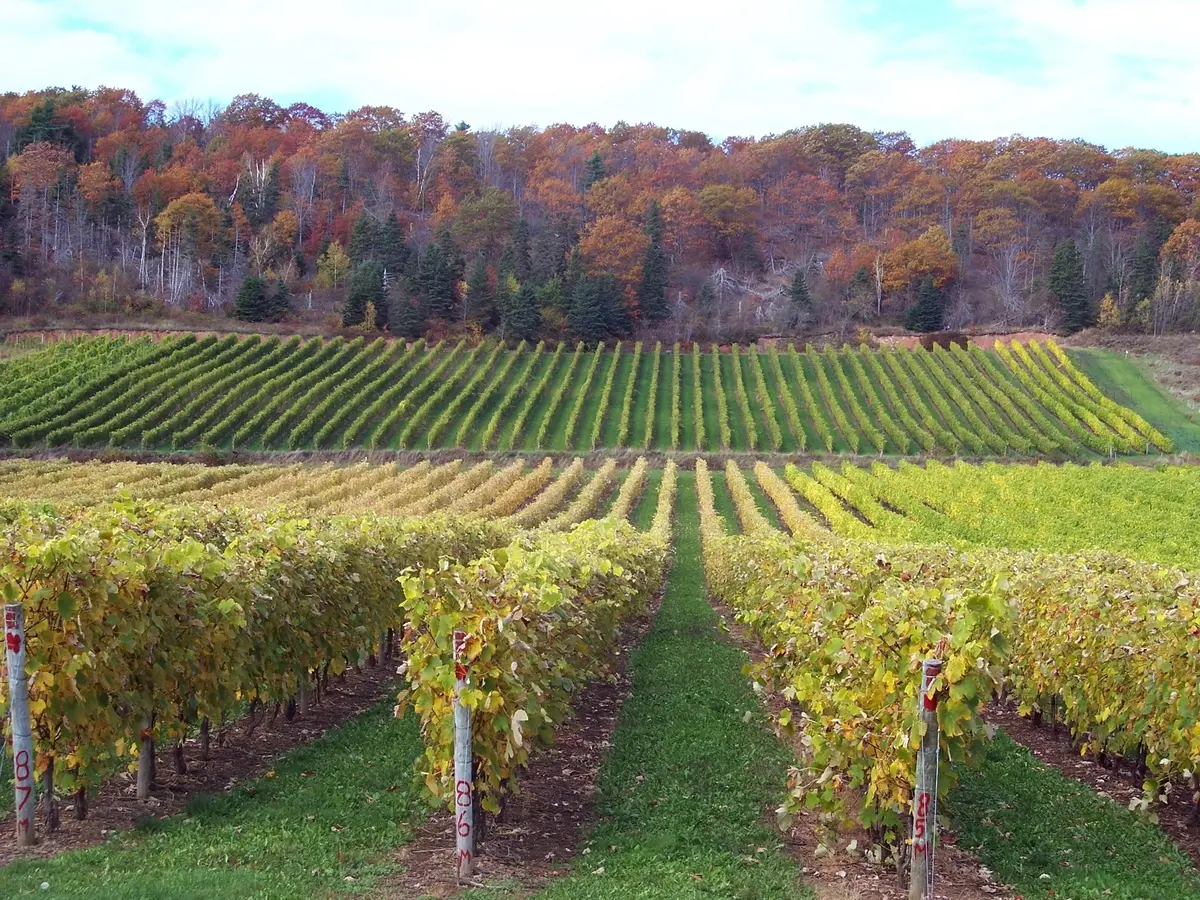
Looking for a wine escape from New York City? The Shawangunk Wine Trail, known as the "Heart of the Hudson Valley," sits in the rolling hills of Ulster and Orange Counties, just a few hours away. It's an easy day trip or a relaxed weekend getaway from the city's bustle. This collection of wineries offers a scenic retreat without a long haul. Whether you’re a dedicated enthusiast or just enjoy a good pour, the trail delivers a mix of tastings and countryside views. Plan to spend a full day exploring a few stops, or stretch it into an overnight stay to soak in the landscape. The proximity makes it a practical yet refreshing break from urban life.
Dutch Oven Delights: Cooking Delicious Camping Meals Over An Open Flame
There’s something magical about cooking outdoors, especially with a Dutch oven. Its cast iron construction distributes heat evenly, making it ideal for crafting mouthwatering meals over an open flame. From hearty one-pot dinners and soul-warming soups to tantalizing sides and even desserts, the possibilities are endless. A well-seasoned pot turns simple ingredients into rich, layered flavors that taste like slow-cooked comfort—whether you’re simmering a stew, baking bread, or dropping in biscuits. For travelers who love blending adventure with taste, this is a hands-on way to enjoy “iconic food experiences and tours” right at your campsite. With a little practice, you’ll master heat control using coals, turning any trailside stop into a memorable feast.
Indiana's Secret Wine Trail And Scenic Bridges
Indiana's Secret Wine Trail pairs local wineries with historic covered bridges, offering a weekend itinerary for travelers who want both vineyards and views. Each stop on the trail combines tastings of locally crafted wine with access to scenic bridge landscapes, so you can sip while you sightsee. The route also winds through charming small towns where you can meet friendly locals and sample regional vintages. For those already exploring regional flavors, this trail works well alongside the kind of hidden gems culinary in food travel you’d seek out in the Midwest. It’s a straightforward way to spend two days driving between wineries and covered bridges, with no need for extra planning beyond picking your starting point.
Fear And Gluttony On The Donut Trail
Food trails offer a curated itinerary of must-visit food destinations, letting travelers immerse themselves in local flavors and traditions. The Donut Trail is one such captivating route, beloved by food enthusiasts worldwide. It’s a perfect example of how iconic food experiences and tours in food travel can shape a journey. As you plan your route, consider pairing it with the best food cities and neighborhoods in food travel for a fuller culinary adventure. The trail itself is a test of both nerve and appetite—each stop demands you conquer your fear of overindulgence while surrendering to gluttonous delight. From classic glazed to inventive toppings, every bite tells a story of regional pride and baking craft.
Sauce In Exile: On The Yemenite Trail
The Yemenite sauce known as *s’chug* doesn’t stay put. It travels—carried in spice tins and memory from the old Jewish quarter of Sana’a to the hot tables of Tel Aviv and the deli counters of Brooklyn. This is a trail of exile, but also of adaptation. In each new kitchen, the green fire of cilantro and cardamom meets local chilies, garlic, and the cook’s own hand. You’ll find it spooned over eggs, stirred into soup, or smeared on a warm flatbread. For the traveler, the real discovery isn’t just the heat—it’s how a single sauce can hold a people’s whole story, and how that story changes with every border it crosses.
Choosing The Right Dutch Oven Size For Your Camping Needs
Its even heat distribution and heat retention make it ideal for everything from stews and soups to roasts and breads. But picking the right size can be tricky. You don’t want a pot too small for your group, nor one so large it’s heavy and bulky to carry. Consider your typical group size and how many dishes you’ll cook at once. A smaller oven works fine for couples or side dishes, while larger groups need the capacity for a full meal. Match the pot to your menu and your pack’s weight limit, not to what looks impressive by the fire.
Fresh Bread On The Trail: Keeping Your Bread Fresh While Camping
When your food travels take you off the grid, a fresh loaf can turn a simple campsite meal into a highlight of the trip. The key is to pack bread that holds up, and to store it with care. Wrap your loaf in a clean cloth or paper bag—never plastic, which traps moisture and turns crusts soggy. For longer trips, pre-slice and freeze portions, then let them thaw gradually in your pack. Hardier varieties like sourdough or rye resist crushing better than soft white loaves. If you’re exploring local bakeries for a taste of regional baking, ask for a whole unsliced loaf, as it stays fresher longer. Pair it with spreads or cheeses you’ve picked up along the way, and you’ll have a satisfying trailside meal that still feels like a culinary discovery.
Mastering The Camping Can Opener: Tips And Techniques
Nothing beats the thrill of the outdoors—sleeping under the stars and cooking over a campfire. But a great campfire meal often starts with one small tool: the can opener. Choosing the right one matters. Manual P-38s are lightweight and reliable; butterfly-style openers offer more grip; electric models save effort but add weight. To master yours, steady the can firmly, insert the cutting wheel at a slight angle, and turn with smooth, even pressure. Keep the lid attached to avoid sharp edges—twist it back slightly after opening. Practice at home first so you’re not fumbling when hungry. A clean, dry opener prevents rust and keeps food safe. With these techniques, you’ll access canned goods effortlessly, making every campsite meal a success.
Vermont's Cheese Country
Vermont’s cheese country rewards those who trade the highway for rolling back roads. Here, creameries and small farms open their doors for tastings—think sharp cheddars, soft ripened goat cheese, and tangy blue-veined varieties. You can drive between farms, stopping to watch cheese being made and to chat with the makers themselves. Many offer samples, and some let you picnic on the pasture with a view of the Green Mountains. Beyond the cheese, you’ll find creameries that also produce butter and yogurt, making each stop a full dairy experience. It’s a low-key, delicious way to spend a day—and a reminder that the best food cities and neighborhoods in food travel are sometimes just a winding country lane off the main route.
Cooking With Eggs In Camping: Tips For The Perfect Meal
Starting your day outdoors with eggs is both filling and versatile. This guide covers choosing and storing eggs for the trail, plus the essential utensils you’ll need. We’ll also share practical tips—like using a sturdy spatula and cooking over medium heat—to help your eggs come out perfect every time. Whether you’re scrambling, frying, or making a campfire omelet, a little preparation goes a long way. For those who love seeking out hidden gems culinary in food travel, a well-cooked egg breakfast at camp can rival any restaurant start to the day.
Camping Culinary Magic: Crafting Delectable Campfire Pizza
Campfire pizza turns any outdoor meal into an iconic food experience and tour of its own. Start with a sturdy pre-made dough—it handles the heat better than homemade over flames. Prep toppings at home: shred mozzarella, slice pepperoni, dice bell peppers, and brush olive oil on the crust. For the fire, let logs burn down to glowing coals; that even heat prevents burning. Use a cast-iron skillet or a pizza iron, layering dough, sauce, cheese, and toppings. Cook for 5–7 minutes, rotating often, until the crust is golden and the cheese bubbles. Let it rest two minutes before slicing. This hands-on method rewards patience—no fancy gear needed, just a hot bed of coals and a craving for crispy, smoky pizza under the stars.
Breakfast Options For Camping: Delicious Morning Recipes
Wake up to crisp morning air and the sounds of nature, then fuel up for the day ahead with a campfire-cooked breakfast. With a bit of planning, you can enjoy a satisfying morning meal that sets the tone for your outdoor adventures. Whether you’re after quick fixes or leisurely spreads, these recipes are designed to keep things simple and tasty—no need for elaborate gear. Just pack your skillet, gather your ingredients, and let the fire do the work. From hearty scrambles to sweet treats, you’ll find options that fit your campsite routine and keep everyone energized for hiking, swimming, or simply exploring the trails.
