

Part of our Travel Tips guide.
Explore tourism impacts and travel trends through 13 TouristSecrets guides, practical answers, comparisons, and trip-planning ideas gathered in one collection.
How Does Tourism Cause Pollution?
Tourism is a booming industry, providing experiences and unforgettable memories to millions of people around the world. It allows travelers to explore new destinations, immerse themselves in different cultures, and create lifelong memories. However, it's important to recognize that tourism can also have a negative impact on the environment. One of the key ways in which tourism can cause harm is through pollution. Pollution, in various forms, can degrade the natural resources and ecosystems that attract tourists in the first place.
How Are Heat Waves Changing Tourism
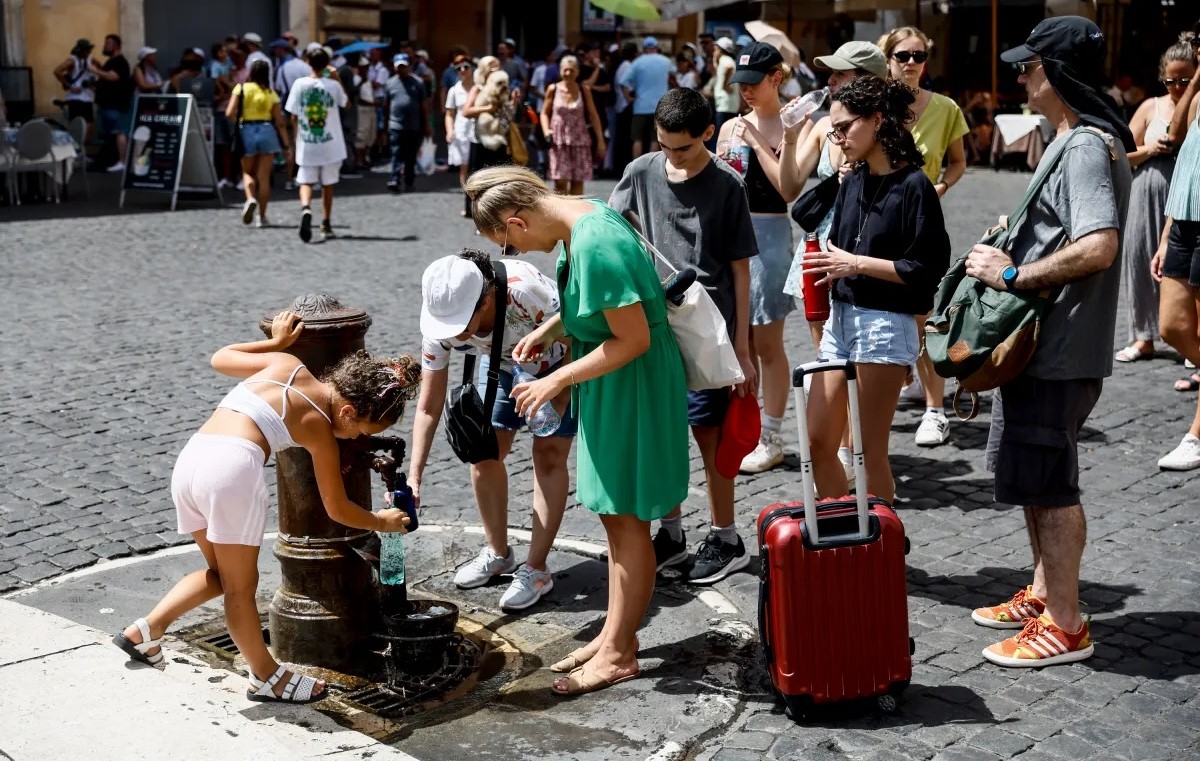
Heat waves—prolonged periods of excessively hot weather—are becoming more frequent and severe as climate change drives global temperatures upward. This shift poses a direct threat to tourism, an industry that has long relied on pleasant weather for outdoor activities. Record-breaking heat is now forcing travelers to rethink their plans and destinations. In response, the industry is adapting: some resorts are shifting to early-morning or evening excursions, while others are adding shaded rest areas and water-based amenities. Tourists increasingly seek cooler highland or coastal alternatives, and booking patterns show a rise in last-minute cancellations during extreme heat alerts. The result is a fundamental reshaping of when and where people choose to vacation, as both travelers and businesses scramble to cope with a hotter, less predictable climate.
How Has Tourism In North Africa Negatively Affected The Environment
North Africa—including Morocco, Tunisia, Egypt, and Algeria—has long drawn travelers with its history, landscapes, and cultures. But the recent surge in tourist arrivals has driven rapid construction of hotels, resorts, and infrastructure. While this development brings economic gains, it also degrades the environment. Coastal habitats are cleared for beachfront properties, water supplies are strained by high-consumption resorts, and waste—especially plastic—accumulates in fragile desert and marine ecosystems. Increased foot traffic and off-road vehicles erode dunes and archaeological sites, while untreated sewage from tourist hubs pollutes the sea. The very features that attract visitors—pristine coasts, oases, and coral reefs—are being damaged by the industry they sustain. Without stricter regulations and sustainable practices, the region risks losing the natural assets that make it a top destination.
What Is Agri-Tourism?
Agri-tourism is a niche form of travel that immerses visitors in the agricultural lifestyle. It goes beyond traditional sightseeing, offering hands-on experiences where you can actively participate in farming activities, taste local produce, and understand the intricacies of sustainable agriculture. This blend of adventure, education, and eco-conscious travel lets you appreciate the beauty and essence of rural communities while supporting local economies. Whether you’re feeding animals, harvesting crops, or learning about organic methods, agri-tourism turns a simple visit into an engaging, meaningful connection with the land and the people who work it.
How Can Tourism Positively Affect The Conservation Of Forests?
Forests sustain biodiversity, regulate climate, and provide clean air and water, yet they face mounting threats from deforestation. Forest-based tourism offers a constructive counterforce by channeling visitor interest into preservation. When travelers visit these ecosystems, their entrance fees and guided tour revenues often fund ranger patrols, habitat restoration, and anti-poaching efforts. Local communities gain an economic stake in keeping trees standing, which reduces illegal logging. Moreover, tourism dollars support environmental education, showing visitors firsthand why these landscapes matter—a shift that can inspire advocacy long after the trip ends. By choosing nature-focused travel, you help make conservation financially viable. To plan such a trip, you might locate my reservation on Expedia for lodging near protected parks, ensuring your stay directly benefits surrounding forests.
Why Would Anyone Go To Suriname?
Suriname, tucked into the northeastern corner of South America, rewards intrepid explorers with a mix of pristine rainforests, colonial architecture, and vibrant festivals. Its low profile compared to neighboring countries is exactly the draw—expect fewer crowds and authentic cultural encounters. The capital, Paramaribo, blends Dutch colonial buildings with Creole, Javanese, and Hindustani influences, while the interior offers dense jungle teeming with wildlife. You can also use this trip to genuinely take a holiday and help change lives by supporting community-run eco-lodges. For practical planning, you might need to scan a passport at check-in, but the real payoff is the unpolished, layered experience—from riverboat rides to Maroon village visits—that you won’t find on typical South American itineraries.
How To Keep Bees Away From Picnic
Bees are vital pollinators, but they can disrupt an outdoor meal. To keep them away without harm, start by understanding their drive for sugary and protein-rich foods. Cover drinks and sweet dishes, and serve food in sealed containers. Avoid wearing bright floral patterns or strong-scented lotions, which attract bees. Set up your picnic away from flowering plants and trash bins. Use a bee-repelling scent like cucumber slices or a few drops of peppermint oil on a cloth near the table. Keep food and drinks on a table, not the ground, and wipe surfaces after eating. If a bee approaches, stay still—swatting provokes it. For persistent pests, place a small bowl of sugar water far from your seating area to draw them away. These steps let you coexist peacefully while you dine outdoors.
Which Country Is Heavily Dependent On Tourism For Its Livelihood?
Tourism is a cornerstone of the global economy, creating jobs, driving growth, and fostering cultural exchange. Yet some nations depend on it far more than others, having built their entire economic foundation around the sector. These countries—often defined by stunning natural landscapes, rich cultural traditions, and historical landmarks—rely on tourism as their primary source of income for both residents and the government. For such destinations, visitor spending directly supports local livelihoods, infrastructure, and public services. While many places benefit from tourism, these nations are uniquely vulnerable to shifts in travel demand, making their economic stability closely tied to the industry’s health.
What Are The Environmental Concerns Regarding Tourism In Southern Europe?
Tourism in Southern Europe has grown rapidly, drawing millions of visitors to its scenic coasts, forests, and cultural landmarks. This popularity, however, brings significant environmental pressure. The region contains some of the world’s most diverse and fragile ecosystems, including pristine shorelines, unique wildlife habitats, and historically significant sites. Unchecked visitor numbers strain water supplies, increase waste, and disturb natural habitats. To manage these impacts, travelers can take a holiday and help change lives by choosing eco-friendly accommodations and supporting local conservation efforts. Balancing tourism with preservation is essential to protect these landscapes for future generations.
Our Experience Watching Orcas Attack Gray Whales & Dolphins
Standing on the deck, we scanned the horizon until a black fin broke the surface, followed by a powerful tail. We were about to witness orcas hunting—nature’s most awe-inspiring display of predator intelligence. Orcas, with their distinct black-and-white markings, are the largest members of the dolphin family and among the ocean’s most efficient hunters. Watching them target gray whales and dolphins, we saw coordinated strikes that felt both primal and precise. The experience underscored how these apex predators dominate their realm, a sight no photograph can truly capture.
The Rumah Pohon Treehouse: Is It Worth It?
Set high in the canopy, the Rumah Pohon Treehouse turns a childhood fantasy into a real overnight stay. Surrounded by dense foliage, it offers sweeping views and a rare chance to unplug completely. You’ll wake to leaves stirring overhead and birdsong replacing traffic, with morning light filtering through the branches. It’s a peaceful retreat designed for reconnecting with nature, far from daily noise. While the experience is simple—no luxury frills—the setting itself is the draw. If you’re seeking quiet and a direct line to the outdoors, this treehouse delivers. For those prone to motion sickness after swaying branches, a tip to stop the rocking feeling after a cruise might come in handy, though most guests find the gentle motion part of the charm.
Sænautasel
Sænautasel is a traditional turf house dating back to the 19th century, located high in the Highlands of Iceland. This historical farm offers a window into the traditional Icelandic way of life, showcasing the resilience and resourcefulness of its people. For travelers seeking an off-the-beaten-path adventure, it provides a memorable stop that connects you to the country’s rustic heritage.
More about Tourism
- How To Locate My Reservation On Expedia
- How To Stop The Rocking Feeling After A Cruise
- How to Modify Reservation on Expedia
- How Do I Add My Delta Skymiles Number To An Existing Reservation
- How to Add Your Known Traveler Number to an Existing Reservation
- Take a Holiday and Help Change Lives
- How To Find My Reservation On Expedia
- How To Update The Traveler Name On United App
- What Does Leisure And Tourism Mean
- How To Change Reservation On Expedia
- Adding Known Traveler Number To Turkish Airlines
- How Has The Internet Affected The Travel And Tourism Industry
- What Is My Known Traveler Number On Global Entry Card
- How To Plan A Great Staycation
- How Do I Check My Reservation On Vrbo
- How Do I Cancel A Reservation On Vrbo
- How To Add Known Traveler Number To Alaska Airlines
- What Is Green Tourism
- How To Add Known Traveler Number To Turkish Airlines
- How To Add Known Traveler Number To Jetblue Airways
- How To Plan The Perfect Staycation
- National Skinny Dipping Day: Where To Bare It All
- Lyft vs Uber: Which Is Cheaper and Better?
- How Do You Get A Known Traveler Number
- What Is Heritage Tourism
- What Are The Negative Effects Of Tourism?
- How To Cancel An Expedia Trip
- What Does A Pineapple On A Cruise Ship Door Mean?
- Where To Park For MSC Cruise In Miami
- How Do I Add A Traveler To Jetblue Airways
- How Does Tourism Contribute To The Economy
- How Does Tourism Affect Culture
- How To Cancel Das Reservation
- How To Cancel An Expedia Reservation
- How To Save For A Holiday
- How Do You Prepare Toilets For A Long Vacation
- What Law Says A Non-Citizen Cannot Cross The U.S. Border At Other Than A Port Of Entry
- How To Add An Expedia Trip To Google Calendar
- Voluntourism: More Harm Than Good?
- How To Map A Trip On Apple Maps
