Part of our Travel Tips guide.
Explore expat life and moving abroad through 30 TouristSecrets guides, practical answers, comparisons, and trip-planning ideas gathered in one collection.
Understanding Spanglish: How To Speak The U.S.-Mexico Border Dialect
Ever heard someone switch between Spanish and English mid-sentence? That’s Spanglish, a unique blend of both languages common along the U.S.-Mexico border and in communities with strong Hispanic influences. This mix isn’t random—it follows its own rules and patterns. Learning Spanglish helps you connect with people in these vibrant neighborhoods. It’s more than slang; it’s a living system of word borrowing, code-switching, and adapted phrases. For travelers, recognizing these patterns can make interactions smoother, whether you’re ordering food or asking for directions. You don’t need fluency—just an ear for the rhythm and a willingness to try. So next time you’re near the border, listen closely; you’ll hear a dialect that’s as practical as it is expressive.
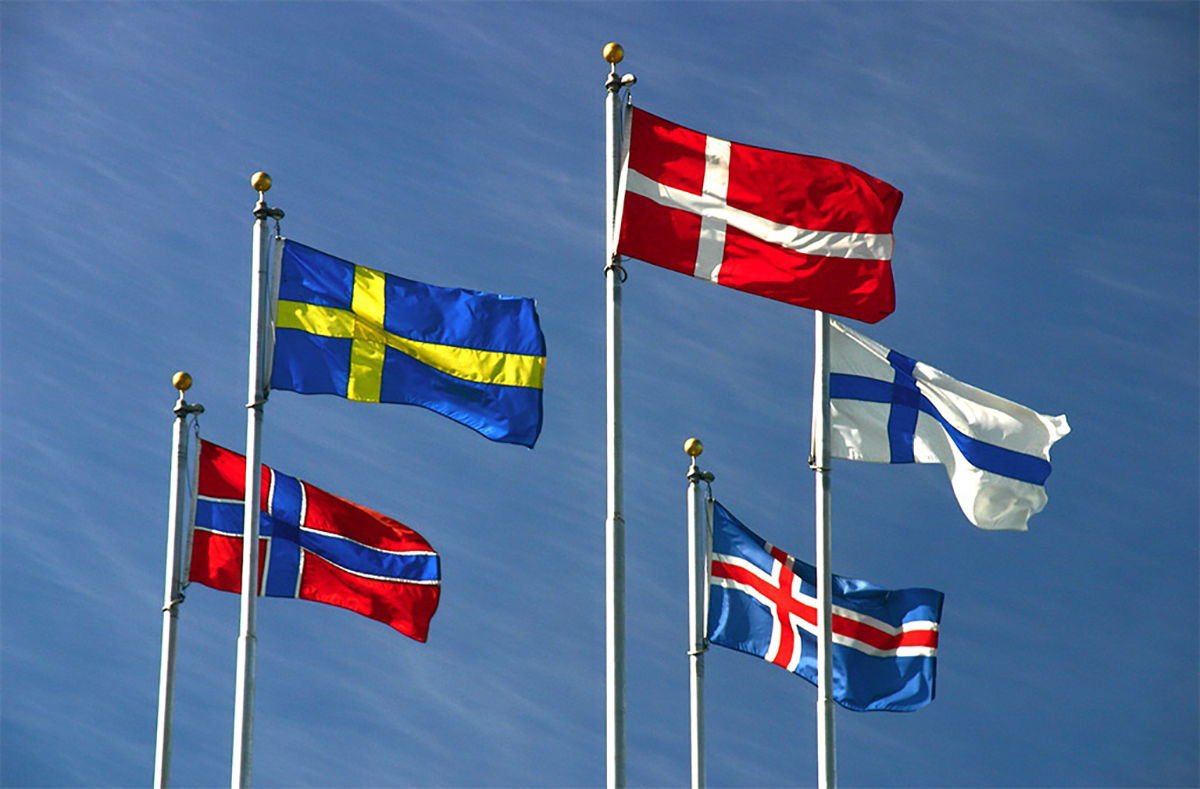
Scandinavian vs. Nordic Countries: What's So Different?
The 2013 History Channel series “The Vikings” and the Nordic noir “Mammon” brought Nordic history, people, and culture to a wide audience. Yet even with such popular portrayals, many still confuse the terms “Scandinavian” and “Nordic” when referring to Norway, Sweden, Denmark, Iceland, and Finland. While the shows sparked interest, the distinction remains unclear. If you are planning a trip and need to sort out your itinerary, you might use a tool to locate my reservation on Expedia—but understanding the regional labels is the first step to exploring the right countries.
15 Kiwi Slang Words That Will Make You Sound Like A True New Zealander
Learning Kiwi slang helps you sound like a local. Kiwis have a unique way of speaking that might leave you scratching your head if you're not familiar with their lingo. From "chur" to "togs," these words and phrases make conversations more fun and authentic. Imagine chatting with a local and understanding every word—you'll feel more connected and less like an outsider. Ready to dive in? Here are 15 essential words and phrases to have you speaking like a native in no time. And if you're planning a trip, don't forget to locate my reservation on Expedia to lock in your flights before you practice your new vocabulary down at the dairy.
Conyo: The Philippine Language Shaping Social Class
Conyo is a way of speaking in the Philippines that mixes English and Filipino within a single sentence. Often linked to the upper class, this blend has become a cultural marker. For some, it signals privilege; for others, it’s simply a playful mode of expression. The mix isn’t just about vocabulary—it reflects social boundaries. When you hear Conyo in conversation, you’re hearing a linguistic choice that can indicate background or education. Whether it’s seen as exclusive or endearing, its role in shaping class identity is undeniable. The phenomenon persists because language, after all, is a tool for belonging. So next time you catch that code-switching rhythm, you’ll know it carries more than words—it carries social weight. That’s what makes Conyo both fascinating and divisive.
Where Are The Favorite Expat Communities
Living abroad as an expatriate is an exciting, life-changing step, but choosing where to go can feel overwhelming. Key considerations include climate, cost of living, job prospects, safety, and healthcare access. This section highlights popular expat hubs across the globe—from North America’s bustling metropolises and Europe’s charming towns to Asia’s vibrant cities, South America’s exotic landscapes, and Africa’s diverse cultures. Whether you’re drawn to urban energy or scenic tranquility, there’s a fitting community for every lifestyle. As you plan your move, don’t forget practical logistics—like knowing how to identify a passport with a chip for border processing, or ensuring you can locate my reservation on Expedia for initial housing stays. Each destination offers unique perks, so weigh your priorities carefully to find your ideal expat home.
What Is An Expat Neighborhood
When moving to a new city or country, finding a place where you can feel at home is essential, and many expatriates consider living in an expat neighborhood. Also known as expat enclaves or international communities, these are areas where a significant number of expatriates reside. They provide a sense of familiarity and support while you adjust to a new culture and environment. Typically, such neighborhoods are characterized by a diverse range of cultures, languages, and cuisines, creating a vibrant, multicultural atmosphere. Whether you are settling in for work or long-term travel, these enclaves ease the transition, offering a soft landing spot. For those planning extended stays, you can often locate a short-term rental here before committing to a permanent home—just as you might locate my reservation on Expedia for your initial arrival.
10 Stereotypes That Make Norwegians Cringe
Norwegians often cringe at the tired clichés that paint them with too broad a brush. The assumption that they are universally cold and reserved ignores the warmth you’ll find in casual conversation. Not everyone is a ski enthusiast or eats fish daily—while many enjoy winter sports and seafood, these passions aren’t universal. The myth that all Norwegians are wealthy from oil overlooks economic disparity. And the picture of everyone living in wooden houses by a fjord misses the reality of bustling urban apartments in Oslo and Bergen. These stereotypes flatten a diverse population. Next time you travel, try booking a local experience to see the real Norway—you can even use a travel app to locate my reservation on Expedia, but more importantly, keep an open mind beyond the postcard images.
How Many Countries In The World Are There?
The definition of a country depends on factors like political boundaries, government recognition, and international agreements. This section examines the official United Nations count, the varying levels of international recognition, and the intriguing world of micronations—unrecognized entities existing outside the traditional framework. Knowing the number of countries isn't just a curiosity; it offers insight into the planet's political, social, and cultural diversity. For travelers, this matters when you need to, say, identify a passport with a chip from a partially recognized state, or when planning trips that require you to scan a passport at borders with unusual status. Understanding these distinctions helps you navigate both the map and the practicalities of crossing lines that aren't always drawn in ink.
Updated: How To Travel Independently In Iran As A UK Or Canadian Citizen
Independent travel in Iran is entirely possible for UK and Canadian citizens, though you must arrange a guided tour or a local guide for your entire stay, as your passport cannot be used for solo travel without one. You’ll need to book a government-approved tour operator who will handle your visa authorization and itinerary. Once in-country, you can move between cities like Esfahan, Persepolis, and Tehran, but always with your guide. Before you go, check your passport has a chip—this makes identifying a passport with a chip easier at border control. Also, keep a copy of your reservation details handy, similar to how you might locate my reservation on Expedia, but for your tour confirmations. Plan for a minimum of 10 days to cover the highlights comfortably.
A Dire Day In Areguá, Paraguay
The once-thriving community is grappling with devastating challenges that have left residents reeling and in urgent need of assistance. Known as the "City of Strawberries," Areguá is famous for its lush strawberry fields and vibrant art scene. Tourists from around the world flock to this quaint town to explore its enchanting colonial architecture, enjoy the tranquil beauty of Lake Ypacarai, and immerse themselves in the warm hospitality of the locals. However, recent events have plunged this idyllic paradise into chaos and despair, turning a former haven into a place where travelers now pause to reconsider their plans—much like when you need to locate my reservation on Expedia before a trip goes wrong.
What Is Life Like As An Expat
Being an expatriate, or an expat, means leaving behind the familiar and venturing into the unknown, embracing new cultures, languages, and ways of life. Whether for work, retirement, or personal reasons, it offers a chance to explore the world and understand different societies. Life as an expat brings both challenges and rewards, requiring adaptability, open-mindedness, and a willingness to step out of your comfort zone. You will need to navigate daily logistics like locating your reservation on Expedia or identifying a passport with a chip, but the experience also lets you take a holiday and help change lives through deeper cultural immersion.
The Funk Factor Of Tirana, Albania
Tirana, the vibrant capital of Albania, is often called the city of surprises, and its funk factor is a big reason why. Beyond the rich history and thriving arts scene, the streets pulse with infectious rhythms and soulful melodies that define the local character. Music aficionados will find themselves swept up in this unique blend of traditional and modern influences. For travelers planning a deep dive into this scene, it’s wise to sort out logistics early—perhaps you’ll need to locate my reservation on Expedia before heading out. But once you’re here, let the raw, unpolished beats guide you from bar to street corner. This is not polished performance; it’s everyday life with a groove that’s impossible to resist.
Are African-Americans Treated Better Than Africans Abroad?
The comparison between African-Americans and Africans abroad often hinges on historical context—colonization and slavery—and how these legacies shape modern-day stereotyping and discrimination. While both groups face prejudice, the treatment can differ sharply by region and circumstance. In workplaces, African-Americans may encounter assumptions tied to U.S. culture, while Africans might face biases about nationality or immigration status. Racial profiling affects both, though the triggers differ. Healthcare access and quality also vary, with some expats reporting better treatment when their passport or accent signals a specific origin. Cultural identity further complicates things, as diaspora ties can either buffer or heighten discrimination. This section examines these disparities without offering a single verdict, focusing on how education, employment, and daily interactions reveal the nuanced reality. Before traveling, consider practical steps like knowing how to scan a passport for visa renewals or identifying a passport with a chip to ease entry, as these logistics often intersect with how locals perceive and treat you.
Stereotypes That Make Every Indian Cringe
India’s diversity spans languages, cuisines, and lifestyles, yet tired clichés persist. Not every Indian is a tech genius, a yoga master, or a vegetarian. Hindi is one of hundreds of languages, and daily meals vary from fiery curries to subtle coastal dishes. The snake-charmer-and-elephant image ignores modern cities, thriving startups, and rural farming communities alike. These oversimplifications erase real stories—like the retired teacher in Kerala or the software engineer in Pune who’s never touched a mat. They also ignore that stereotyping reduces people to caricatures, making everyday conversations feel like a performance. Next time you’re tempted to assume, remember: India is not a monolith. And if you’re planning a trip, skip the clichés and let locals show you the real, layered country—just as you’d want your own culture understood.
Colombia’s Bloom Boom
Colombia has become a dominant player in the global flower market, offering everything from vibrant roses and exotic orchids to sunflowers and delicate lilies. Its success comes down to favorable climate, advanced agricultural practices, and skilled labor. These factors let growers produce high-quality, fresh-cut blooms at scale, shipping them to markets worldwide. Whether you’re a florist sourcing stems or a traveler noticing the abundance of color in local markets, Colombia’s floral industry is hard to ignore. The country’s reputation for reliable, beautiful flowers keeps growing, and so does its share of the international trade. For anyone curious about where their bouquet originated, Colombia is likely the answer.
Ranked: Where Expats Find It Easiest To Settle In
Choosing where to move abroad can feel as daunting as trying to locate my reservation on Expedia after a long flight—but with the right data, it’s manageable. This guide ranks the top 10 countries for expats based on what truly matters: language barriers, job markets, education quality, healthcare, cost of living, and overall well-being. Each destination on this list offers a smoother transition, so you can focus on building your new life rather than untangling bureaucratic snags. Whether you prioritize career growth or family-friendly services, these nations consistently deliver the support systems expats need to thrive from day one. No fluff—just the practical standouts for a seamless move.
Is The Arg-e Bam Worth Visiting?
Arg-e Bam, or "Bam Citadel," is a historical marvel in the city of Bam, Kerman Province. Founded during the Achaemenid Empire in the 6th century BCE, most of its surviving structures date to the Safavid era in the 16th century. The site showcases remarkable ancient engineering and craftsmanship, drawing visitors worldwide. Its sheer scale and layered history make it a compelling stop for those exploring Iran’s cultural heritage. While the citadel suffered significant damage in a 2003 earthquake, ongoing restoration efforts preserve its character. For travelers weighing the detour, the site offers a tangible connection to centuries of Persian architecture and urban planning. Whether you’re a history enthusiast or a curious passerby, Arg-e Bam rewards those who take the time to wander its mud-brick walls and alleys.
4 European Countries That Will PAY You To Move There
Dreaming of living in Europe without draining your savings? A handful of countries have launched programs that actually pay you to relocate. These initiatives are designed to boost local economies, strengthen the workforce, and preserve cultural heritage in depopulated regions. Instead of just welcoming newcomers, they offer financial incentives to make the move easier. Whether you’re looking for a rural retreat or a coastal village, these programs cover moving costs, provide monthly stipends, or offer tax breaks. Before you pack your bags, check the specific eligibility rules—each country has its own requirements, from remote work status to minimum income levels. The payoff isn’t just financial; it’s a chance to start fresh in a new culture while being paid for the privilege. Ready to find out which four countries are opening their wallets?
When The Expats Come And Take Over A Place
When expats come and take over a place, the effects on local communities can cut both ways. An expatriate, or expat, is someone who takes up residence in a country other than their home country, often drawn by career prospects, a lifestyle shift, or the pull of experiencing new cultures. Their arrival can bring tangible economic growth, foster cultural exchange, and build more diverse neighborhoods. But it can also strain local resources, drive up housing costs, and sometimes create a bubble that separates newcomers from long-time residents. The key is balance—when expats integrate rather than isolate, both sides stand to gain, but when the takeover feels one-sided, friction often follows. It’s a dynamic worth watching closely, whether you’re the expat or the local.
Tips For Becoming An Expat In Japan
Becoming an expat in Japan is an exciting, life-changing decision. The country blends ancient traditions with modern technology, offering rich culture and a high standard of living. Daily life as a foreigner can feel daunting at first, but proper research smooths the transition. Start by securing your visa status well ahead of arrival, as paperwork is strict. Learn basic Japanese phrases—beyond Tokyo, English is less common. Set up a bank account and residence registration at your local ward office within two weeks of moving. For housing, budget for key money, a deposit, and a guarantor; many expats use a company sponsor to help. When traveling early on, keep your passport handy—you’ll need it to verify your identity, much like identifying a passport with a chip. With preparation, you’ll settle into Japan’s rhythm smoothly.
How To Start A New Life Abroad | Moving From The US To Mexico
Ready to trade the familiar for a fresh start? Moving from the US to Mexico is as thrilling as it is life-changing, but the key to a smooth transition is planning before you pack. Begin by picturing your daily life south of the border—your goals, your work routine, and what you truly want from this move. Then, get practical: sort out your paperwork early, including your visa type, and don’t forget to scan a passport for digital backups. If you’re bringing a pet, research vet requirements in advance. And as you settle in, take time to learn the local neighborhood—where to shop, how to pay utilities, and which clinics to use. A little groundwork now saves you stress later, letting you actually enjoy the adventure.
Moving To Manhattan: From Brooklyn To The Upper East Side
Moving from Brooklyn to the Upper East Side means trading brownstone stoops for doorman buildings and subway rumbles for Central Park views. The Upper East Side is known for its prestigious reputation, world-class museums like the Met, and quieter streets compared to Brooklyn’s bustling neighborhoods. Before you pack, think about your commute—the 4/5/6 trains run along Lexington Avenue, making midtown access quick. You’ll also trade Brooklyn’s restaurant scene for uptown fine dining and boutique shopping along Madison Avenue. If you’re booking travel to ease the transition, don’t forget to locate my reservation on Expedia to adjust any moving-related stays. And if you’re planning a break after the chaos, take a holiday and help change lives by choosing a volunteer trip. Plan for higher rent and smaller spaces, but enjoy the convenience and elegance.
What Is The Expat Tax Rate
Expat tax rates aren’t a single fixed percentage—they depend on your residency status, income sources, and the tax treaty between your home country and your new one. Most countries tax residents on worldwide income, while non-residents may only pay on local earnings. Key factors include your tax home, the number of days spent in-country, and any foreign earned income exclusions or foreign tax credits you claim. To calculate your rate, you’ll typically file a return in your host country and, if required, also report income to your home country—then offset double taxation. Before you move, check if your new country has a progressive, flat, or territorial system, and consider whether you need to “stop the rocking feeling after a cruise” from financial whiplash—planning ahead smooths the transition. Always consult a cross-border tax advisor for your specific situation.
How To Be An Expat In Peru
Welcome to the fascinating world of being an expat in Peru! From its rich history and diverse landscapes to its friendly locals and delicious cuisine, Peru has something to offer for everyone. As an expat, you will have the opportunity to immerse yourself in the Peruvian way of life, learn a new language, and explore the country's hidden gems. But fret not, this comprehensive guide will walk you through the essential steps to becoming an expat in Peru. Before you embark on this exciting adventure, it is crucial to do your research and gather relevant information about Peru.
How To Move To Latin America As An Expat
Moving to Latin America as an expat starts with solid research and planning. Choose the right country for your lifestyle, then check visa requirements—these vary widely by nation and your home passport. Secure accommodation before you arrive, if possible, and look into local healthcare options, including public versus private systems. Learning Spanish (or Portuguese, in Brazil) is essential for daily life and building relationships. Immerse yourself in the local culture, and proactively build a network of friends and contacts—this will greatly ease your transition. Before you travel, ensure your documents are in order, including identifying a passport with a chip if you hold a newer one, and keep digital copies of key paperwork. Finally, consider using a service to locate my reservation on Expedia for your initial housing or travel bookings, making the first weeks smoother.
What Are The Expat Jobs For Accountants
Working abroad as an accountant offers both cultural exploration and professional growth. You gain international experience, expand your professional network, and sharpen your skills in a global context. With rising demand for skilled accountants across industries and locations worldwide, expat roles are increasingly accessible. Whether you are seeking short-term contracts or long-term placements, opportunities span public practice, corporate finance, and advisory roles. To succeed, you will need to navigate local tax laws, reporting standards, and language barriers—but the career payoff is substantial. Start by researching visa pathways and credential recognition in your target country, and consider how your expertise aligns with regional hiring trends.
What Was The Name Of The Main Port Of Entry For African Americans Arriving In Latin America
African American migration to Latin America shaped both the destinations and the communities themselves. Multiple factors influenced this movement, from economic opportunity to political exile. To understand the journey, one must first identify the primary arrival point. The main port of entry was not a single fixed location but varied by era and route, with key harbors in Cuba, Mexico, and Brazil serving as frequent gateways. These ports facilitated the relocation of individuals and families seeking new lives. The choice of destination often depended on colonial ties, labor demands, and existing African-descended populations. As travelers planned their voyages, many would later need to locate my reservation on Expedia or modify reservation on Expedia for return trips, though historical records show most arrivals came through established Caribbean and South American harbors. The selection of a port reflected both practical shipping lanes and the broader social conditions awaiting newcomers.
How To Retire As An Expat
Retiring as an expat means trading routine for discovery—but a smooth move hinges on preparation, not just wanderlust. Before you book your flight, research cost of living in real numbers, not just averages, and compare healthcare systems for chronic care and emergencies. Legal requirements vary sharply by country; some demand proof of income or health insurance, so check residency visa rules early. Social integration matters too—join local expat groups and learn the language basics to avoid isolation. As you plan, remember to locate my reservation on Expedia if you're booking a scouting trip, and when you travel, scan a passport at check-in to speed through airports. Test your shortlist with a three-month rental before selling your home. That trial run reveals hidden costs—utilities, transport, and daily living—that no guidebook captures. With these steps, you’ll trade guesswork for confidence.
How Studying in a Different Country Enhances Employment Opportunities
International studying has grown exponentially more popular in the 21st century, and most people see it as their dream. International education is a synonym of quality and dedication. Are you contemplating this option, but your parents don’t want to? Contrary to what you might think, such a choice is not only a great opportunity to relax and meet new people but also an outstanding chance to improve your employability. Social Benefits Make You an Appealing Candidate Let’s all face it: traveling to another country and even meeting your academic goals isn’t something every person can do.
More about Expat Countries Make
- How To Locate My Reservation On Expedia – Learn the quick steps to locate my reservation on Expedia using your confirmation number or email.
- How To Stop The Rocking Feeling After A Cruise – Practical ways to ease the phantom sway and stop the rocking feeling after a cruise.
- How to Modify Reservation on Expedia – Change dates, names, or cabin types when you need to modify reservation on Expedia.
- How Do I Add My Delta Skymiles Number To An Existing Reservation – Attach your frequent flyer account to earn miles retroactively.
- How to Add Your Known Traveler Number to an Existing Reservation – Ensure TSA PreCheck or Global Entry benefits apply by updating your booking.
- Take a Holiday and Help Change Lives – Combine travel with volunteering to take a holiday and help change lives.
- How To Find My Reservation On Expedia – Retrieve lost booking details through the app or website.
- How To Update The Traveler Name On United App – Correct typos in your ticket directly from your phone.
- What Does Leisure And Tourism Mean – Clarifies the scope of leisure travel versus business or adventure tourism.
- How To Change Reservation On Expedia – Step-by-step guide for swapping flights or hotels mid-trip.
- Adding Known Traveler Number To Turkish Airlines – Apply your KTN to Turkish Airlines bookings for expedited security.
- How Has The Internet Affected The Travel And Tourism Industry – From OTAs to social media, see how online tools reshaped planning.
- What Is My Known Traveler Number On Global Entry Card – Find your KTN printed on the back of your Global Entry card.
- How To Plan A Great Staycation – Turn a stay-at-home break into a real getaway without the airport.
- How Do I Check My Reservation On Vrbo – Verify your rental booking details anytime.
- How Do I Cancel A Reservation On Vrbo – Understand cancellation policies and fees before you cancel.
- How To Add Known Traveler Number To Alaska Airlines – Update your Mileage Plan profile with your KTN.
- What Is Green Tourism – Eco-friendly travel choices that reduce your carbon footprint.
- How To Add Known Traveler Number To Turkish Airlines – Duplicate guide for adding KTN on Turkish Airlines.
- How To Add Known Traveler Number To Jetblue Airways – Link your KTN to TrueBlue for faster security lines.
- How To Plan The Perfect Staycation – Add local tours or spa days to make a staycation feel special.
- National Skinny Dipping Day: Where To Bare It All – A playful look at nude-friendly beaches and resorts.
- Lyft vs Uber: Which Is Cheaper and Better? – Compare surge pricing, driver quality, and availability.
- How Do You Get A Known Traveler Number – Apply for TSA PreCheck or Global Entry to get your KTN.
- What Is Heritage Tourism – Explore historical sites and cultural landmarks.
- What Are The Negative Effects Of Tourism? – Overtourism, environmental damage, and cultural erosion.
- How To Cancel An Expedia Trip – Cancel a full itinerary or just one leg of a trip.
- What Does A Pineapple On A Cruise Ship Door Mean? – The hidden symbol for swingers on cruise ships.
- Where To Park For MSC Cruise In Miami – Compare port parking lots and off-site garages.
- How Do I Add A Traveler To Jetblue Airways – Add a companion to an existing booking.
- How Does Tourism Contribute To The Economy – Job creation, tax revenue, and local business support.
- How Does Tourism Affect Culture – Both preservation and commercialization of traditions.
- How To Cancel Das Reservation – Cancel Disney’s Disability Access Service reservations.
- How To Cancel An Expedia Reservation – Follow airline or hotel rules for refunds.
- How To Save For A Holiday – Budgeting tips and automatic savings plans.
- How Do You Prepare Toilets For A Long Vacation – Prevent sewer gas and mold while away.
- What Law Says A Non-Citizen Cannot Cross The U.S. Border At Other Than A Port Of Entry – Legal penalties for illegal entry.
- How To Add An Expedia Trip To Google Calendar – Sync your itinerary automatically.
- Voluntourism: More Harm Than Good? – Weigh the ethical concerns of short-term volunteering.
- How To Map A Trip On Apple Maps – Create multi-stop routes for road trips.