

Part of our Food Travel guide.
15 places and guides from our Latin American Culinary Secrets coverage, gathered into one page.
How To Order Coffee Like A Local In Colombia
Walk into a bustling café in Bogotá or Medellín and order like a local by knowing the basics. Coffee is a cultural staple, not just a drink. Start with tinto, a small black coffee, perfect for a quick pick-me-up. If you prefer milk, ask for café con leche, a creamy blend often enjoyed mid-morning. For a stronger kick, request café negro to specify no milk, or café americano if you want it diluted. Don’t expect fancy flavors—locals keep it simple. Order at the counter, pay in cash, and stand or take it to go. These terms and customs help you blend in, making your experience more authentic while you explore the city’s coffee culture.
Chile You Won't Believe Exist
Beyond famous wines and seafood, Chile hides gem restaurants that deliver unique dining experiences—often off the typical tourist map. These range from cozy family-run kitchens to inventive eateries pushing culinary limits. For travelers seeking hidden gems culinary in food travel, this is where local flavor truly shines. Expect dishes that make your taste buds dance, whether it’s a rustic cazuela in a neighborhood parrón or a modern take on mapuche ingredients. The country’s dramatic geography—from the Atacama to Patagonia—shapes every plate, but the real surprise is how accessible these spots feel once you step off the main avenue. Every food lover will find something memorable, no reservation required at the counter seats.
Where To Find The Best Food In Antigua
Antigua’s food scene blends African, European, and Caribbean influences into something unmistakably local. The best way to dive in is through the island’s vibrant street food culture—think grilled lobster, pepperpot, and Johnnycakes sold from colorful stalls. For a sit-down meal, head to upscale dining spots that highlight fresh seafood and tropical produce. While the beaches draw the crowds, the real flavor lies in the bustling markets and roadside grills where locals gather. If you’re exploring beyond the resort strips, you’ll uncover hidden gems culinary in food travel that reward curiosity with bold, authentic bites. Whether you’re after a quick snack or a leisurely dinner, Antigua serves up memorable plates at every turn.
Uruguayan Cuisine You Have To Taste
Uruguayan cuisine may be less famous than its neighbors’, but it’s full of hidden gems culinary in food travel. The asado, a slow-grilled beef feast, is the centerpiece of any local gathering. For a handheld bite, a chivito stacks steak, ham, cheese, and often egg or bacon into a towering sandwich. Empanadas, crispy pastries filled with meat or cheese, make for a perfect snack. Sweet tooths will love dulce de leche, whether spread on toast or stuffed into pastries. And don’t skip mate, a bitter herbal tea sipped from a shared gourd—it’s a daily ritual that reveals the country’s social heart. Each flavor carries a story of Uruguayan tradition.
El Salvador Food: The Tastiest Dishes
El Salvador’s culinary traditions reflect a fusion of indigenous, Spanish, and African influences, creating a unique flavor profile. The food scene here is a draw for travelers seeking authentic Central American tastes. Pupusas—thick corn tortillas stuffed with cheese, beans, or pork—are the national staple and a must-try. Hearty soups like *sopa de res* and *mariscada* showcase local ingredients, while refreshing drinks such as *horchata* and *tamarindo* balance the meal. For those exploring the region, these dishes often appear on lists of best food cities and neighborhoods in food travel. Whether you’re dining at a market stall or a family-run comedor, the flavors are bold and satisfying. El Salvador’s food is a practical entry point for any traveler eager to taste Central America’s culinary depth.
Puerto Rican Food Terms Every Traveler Should Know
Knowing a few Puerto Rican food terms can turn a meal into a memory. Walk into a local eatery and confidently order mofongo—mashed plantains, often stuffed with meat or seafood—or lechón, a roasted pork dish reserved for celebrations. Don’t skip tostones, twice-fried plantain slices that make a perfect snack. These terms help you navigate menus and connect with locals, making your trip more memorable. Whether you’re hunting for hidden gems culinary in food travel or just eating your way through the island, these staples are your entry point.
Mexico's Most Bizarre Yet Delightful Foods
Mexico’s most unusual dishes are also among its most flavorful, rooted in centuries of tradition. Crispy grasshoppers and ant larvae tacos might raise eyebrows at first, but they deliver a crunch and richness that locals have savored long before they became curiosities. These foods are more than novelty—they carry stories of indigenous ingenuity and regional identity. Whether you’re a daring eater or simply curious, sampling these items offers a genuine taste of Mexico’s culinary depth. So skip the familiar and let your palate explore the strange side of the menu; the adventure is as much about history as it is about flavor. For travelers seeking authentic experiences, these bites often surface in the best food cities and neighborhoods in food travel, where street vendors and family kitchens keep ancient recipes alive.
Cartagena's Walled City Food Tour
Cartagena's Walled City is a food lover's paradise, offering more than just stunning architecture and vibrant culture. It's a culinary hotspot where street vendors serve arepas and upscale restaurants dish out fresh ceviche. Walking the cobblestone streets, each turn reveals a new aroma that tempts your taste buds. This is one of those best food cities and neighborhoods in food travel, and the flavors here are as diverse as the city itself. From casual bites to refined plates, the Walled City delivers iconic food experiences and tours in food travel. Whether you're grabbing a quick snack or sitting down for a leisurely meal, the local cuisine captures the essence of Colombia's Caribbean coast. It's a treasure trove of culinary delights waiting to be explored, one street at a time.
The Best Bulgarian Food Guide - What To Eat In Bulgaria
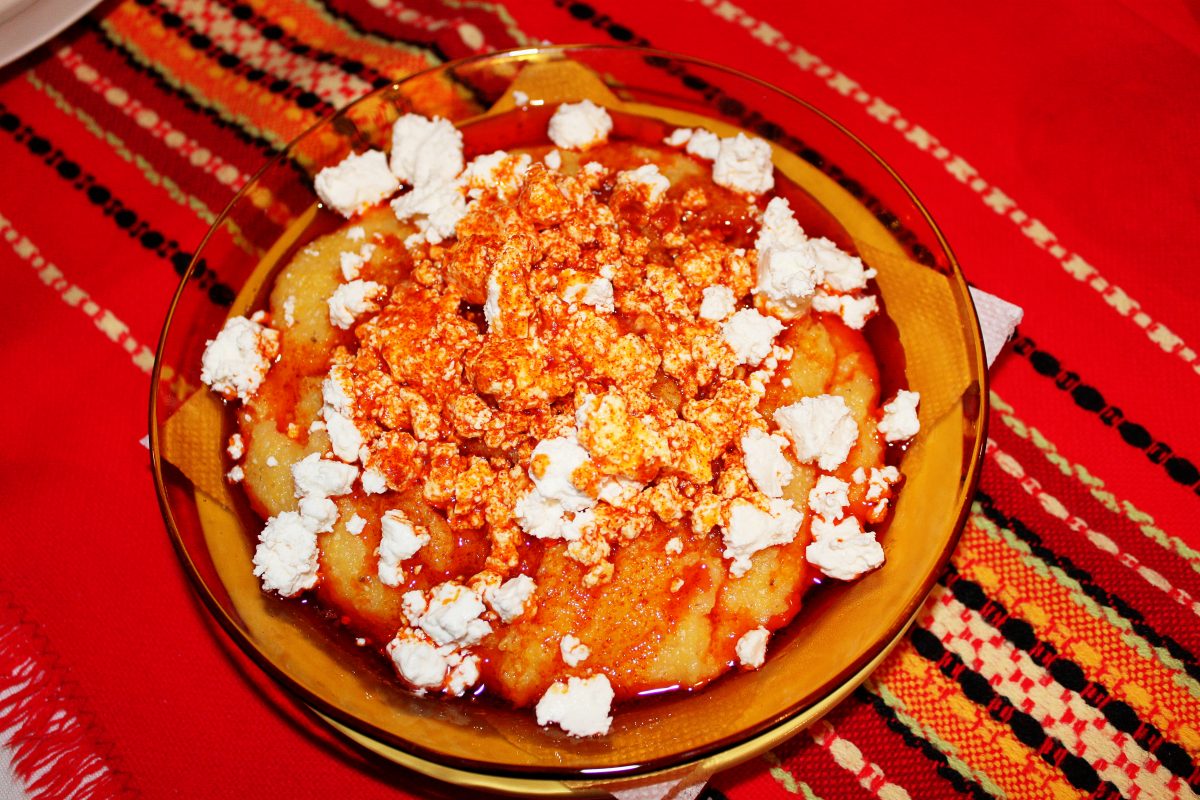
Bulgarian cuisine blends Greek, Turkish, and Serbian influences into a distinct culinary identity shaped by local history and agriculture. Meals rely on fresh, locally sourced ingredients, from garden vegetables and dairy to herbs and meats. Breakfast might feature hearty pastries or yogurt-based dishes, while lunches often start with light soups. Mains lean on grilled or slow-cooked meats, and salads—like the famed shopska—are crisp and tangy. Desserts and traditional beverages, including rakia and boza, round out the experience. For travelers seeking authentic flavors, these dishes are among the best food cities and neighborhoods in food travel offer, but you’ll find them best in family-run taverns and markets rather than tourist spots. The cuisine rewards those who explore beyond the obvious, revealing regional variations and seasonal specialties.
Nicaraguan Cuisine You Need To Taste
Nicaraguan cuisine blends indigenous, Spanish, and Creole traditions into a rich, distinctive flavor profile. Start with gallo pinto, a savory mix of rice and beans commonly served with eggs for breakfast. For something lighter, try vigaron, a refreshing plate of yucca, pork rinds, and cabbage salad. Then there are nacatamales, the Nicaraguan take on tamales—seasoned pork, rice, and vegetables wrapped in banana leaves and steamed. Each bite reflects the country’s layered culinary history. These dishes are more than meals; they’re everyday staples you’ll find in homes and local eateries, offering a genuine taste of the country’s heritage.
Where To Eat Seafood In Carnivorous Paraguay
Paraguay may be a carnivore’s haven, but its rivers and lakes quietly supply a fresh seafood counter worth exploring. While grilled meats dominate the grill, local kitchens turn out dishes like surubí (a mild river fish) and pacú, often breaded or baked with citrus. Head to riverside markets in Asunción or small family-run spots along the Paraguay River for the day’s catch, simply seasoned and served with mandioca. These are the hidden gems culinary in food travel—unpretentious, local, and tied to the water. For a true taste, ask for a fish stew called pira caldo, a hearty classic that proves Paraguay’s waters deserve a place beside its famous beef.
Guatemalan Cuisine
Guatemalan cuisine blends Mayan, Spanish, and African influences into a distinct Central American table. Try Pepian, a traditional stew of chicken, beef, or pork simmered in a spicy, aromatic sauce. Equally iconic is Kak’ik, a hearty turkey soup layered with herbs and spices. For street food, Pupusas deliver thick corn tortillas stuffed with cheese, beans, or meat. These dishes anchor a broader culinary landscape—one that rewards those seeking hidden gems culinary in food travel across the region. Whether you’re navigating a local market or a family-run comedor, the depth of chiles, toasted seeds, and fresh herbs defines every bite. Don’t skip the tamales wrapped in maxan leaves, either—they’re a staple worth seeking out alongside the classics.
Is Coffee Made Entirely Without Coffee Beans Still Coffee? Discuss
The rich aroma, the bold flavor, the energizing effect—coffee has become a beloved beverage enjoyed by millions around the world. But what if I were to tell you that there is a growing trend of making coffee without coffee beans? Coffee alternatives that claim to mimic the taste and experience of traditional coffee are gaining popularity among health-conscious individuals, curious gourmets, and even avid coffee lovers. This leads us to an intriguing question: is coffee made entirely without coffee beans still considered coffee?
Colombian Cuisine You Must Taste
Colombian cuisine is a vibrant mix of flavors, textures, and traditions. From the bustling streets of Bogotá to the coastal towns of Cartagena, each region offers its own unique dishes. Bite into a crispy arepa or savor a hearty bandeja paisa—these dishes taste incredible while telling stories of Colombia’s rich history and culture. For travelers seeking the best food cities and neighborhoods in food travel, Colombia’s local markets and street stalls are unmissable. Whether you’re exploring highland fare or coastal seafood, every meal reveals a new layer of tradition. Ready to dive into the world of Colombian cuisine? Start with the classics, then let each region surprise you with its own twist on beloved recipes.
Eating Peru In One Sandwich
Peruvian cuisine is renowned worldwide for its vibrant flavors and unique blend of indigenous and international influences. From coastal ceviche to hearty Andean mountain dishes, Peru’s culinary range is vast. But one dish perfectly captures this diversity: the sandwich. A traditional Peruvian sandwich is no ordinary lunch—it’s an explosion of flavors and textures, a gastronomic journey in every bite. What sets it apart is the use of local ingredients, time-honored cooking techniques, and the deep influence of the many cultures that have settled in Peru over centuries. Each layer tells a story of migration and tradition, making this sandwich a true taste of the country’s culinary soul.
More about Latin American Culinary Secrets
- 10 Hidden Gem Restaurants In Sorrento You Need To Try
- Hot Pot Tips: How To Eat Hot Pot Like A Pro
- 10 Must-Try Restaurants In Santiago De Compostela That Will Surprise You
- 10 Must-Try Restaurants In Oakland, Pittsburgh That Will Surprise You
- Top 15 Must-Try Restaurants in Roswell, New Mexico
- 10 Must-Try Restaurants In Alberobello That Will Surprise You
- 10 Must-Try Halal Restaurants In Kuching That Will Surprise You
- Hidden Courtyard Restaurants In New Orleans' French Quarter
- Hidden Gems: 10 Must-Try Indian Restaurants In Brickfields, Kuala Lumpur
- Hidden Culinary Gems: 10 Must-Try Restaurants In Göreme, Turkey
- Hidden Culinary Gems: Top 10 Restaurants In El Calafate, Argentina
- Hidden Culinary Gems: 10 Must-Try Restaurants In Old Town, Warsaw
- Hidden Gems: 11 Top Local Eateries In Dublin, Ohio
- How To Eat Safely In Mexico: The Secret To Avoiding Traveler’s Tummy
- Leamington Spa's Hidden Culinary Gems: Top Ten Restaurants Revealed
- Hidden Gems: Top 10 Bars In Colaba, Mumbai You Need To Visit
- 15 Best Restaurants In Nairobi: A Local Kenyan's Foodie Guide
- Les Grands Buffets: The Best All-You-Can-Eat Buffet Experience
- Authentic Hawaiian Food You Need To Try
- 15 Best Restaurants In Bourton On The Water (Top Places To Eat)
- Hidden Culinary Gems: 10 Must-Try Sri Lankan Restaurants In Colombo
- Where To Eat Exotic Meats In Denver, Colorado
- Hidden Gems In Edinburgh For Battered Mars Bars Lovers
- Hidden Gems: Tapas Bars In Barcelona's Gothic Quarter You Must Try
- 10 Must-Try Restaurants In Zaragoza That Will Surprise You
- 10 Must-Try Restaurants In Gillette Wyoming That Will Surprise You
- Secret Spots: Best Bars In Boston's North End
- Batanes Food: What & Where To Eat For The Best Ivatan Cuisine
- Taste The Hungarian Street Food Classic Lángos And Find The Best Spots In Budapest
- Indonesian Food
- 10 Must-Try Restaurants In Hobbs That Will Surprise You
- Bismarck's Hidden Culinary Gems: Top 10 Must-Try Restaurants
- Hidden Gems: All-You-Can-Eat Buffets In Queens, NYC You Need To Try
- Hidden Culinary Gems Of Bilbao Spain's Best Local Restaurants Revealed
- Where To Find The Best Food In Krakow, Poland
- Top 20 New Zealand Food You Must Try Before You Die
- Breakfast Like A King, Lunch Like A Prince, Eat Dinner Like A Beggar
- Hidden Gems: The Best Organic Food Stores In LA You Haven't Heard Of
- 10 Must-Try Restaurants In Lusaka That Will Surprise You
- Traditional Foods To Try In Morocco
