

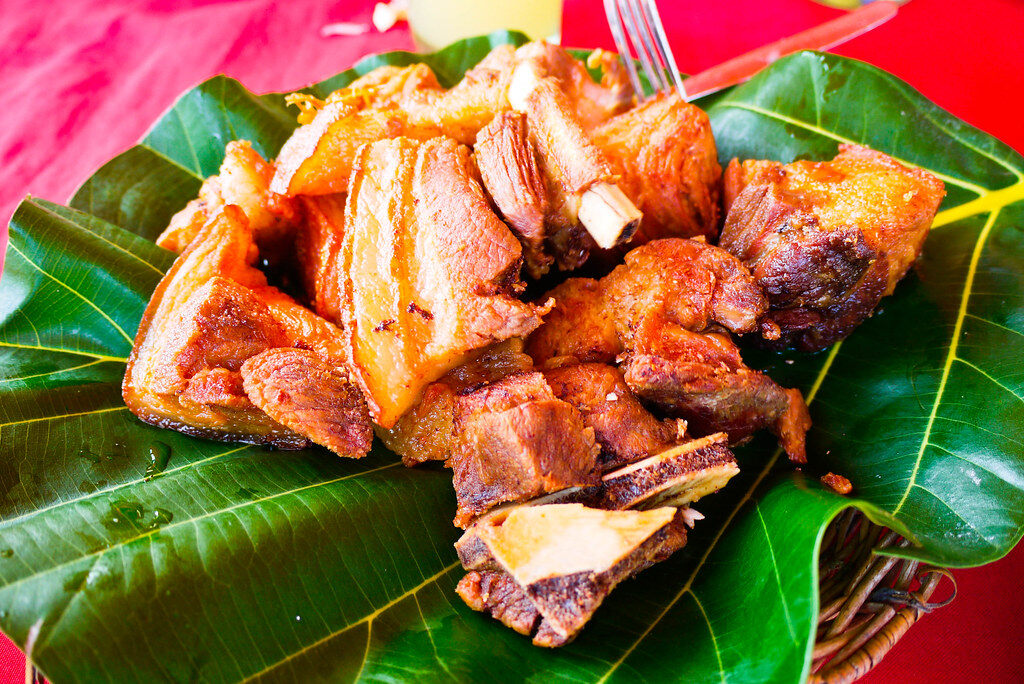
The best Ivatan food in Batanes is found in simple, family-run eateries and local markets, where dishes like uved, lunis, and dibang showcase the island’s fresh seafood and root crops. The caveat is that many of these traditional flavors—such as the rich, spiced pork of Vunong Dinardaraan or the earthy sweetness of ube halaya—rely on preservation techniques and minimal seasoning, so expect straightforward, ingredient-driven meals rather than elaborate presentations.
Ivatan Cuisine: A Unique Taste of Batanes
When it comes to food, Batanes offers a culinary experience unlike anywhere else in the Philippines. Ivatan cuisine, influenced by the province's geography and history, focuses on simplicity and fresh, locally sourced ingredients. The Ivatans have perfected food preservation, making the most of abundant harvests to sustain themselves during long periods of isolation caused by unpredictable weather.
Seafood takes center stage, thanks to the province's proximity to the Pacific Ocean. From lobsters and crabs to flying fish and various locally caught fish, the seafood is as fresh as it gets. The Ivatans use unique cooking techniques, often grilling or steaming with minimal seasoning to bring out natural flavors.
Another staple is root crops and vegetables like taro, sweet potatoes, and yam. These nutrient-rich ingredients come from the island's fertile soil and appear in stews, soups, and even desserts. Herbs and spices—garlic, ginger, onion, turmeric, and lemongrass—add depth and complexity to dishes.
As you explore Batanes, you'll encounter traditional Ivatan dishes beloved by locals and visitors alike:
1. Vunong Dinardaraan (Pork Dinardaraan)
A classic Ivatan dish, Vunong Dinardaraan is a flavorful pork dish made with pig's blood, vinegar, onion, garlic, and various spices. The sauce is thick and rich, and the tender pork pieces are infused with the spices, creating a delicious and satisfying dish.
2. Inihaw na Mahi-Mahi (Grilled Mahi-Mahi)
Freshly caught mahi-mahi is marinated with a blend of spices and grilled to perfection. The result is a succulent and flavorful piece of fish that showcases the natural taste of the sea.
3. Turmeric Rice
A vibrant and aromatic side dish, turmeric rice is made by cooking rice with turmeric, giving it a bright yellow color and a subtle earthy flavor. It pairs well with various Ivatan dishes and adds a pop of color to the plate.
4. Uved
Batanes is known for its succulent and sweet lobsters, and Uved is a must-try dish made from grated banana pith, often formed into meatball-like patties.
5. Ube Halaya
No Ivatan meal is complete without a sweet ending, and Ube Halaya fits the bill perfectly. Made from purple yam, coconut milk, and sugar, this rich and creamy dessert is a delightful treat for those with a sweet tooth.
These are just a few examples of the delicious dishes that await you in Batanes. Each bite will transport you to a world of flavors and reveal the culinary treasures of this unique province.
Traditional Ivatan Dishes
Exploring traditional Ivatan dishes is a fantastic way to experience the authentic flavors and cultural heritage of Batanes. These dishes have been passed down through generations, reflecting the resourcefulness and resilience of the Ivatan people. Here are some of the traditional Ivatan dishes you must try:
1. Vunong Dinardaraan (Pork Dinardaraan)
Vunong Dinardaraan is a hearty and savory dish that showcases the creativity of Ivatan cuisine. This pork dish is made by combining tender pork pieces with pig's blood, vinegar, onions, garlic, and a blend of spices. The result is a thick and rich sauce that complements the tender pork, creating a dish that is bursting with flavor.
2. Inihaw na Mahi-Mahi (Grilled Mahi-Mahi)
Freshly caught mahi-mahi is a popular seafood choice in Batanes, and the Ivatans know how to make the most of it. Inihaw na Mahi-Mahi involves marinating the fish with a blend of spices and grilling it to perfection.
3. Turmeric Rice
Turmeric rice is a vibrant and aromatic side dish that is a staple in Ivatan cuisine. The rice is cooked together with turmeric, which gives it a beautiful golden yellow hue and a subtle earthy flavor.
4. Uved
5. Ube Halaya
For those with a sweet tooth, Ube Halaya is a traditional Ivatan dessert that is not to be missed. Ube Halaya is a delightful treat that encapsulates the unique flavors of Batanes.
By trying these traditional Ivatan dishes, you will not only satisfy your taste buds, but also gain a deeper appreciation for the cultural heritage and culinary traditions of Batanes. Each dish tells a story, encapsulating the resilience and resourcefulness of the Ivatan people, and allowing you to explore the unique flavors of this remarkable province.
Vunong Dinardaraan (Pork Dinardaraan)
Vunong Dinardaraan is a classic Ivatan dish that showcases the creativity and flavor complexity of Ivatan cuisine. The result is a thick and rich sauce that coats the pork, infusing it with an incredible depth of flavor.
The dish gets its name from the Ivatan word "vunong," which means "brown" in English. This refers to the dark and rich color of the sauce, achieved by incorporating pig's blood. While some may find the use of blood off-putting, it is a traditional method of adding a unique richness to the dish.
The key to a delicious Vunong Dinardaraan lies in the slow-cooking process. The pork is simmered for several hours until it becomes tender and absorbs the flavors of the sauce. As it cooks, the natural sweetness of the pork melds with the tanginess of the vinegar and the earthiness of the spices. This gradual infusion of flavors creates a harmonious balance that is characteristic of Ivatan cuisine.
Typically served with steamed rice, Vunong Dinardaraan is a hearty and satisfying dish that warms both the body and the soul. The thick sauce clings to each tender piece of pork, delivering a burst of flavor with every bite. The combination of savory, tangy, and slightly sweet notes makes this dish incredibly addictive.
The use of local ingredients is another highlight of Vunong Dinardaraan. The Ivatans take pride in sourcing fresh ingredients from their surroundings. The pork, locally raised on the island, is known for its quality and tenderness. The onions and garlic add depth and aroma, while the vinegar balances the richness of the pork and adds a subtle tanginess.
To fully appreciate the flavors of Vunong Dinardaraan, it is best enjoyed in one of the local eateries in Batanes. The rustic ambiance, along with the warm hospitality of the Ivatan people, adds an extra layer of authenticity to the dining experience.
When you visit Batanes, don't miss the opportunity to savor a bowl of Vunong Dinardaraan. It is a testament to the culinary heritage of the Ivatan people and a true embodiment of the unique flavors of Batanes.
Inihaw na Mahi-Mahi (Grilled Mahi-Mahi)
When it comes to fresh and delicious seafood, Batanes is a paradise for seafood lovers. One dish that showcases the natural flavors of the sea is Inihaw na Mahi-Mahi, a grilled mahi-mahi dish that is a favorite among both locals and visitors.
Mahi-mahi, also known as dorado or dolphinfish, is a popular fish found in the waters surrounding Batanes. The firm, yet tender, white flesh of mahi-mahi makes it ideal for grilling, allowing it to retain its moisture while developing a flavorful char.
To prepare Inihaw na Mahi-Mahi, the fresh fish is marinated with a blend of spices, which may include garlic, ginger, soy sauce, calamansi juice, and various local herbs. The marinated fish is then grilled over an open flame, infusing it with a subtle smoky flavor.
The grilling process brings out the natural sweetness and delicate taste of the mahi-mahi, resulting in succulent and flaky flesh. The exterior of the fish develops a beautiful golden-brown color, adding to its visual appeal.
The simplicity of the dish allows the flavors of the fish to take center stage. The natural sweetness of the mahi-mahi shines through, complemented by the savory notes of the marinade. Each bite provides a burst of freshness with a hint of smokiness, creating a delightful sensory experience.
Inihaw na Mahi-Mahi is often served with a side of steamed rice and a dipping sauce made from calamansi juice, soy sauce, and chili peppers. This tangy and slightly spicy sauce adds a zing to the dish, enhancing the overall flavor profile. A squeeze of fresh calamansi juice over the grilled fish adds an extra layer of brightness.
When enjoying Inihaw na Mahi-Mahi, you can feel the connection between the local cuisine and the bountiful sea. The combination of the fresh catch and the skillful grilling technique results in a dish that highlights the natural beauty of Batanes.
To truly savor this delectable dish, head to one of the local eateries in Batanes that specialize in seafood. There, you can indulge in Inihaw na Mahi-Mahi while taking in the stunning views of the ocean and the refreshing sea breeze.
If you have a love for seafood and want to experience the exquisite flavors of Batanes, make sure to try the Inihaw na Mahi-Mahi. It is a culinary delight that encapsulates the freshness and simplicity of the Ivatan cuisine, leaving you with a memorable dining experience in this picturesque province.
Turmeric Rice
It adds a pop of color and a subtle earthy flavor to any meal. This golden-yellow rice is not only visually appealing but also a nutritious addition to the dining table.
The key ingredient is turmeric, a bright yellow spice derived from the root of the turmeric plant, known for its anti-inflammatory properties and distinct flavor. In Ivatan cuisine, turmeric rice is prepared by cooking rice with powdered turmeric, resulting in a fragrant dish.
The earthy and slightly bitter taste of turmeric adds depth to the rice, making it a perfect accompaniment to various Ivatan dishes. The rice itself remains fluffy and light, with the bonus of a beautiful yellow hue.
Turmeric rice is versatile: it can be paired with grilled meats, seafood, stews, or enjoyed on its own. The subtle flavor of the turmeric enhances the overall dining experience, tying the different elements of the meal together. Turmeric is also known for its anti-inflammatory and antioxidant properties, promoting overall well-being.
When visiting Batanes, sample turmeric rice at local eateries and restaurants, where it is often featured as a side dish or as part of a complete meal. The combination of the yellow color and aromatic flavors will transport you to the unique culinary world of Batanes. For travelers exploring the region's food scene, this dish is one of the must-try Asian dishes in food travel.
Add a burst of color and flavor to your dining experience in Batanes with a serving of turmeric rice. It serves as a testament to the creative and nutritious elements of Ivatan cuisine, creating a memorable dining experience for all who try it.
Uved
This local delicacy offers a distinct flavor and tender texture, making it a must-try for food enthusiasts.
Uved, also known as "Uvud" or "Tabtab," is a traditional Ivatan dish that showcases the resourcefulness of local cuisine. The grated banana pith is typically mixed with spices and formed into patties before being cooked.
When it comes to preparation, Uved is usually cooked using traditional methods to bring out its natural flavors. The most common method is grilling, which allows the patties to retain their moisture while developing a lightly charred exterior.
As you savor Uved, you'll immediately be struck by its delicate taste. The texture is enhanced by the gentle smokiness from the grilling process. The flavor is so distinct that it can be savored on its own, but for an extra touch of richness, it can be enjoyed with a side of garlic butter or a tangy lime sauce.
To experience the freshest Uved in Batanes, head to one of the local eateries or seafood restaurants. Here, you can indulge in this local delicacy while enjoying the picturesque coastal views of the province.
Whether you're a food connoisseur or simply looking to treat yourself to a special meal, Uved in Batanes is an experience not to be missed. The combination of its tender texture, along with the breathtaking surroundings, will create a dining experience that you'll remember long after your visit to Batanes.
Ube Halaya
No culinary journey in Batanes is complete without indulging in the delightful Ube Halaya. This traditional Ivatan dessert showcases one of the most beloved and vibrant ingredients in Filipino cuisine—the purple yam, locally known as "ube."
Ube Halaya is a rich and creamy dessert made from boiled and mashed purple yam, coconut milk, sugar, and occasionally butter. The purple yam gives the dish its signature vibrant purple color, making it visually captivating.
The process starts with boiling the purple yam until soft and tender. The cooked yam is then mashed into a smooth consistency. Coconut milk is added and cooked together with the mashed yam, allowing the flavors to meld and creating a lusciously creamy texture.
The combination of the natural sweetness of the yam, the richness of the coconut milk, and the subtle hint of butter results in a dessert that is both indulgent and comforting. Ube Halaya has a unique flavor profile with hints of earthiness, sweetness, and nuttiness.
In Ivatan culture, Ube Halaya holds a special place. It is often served during festive occasions, celebrations, and family gatherings. Its vibrant purple color is associated with joy and merriment, adding a touch of festivity to any gathering.
Ube Halaya can be enjoyed on its own as a sweet finale to a meal, or used as a topping or filling for pastries, cakes, and desserts. It pairs exceptionally well with leche flan, coconut ice cream, or as a spread on warm pandesal.
When visiting Batanes, try Ube Halaya in local pastry shops or dessert stalls. The dessert is often lovingly homemade, preserving traditional methods and flavors passed down through generations.
Indulging in Ube Halaya is not just a gastronomic experience, but also a celebration of Ivatan culture and the unique flavors of Batanes. Be sure to treat yourself to a spoonful during your visit.
Must-Try Ivatan Delicacies
Exploring the culinary landscape of Batanes offers a variety of must-try Ivatan delicacies that highlight the unique flavors and cultural heritage of the province. Here are some of the dishes you shouldn't miss:
1. Tatus (Coconut Crab)
Tatus, also known as "Coconut Crab," is a prized delicacy in Batanes. These impressive crustaceans are often as large as dinner plates and are known for their sweet and succulent meat. The crabs are typically cooked in various ways, such as steamed or grilled, allowing the natural flavors to shine through.
2. Dibang (Flying Fish)
Dibang, or Flying Fish, is a staple in Ivatan cuisine. Batanes is known for its abundance of flying fish, which are skillfully caught by local fishermen. The fish is typically prepared by marinating it in a tangy sauce and then either grilling or frying it. The tender meat and delicate flavor make Dibang a must-try Ivatan delicacy.
3. Vunong Dinuguan (Pork Blood Stew)
Vunong Dinuguan, or Pork Blood Stew, is a unique dish that showcases the creativity of Ivatan cuisine. It is made by combining pork meat and offal with pig's blood, vinegar, and a variety of spices. The result is a rich and flavorful stew that exemplifies the Ivatan's resourcefulness in utilizing every part of the pig.
4. Ivasuc (Ivatan-style Vinegar)
Ivasuc, the traditional Ivatan-style vinegar, is a ubiquitous condiment in Batanes cuisine. Made from fermented sugarcane juice, it has a distinct tangy and slightly sweet flavor. Ivasuc is used as a dipping sauce, marinade, or even as a flavor enhancer in various dishes. Its unique taste complements the bold flavors of Ivatan cuisine, adding a delightful punch to every bite.
These are just a few examples of the must-try Ivatan delicacies that await you in Batanes. Each dish carries the flavors and stories of the local culture, giving you a deeper appreciation for the culinary heritage of the province. Whether you're a seafood lover, a fan of hearty stews, or simply someone curious to explore new flavors, Batanes has a wide array of delicacies to satisfy your taste buds and leave you with unforgettable culinary experiences. For travelers seeking hidden gems culinary in food travel, Batanes offers a truly unique destination.
Tatus (Coconut Crab)
Tatus, also known as Coconut Crab, is a highly prized delicacy in Batanes and a must-try for seafood enthusiasts. These impressive crustaceans are renowned for their large size, reaching up to one meter in leg span, and their delectable sweet and tender meat.
The name "Coconut Crab" comes from their ability to climb coconut trees and crack open coconuts with their powerful claws. Found in coastal areas, Tatus is famous for its succulent flesh, often likened to a combination of crab and lobster.
When it comes to preparation, Tatus can be cooked in various ways. Grilling or steaming are popular methods, as they retain the delicate taste and texture of the meat.
The flesh is incredibly sweet and has a slightly firm, yet tender, consistency. It pairs perfectly with a variety of dips, such as a tangy calamansi sauce or a garlic butter dip.
The harvesting of Tatus is carefully regulated to ensure sustainability. Local fishermen use traditional techniques to catch them, ensuring the preservation of this marine resource for future generations.
When visiting Batanes, make sure to try Tatus at one of the local seafood restaurants or eateries. The dish is often served as a highlight of Ivatan cuisine, and the combination of its unique taste and impressive size will leave a lasting impression. As you enjoy Tatus, take a moment to appreciate the harmony between the flavors and the natural surroundings of Batanes. The experience is not just a culinary delight, but also an opportunity to connect with the cultural heritage and the bountiful coastal resources of this remarkable province.
When it comes to indulging in the finest seafood, Tatus is a must-try delicacy in Batanes. Its exceptional taste, impressive size, and cultural significance make it an unforgettable dining experience that showcases the unique flavors of this remarkable province.
Dibang (Flying Fish)
Dibang, or Flying Fish, is a beloved and iconic delicacy in Batanes. The province is famous for its abundance of flying fish, making it a prime destination for experiencing this unique seafood.
What sets flying fish apart is their ability to leap out of the water and glide for a remarkable distance using their wing-like pectoral fins. This impressive characteristic contributes to the fish's distinct taste and texture.
In Ivatan cuisine, Dibang is prepared in various ways, with grilling and frying being the most popular. The fish is typically marinated in a tangy sauce made from calamansi juice, soy sauce, garlic, and local spices, enhancing its natural flavors.
When cooked, the flesh of Dibang is tender, flaky, and delicate, with a mild yet distinctive flavor. Each bite reveals a combination of sweet and savory notes that make it a favorite among locals and visitors alike.
Aside from its taste, Dibang is celebrated for its cultural significance. In Ivatan folklore, catching a flying fish is seen as a sign of good luck and abundance. The fish is often featured in traditional celebrations, deepening its connection to the cultural heritage of Batanes.
To fully appreciate Dibang, it is best enjoyed fresh from the waters of Batanes. Local fishermen take pride in sustainable fishing practices, ensuring the delicate balance of the marine ecosystem while providing the freshest catch. When visiting Batanes, make it a point to taste Dibang at local seafood restaurants or eateries. The flavors and cultural significance of this flying fish will leave you with a truly unforgettable gastronomic experience.
Exploring the flavors of Dibang is not just about indulging in exquisite seafood, but also a chance to immerse yourself in the rich cultural heritage and natural bounty of Batanes.
Vunung Dinuguan (Pork Blood Stew)
Vunung Dinuguan, also known as Pork Blood Stew, is a unique and flavorful dish deeply rooted in Ivatan cuisine. It showcases the Ivatans' resourcefulness in utilizing every part of the pig and transforming humble ingredients into a hearty stew.
This stew combines pork meat, offal, vinegar, garlic, and a blend of spices, cooked until the flavors meld into a rich, savory broth. The addition of pig's blood gives the stew its characteristic dark color and distinctive depth of flavor. Despite the use of blood, the dish offers rich, complex flavors with hints of vinegar, garlic, and the natural sweetness of the pork.
Vunung Dinuguan is traditionally served with steamed rice, which helps balance the richness of the stew. It's enjoyed as a main course during special occasions, family gatherings, and feasts, highlighting its significance in Ivatan culture. The dish reflects the Ivatans' ingenuity in making the most of available resources, ensuring no part of the pig goes to waste.
To fully appreciate Vunung Dinuguan, try it at a local eatery or restaurant in Batanes. The Ivatan people take pride in their culinary traditions, and their skillful preparation and authentic flavors offer a distinctive experience.
Vunung Dinuguan serves as a symbol of Ivatan cuisine and the cultural heritage of Batanes. It offers a flavor experience that is both unique and satisfying, giving you a glimpse into the creativity of the local people. When you visit Batanes, be sure to try Vunung Dinuguan — a dish that encapsulates the culinary heritage and rich flavors that make Ivatan cuisine truly exceptional.
Ivasuc (Ivatan-style Vinegar)
A staple in Ivatan cuisine, Ivasuc is the traditional Ivatan-style vinegar made from fermented sugarcane juice. It adds a tangy and flavorful kick to various dishes and plays an integral role in the culinary heritage of Batanes.
Ivasuc is known for its distinctively tangy taste with slightly sweet undertones. The fermentation process gives it a characteristic flavor profile that sets it apart from other vinegars. It provides a delightful acidity that balances flavors and enhances the dining experience.
In Ivatan cuisine, Ivasuc serves as a versatile condiment, dip, marinade, or flavor enhancer. It pairs exceptionally well with seafood, grilled meats, and vegetables, cutting through richness and adding a vibrant tang. The sugarcane used in making Ivasuc is sourced locally, ensuring authenticity and supporting the agricultural traditions of the province.
When enjoying Ivatan cuisine, you may come across dishes that specifically call for Ivasuc. One example is the Ivatan-style kilawin, where Ivasuc acts as the acidic component in the marinade for seafood or meat.
To truly appreciate the flavors of Ivasuc, taste it at a local eatery or restaurant in Batanes. You can also find it in some markets or souvenir shops, allowing you to bring a taste of Ivatan cuisine home with you.
Experiencing Ivasuc is not just about savoring its unique taste but also understanding the cultural significance it holds in the culinary traditions of Batanes. Its presence in Ivatan cuisine reflects the resourcefulness and passion the Ivatan people have towards their local ingredients.
When you have the opportunity to try Ivatan dishes, make sure to taste the tangy Ivasuc. It's a condiment that adds an extra special touch to the flavors of Batanes, revealing the depth of Ivatan cuisine.
Where to Eat in Batanes
Exploring the culinary delights of Batanes is an essential part of your visit to this remarkable province. From traditional Ivatan dishes to seafood delicacies, Batanes offers a range of dining options. Here are some recommended places to eat:
1. Fundacion Pacita Nature Lodge
Nestled atop a hill with panoramic views, Fundacion Pacita Nature Lodge offers a culinary experience. Their on-site restaurant serves a variety of Ivatan and international dishes, using fresh locally sourced ingredients. Enjoy your meal while taking in the breathtaking vistas of Batanes.
2. Casa Napoli
If you're in the mood for Italian cuisine with an Ivatan twist, Casa Napoli is the place to be. Located in Basco, this cozy restaurant offers a menu that combines traditional Italian flavors with locally sourced ingredients. Indulge in wood-fired pizzas, pasta dishes, and refreshing salads.
3. Marconines Canteen
For an authentic taste of Ivatan cuisine, head to Marconines Canteen in Basco. This humble local eatery offers a variety of Ivatan delicacies, including Dibang (Flying Fish) and Uved, a meatball-like dish made from grated banana pith. The homestyle cooking and warm hospitality make it a popular spot among locals and tourists alike.
4. Pension Ivatan Hometel and Restaurant
Pension Ivatan Hometel and Restaurant not only provides comfortable accommodation but also serves delicious Ivatan dishes. Sample their specialties, such as turmeric rice, a vibrant and aromatic side dish, and Tatus (Coconut Crab). The restaurant's cozy ambiance and attentive service enhance the dining experience.
5. Shanedel's Inn and Cafe
For a cozy and casual dining spot, Shanedel's Inn and Cafe is a great choice. Their menu offers a mix of local and international fare, with dishes like Inihaw na Mahi-Mahi (Grilled Mahi-Mahi) and Ube Halaya. Enjoy your meal in a relaxed atmosphere while sipping on a cup of Ivatan coffee.
When exploring Batanes, venture beyond traditional eateries to local food stalls and markets. These offer the opportunity to sample street food, fresh fruits, and homemade treats that add authenticity to your culinary journey. For those seeking a broader perspective on regional flavors, exploring the best food cities and neighborhoods in food travel can provide context for Batanes' unique place in Philippine cuisine. Wherever you choose to dine, you'll be treated to a blend of unique flavors and warm Ivatan hospitality.
Fundacion Pacita Nature Lodge
Located atop a hill with panoramic views of the landscapes surrounding Basco, Fundacion Pacita Nature Lodge offers a culinary journey through the flavors of Batanes. The on-site restaurant serves as a destination for food enthusiasts seeking a memorable dining experience.
The menu highlights a fusion of Ivatan and international cuisines, incorporating fresh ingredients sourced locally. From seafood to hearty stews and vibrant salads, each dish showcases the unique flavors of Batanes.
Indulge in Ivatan specialties like Vunong Dinardaraan (Pork Dinardaraan), where each bite unveils a symphony of flavors—the richness of pork, tanginess of vinegar, and aromatic blend of spices. For seafood enthusiasts, the Uved, a must-try dish made from grated banana pith formed into meatball-like patties, showcases local ingredients.
The picturesque setting adds to the dining experience. While savoring your meal, enjoy views of rolling hills, rugged cliffs, and the vast Pacific Ocean. The combination of food and natural surroundings creates an unforgettable experience.
Whether a guest or visitor, Fundacion Pacita welcomes you with warm Ivatan hospitality. The staff fosters an attentive environment, ensuring your dining experience is exceptional.
For those seeking a deeper connection, Fundacion Pacita offers cooking classes where you can learn to prepare traditional Ivatan dishes. This hands-on experience provides insights into techniques, ingredients, and cultural significance of Ivatan cuisine.
When in Batanes, a visit to Fundacion Pacita Nature Lodge is a must for food enthusiasts and nature lovers. Indulge in the flavors of Batanes while enjoying the breathtaking surroundings, and let the culinary journey transport you to a world of flavors and beauty.
Casa Napoli
If you're craving a taste of Italy with an Ivatan twist during your visit to Batanes, Casa Napoli is a must-visit restaurant in Basco. This cozy establishment blends traditional Italian flavors with locally sourced ingredients, resulting in a unique dining experience.
Casa Napoli prides itself on its wood-fired oven, which imparts an authentic touch to their artisanal pizzas. Whether you prefer classic Margherita or more creative toppings, like Vunong Adobo (Pork Adobo) or Dibang (Flying Fish), each bite offers a burst of flavors.
Not limited to just pizzas, Casa Napoli's menu also features pasta dishes with Ivatan influences. Indulge in creamy carbonara, rich tomato-based sauces, or seafood delights, all prepared with local flair.
Alongside their Italian offerings, Casa Napoli provides vegetarian options, from salads to homemade desserts like tiramisu or gelato, catering to diverse palates.
The ambiance is warm and inviting, with an intimate atmosphere that encourages relaxation. The attentive staff makes you feel welcome from the moment you step in.
While you savor your meal, take advantage of their outdoor seating area, where you can enjoy the cool breeze and stunning views of the surrounding landscape. The combination of great food and scenery creates a memorable dining experience.
When in Batanes, make sure to visit Casa Napoli if you're in the mood for a fusion of Italian and Ivatan flavors. The commitment to quality ingredients, traditional cooking methods, and fantastic hospitality make Casa Napoli a standout dining destination in Basco.
Indulge in the mouthwatering pizzas, savor the perfectly al dente pasta, and treat yourself to a culinary voyage that merges timeless Italian cuisine with the unique flavors of Batanes at Casa Napoli.
Marconines Canteen
For an authentic taste of Ivatan cuisine, Marconines Canteen in Basco is a must-visit. This humble canteen offers homestyle cooking and warm hospitality, with enticing aromas greeting you as you enter.
The menu features iconic Ivatan dishes that highlight the province’s culinary heritage. Options include Vunong Dinardaraan (Pork Dinardaraan) – a savory pork stew made with pig's blood, vinegar, onion, garlic, and spices – and Dibang (Flying Fish), a local staple. Each dish uses fresh, locally sourced ingredients, with robust flavors balancing tanginess, sweetness, and savory richness.
Marconines Canteen attracts both locals and tourists, offering a welcoming, casual atmosphere. The friendly staff often share insights into the dishes, their preparation, and their cultural significance. As you eat, take in the laid-back ambiance that reflects the Ivatan way of life. Pair your meal with kakanin (native rice cake) or Ivatan coffee to fully immerse yourself in local traditions.
Whether you’re a seasoned food lover or curious to explore new tastes, this canteen offers an enriching dining experience that introduces the diverse food culture of Batanes. When in Basco, visit Marconines Canteen to savor the flavors of Batanes and connect with the community that prepares these traditional delicacies. For travelers seeking authentic regional fare, this spot ranks among the hidden gems culinary in food travel, offering a genuine taste of Ivatan heritage.
Pension Ivatan Hometel and Restaurant
Located in the heart of Basco, Pension Ivatan Hometel and Restaurant offers comfortable accommodation and an on-site restaurant that celebrates the flavors of Batanes. The restaurant serves traditional Ivatan dishes in a cozy, welcoming atmosphere.
The menu highlights the unique flavors and cultural heritage of Batanes, with home-cooked meals prepared with care. One standout dish is the turmeric rice, a vibrant and aromatic side dish that adds a subtle earthy essence to every bite.
For a taste of tradition, try the Vunong Dinuguan (Pork Blood Stew) – a thick stew made with pork meat, offal, vinegar, and pig's blood. It showcases the resourcefulness of Ivatan cooking techniques, resulting in a rich and satisfying experience.
Seafood lovers should sample the Tatus (Coconut Crab), a prized Batanes delicacy known for its sweet and succulent meat, typically steamed or grilled to let the natural flavors shine.
The warm and inviting ambiance enhances the dining experience. The friendly staff provide recommendations, ensuring every guest feels at home. While enjoying your meal, soak in the quaint surroundings, with local touches that immerse you in the charm of Batanes.
Pension Ivatan Hometel and Restaurant is more than just a place to eat—it's an opportunity to experience authentic Ivatan cuisine while connecting with the cultural heritage of Batanes. Add it to your list of dining destinations when visiting Basco.
Shanedel's Inn and Cafe
Nestled in the heart of Basco, Shanedel's Inn and Cafe offers both comfortable accommodation and a dining experience popular with locals and tourists.
Its menu blends local and international flavors, giving a unique twist on Ivatan cuisine while staying true to the essence of Batanes.
Start your day with a hearty breakfast of Ivatan-style Longganisa and homemade pandesal (Filipino bread rolls). The cafe uses fresh local ingredients to ensure authentic flavors.
For lunch or dinner, try the Inihaw na Mahi-Mahi (Grilled Mahi-Mahi), cooked to retain its firm yet tender texture, served with steamed rice. Sample their Ube Halaya, a traditional Ivatan dessert made from purple yam that is rich, creamy, and gloriously purple.
The warm, inviting ambiance and friendly staff create a relaxed atmosphere. The decor reflects local culture and heritage, making it an excellent spot to unwind with a book or a cup of Ivatan coffee.
Shanedel's Inn and Cafe is not just a place to eat; it embraces the flavors and hospitality of Batanes. Whether for a quick bite or a leisurely meal, this charming establishment is a wonderful addition to your culinary journey.
When exploring Basco, be sure to stop at Shanedel's Inn and Cafe for its fusion of local and international flavors, warm atmosphere, and attentive service.
Conclusion
Batanes is more than just a destination for breathtaking landscapes and cultural immersion; it is also a paradise for food enthusiasts. The culinary offerings showcase the unique flavors and cultural heritage of the province, creating a memorable dining experience that complements the natural beauty of the region.
From traditional Ivatan dishes like uved, lunis, and vunes that reflect the resourcefulness of the Ivatan people, to seafood delicacies such as dibang that highlight the bounty of the surrounding ocean, Batanes offers a diverse range of flavors. Root crops like wakay (sweet potato), yam, and taro are also staples.
Exploring local eateries allows visitors to taste the distinct flavors of Ivatan cuisine and connect with the rich cultural heritage of Batanes. Whether you dine at Fundacion Pacita Nature Lodge, Casa Napoli, Marconines Canteen, Pension Ivatan Hometel and Restaurant, or Shanedel's Inn and Cafe, each place offers its own culinary experience with warm hospitality and a blend of local and international flavors.
In Batanes, food is a celebration of the region's history, traditions, and sense of community. As you savor each dish, you'll discover the resourcefulness of the Ivatan people, using local ingredients to create flavorful masterpieces that reflect the challenging yet bountiful surroundings.
Whether you're strolling through vibrant markets, enjoying a meal with a panoramic view, or indulging in traditional Ivatan delicacies, Batanes offers a food travel experience as remarkable as the landscapes that surround it. This province provides an extraordinary gastronomic journey that leaves a profound appreciation for the fusion of flavors, cultural heritage, and natural beauty that make Batanes a true culinary and travel destination.
