

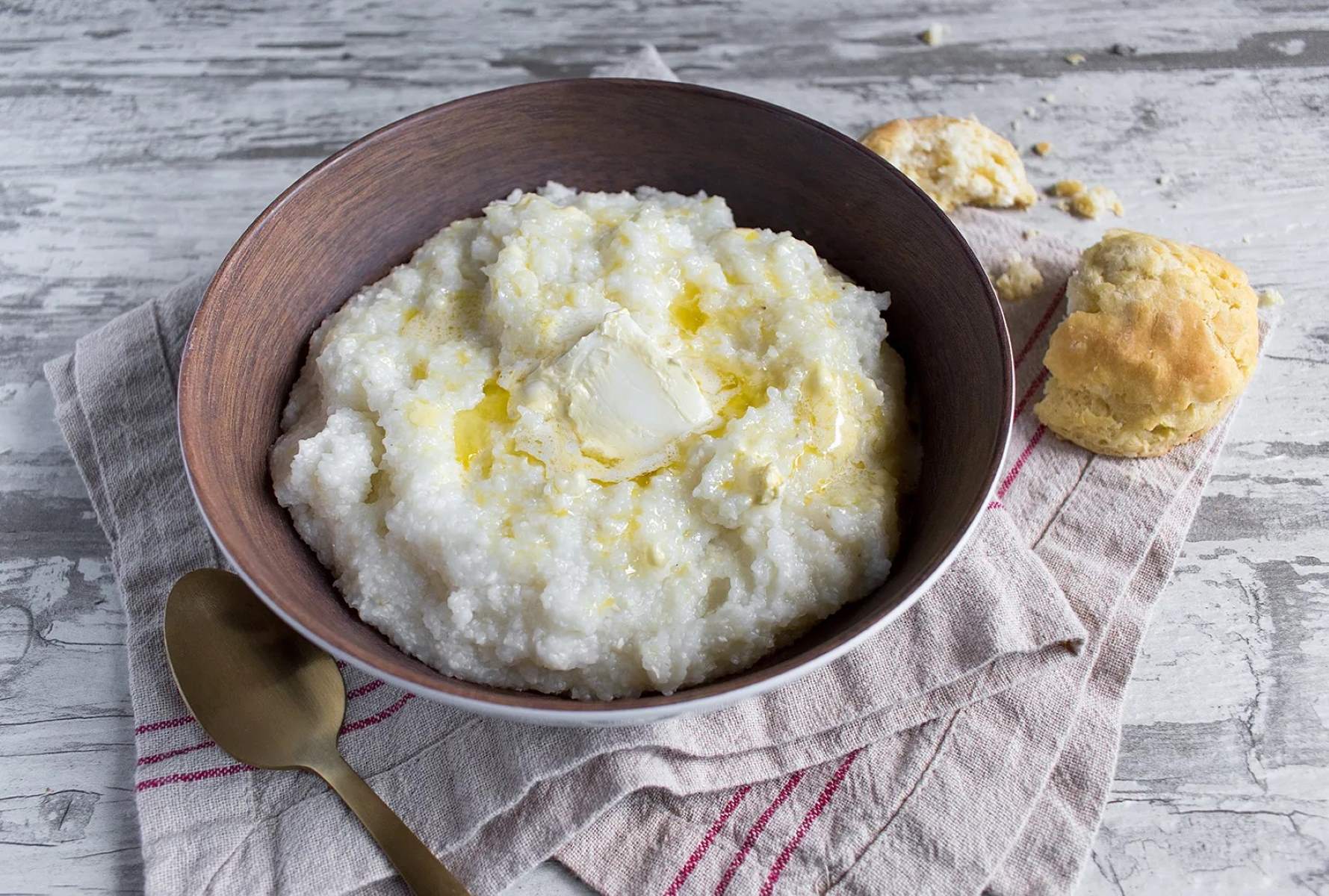
Grits grew out of Indigenous North American maize cooking, were adopted by European settlers, and have since become a beloved comfort food. Made from ground corn, this humble dish has a history that dates back centuries.
The Humble Beginnings of Grits
This simple dish, made from ground corn, has roots that stretch across continents and cultures. Let's explore the surprising origins of grits and how they became a culinary icon.
Native American Influence
Long before European settlers arrived, Native Americans were cultivating and consuming corn. They developed various methods to prepare it, one of which evolved into what we now know as grits.
-
Native American tribes in the Southeast: These tribes ground dried corn into a coarse meal, then boiled it to create a nourishing dish. This early version of grits was part of their diet.
-
Hominy: Native Americans also made hominy, a term from Algonquian languages for dried maize ground by a pestle. Indigenous maize cooking traditions laid the groundwork for modern grits.
European Adaptation
When European settlers arrived in the New World, they quickly adopted corn as a staple crop. They learned from Native Americans how to prepare it, and grits began to evolve.
-
Colonial America: Settlers in the Southern colonies embraced grits as a cheap, filling food. They adapted the Native American methods, creating their own versions of the dish.
-
Grits in the South: Over time, grits became a defining element of Southern cuisine. They were often served with butter, cheese, or gravy, making them a versatile and beloved dish.
Industrialization and Modern Grits
The industrial revolution brought significant changes to food production, including the way grits were made. This period saw the transformation of grits from a homemade staple to a mass-produced product.
-
Milling Innovations: Advances in milling technology allowed for the production of finer, more consistent grits. This made them more accessible to a broader audience.
-
Commercialization: By the 20th century, grits were being produced on a large scale and sold in grocery stores across the country. This helped cement their place in American cuisine.
Grits Today
Today, grits are enjoyed in a variety of ways, from traditional Southern breakfasts to gourmet dishes in upscale restaurants. Their versatility and rich history continue to make them a beloved food. For travelers seeking global breakfast favorites in food travel, grits offer a taste of Southern heritage. Meanwhile, chefs in the best food cities and neighborhoods in food travel are putting their own spin on this classic.
-
Regional Variations: Different regions have their own unique takes on grits. For example, shrimp and grits is a popular dish in the Lowcountry of South Carolina and Georgia.
-
Modern Twists: Chefs around the world are putting their own spin on grits, incorporating them into innovative recipes that push the boundaries of traditional cuisine.
The Legacy of Grits
Grits have a rich history that spans centuries and cultures. Originally a Native American staple, they evolved through European influence and became a beloved dish in the Southern United States. This humble food has grown from simple corn porridge to a versatile dish enjoyed in various forms, from breakfast to gourmet dinners.
Understanding the origins of grits helps appreciate their cultural significance. They symbolize resilience and adaptability, much like the people who have cherished them over the years. Whether you prefer them savory or sweet, grits offer a taste of history with every bite.
Next time you enjoy a bowl, remember the journey this dish has taken. From ancient Native American kitchens to modern tables, grits continue to be a comforting and enduring part of American cuisine. Their story is a testament to the enduring power of simple, hearty food.
