

(opening)
So, you're planning a vacation to Spain, but struggling to figure out the best time to visit Spain? If that's the case, we've got you covered.
Just like most European countries, the four seasons are the most critical consideration a traveler needs to take into account when deciding when to travel. And that's no exception when deciding a perfect season for your visit to Spain. To make the best out of your travel, it is advisable to divide the country into different regions. This way, you'll learn the different climates according to the regions more precisely.
Enough said, let's get right into it.
[caption id="attachment_70424" align="alignnone" width="1200"] ©Photo by Sebastian Pichler on Unsplash[/caption]
Time Of Year Is Important
Arguably spring and early autumn are the best times to visit Spain for a stress-free vacation, though summer is equally stunning for beach lovers. Between March to May in Spain, that's the time where flowers are blooming and the weather is cool with plenty of sunshine per day. If you're in for this kind of weather in Spain, try visiting Seville, Malága or even Barcelona.
The fall is another great alternative to visit Spain. That is between mid-September to late October every year. During this season, it's ideal to beat the tourist crowd, not to mention, it's off-season; which means accommodations are cheaper too.
While July and August are the peak season. Many travelers are here in Spain to escape the winter chills and to soak up the warm sun by sunny shores. During this time, do expect the traffic is heavy, and it is hard to look for accommodation without breaking the bank.
Spain is famous for its rich culture, glorious beaches, ample hiking activities, and tantalizing food. There are many fun things to do that will grant you the best experience of your life! Generally, the best time to visit Spain for a stress-free vacation is during the spring (April to June) and early autumn (September to October). This is because the accommodations are cheaper, the attractions are less crowded, and the weather is simply heavenly. Now that you've gotten a hang of the climate in Spain, don't miss out these tips to make the best out of your vacation.
[caption id="attachment_70460" align="alignnone" width="1200"]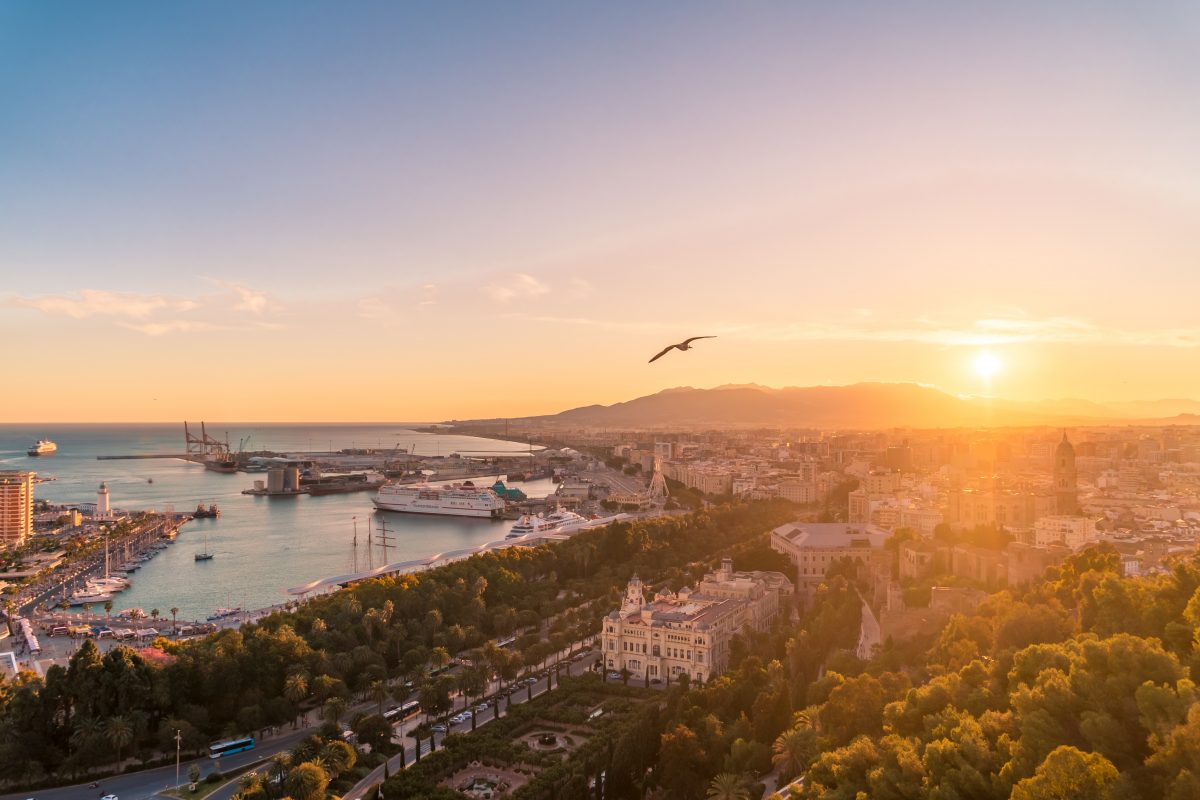 ©Photo by Willian Justen de Vasconcellos on Unsplash[/caption]
Top 5 Tips To Plan Your Holiday According To The Weather In Spain
-
- Dress accordingly
You don't want to be the one who wraps up like a snail while traveling to Spain during the winter. If you know you'll be traveling during this chilly season, make sure you have your winter jacket with you all the time. Though fall is comfortable to travel during the day, after the sunsets, the weather might take a turn. So, always be ready for the unexpected weather.
-
- Do your research for all the regions
The climate opposes based on the geographical difference. If you thought the same weather applies to every region in Spain, you might want to reconsider. Even the weather in Northern Spain and Southern Spain differs. For example, summer in Southern Spain is warm and blessed with sunshine, Northern Spain begs otherwise. It rains more often in the north and the Bay of Biscay receives most rain than anywhere else in Spain.
-
- Plan your itinerary ahead
Spain is not the smallest country to travel in. Though transportation is convenient throughout, exploring the city on foot is still the best way. Not only you'll get to unravel the city more closely, but you'll also even have the chance to explore the untold alleyways. If you get everything right, the only thing you should mind about it the weather. The weather in Spain can fluctuate from time to time. Hence, if you're planning to go an expedition to the mountains or even in the city, make sure you have your umbrellas, rain-coats, and all the essentials with you.
-
- Mark your calendar right for the attractions
Not all attractions are available all year round. For example, you wouldn't want to go snorkeling during winter or expect to see the flower blooming in Spain during the fall. If you have a certain landmark, attractions or sights you want to visit, make sure you mark your calendar right. Often time, lack of research can ruin a holiday.
-
- Feast on the local food depending on the season
Apart from the rich culture and stunning architecture, food in Spain itself drives millions of travelers to the country. If you're here to sample some freshly harvested artichokes, research the local harvest season before you go. Or have a taste of the custard apple (Chirimoya) when it's in season. The key is, research to be precise on what you're looking for.
[caption id="attachment_70663" align="alignnone" width="1200"]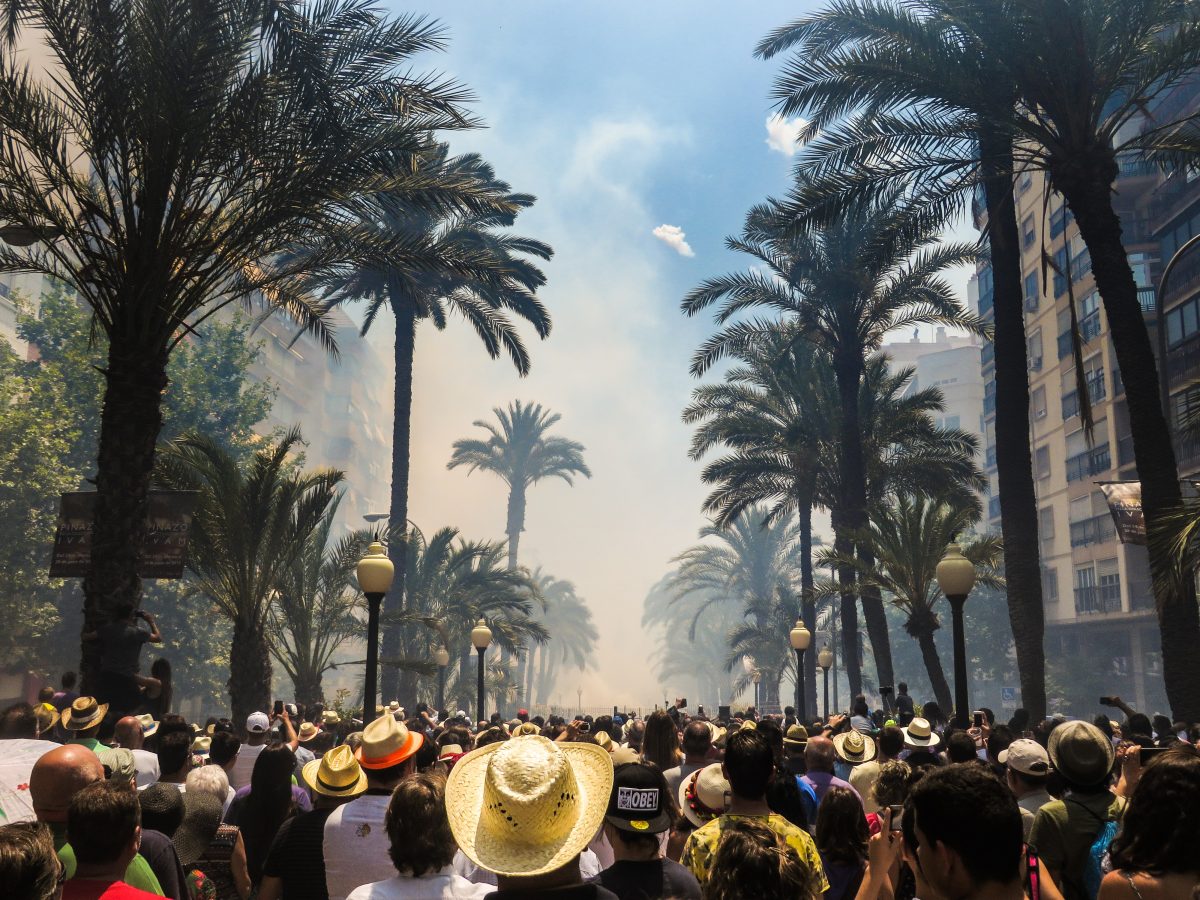 ©Photo by Lucas Davies on Unsplash[/caption]
Festivals And Events To Lookout
Spanish people are among the friendliest and liveliest in the world. Packed with colors and festive vibes around the corner in every city, your time here in Spain is for sure no shortage of interesting events.
Though the festivals and events differ depending on the seasons, climate and regions, there are still plenty of ongoing festivals happening around town. If you're into dancing or music that fills the atmosphere, the 'April Fair of Seville' is arguably the best time to visit Spain.
- San Sebastian festival
Held in San Sebastian, this is the most significant event in January, made famous by its Tamborrada drumming. The patron saint is serious in Spain, but San Sebastian took it to another level. To honor him, a massive stage with a 24-hour-long drum parade known as the 'tamborrada' is held throughout the event. Though there is always a crowd for these festive celebrations, this is one of the best times to visit Spain for its authentic and genuine culture.
- Carnival
Carnivals are spread throughout Spain. As a celebration that marks the beginning of Lent, Cadiz and the Canary Islands host the most prominent events. The lively music with colorful decoration definitely has you stunned silent. The carnival usually takes place during February or early March. So, look out for the date when you're booking your flight ticket.
[caption id="attachment_11067" align="alignnone" width="1200"]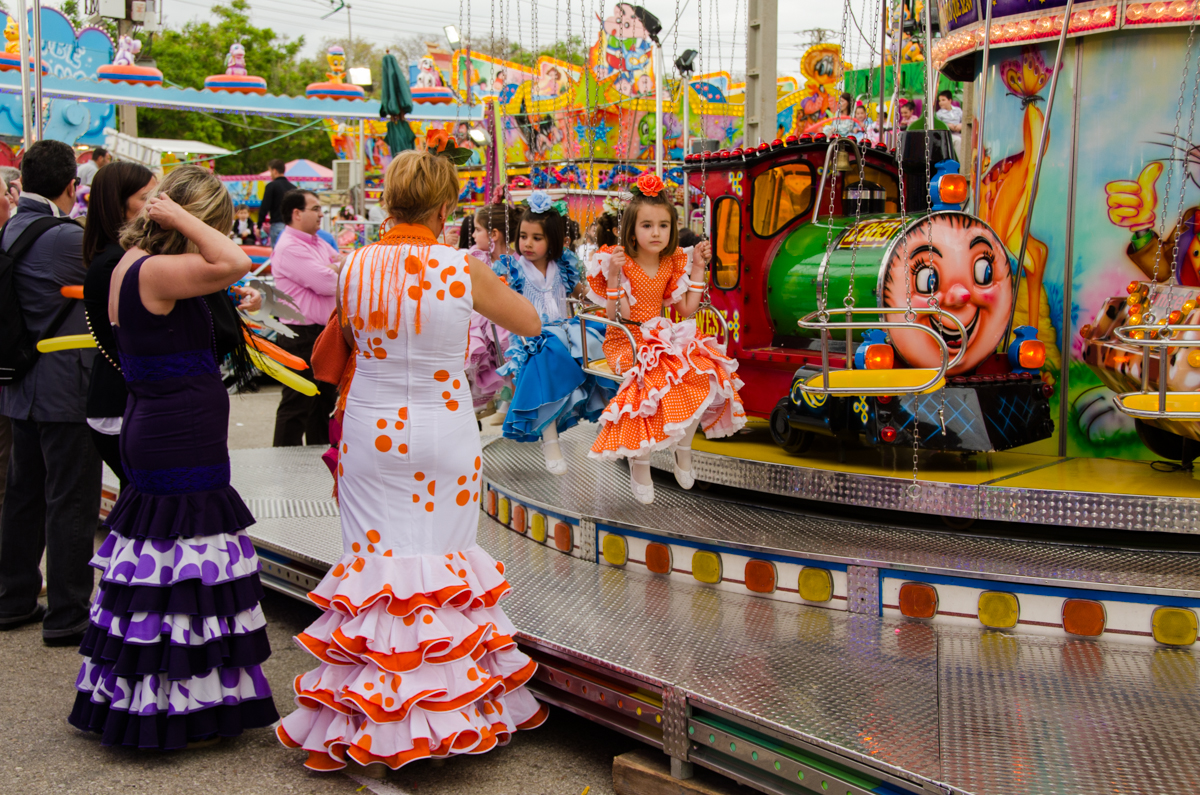 ©Photo by Sandra Vallaure[/caption]
- Feria de Abril a.k.a (April Fair of Seville)
This is the spring fair celebrating the people and traditions of Seville. Takes place in April, two weeks after Easter, this celebration is a must to visit whenever you're in town. Unlike any other celebration, the April Fair of Seville hosts the theme of traditional dressing. So, don't be surprised by the upscale yet traditional Spanish dressing. Activities like roller coaster rides, horse riding, etc. are available through the festival.
- The Water and Ham festival
This festival is here for the extremes. The Water and Ham festival takes place in Granada, where people typically water fight of epic proportions. Every June, travelers flock to the city to join the water fight. When the night is blasting with fireworks, the water fights begin. The only safe place to avoid getting soaked is to stay indoors or hide out at a bar.
[caption id="attachment_70760" align="alignnone" width="1200"]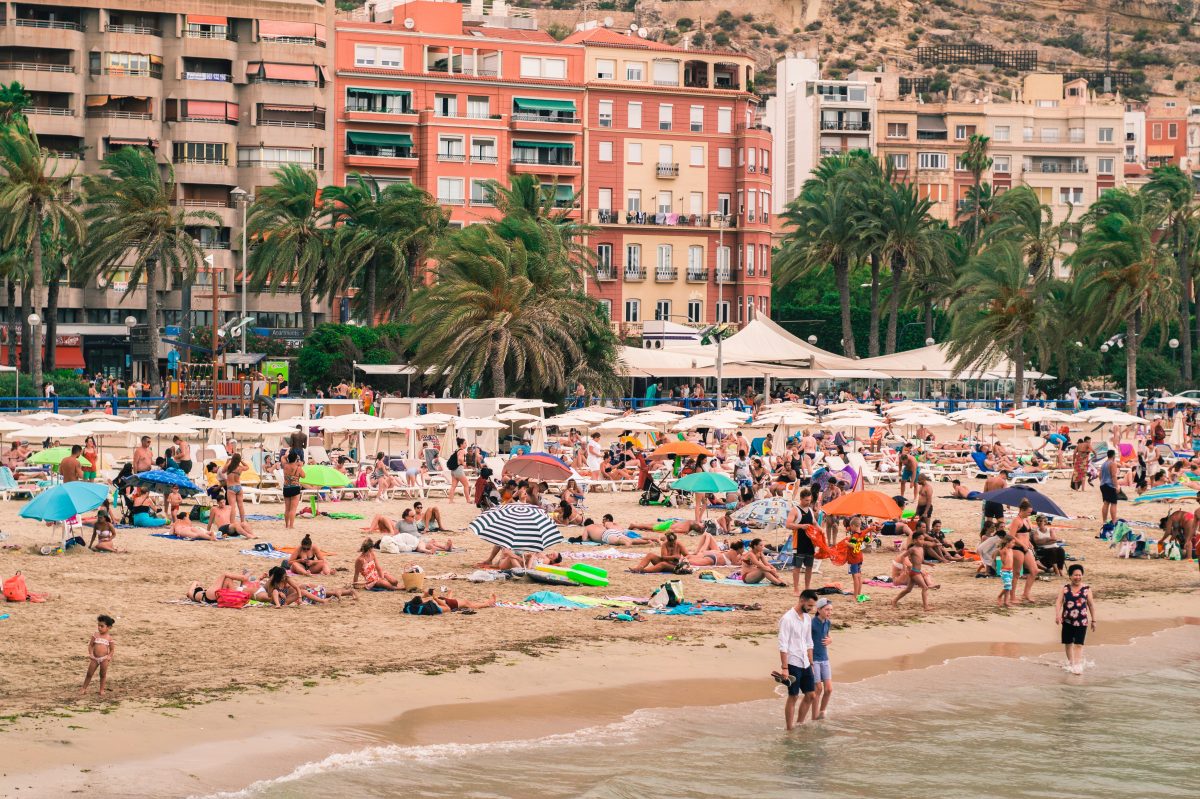 ©Photo by Julian Dik on Unsplash[/caption]
Weather Breakdown In Spain
What's the best time to visit Spain? The temperatures in Spain do not drop too low even during the winter. The average temperature is around 65 degrees spreading throughout the country. Though the summers can get to mid-90 degrees, which is usually very hot. It is therefore convenient to go to the beaches in early summer and late spring, which is in early May or June.
When you're ready to take a dip in the Mediterranean coast, come between June and September. Visit Bilbao and Santiago de Compostela in northern Spain where summer temperatures are generally milder than in the south.
Climate in Spain
Spain has three different climate zones. There is the Mediterranean climate with hot, dry summers and mild, rainy winters. Northern Meseta, Sistema Central, and Ebro basin have a continental climate with hot, dry summers and cold winters. Here, it rains in the spring and autumn. Mountains have a higher rainfall with heavy snowfalls during winter. Areas like Cantabrian mountains, Basque Country, Asturias and Galicia experience a maritime climate with cool summers and mild winters. These areas are mostly cloudy. Keep in mind these climates and the times of the year in which they occur when planning for a vacation.
In late spring, you are likely to find lesser crowds, and the accommodations are affordable. The weather is also perfect for an excellent time on the beaches. Being said, June to August is the best season to hit the beach, though August is the most crowded. Autumn (September - November). Winter (December - February).
- Spring ( March-May)
In as much as tourists visit Spain all year round, March-May remains to be most convenient for vacations. Costa del Sol enjoys warmer temperatures and plenty of sunshine. Temperatures can go up to 19 degrees during the day and drop to 9 degrees at night in Malaga. In Madrid, there is an average temperature of 10 degrees, and it falls to 4 degrees in the night. San Sebastian in the north has a high temperature of 15 degrees.
[caption id="attachment_70890" align="alignnone" width="1200"]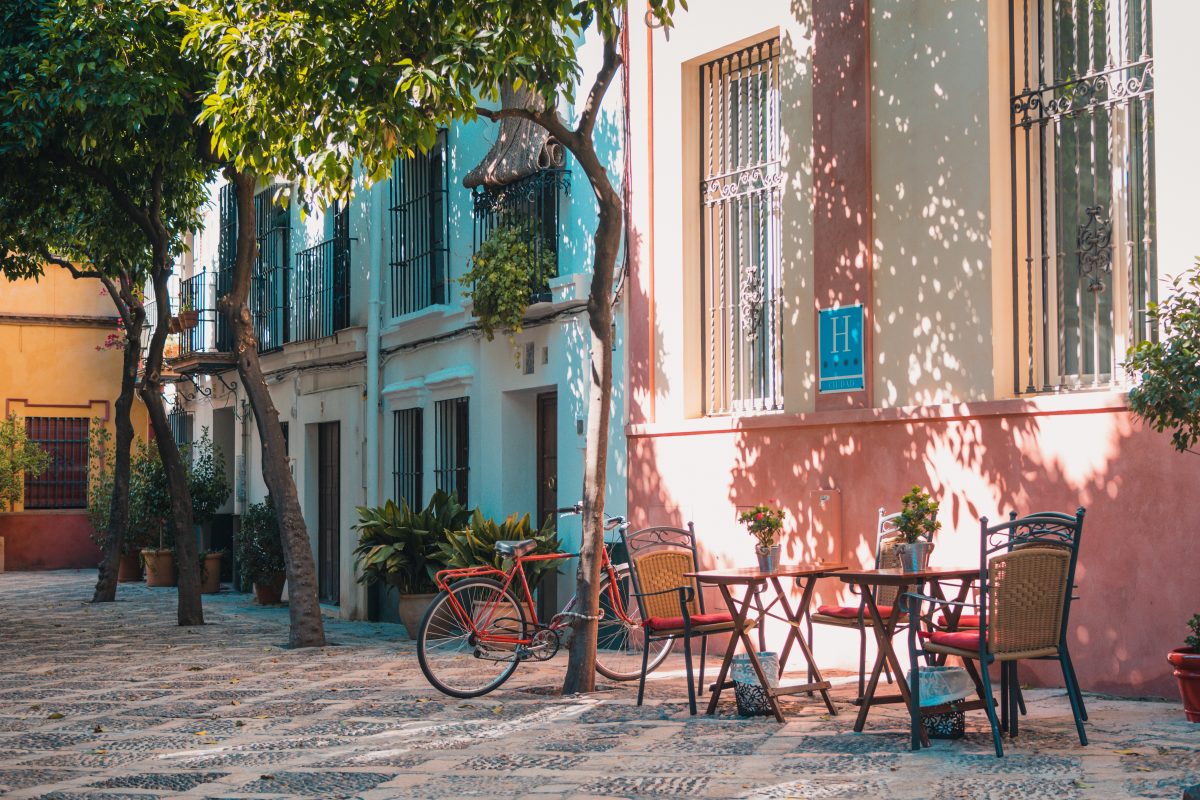 ©Photo by Johan Mouchet on Unsplash[/caption]
- Summer (June-September)
June to September are Spain’s hottest months – also the must-visit season of open-air Terrazas and music festivals. Unlike the South, Northern Spain’s summer are generally warm to pleasantly cool during the night.
If you're planning to visit the south and center of the country like Barcelona, Madrid or Seville, do expect the constant heat. The cool water from the Mediterranean coast is here to cool you down from the blazing hot sun.
- Autumn (September - November)
Similar to spring, the weather is nice and cool. However, the only difference is that the landscape transforms into an orange hue. With fallen tree leaves spreading across the area, you'll expect to witness plenty of amazing sites with different perspectives. Plus, the cost to travel during this season is cheaper than any other season.
- Winter (December - February)
There are snow-capped mountains in Spain despite its warm Mediterranean climate. During winter, prepare to sign up for a skiing school or hike the extreme trail for the snowy mountains. Especially in the North, the temperature can plummet to less than 40 degrees. So, pack your bag right, don't underestimate the weather in Spain. For a stress-free vacation, note that spring (April to June) and early autumn (September to October) are recommended instead.
Places To Visit In Spain
Explore the capital city of Spain – Madrid
[caption id="attachment_630" align="alignnone" width="1200"] ©Photo by Jorge Fernandez Salas on Unsplash.[/caption]
Madrid is the capital city of Spain. It is a great destination for tourists. Madrid is classy with its fabulously made gardens and parks. The golden triangle of art galleries has the most famous works of Europe, including Picasso's Guernica. You will also find the Royal Palace in Madrid. It is home for renowned tapas bars. When you visit Spain, you should try out Madrid. For a stress-free visit, aim for spring (April to June) or early autumn (mid-September to late October). If you're planning a beach trip alongside your city exploration, June to August is the best season overall, though August is the most crowded.
Stroll around Valencia
[caption id="attachment_70862" align="alignnone" width="1200"]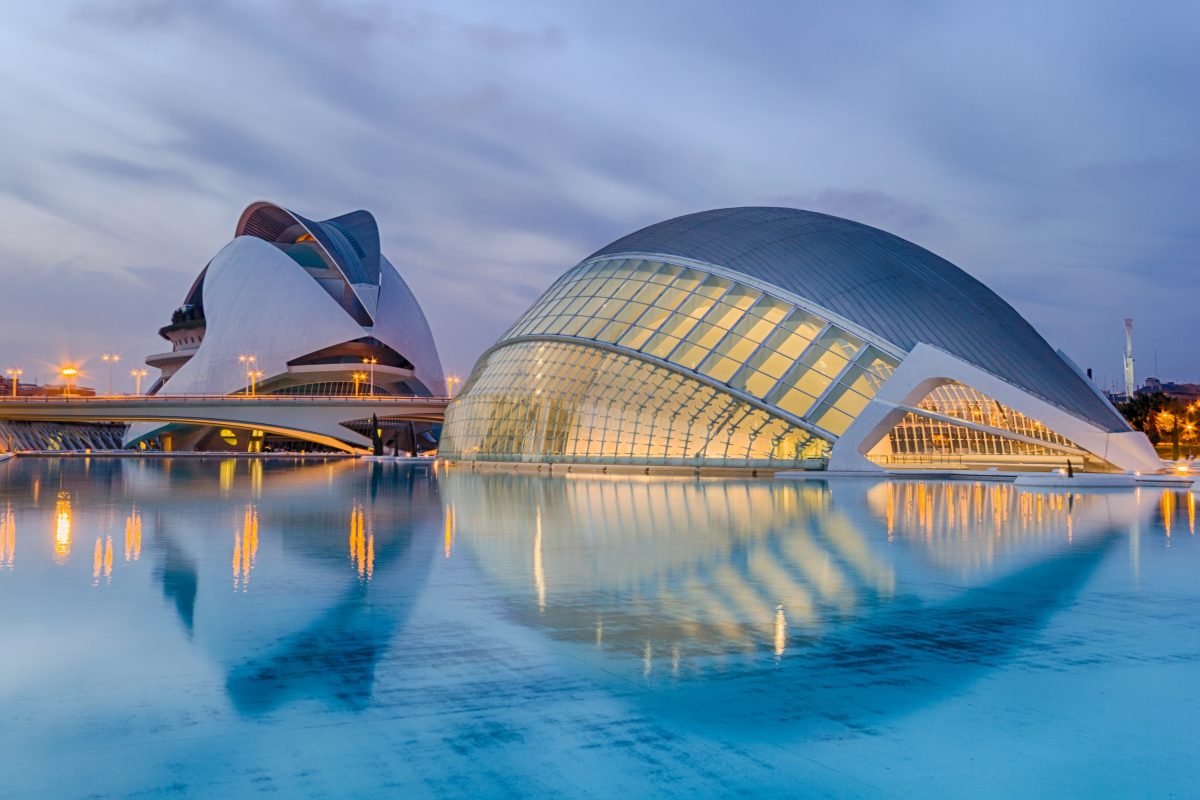 ©Photo by zebbache djoubair on Unsplash[/caption]
Valencia is the place to try out one of Spain's famous dishes. Beachside restaurants serve Paella, a rice dish for lunch. Therefore, this is the ideal place for foodies. Valencia's exotic old town is also an incredible tourist attraction. Other areas to visit are the Opera house, the Science museum, and the IMAX cinema.
Take a romantic excursion to Seville
[caption id="attachment_11071" align="alignnone" width="1200"]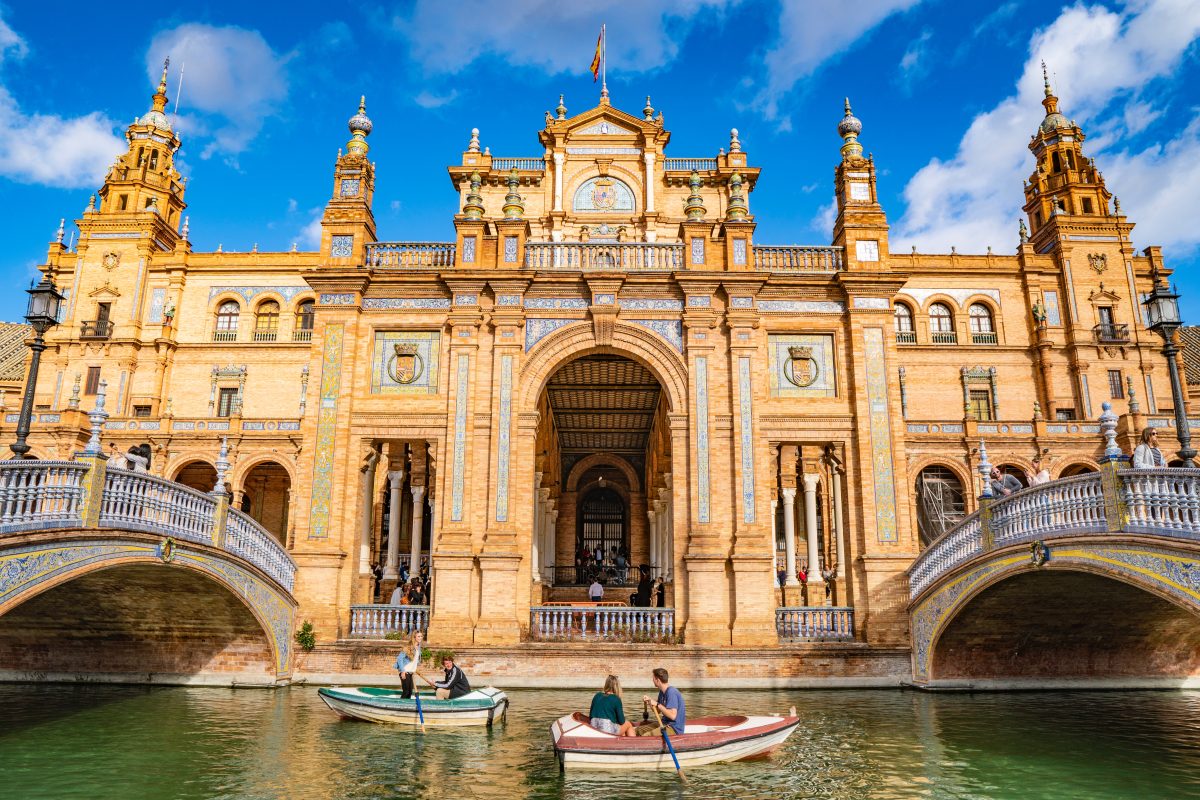 ©Photo by Shai Pal on Unsplash[/caption]
Seville is the capital of Andalusia in Southern Spain. Known for its warm climate, Seville is also Spain's third-largest city known for its flamenco culture. This art is passionate and dramatic. Take a trip to the Real Alcazar to explore more history. The modern architecture is at Metropol Parasol.
Autumn (September - November). Winter (December - February).
Be mesmerized by the other side of Granada
[caption id="attachment_70872" align="alignnone" width="1200"] ©Photo by Dimitry B on Unsplash[/caption]
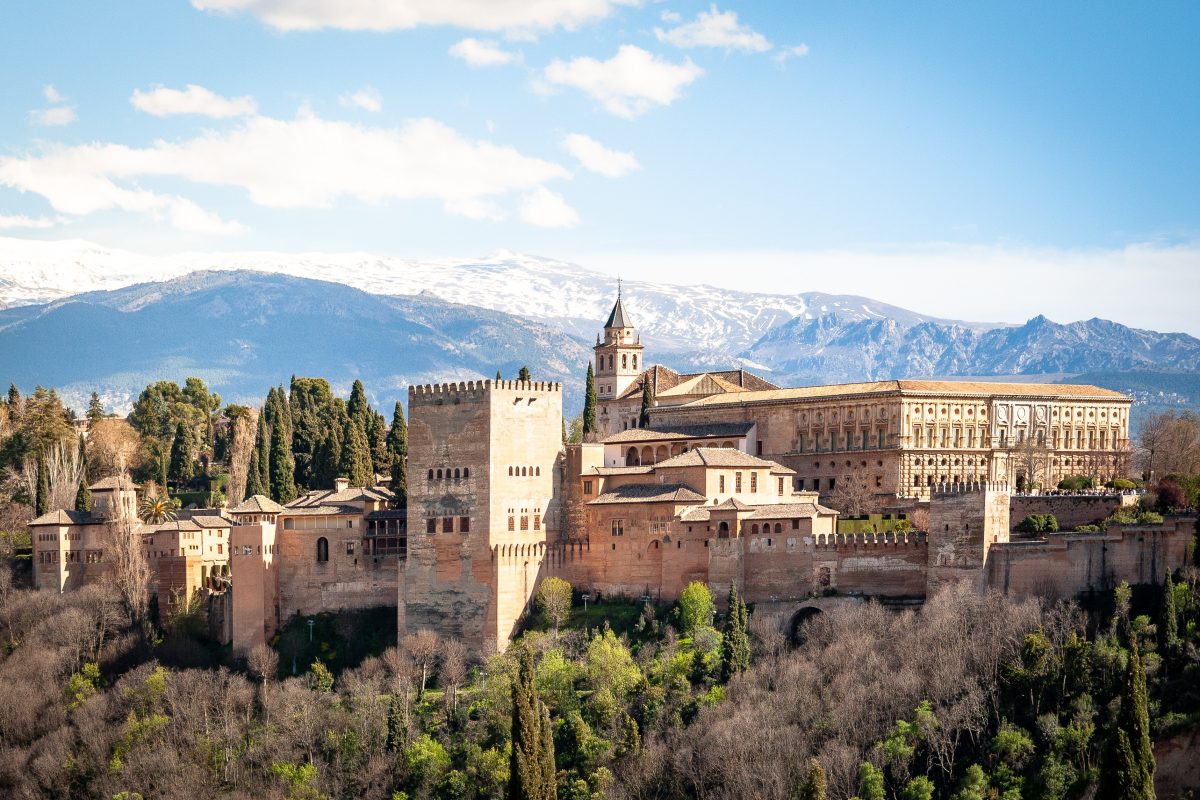
The ancient fortress, snowcapped peaks, and winding streets are a sight to behold. One of Spain's famous attractions is the Alhambra. The Moorish palace contains the best Islamic art so if art is your thing, this is the place to be. You'll also find this area is popular with the flamenco dance, so you'll see plenty of Spanish cultures while you're there. For a stress-free visit, plan your trip during spring (April to June) or early autumn (September to October).
Wander around Barcelona
[caption id="attachment_70875" align="alignnone" width="1200"] ©Photo by isaac . on Unsplash[/caption]
Barcelona is one of the tourists' favorite destinations. It is the second-largest city of Spain, so offers plenty to do and see. Mount Tibidabo offers breath-taking views beyond the sea. Therefore, it is a great place to hike so that you can get panoramic views. If you are on vacation with kids, take them to the Amusement Park, and they will have a great time. This means they'll be nice and tired in the evening so you can enjoy some adult time. Bars are open until early hours in the morning. If you want to go to parties, visit this impressive and popular destination. For a stress-free trip, aim for spring (April to June) or early autumn (mid-September to late October), when crowds are smaller and prices are lower than in the peak summer months of July and August.
Takeaway
Spain is classy yet exotic. Perfect for couples, individuals and even for larger groups. A vacation in Spain away from the chaos of everyday life will be a perfect experience. Autumn (September - November). Winter (December - February).
