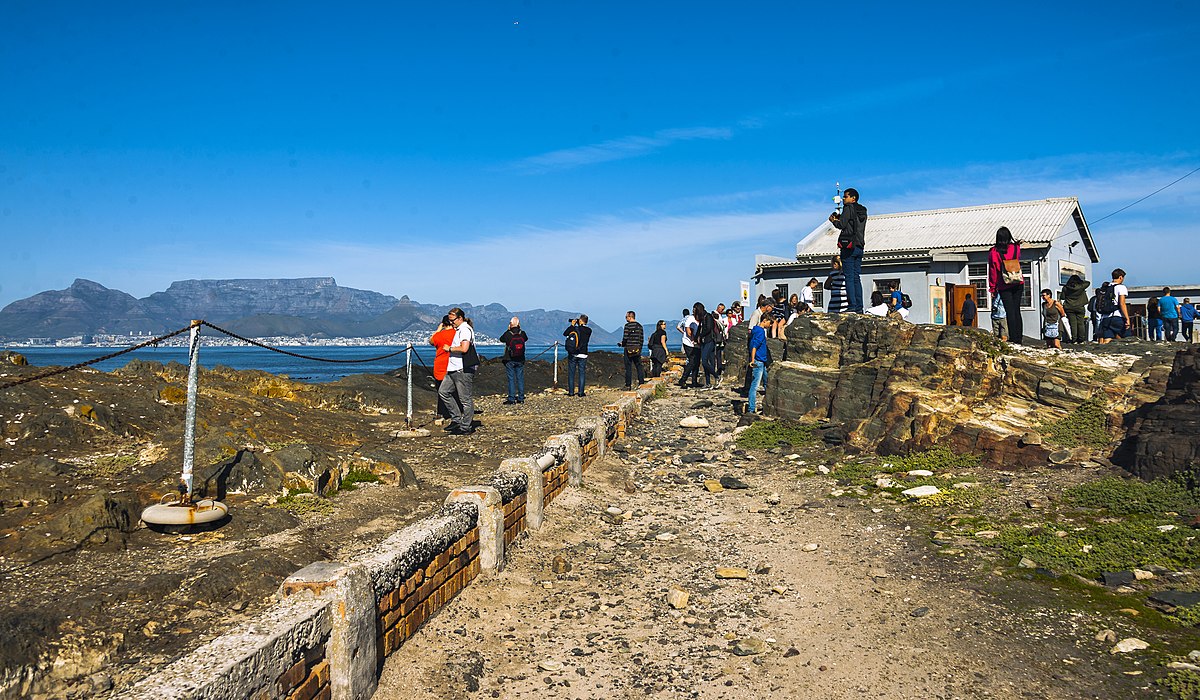
Tourism is good for South Africa because it drives economic growth, creates jobs, and supports local businesses from hotels to craft vendors. The real caveat is that this benefit depends on visitors spending money directly in local communities, not just at large resorts. Beyond the economic boost, tourism preserves cultural heritage and funds conservation, though it also demands careful management to ensure the revenue reaches the people and places that need it most.
Economic benefits of tourism in South Africa
Tourism is a major driver of economic growth in South Africa, contributing significantly to employment and revenue generation. The industry has a ripple effect on various sectors, stimulating economic activity and creating a favorable business environment. Here are some of the key economic benefits of tourism in South Africa:
Job creation and employment opportunities: Tourism creates a wide range of job opportunities across sectors such as hospitality, transportation, retail, and entertainment. From hotel staff and tour guides to restaurant workers and craft vendors, tourism provides employment to both skilled and unskilled individuals, helping to reduce unemployment rates and improve livelihoods.
Stimulating local economy: The money spent by tourists on accommodation, meals, transportation, and souvenirs benefits local businesses and communities. Hotels, guesthouses, and restaurants thrive from the influx of tourists, as do local artisans who sell their crafts and products. In addition, supporting industries such as agriculture and transportation also experience growth due to increased demand. For those looking to operate legally, you must register a guest house in South Africa to comply with local regulations.
Contribution to GDP growth: The tourism industry contributes significantly to South Africa's Gross Domestic Product (GDP). According to the World Travel & Tourism Council, the direct contribution of travel and tourism to the GDP in 2019 was significant, with an even larger total contribution including indirect and induced effects. This demonstrates the significance of tourism in driving economic growth in the country.
Foreign exchange earnings: Tourism brings in much-needed foreign currency into the country. International visitors spend money on various goods and services, which helps boost the country's foreign exchange reserves. This revenue can be used to finance infrastructure development, education, healthcare, and other essential services.
Support for small and medium-sized enterprises (SMEs): Tourism provides opportunities for small entrepreneurs to start their own businesses and thrive. Whether it's a local guided tour, a bed and breakfast establishment, or a restaurant serving traditional cuisine, tourism offers a platform for SMEs to showcase their products and services to a wide audience. Many visitors seek out hidden gems in South Africa that these small businesses provide.
Investment attraction: A thriving tourism industry attracts investments in infrastructure development and hospitality services. Both local and foreign investors see the potential of South Africa as a tourist destination and seize opportunities to establish hotels, resorts, and other tourism-related businesses. This promotes further economic growth and job creation.
Overall, the economic benefits of tourism in South Africa are vast and multifaceted. The industry's ability to create jobs, stimulate local businesses, contribute to GDP growth, and attract investments makes it a vital pillar of the country's economy.
Job creation and employment opportunities
Tourism plays a pivotal role in job creation and provides employment opportunities for a wide range of individuals in South Africa. The industry's diverse demands for services and skilled workers span various sectors, making it an important contributor to the country's labor market. Here are some key aspects of how tourism generates employment in South Africa:
Direct employment in the tourism sector: The tourism sector itself directly employs a significant number of South Africans. From hotel and resort staff to tour guides and park rangers, there is a wide array of job opportunities available. These positions range from entry-level positions to managerial roles, providing individuals with different levels of skills and expertise the chance to find meaningful employment in the industry.
Indirect employment: In addition to direct employment, there is a substantial number of indirect jobs created by tourism. Industries such as transportation, food and beverage, retail, and handicrafts rely on the demands and needs of tourists, which in turn create employment opportunities for many more South Africans. For example, a thriving tourism industry requires transport services, leading to employment opportunities for drivers, mechanics, and other related professions.
Support for small and medium-sized enterprises (SMEs): Tourism has a positive effect on small and medium-sized enterprises (SMEs). Local entrepreneurs have the opportunity to start their own businesses in catering, accommodation, handicraft production, and various other tourism-related fields. From guesthouses and restaurants to tour operators and local artisans, tourism provides a platform for SMEs to thrive and create employment opportunities for themselves and others in their communities. For those looking to start, you can learn how to register a guest house in South Africa to tap into this demand.
Seasonal employment: The tourism industry is known for its seasonal fluctuations in demand. During peak seasons, such as holidays and festivals, the demand for services and manpower rises significantly. This creates temporary employment opportunities for individuals looking for short-term work. Seasonal employment can help alleviate unemployment, particularly for individuals who may struggle to find year-round employment.
Inclusive employment opportunities: Tourism provides opportunities for individuals from diverse backgrounds to find employment. It offers positions that require a range of skill sets, from entry-level roles that may not require formal qualifications to higher-level positions that require specialized knowledge and expertise. This inclusivity allows individuals with different educational backgrounds, abilities, and talents to contribute to the tourism industry and earn a livelihood.
Spillover effects on other sectors: The growth of the tourism industry has positive spillover effects on other sectors of the economy, leading to job creation in various industries. For example, the increased demand for locally sourced food products in hotels and restaurants stimulates agricultural activities and generates employment opportunities in farming, agribusiness, and food processing sectors.
Whether through direct employment in the tourism sector itself or indirect employment in supporting industries, tourism contributes significantly to the country's labor market and provides livelihoods for many South Africans.
Stimulating local economy
Tourism plays a crucial role in stimulating the local economy in South Africa. The influx of visitors creates a ripple effect that benefits various sectors, leading to economic growth.
Business growth and entrepreneurship: The tourism industry creates demand for goods and services, fostering local business growth. From accommodations and restaurants to transportation and souvenir shops, tourism provides a platform for entrepreneurs to start and expand ventures, increasing employment and revenue for communities.
Generation of revenue: Tourists spend money on accommodations, meals, transportation, and cultural experiences. This expenditure generates revenue for local businesses, promoting economic activity and money circulation. Revenue contributes to the tax base, which can be reinvested in infrastructure, education, healthcare, and other essential services.
Promotion of local products and services: Tourism showcases local products and services. Visitors seek authentic experiences, increasing demand for locally made crafts, traditional cuisine, and cultural performances. This supports local artisans, farmers, and producers, providing a market for their products and sustaining local industries.
Support for the hospitality sector: Hotels, guesthouses, and lodges directly benefit from tourism. Increased accommodation demand grows these businesses, providing employment and revenue. The sector also benefits from ancillary services like housekeeping, maintenance, and food and beverage, further stimulating the economy. For those looking to start a business, it is important to register a guest house in South Africa properly to comply with local regulations.
Infrastructure development: Tourism growth often necessitates developing airports, roads, and public facilities. These projects create employment and stimulate economic activity in construction and related industries. Improved infrastructure benefits both tourists and local residents, enhancing quality of life and facilitating economic development.
Cluster effect: A thriving tourism industry attracts other businesses, creating a cluster effect. Popular attractions lead to restaurants, souvenir shops, and adventure tour operators in the vicinity. This diversification boosts the local economy and provides a range of services for visitors.
Overall, tourism acts as a catalyst for economic growth by stimulating local businesses, generating revenue, promoting local products, supporting the hospitality sector, facilitating infrastructure development, and creating a cluster effect. The economic impact extends beyond tourism itself, benefiting various sectors and contributing to the prosperity of local communities in South Africa.
Contribution to GDP growth
Tourism plays a significant role in contributing to the Gross Domestic Product (GDP) growth of South Africa. The World Travel & Tourism Council estimates that in 2019, the travel and tourism industry accounted for a significant portion of the country's GDP. The industry's economic impact goes beyond just revenue generation, as it stimulates various sectors and creates a favorable business environment.
Direct contribution to GDP: The direct contribution includes revenue from tourism-related activities such as spending on accommodation, meals, transportation, attractions, and other services by both domestic and international tourists. This revenue directly drives economic growth.
Indirect contribution to GDP: These indirect effects include the multiplier effect, where tourist spending in one sector leads to increased economic activity in other sectors. For example, revenue from hotel stays supports local farmers (for food supply), transportation services, and the retail sector.
Investment and infrastructure development: Tourism growth attracts investments in new hotels, resorts, infrastructure, and related projects. These investments create jobs and increase economic activity. Development of airports, roads, and public facilities also benefits other sectors. Visitors seeking unique South African travel experiences often spur investment in lesser-known areas, while entrepreneurs who register a guest house in South Africa contribute directly to local infrastructure needs.
Foreign exchange earnings: International tourist spending brings foreign currency into the country, raising foreign reserves. This revenue can finance imports, pay debts, or invest in other sectors.
Multiplier effect: Increased tourism activity boosts demand for local goods and services. A thriving tourism industry creates demand for products from local farmers, artisans, and service providers, generating employment and income in these sectors.
Employment generation: From hotel staff and tour guides to transportation workers and artisans, the industry provides direct and indirect employment to a significant number of South Africans. Increased employment leads to higher wages and disposable income, further contributing to GDP growth through consumer spending.
Overall, the tourism industry in South Africa makes a substantial contribution to GDP growth through direct and indirect economic impacts, foreign exchange earnings, the multiplier effect, investment attraction, and employment generation.
Cultural and social benefits of tourism in South Africa
Tourism in South Africa goes beyond economic gains, providing numerous cultural and social benefits to both visitors and the local population. The country's rich and diverse cultural heritage is showcased to the world, fostering cultural exchange, understanding, and preservation.
Preservation of cultural heritage: Tourism plays a vital role in preserving South Africa's cultural heritage. The promotion of traditional art, music, dance, and cuisine showcases the country's vibrant traditions and contributes to their survival. Tourists engage with local communities, participating in cultural activities and experiencing firsthand the customs of different South African ethnic groups.
Promotion of cultural exchange and understanding: Visitors from around the world interact with local populations and gain insights into South Africa's diverse cultures. This exchange fosters mutual understanding and appreciation, exposing tourists to new perspectives and breaking down barriers across cultures. For those seeking authentic engagement, township life: meet Alexandra, South Africa offers a powerful example of cultural immersion.
Enhancing the reputation of South Africa: As visitors share positive experiences, stories, and photos, they build a reputation for South Africa as an attractive, culturally rich destination. This image attracts more visitors and contributes to the country's overall development. Many travelers seek out hidden gems in South Africa that reveal the nation's authentic character beyond typical tourist routes.
Preservation of traditional crafts and skills: Demand for authentic, locally made crafts and traditional products by tourists incentivizes artisans to continue practicing their skills. This preserves important cultural elements while supporting local economies through income-generating opportunities for artisans and their communities.
Promotion of community development: Tourism creates a market for local goods, services, and traditional experiences. Communities showcase their heritage through guided tours, cultural festivals, and homestay programs. This promotes pride and identity while generating income and employment for community members.
Improving quality of life for local communities: Revenue from tourism can be reinvested in community development projects, infrastructure, education, and healthcare. Better infrastructure and access to basic amenities enhance the overall well-being of local residents, creating a positive social impact.
Overall, tourism in South Africa provides a platform for cultural exchange, preservation of cultural heritage, and social development. Through the celebration of diverse traditions and positive impact on local communities, tourism fosters understanding, pride, and the preservation of South Africa's rich cultural heritage.
Preservation of cultural heritage
Tourism in South Africa plays a crucial role in preserving the country's rich and diverse cultural heritage. The promotion of traditional art, music, dance, cuisine, and customs helps maintain these significant aspects for future generations.
Showcasing traditional art and craftsmanship: Tourism provides a platform for local artists and artisans to showcase traditional art forms and crafts to a wider audience. Visitors can appreciate and purchase authentic handmade items such as beadwork, pottery, sculptures, and textiles. This supports local artists and keeps traditional artistic practices alive.
Preserving traditional music and dance: Tourism offers a stage for traditional music and dance performances, allowing visitors to experience rhythms and movements unique to different South African cultures. Encouraging performance and appreciation of these forms helps preserve them and pass them down to future generations.
Celebrating cultural festivals and events: South Africa is known for festivals such as the Cape Town Jazz Festival, the Durban International Film Festival, and the Cape Town Carnival. Tourism promotes and celebrates these events, attracting both local and international visitors who engage with diverse cultural traditions. Continued support contributes to their preservation and ongoing relevance.
Revitalizing traditional cuisines: South Africa boasts a diverse culinary heritage, with each region having its own traditional dishes and flavors. Tourism promotes and revitalizes traditional cuisines, allowing local communities to share their culinary traditions and offer visitors authentic dishes made from age-old recipes. This exposure ensures the continuation of culinary traditions.
Documentation and storytelling: Tourism encourages the documentation of cultural heritage through storytelling, museums, and heritage sites. Sites such as Robben Island, the Cradle of Humankind, and the Apartheid Museum provide insights into South Africa's history, traditions, and struggles. These sites educate visitors and play a crucial role in preserving the country's cultural heritage. For travelers seeking deeper cultural connections, many of these sites are considered hidden gems in South Africa that offer authentic encounters beyond typical tourist routes.
Support for community-based initiatives: Community-based tourism initiatives, such as homestays and guided tours led by local residents, provide an authentic cultural experience. These initiatives empower local communities and enable them to showcase their cultural heritage directly to visitors. Revenue generated can be reinvested in cultural preservation efforts, supporting the maintenance and conservation of cultural sites and traditions. Experiencing township life: meet Alexandra, South Africa through such community-led tours offers visitors a firsthand understanding of living heritage.
Preserving South Africa's cultural heritage is essential for maintaining the country's unique identity and fostering pride among its diverse communities. Through tourism, the promotion and support of traditional art, music, dance, culinary practices, and community-based initiatives contribute to preserving this heritage for future generations.
Promotion of cultural exchange and understanding
Tourism in South Africa plays a vital role in promoting cultural exchange and fostering mutual understanding between visitors and the local population. The country's rich and diverse cultural heritage provides a unique opportunity for tourists to engage with different traditions, customs, and ways of life. Here are key ways in which tourism promotes cultural exchange and understanding:
Interaction with local communities: Tourism brings visitors in direct contact with local communities, providing opportunities for meaningful interactions and cultural exchange. Engaging with locals allows visitors to gain insights into South African customs, traditions, and daily life. Likewise, locals have the chance to interact with people from different cultures, broadening their horizons and challenging stereotypes.
Sharing of cultural practices: Tourism encourages the sharing of cultural practices between visitors and local communities. Tourists are often eager to learn about traditional arts and crafts, music, dance, and cuisine. Local artisans and performers have the opportunity to teach and demonstrate their skills, providing a firsthand experience of their cultural practices. This exchange of knowledge and skills fosters cultural appreciation and promotes intercultural understanding.
Language learning and communication: Tourism often involves the use of different languages, prompting cultural exchange through language learning and communication. Visitors may have the opportunity to learn common greetings, key phrases, or expressions in local languages, allowing for more meaningful interactions with locals. This exchange of languages fosters cross-cultural communication and bridges the gap between different linguistic communities.
Breaking down cultural barriers: Tourism has the power to break down cultural barriers and challenge stereotypes. By exposing visitors to diverse cultures, it helps dispel misconceptions and encourages a more nuanced understanding of different ethnic groups within South Africa. This leads to increased respect, acceptance, and appreciation for cultural diversity, promoting a more inclusive and harmonious society.
Sharing of personal stories: Through tourism, individuals have the opportunity to share personal stories and experiences, fostering empathy and understanding. Local community members can share their lived experiences, struggles, and triumphs with visitors, helping create a deeper connection and fostering a sense of cultural empathy. Likewise, visitors can share their own backgrounds and stories, promoting dialogue and an exchange of ideas.
Appreciation of cultural heritage: Tourism encourages visitors to appreciate and value South Africa's cultural heritage. By experiencing cultural festivals, visiting heritage sites, and participating in traditional ceremonies, tourists gain a deeper understanding of the historical and cultural significance of different traditions. This appreciation helps foster respect for cultural heritage and encourages its preservation. For those seeking hidden gems in South Africa, these authentic cultural encounters often provide the most memorable insights.
Building bridges between cultures: Tourism acts as a bridge between different cultures, allowing for the exchange of ideas, values, and perspectives. Through interaction and dialogue, both visitors and locals have the opportunity to share their beliefs, customs, and worldviews, building bridges of understanding and fostering respect between cultures.
Overall, tourism in South Africa promotes cultural exchange and understanding by facilitating interactions between visitors and the local population, encouraging the sharing of cultural practices, language learning, breaking down cultural barriers, and fostering an appreciation for cultural heritage. In doing so, tourism helps create a more inclusive and interconnected world.
Improving quality of life for local communities
Tourism in South Africa improves quality of life for local communities through socio-economic opportunities. Key benefits include:
Job creation and income generation: Tourism provides employment across hospitality, transportation, handicraft production, and tour guiding. This reduces unemployment and increases income levels, leading to improved financial stability for individuals and families.
Support for small businesses: Local artisans, craftsmen, and farmers can showcase and sell products to tourists, creating market demand that supports their enterprises. This generates income and encourages growth and sustainability of local businesses, contributing to the local economy.
Infrastructure development: Tourism growth demands development and improvement of roads, buildings, utilities, and public amenities. These projects enhance visitor experiences and benefit residents by improving access to basic services and facilities.
Social and cultural empowerment: Tourism encourages cultural preservation and promotion of local traditions. Communities celebrate and share heritage through festivals, arts and crafts exhibitions, and cultural performances. This increases pride and identity, preserving heritage for future generations. Travelers seeking South African travel experiences often engage directly with these cultural offerings.
Education and training opportunities: The industry creates opportunities in hospitality management, tour guiding, culinary arts, and language skills. Access to education equips residents with skills to enter the tourism workforce, increasing employability and career prospects.
Social cohesion and community pride: Tourism encourages community involvement through initiatives like homestay programs and cultural tours. These foster unity, pride, and ownership, creating positive social impact and strengthening community bonds.
Access to basic services: Tourism growth leads to upgraded roads, better healthcare facilities, improved sanitation, and enhanced public transportation. Both tourists and locals benefit from increased access to essential services, enhancing overall quality of life.
Preservation of natural resources: Tourism highlights the importance of preserving natural resources and the environment. Local communities participate in conservation efforts to protect wildlife, maintain national parks, and promote sustainable practices. These initiatives ensure long-term sustainability of resources for both the environment and local population.
Overall, tourism improves quality of life through job creation, income generation, support for small businesses, infrastructure development, cultural empowerment, education and training, social cohesion, and enhanced access to basic services. By fostering socio-economic development and preserving cultural and natural heritage, tourism creates a positive and sustainable impact on local residents' well-being.
Environmental benefits of tourism in South Africa
Tourism in South Africa can have significant environmental benefits, contributing to the conservation and preservation of the country's natural resources and biodiversity. While tourism can impact the environment, responsible and sustainable practices can mitigate these effects and even lead to positive outcomes. Here are some key environmental benefits of tourism in South Africa:
Conservation of natural resources: The presence of tourism often creates awareness and incentivizes the conservation of natural resources. National parks, protected areas, and wildlife reserves attract tourists who come to appreciate and engage with the country's unique flora and fauna. Revenue generated from tourism can be used to fund conservation efforts, support anti-poaching initiatives, and protect vulnerable ecosystems.
Preservation of wildlife and biodiversity: South Africa is renowned for its abundant wildlife and diverse ecosystems. Tourism plays a crucial role in the preservation and protection of these natural assets. Through responsible tourism practices, visitors have the opportunity to experience wildlife in their natural habitats, while supporting conservation programs and promoting animal welfare. Revenue from wildlife-based tourism contributes to the protection and management of endangered species and their habitats.
Sustainable tourism practices: The tourism industry has increasingly embraced sustainable practices aimed at minimizing its environmental impact. In South Africa, eco-lodges and eco-friendly accommodations strive to reduce energy consumption, promote waste management, and conserve water resources. Sustainable tourism practices also encourage the use of alternative energy sources, recycling, and responsible waste disposal, thereby reducing the carbon footprint associated with tourism activities.
Education and awareness: Tourism enables the dissemination of information and raises awareness about environmental issues. Visitors have the opportunity to learn about the importance of conservation efforts, sustainable practices, and the need to protect ecosystems. This education promotes a sense of responsibility among tourists, encouraging them to make more environmentally conscious choices during their travels and in their daily lives.
Support for local sustainable initiatives: Tourism can support local sustainable initiatives and community-led conservation projects. Community-based tourism programs often have a strong focus on natural resource management and involve local communities in conservation efforts. By engaging with these initiatives, tourists contribute to the economic development and empowerment of local communities while supporting conservation initiatives.
Encouraging environmental research and monitoring: Tourism provides opportunities for environmental research and monitoring. Scientists and researchers often collaborate with tourism operators and conservation organizations to study wildlife behavior, monitor species populations, and collect valuable data. This research helps in the understanding of ecosystems, the identification of conservation needs, and the development of effective protection strategies.
Promotion of sustainable transport: The transportation sector is a significant contributor to carbon emissions and environmental degradation. However, sustainable tourism practices encourage the use of environmentally friendly transportation options such as bicycles, electric vehicles, or public transport. This reduces carbon emissions, air pollution, and congestion, promoting sustainable mobility options.
Overall, tourism in South Africa can generate positive environmental outcomes through the conservation of natural resources, preservation of wildlife and biodiversity, adoption of sustainable practices, promotion of environmental education, support for local initiatives, research and monitoring efforts, and the encouragement of sustainable transportation. By embracing responsible tourism practices, South Africa can ensure that tourism contributes to the long-term sustainability and protection of its natural environment.
Conservation of natural resources
Tourism in South Africa plays a vital role in the conservation of the country's natural resources. The diverse ecosystems, national parks, and protected areas attract visitors who come to appreciate and engage with the rich biodiversity and pristine landscapes. Here are key ways in which tourism contributes to conservation:
Financial support for conservation efforts: Tourism revenue provides crucial funding for conservation and management. Entrance fees to national parks and protected areas, as well as proceeds from guided tours and activities, contribute directly to maintaining habitats, promoting wildlife conservation initiatives, and funding anti-poaching and conservation research programs.
Promotion of protected areas and national parks: Tourism boosts visibility of South Africa's protected areas and national parks, increasing global awareness of their ecological importance. Visitors who explore these areas often develop a deeper appreciation for the pristine environments and unique wildlife, generating support for continued protection and preservation.
Encouragement of sustainable tourism practices: Tourism promotes sustainable practices that minimize environmental impact. Eco-lodges and sustainable accommodations reduce energy consumption, implement responsible waste management, and conserve water. By adopting practices such as reducing carbon emissions and promoting eco-friendly alternatives, tourism minimizes negative effects on natural resources.
Support for community-led conservation initiatives: Community-based tourism initiatives empower local communities to actively participate in conservation. Through sustainable practices, local communities are involved in managing and protecting natural resources, creating a sense of ownership and responsibility that makes residents stewards of their environment.
Education and awareness: Tourism provides a platform for education about preserving natural resources. Visitors learn about South Africa's unique ecosystems, wildlife, and conservation challenges through interpretive centers, guided tours, and educational programs. This fosters a sense of stewardship and inspires efforts to protect these resources. For those seeking deeper connections, South African travel experiences often include immersive encounters with nature that highlight conservation needs.
Cultural appreciation for nature: Tourism encourages cultural appreciation for nature, instilling reverence for the natural world. Visitors witness the beauty and ecological significance of South Africa's landscapes and wildlife, fostering understanding of the interconnectedness between humans and nature. This fuels a desire to protect natural resources for future generations.
Collaboration with conservation organizations: Tourism often partners with conservation organizations to support environmental and wildlife preservation. Tour operators, lodges, and tourism associations collaborate to develop sustainable practices, contribute to research, and raise funds for conservation projects. This ensures tourism activities align with conservation goals and directly protect natural resources.
Overall, tourism in South Africa actively supports conservation through financial contributions, promotion of protected areas, sustainability practices, community-led initiatives, educational opportunities, cultural appreciation, and collaboration with conservation organizations. By embracing responsible tourism and encouraging protection of natural resources, South Africa ensures preservation of its incredible biodiversity and ecosystems for future generations.
Preservation of wildlife and biodiversity
These fees directly support anti-poaching measures, conservation research, monitoring programs, and habitat restoration projects. Sustainable wildlife-based tourism generates income reinvested in protecting endangered species and their habitats.
Support for protected areas and reserves: Tourism encourages the establishment and maintenance of protected areas and wildlife reserves, which serve as havens for endangered species and contribute to overall biodiversity preservation. The presence of tourism in these regions raises awareness about threats to wildlife and helps ensure ongoing management of critical habitats.
Education and awareness: Through guided tours, interpretive centers, and educational programs, tourists gain insights into the importance of preserving vulnerable species and their habitats. This understanding inspires actions to support conservation efforts both during travel and in daily life. For those seeking deeper connection, exploring hidden gems in South Africa often reveals lesser-known reserves where conservation education is a priority.
Responsible wildlife encounters: Tour operators and guides adhere to guidelines that minimize disturbance to wildlife, maintain respectful viewing distances, and support conservation research. By prioritizing animal welfare, tourism raises awareness about ethical wildlife practices.
Conservation breeding and research: Facilities such as wildlife sanctuaries, breeding centers, and research facilities rely on tourism revenue to fund operations. These initiatives breed and reintroduce endangered species into natural habitats, ensuring long-term preservation of biodiversity.
Promotion of conservation initiatives: Tourism marketing and communication efforts spread messages about preserving wildlife and protecting biodiversity. Tourists become ambassadors for conservation as they share their experiences from visits to South Africa.
Sustainable wildlife viewing practices: Controlled visitor numbers, designated viewing areas, and responsible wildlife photography minimize impact on natural habitats. These practices allow species to thrive while safeguarding the balance of ecosystems. Many of these sustainable experiences are highlighted in South African travel experiences that emphasize low-impact encounters.
Overall, tourism in South Africa supports wildlife and biodiversity preservation through financial contributions, protected areas, education, responsible encounters, conservation breeding, advocacy, and sustainable practices.
Sustainable tourism practices
Sustainable tourism practices are crucial for the long-term viability and preservation of South Africa's natural resources, cultural heritage, and communities. By adopting responsible strategies, the tourism industry can minimize its negative impact on the environment, support local communities, and promote a more sustainable future. Here are some key sustainable tourism practices in South Africa:
Environmental conservation: One of the fundamental aspects of sustainable tourism is the conservation and protection of the natural environment. This involves minimizing waste generation, conserving water resources, promoting energy efficiency, and adopting sustainable practices in accommodations, transportation, and tour operations. By reducing the ecological footprint of tourism activities, South Africa can preserve its unique ecosystems and minimize environmental degradation.
Promotion of cultural heritage: A sustainable approach to tourism involves respecting and celebrating the cultural heritage of local communities. This includes supporting and engaging with local artisans, cultural initiatives, and community-led tourism initiatives. By promoting cultural heritage, visitors gain a deeper understanding and appreciation of local traditions, while local communities benefit from economic opportunities and cultural preservation.
Community involvement and empowerment: Sustainable tourism practices prioritize local community involvement and empowerment. This includes creating opportunities for local employment, supporting local businesses, and providing resources for skills development and capacity building. Engaging with local communities and involving them in decision-making processes helps ensure that tourism benefits are equitably distributed, the local economy is supported, and social impacts are positive.
Economic benefits for local communities: Sustainable tourism practices aim to maximize economic benefits for local communities. This involves encouraging visitors to support local businesses, purchase locally made products, and engage in community-based tourism experiences. By redirecting tourism revenue to the local economy, communities can invest in sustainable development projects, infrastructure, and education, leading to long-term economic growth and poverty alleviation.
Responsible wildlife encounters: Wildlife tourism in South Africa necessitates responsible and ethical practices. This involves following guidelines for wildlife viewing, respecting animal habitats and behavior, and supporting conservation initiatives. Tourists can choose operators and accommodations that prioritize animal welfare, conservation efforts, and education on the ecological importance of wildlife. Responsible wildlife encounters ensure the well-being of animals and the preservation of their natural habitats.
Support for conservation efforts: Sustainable tourism practices require active support for wildlife and environmental conservation initiatives. This can be done through partnerships with conservation organizations, funding conservation projects, or participating in wildlife research and monitoring programs. By contributing financially and logistically to conservation efforts, tourism can help safeguard biodiversity, protect endangered species, and preserve natural resources.
Education and awareness: Sustainable tourism practices foster education and awareness among tourists, industry stakeholders, and local communities. This includes providing information on responsible travel practices, cultural sensitivity, and environmental awareness. Educational initiatives can highlight the importance of conservation, cultural preservation, and sustainable lifestyles, enabling visitors to make informed choices that minimize their impact on the environment and support the local community.
Collaboration and industry standards: Sustainable tourism practices are best achieved through collaboration and adherence to industry standards. This involves stakeholders collaborating on sustainable development frameworks, sharing best practices, and implementing certifications such as eco-labels and responsible tourism certifications. By uniting efforts and setting industry standards, South Africa can ensure a more coordinated and impactful approach to sustainability in tourism.
Adopting sustainable tourism practices in South Africa is essential for the well-being of the environment, local communities, and future generations. By conserving natural resources, empowering communities, promoting cultural heritage, supporting wildlife conservation, and fostering awareness, the tourism industry can contribute to a more sustainable and responsible future.
Conclusion
Tourism in South Africa brings a plethora of benefits to the country, economically, culturally, socially, and environmentally. The industry's growth and development have contributed significantly to job creation, stimulating the local economy, and contributing to GDP growth. Through the preservation of cultural heritage, tourism showcases the rich traditions, arts, and cuisine of South Africa, fostering cultural exchange and understanding.
Tourism also plays a vital role in the conservation of natural resources and the preservation of wildlife and biodiversity. The revenue generated from tourism supports conservation efforts, encourages sustainable practices, and raises awareness about the significance of protecting South Africa's unique ecosystems. Additionally, tourism improves the quality of life for local communities by generating employment opportunities, supporting small businesses, and promoting community development.
However, for tourism to have a positive and sustainable impact, it is imperative to embrace responsible practices. Sustainable tourism practices prioritize environmental conservation, cultural preservation, community involvement, and responsible wildlife encounters. By adopting these practices, South Africa can ensure that tourism continues to contribute to the country's growth and development while minimizing its negative impact on the environment and local communities.
In conclusion, tourism in South Africa holds immense potential to deliver economic, cultural, social, and environmental benefits. Its contribution to job creation, revenue generation, cultural exchange, conservation efforts, and community development is invaluable. By fostering sustainable tourism practices and embracing responsible travel, South Africa can continue to thrive as a preferred destination, preserving its heritage and natural wonders for generations to come. For travelers seeking authentic connections, exploring township life: meet Alexandra, South Africa offers a profound cultural experience, while discovering hidden gems in South Africa supports local communities directly.