

The Simple Way to Follow up With Hotels and Tour Operators After Booking
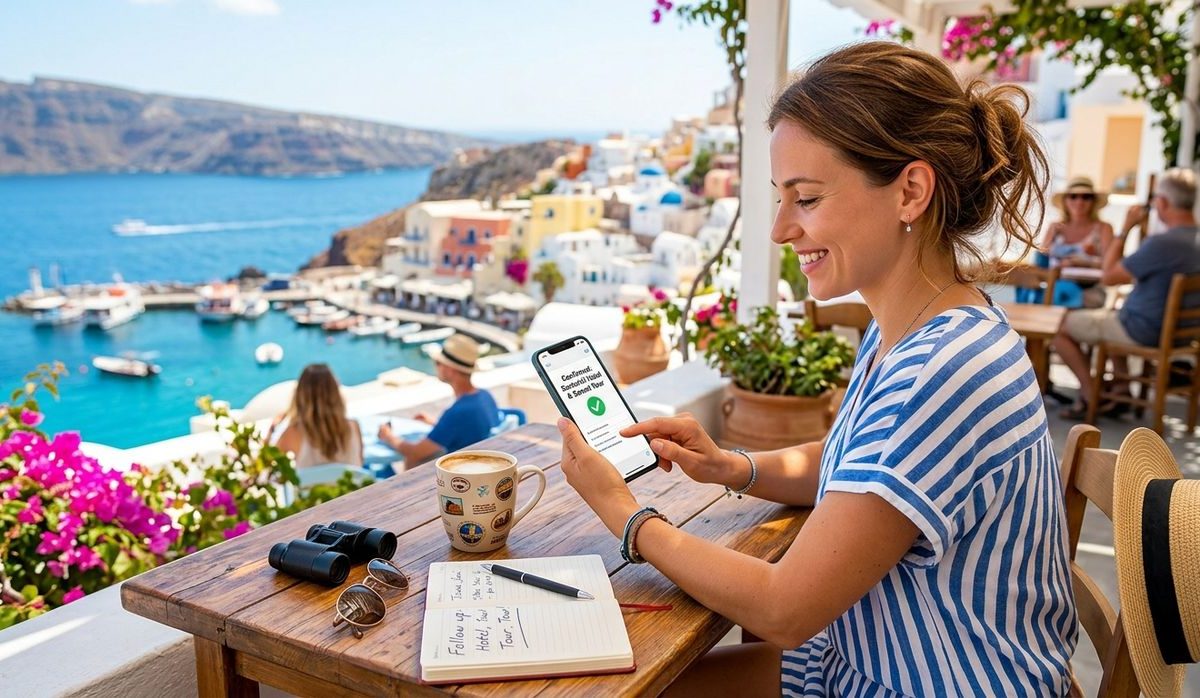
You sent the booking confirmation. You paid. You got the automated receipt. And then, silence. No word on whether the hotel noted your late check-in. No reply about the dietary requirement you flagged during checkout. No update from the tour company about the meeting point.
This is the limbo that sits between booking and actually arriving somewhere, and it stresses out more travelers than almost anything else in the planning process.
The good news is that a well-timed, well-written follow-up email fixes all of it. The not-so-good news is that most travelers either skip the follow-up entirely or send something so vague it gets ignored. This article walks you through exactly what to send, when to send it, and how to make sure it gets opened in the first place.
Key Takeaway:
1. A follow-up email after booking protects you from mix-ups by creating a written record that your requests were received and confirmed.
2. Using a dedicated AI email writer removes the blank-page frustration and gets a professional draft ready in seconds.
3. The subject line is what determines whether your email gets opened, and a subject line tool helps you nail it before you hit send.
Why Follow-Ups Matter More Than Most Travelers Think
Hotels handle dozens, sometimes hundreds, of reservations every day. Tour operators juggle group bookings, individual inquiries, last-minute changes, and supplier logistics all at once. Your special request, even if you submitted it during checkout, can fall through the cracks.
This is not a criticism of those businesses. It is just how volume-heavy operations work. A written follow-up that arrives a week or two before your stay creates a second touchpoint and, critically, a paper trail. If something goes wrong on arrival, you have a timestamp and a reply to point to.
What experienced travelers already know is backed up by how hotel operations actually function: the check-in experience is shaped well before you walk through the door. Staff notes, room preference flags, and special request tags are set up in advance. If yours never made it into the system, by the time you arrive it is usually too late to do anything about it.
The Three Scenarios That Call for a Follow-Up
Not every booking needs a follow-up. But there are three situations where sending one is absolutely worth the five minutes it takes.
1. Confirming Your Booking Was Actually Received
Automated booking confirmations come from reservation software. They confirm that money changed hands. They do not always confirm that a human at the hotel or tour company has seen your booking and queued it up properly.
If you booked through a third-party site, especially for a smaller property or a boutique tour operator, a direct follow-up to the property itself is smart. Something short, friendly, and specific. Your name, your dates, your booking reference, and a single clear ask: can they confirm the reservation on their end?
2. Following Up on a Special Request
Special requests submitted during checkout are the most common thing to fall through the cracks. These include:
- Dietary requirements for included meals
- Accessibility needs or room configuration preferences
- Early or late check-in and check-out requests
- Cot or extra bed arrangements
- Quiet floor, high floor, or specific room type preferences
Each of these is easy to forget about if you submitted it weeks in advance. A follow-up a week before arrival that references your specific request gets it back on someone’s radar without being demanding or difficult.
3. Sorting Out Pre-Arrival Logistics
This is most relevant for tours, transfers, and activities. Where exactly do you meet? What time should you arrive? Is there parking, and if so, is it free? What should you bring? What happens if the weather changes the plan?
Tour operators are great at the experience itself. They are not always great at proactively communicating the operational details that travelers actually need. A simple email asking for the logistics rundown is not annoying. It is helpful for both of you.
The Blank Page Problem (And How to Solve It)
Here is what actually stops most people from sending follow-ups: they sit down to write the email and have no idea how to start. They draft something that feels either too stiff or too casual, delete it, try again, and eventually give up.
Using an AI email writer removes that friction entirely. You provide the context, your booking details, the type of request, and the tone you want. It produces a clear, polite draft in seconds. You read it, adjust anything that does not sound like you, and send it.
The result feels more professional than most people could write under time pressure, and it takes a fraction of the effort. For travelers who are managing multiple bookings across a big trip, this is genuinely a time-saver.
Why the Subject Line Might Be More Important Than the Email Itself
You can write the most thoughtful, perfectly worded follow-up in history. If the subject line is weak, it will not get opened.
Hotel inboxes get a lot of traffic. Tour operator inboxes get more. A subject line like “question” or “booking” or “upcoming trip” is easy to overlook. The email sits unread for three days and then gets buried.
A strong subject line is specific, short, and gives the recipient an immediate reason to open it. Something like “Arrival logistics for Sarah Chen, check-in June 14” or “Confirming dietary request, reservation number 48291” tells the reader exactly what is inside and why it matters to them.
Running your draft through a subject line tool before you hit send is the kind of small habit that makes a real difference. It takes thirty seconds and dramatically increases the chance that your email gets read and replied to within the day.
What to Include in Each Type of Follow-Up
No matter which of the three scenarios applies to you, a good follow-up email follows the same basic structure:
- A clear, specific subject line that references your name, booking reference, or dates.
- A brief opener that confirms who you are and what you have booked, including the dates and your reference number.
- One focused ask, stated plainly. Not a list of four things. One thing, clearly phrased.
- A polite close that thanks them for their time and confirms you are looking forward to the stay or experience.
That is it. Short emails get read. Long emails get skimmed and sometimes missed entirely.
Timing Your Follow-Up Right
Sending too early is almost as unhelpful as not sending at all. A follow-up three months before your stay is easy to forget about. Timing matters, and the hospitality industry has natural rhythms that are worth working with.
Here is what tends to work well based on how accommodation and tour operations actually function:
- For hotels: send your follow-up seven to ten days before check-in. This is when staff are actively reviewing upcoming arrivals and room notes.
- For tours and transfers: contact the operator five to seven days out. This gives them time to confirm logistics with any third-party partners involved.
- For boutique or smaller properties: give it ten to fourteen days. Smaller teams have less bandwidth to action last-minute requests.
Research on email as a communication channel confirms what most travelers already suspect: email works well for this kind of outreach because it is asynchronous, creates a written record, and is easy for the recipient to forward internally if they need to check something with a colleague.
Following Up Without Feeling Like You Are Being a Nuisance
A lot of travelers hesitate to follow up because they do not want to seem difficult or demanding. This concern is worth addressing directly: a polite, clear, single-request email is never a nuisance.
The nuisance emails are the ones that arrive at the wrong time, contain five different questions, use a vague subject line, or repeat themselves twice within the same message. A clean, well-structured follow-up is exactly what hospitality staff prefer. It gives them clear information and a clear action to take.
Being specific is the key. Instead of “I have some questions about my stay,” say “Could you confirm you have a cot on request for our room, booking reference 54120?” The more specific you are, the easier it is for the person on the other end to answer you fast.
The Follow-Up That Brings You Peace of Mind Before You Leave
The real value of a good pre-trip follow-up is not just logistical. It is psychological. Once you have a written reply confirming your late check-in, or a message from the tour operator laying out the meeting point, you stop second-guessing yourself in the weeks leading up to the trip.
That mental clarity is worth a five-minute email. Combine a solid draft with a strong subject line, and you are doing almost everything you can do from your end to ensure a smooth arrival. The rest is up to the property or operator, and that is fine.
Getting the follow-up process right is one of those small travel habits that makes a noticeable difference to the quality of your experience, before you even pack a bag.
