

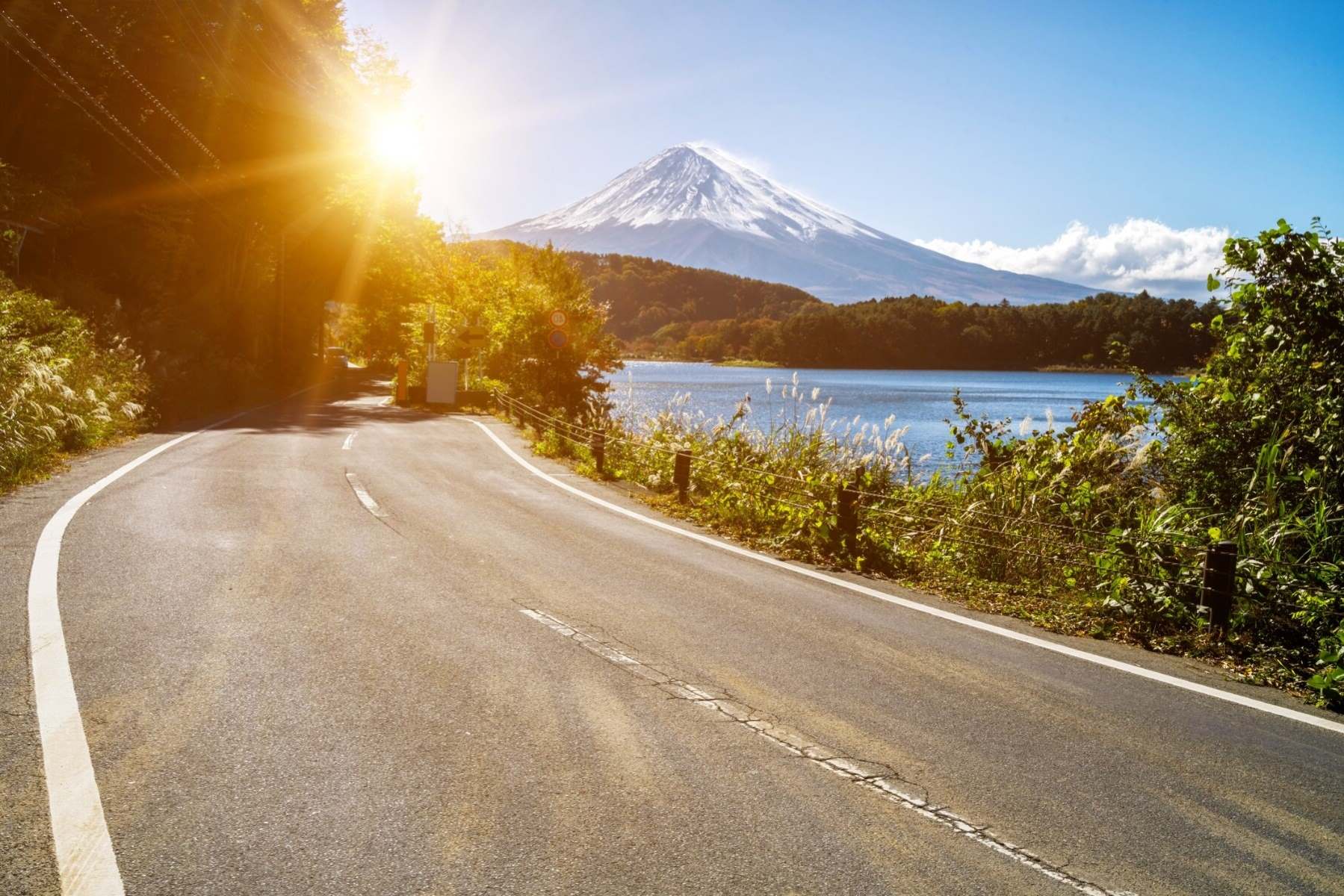
Japan drives on the left because samurai wore their swords on the left hip and walked on the left to avoid scabbards bumping into each other and causing conflict, and because British engineers built Japan’s first railways to operate on the left during the Meiji Restoration. This tradition, rooted in the Edo period, was later cemented by British influence and railway development.
Historical Roots
Japan’s practice of driving on the left has deep roots dating back to the Edo period when samurai warriors roamed the streets.
-
Samurai Culture: Samurai, who wore their swords on the left hip, preferred to walk on the left to avoid scabbards bumping into each other and causing conflict.
-
British Influence: During the Meiji Restoration, Japan sought to modernize and adopted many Western practices. The British, who also drove on the left, influenced Japan’s decision.
-
Railway Development: British engineers helped build Japan’s first railways. They designed the railways to operate on the left, which later influenced road traffic.
Practical Reasons
Apart from historical influences, practical reasons ensure safety and efficiency on the roads.
-
Traffic Flow: Driving on the left helps maintain a smooth traffic flow, especially in densely populated areas. It reduces the chances of head-on collisions.
-
Pedestrian Safety: Pedestrians in Japan are accustomed to looking right first when crossing the street. Changing the driving side would confuse them and increase accidents.
-
Consistency: Consistency in driving rules across the country prevents confusion among drivers. It also makes it easier for tourists to adapt.
Cultural Significance
Driving on the left reflects the country’s respect for tradition and order.
-
Respect for Tradition: Japan values its traditions deeply. Sticking to the left side of the road is a way of honoring historical practices.
-
Order and Discipline: Driving on the left symbolizes order and discipline, which are important aspects of Japanese culture. It promotes a sense of unity and cooperation among drivers.
Modern Implications
Japan’s left-side driving has several modern implications affecting daily life and international relations.
-
Vehicle Design: Japanese cars are designed with the driver’s seat on the right. This design is tailored to left-side driving, ensuring better visibility and control.
-
Tourism: Tourists visiting Japan must adapt to left-side driving. Rental car companies provide information and support to help them adjust. If you need to locate my reservation on Expedia, their customer service can assist with rental car details.
-
International Trade: Japan’s adherence to left-side driving influences its automotive industry. Cars manufactured in Japan are often designed for left-side driving markets.
Conclusion
Japan’s practice of driving on the left is a blend of historical, practical, cultural, and modern factors. This tradition continues to shape the country’s identity and daily life.
Understanding Japan’s Left-Side Driving
Japan’s left-side driving tradition has deep roots in history, culture, and practicality. This practice dates back to the samurai era when warriors wore their swords on the left hip and passed on the left to avoid scabbards bumping. British influence during the Meiji period further cemented this custom. Today, Japan’s adherence to left-side driving ensures consistency and safety on its roads. Travelers should remember this when visiting, as it impacts everything from crossing streets to navigating public transport. Embracing this difference can enhance your travel experience, making it smoother and more enjoyable. Understanding why Japan sticks to the left side of the road offers a glimpse into the country’s rich history and thoughtful approach to daily life.
