

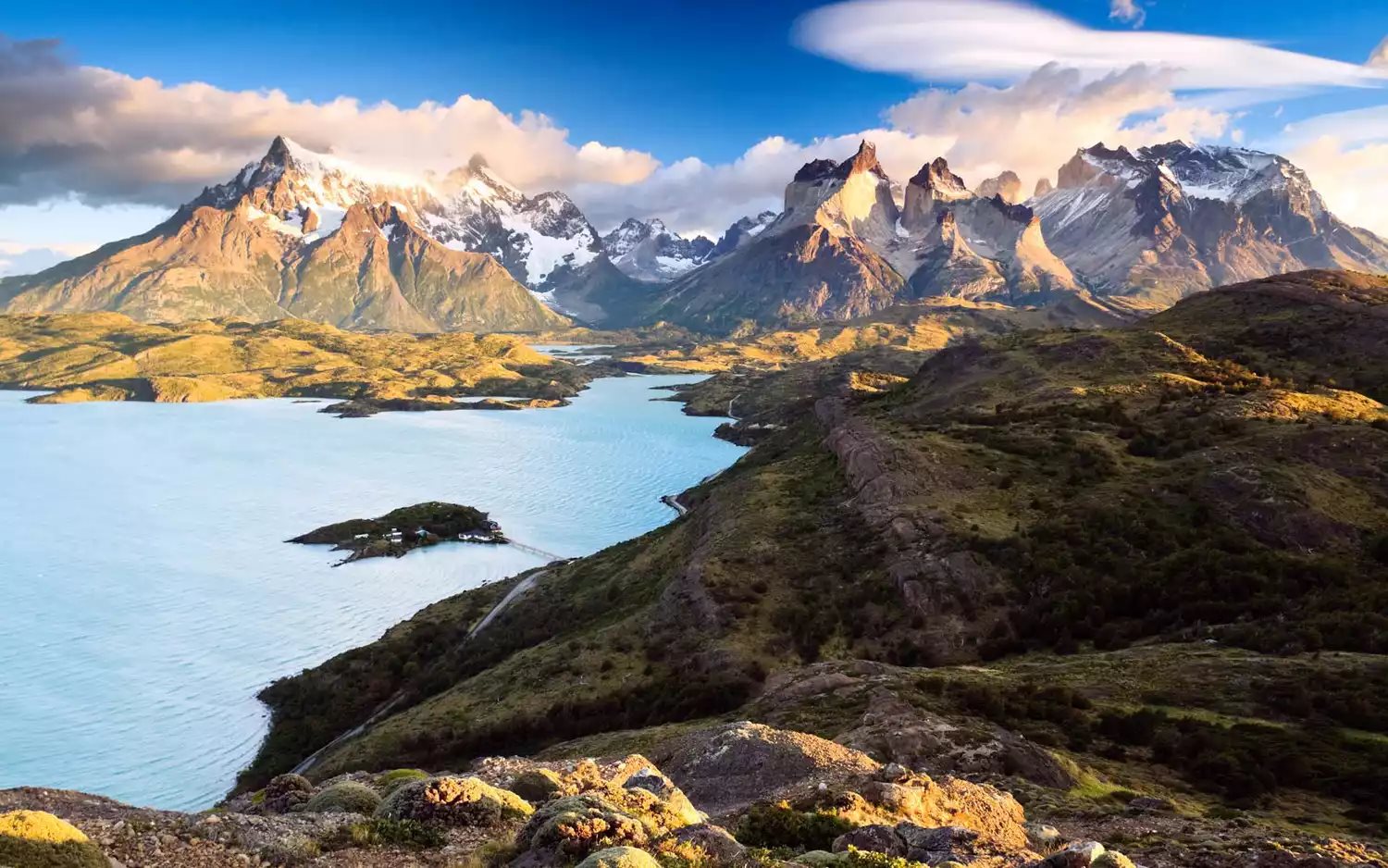
To travel to Patagonia, you fly into one of its major airports like El Calafate, Punta Arenas, Ushuaia, Bariloche, or Puerto Montt via a connecting flight from Buenos Aires or Santiago. If you have more time and a sense of adventure, you can also take a ferry for routes within Chilean Patagonia or for cross-border travel between Argentina and Chile.
Getting to Patagonia
Getting to Patagonia is an adventure in itself. There are several ways to reach this remote region, with the most common options being by air or land.
If you prefer to fly, major airports in Patagonia include El Calafate International Airport in Argentina, Punta Arenas Airport in Chile, and others such as Ushuaia, Bariloche, and Puerto Montt. These airports are reachable via connecting flights from major South American gateway cities such as Buenos Aires and Santiago. Once you arrive at the airport, you can easily arrange for a transfer or rent a car to continue your journey.
If you enjoy long road trips and picturesque landscapes, traveling by land is a popular option. There are bus services that connect major cities in Argentina and Chile to Patagonia. The journey may take several hours or even days, depending on your starting point. However, the scenic views along the way make the trip a memorable experience.
For those with more time and a sense of adventure, consider taking a ferry within Patagonia. There are ferry services available for routes within Chilean Patagonia and for cross-border travel between Argentina and Chile. This option allows you to soak in the stunning views of the fjords and glaciers while enjoying a leisurely journey.
Once you arrive in Patagonia, it's important to plan your transportation within the region. Public buses are a common mode of transport, connecting various towns and landmarks. However, if you prefer more flexibility and independence, renting a car is highly recommended. This will allow you to explore the region at your own pace, stopping wherever you please to admire the breathtaking scenery.
No matter how you choose to get to Patagonia, be sure to plan your journey in advance, as the region can be quite remote and transportation options may be limited during certain times of the year.
Best Time to Visit Patagonia
Choosing the right time to visit Patagonia is crucial to make the most of your trip. Weather patterns and seasonal variations play a significant role in determining the best time to explore this region.
Patagonia experiences its peak tourist season during the summer months, from December to February. This is when the weather is relatively mild, with average temperatures ranging from 45°F to 60°F (7°C to 15°C). The days are long, allowing for more daylight hours to explore and partake in outdoor activities. However, these months can be crowded, and accommodation prices tend to be higher.
For those who prefer to avoid the crowds and enjoy a quieter experience, the shoulder seasons of spring (September to November) and autumn (March to May) are ideal. During these months, the weather can be more unpredictable, with occasional rain and cooler temperatures. However, the landscapes are vibrant, with blooming flowers in spring and stunning fall foliage in autumn.
Winter (June to August) is the off-season in Patagonia. The weather can be harsh, with temperatures dropping below freezing and strong winds. However, this is also the time when you can witness the region's snow-covered mountains and frozen lakes, creating a magical winter wonderland. Winter activities such as skiing, snowshoeing, and ice climbing are popular during this time.
It's important to consider the specific activities you wish to partake in during your visit. For example, if hiking in Torres del Paine National Park is on your bucket list, the best time to go is during the summer months when the trails are accessible and weather conditions are favorable. On the other hand, if you want to witness the breathtaking beauty of the Perito Moreno Glacier, any time of the year is suitable.
Ultimately, the best time to visit Patagonia depends on your personal preferences, desired activities, and tolerance for different weather conditions. Take into account the specific attractions you wish to visit and plan accordingly to make the most of your trip.
Visa Requirements
Before traveling to Patagonia, it's essential to familiarize yourself with the visa requirements for Argentina and Chile, as both countries have different regulations.
Argentina: Most travelers from North America, Europe, Australia, and several other countries can enter Argentina visa-free for a certain period of time. For example, citizens of the United States, Canada, and most European countries can stay in Argentina for up to 90 days without a visa. However, it's important to check the specific visa requirements based on your nationality before your trip. If you plan to stay for a longer period or engage in certain activities, such as work or study, you may need to apply for the appropriate visa in advance.
Chile: Similar to Argentina, travelers from many countries can enter Chile without a visa and stay for a limited period of time. The visa-free period varies, but it is typically 90 days for most tourists. Again, it's crucial to check the specific visa requirements based on your citizenship. If you plan to stay longer or engage in certain activities, such as working or volunteering, you may need to apply for a different type of visa in advance.
It's important to note that visa requirements can change, so it's always advisable to check the official government websites or consult with the nearest embassy or consulate for the most up-to-date information before you travel to Patagonia.
Additionally, it's crucial to have a valid passport with at least six months of validity beyond your planned departure date from Patagonia. Make sure to have all the necessary travel documents and keep them in a safe place during your trip.
For travelers who are planning to visit both Argentina and Chile, be aware that you may need to go through immigration controls when crossing the border, so ensure you have the right documentation for both countries.
By being well-informed about the visa requirements and having the necessary documents in order, you can enjoy a hassle-free journey to Patagonia.
Currency and Money Exchange
When traveling to Patagonia, it's important to familiarize yourself with the local currency and understand the options for money exchange.
Argentina: The official currency in Argentina is the Argentine Peso (ARS). Carry cash in pesos for smaller businesses and markets that may not accept credit cards. Exchange money at banks, currency exchange offices, and some hotels; compare rates and avoid unauthorized street vendors. Credit cards are widely accepted, but carry cash as a backup.
Chile: The official currency in Chile is the Chilean Peso (CLP). Have cash in pesos for smaller establishments. Currency exchange services are available at major airports, banks, and exchange offices. While credit cards are widely accepted, smaller businesses in rural areas may prefer cash transactions.
Notify your bank or credit card provider about your travel plans to Patagonia to prevent your cards from being blocked. ATMs may not be readily available in remote areas, so withdraw enough cash before heading to isolated regions. Use ATMs located in well-lit and secure areas.
Consider exchange rates and any fees for converting your currency to pesos; compare rates and fees to get the most favorable deal. Keep a record of your expenses and save receipts, as you may need them for customs or tax purposes when leaving the country.
Transportation within Patagonia
Getting around Patagonia and exploring its vast landscapes requires efficient transportation options. While the region is known for its remoteness, there are still several ways to navigate this stunning destination.
Public Buses: Public buses are a popular mode of transportation in Patagonia. Various bus companies operate routes connecting major towns and attractions. The buses are comfortable and offer scenic views along the way. However, be prepared for long travel times, especially when covering larger distances. It's advisable to check the bus schedules in advance and book your tickets ahead of time, particularly during peak tourist seasons.
Car Rental: Renting a car is a fantastic option for exploring Patagonia at your own pace. It allows you the flexibility to stop at scenic overlooks, explore remote areas, and deviate from the usual tourist routes. Car rental agencies can be found in major cities and airports. However, keep in mind that some regions of Patagonia may have unpaved roads and challenging driving conditions, so it's essential to choose a suitable vehicle and familiarize yourself with the local traffic regulations.
Ferries and Boats: Patagonia is home to stunning fjords, lakes, and coastal areas, making ferries and boats a unique mode of transportation. These water vessels offer breathtaking journeys to remote destinations that are only accessible by sea. From experiencing the glaciers of Southern Patagonia to navigating the picturesque channels of Tierra del Fuego, boarding a ferry or boat can be a memorable adventure in itself.
Domestic Flights: For travelers with limited time, domestic flights are a convenient option to cover long distances within Patagonia. Several airlines operate flights connecting major cities and towns in the region. It's advisable to compare flight prices and book in advance to secure the best deals.
Taxis and Transfers: Taxis are available in most towns and cities within Patagonia, providing a convenient way to get around locally. Be sure to confirm the fare with the driver or use a metered taxi. Many accommodations also offer airport transfers and organized tours, which can be a hassle-free way to navigate the region.
When planning your transportation within Patagonia, it's important to consider the distance, time, and desired level of convenience. Each mode of transportation offers its unique benefits and can contribute to an unforgettable experience in this remote and captivating region.
Top Destinations in Patagonia
Patagonia is renowned for its incredible natural beauty and diverse landscapes. Here are some of the top destinations that should be on every traveler's list:
- Torres del Paine National Park, Chile: This iconic national park is a UNESCO World Biosphere Reserve and offers breathtaking scenery with towering granite peaks, majestic glaciers, and crystal-clear lakes. Hiking the famous "W" or "O" circuit is a must for outdoor enthusiasts.
- El Chaltén, Argentina: Known as the "hiking capital of Patagonia," El Chaltén is a paradise for trekkers. It's a starting point for trails leading to the stunning Mount Fitz Roy and Cerro Torre. The dramatic landscape and pristine wilderness make it a dream destination for nature lovers.
- Perito Moreno Glacier, Argentina: Located in Los Glaciares National Park, this colossal glacier is a natural wonder. Witnessing the glacier's deep blue ice walls and hearing the thundering sound of ice calving is an unforgettable experience.
- Ushuaia, Argentina: Known as the "End of the World," Ushuaia is the southernmost city in the world. From here, you can embark on cruises to explore the stunning landscapes of Tierra del Fuego, visit penguin colonies, and even set foot on Antarctica.
- Bariloche, Argentina: Nestled in the heart of the Andes, Bariloche is famous for its picturesque alpine scenery, crystal-clear lakes, and charming Swiss-style architecture. It's a haven for outdoor activities like hiking, skiing, and fishing.
- Puerto Natales, Chile: As the gateway to Torres del Paine National Park, Puerto Natales offers a charming base for travelers. With its quaint waterfront, local cuisine, and proximity to stunning nature, it's worth exploring before or after your adventure in the park.
- El Calafate, Argentina: This town is the starting point for visiting the Perito Moreno Glacier. In addition to experiencing the glacier, you can also explore the nearby Glaciarium Museum and enjoy some of the region's famous lamb dishes.
Remember to check your luggage restrictions before you fly—for instance, knowing how much can your suitcase weigh on Southwest can save you fees, and if you need to reset 3 digit lock on American Tourister luggage, do it before you pack.
Popular Activities in Patagonia
Patagonia offers a range of thrilling activities for adrenaline junkies and nature enthusiasts alike. Here are popular activities to consider during your visit:
- Hiking and Trekking: Patagonia is a hiker’s paradise with trails for all skill levels, from the Torres del Paine W Trek to the challenging hike to Mount Fitz Roy in El Chaltén.
- Glacier Exploration: Take a boat tour or hike to glaciers such as Perito Moreno Glacier or Grey Glacier in Torres del Paine National Park to see sparkling blue ice formations.
- Wildlife Watching: Spot penguins and seals on the coast, or observe guanacos and Andean condors in the grasslands. Respect wildlife and keep a safe distance.
- Kayaking and Canoeing: Paddle through turquoise waters, fjords, and lakes, maneuvering amidst icebergs for a tranquil immersion in the region’s beauty.
- Skiing and Snowboarding: In winter, ski at Cerro Catedral in Bariloche or Cerro Castor in Ushuaia for alpine scenery and excellent snow conditions.
- Boat Cruises: Cruise the Beagle Channel, fjords of Tierra del Fuego, or remote areas like Cape Horn for a unique perspective on untouched landscapes.
- Photography and Nature Appreciation: Capture dramatic landscapes, vibrant sunsets, and diverse wildlife. Take time to soak in the peaceful atmosphere.
Plan activities according to the season and weather; some require advance booking. Remember to check luggage restrictions—for example, knowing how much your suitcase can weigh on Southwest helps avoid surprises—and if you need to reset a 3-digit lock on American Tourister luggage, do so before departure. Embrace the spirit of adventure and make unforgettable memories in Patagonia.
Accommodation Options
When it comes to accommodation in Patagonia, you'll find a range of options to suit different preferences and budgets. From rustic lodges to luxury hotels, here are the accommodation options available in the region:
- Eco-Lodges: Patagonia is known for its commitment to sustainability and eco-tourism. You can find eco-lodges built with minimal environmental impact, offering cozy and environmentally friendly accommodations that blend with the natural surroundings while providing necessary amenities.
- Mountain Refuges: For multi-day hikes or treks, mountain refuges provide basic but comfortable overnight stays. These refuges are strategically located along popular hiking routes and offer bunk-style dormitories and shared facilities, allowing hikers to rest in the midst of nature.
- Luxury Hotels: Upscale hotels and resorts offer top-notch amenities, including spas, gourmet dining, and breathtaking views. They provide a retreat after a day of exploring the rugged landscapes.
- Bed and Breakfasts: For a more personal experience, bed and breakfasts are owned and operated by locals who provide cozy rooms, home-cooked meals, and insider tips from friendly hosts.
- Camping: For outdoor enthusiasts and budget-conscious travelers, designated campgrounds are scattered across the region. Check the rules and regulations of each campsite and be environmentally conscious. When packing, note that a typical suitcase size fits under an airline seat for carry-on convenience.
- Hostels: Affordable and sociable, hostels offer dormitory-style or private rooms at budget-friendly prices, with communal areas where travelers can meet.
- Estancias: In the vast plains, traditional ranches offer a unique cultural experience with accommodations, horseback riding, sheep-shearing demonstrations, and locally sourced meals, providing insight into the region's rural heritage.
Regardless of the type of accommodation you choose, book in advance, especially during peak tourist season. Take into account the location, amenities, and proximity to the attractions you wish to visit.
Food and Dining in Patagonia
Exploring the unique flavors of Patagonian cuisine is an essential part of any trip to the region. With its blend of indigenous, European, and modern influences, Patagonia offers a gastronomic experience that will delight your taste buds. Here's a glimpse into the food and dining scene in Patagonia:
Traditional Patagonian Dishes: One of the highlights of dining in Patagonia is the opportunity to savor traditional dishes. These include slow-roasted lamb cooked over an open fire, called cordero al palo, asado (barbecue), and hearty stews like carbonada and locro. These dishes showcase the region's rich culinary heritage and reflect the ranching culture of Patagonia.
Seafood and Freshwater Delights: With its extensive coastal areas and pristine lakes, Patagonia is a seafood lover's paradise. Sample fresh catch from the Atlantic Ocean, such as salmon, trout, and hake. Don't miss the chance to try centolla, a local king crab delicacy. Pair your seafood dishes with a local white wine for a perfect combination.
Wild Game: Patagonia's diverse wildlife also contributes to its culinary offerings. Some establishments offer dishes featuring wild game meats like deer, wild boar, or guanaco. These meats are often cooked in traditional ways, allowing you to experience the unique flavors of Patagonia.
Regional Products: Patagonia is known for its high-quality regional products. Sample artisanal cheeses, including the famous blue cheese known as queso azul. Try locally produced honey, jams, and preserves made from the region's rich variety of fruits and berries. Pair these delights with freshly baked bread for a delicious snack.
Craft Beer and Wine: The craft beer and wine scene in Patagonia has been growing in recent years. Many microbreweries and wineries have emerged, offering unique and flavorful options. Indulge in a glass of Patagonian Malbec or sip on a refreshing artisanal beer as you soak in the stunning landscapes.
Restaurants and Cafés: Patagonia is home to a variety of restaurants and cafés catering to different tastes and budgets. From upscale establishments serving gourmet cuisine to cozy local eateries that specialize in traditional dishes, you'll find plenty of options to satisfy your cravings. Don't forget to try the famous Argentinean empanadas, savory pastries filled with meat or cheese.
Whether you're dining at a renowned restaurant or enjoying a meal at a humble local eatery, the flavors of Patagonia will leave a lasting impression. Embrace the culinary adventures that await you and indulge in the unique gastronomic delights that this captivating region has to offer.
Safety Tips for Travelers
While Patagonia is generally a safe destination for travelers, it's important to take certain precautions to ensure a safe and enjoyable trip. Here are some safety tips to keep in mind:
- Be Prepared for the Weather: Weather conditions in Patagonia can be unpredictable and change rapidly. Pack appropriate clothing layers, including waterproof and windproof gear, to protect yourself from the elements. Always check the weather forecast before heading out, especially if you plan to engage in outdoor activities.
- Stay Hydrated and Protect Against the Sun: Patagonia's dry climate and high altitude can lead to dehydration and increased sun exposure. Drink plenty of water, use sunscreen with a high SPF, and wear a hat and sunglasses to protect yourself from the sun's rays.
- Follow Safety Guidelines During Outdoor Activities: If you're planning adventures such as hiking, trekking, or skiing, make sure you have the necessary skills, equipment, and knowledge. Follow marked trails, respect wildlife and natural habitats, and check local regulations and safety guidelines. It's also advisable to inform someone about your itinerary and expected return time.
- Take Precautions against Altitude Sickness: Some areas of Patagonia, such as the high Andean regions, have high altitudes. If you're not acclimated to the altitude, take it slow, stay hydrated, and avoid excessive physical exertion. If you experience symptoms of altitude sickness, such as headaches, dizziness, or shortness of breath, descend to a lower altitude and seek medical attention if necessary.
- Practice Responsible Wildlife Viewing: Respect the natural habitat and wildlife when encountering animals in their natural environment. Maintain a safe distance and avoid feeding or approaching wild animals. Do not disrupt their behavior or create any harm to the ecosystem.
- Stay Informed about Local Regulations: Familiarize yourself with the rules and regulations of the areas you plan to visit, including national parks and protected areas. Follow the guidelines and obey signage to ensure your safety and the preservation of the environment.
- Be Vigilant with Personal Belongings: Like any other travel destination, be mindful of your personal belongings. Keep valuables secure and be cautious in crowded areas or public transportation. It's advisable to use a money belt or a secure bag to carry your passport, cash, and important documents.
- Use Reliable Transportation Options: Choose reputable transportation services and use licensed taxis or ride-sharing services when available. If you rent a car, be cautious while driving, especially on remote roads, and be aware of traffic regulations and potential hazards.
- Stay Connected: Maintain regular communication with your travel companions and notify someone back home about your itinerary. Ensure your mobile phone is charged or carry a backup battery while exploring remote areas.
By staying informed, being prepared, and exercising caution, you can have a safe and memorable experience in the enchanting landscapes of Patagonia.
Essential Items to Pack
When preparing for your trip to Patagonia, packing the right essentials is crucial for a comfortable and enjoyable experience. Here are some essential items to consider packing:
- Layered Clothing: Patagonia's weather can be unpredictable, with temperature fluctuations throughout the day. Pack a variety of clothing layers, including lightweight base layers, insulating mid-layers, and a waterproof outer layer to adapt to changing weather conditions.
- Sturdy and Comfortable Footwear: A good pair of hiking boots or sturdy walking shoes is essential for exploring Patagonia's trails and rugged terrain. Ensure that your footwear is waterproof and broken-in to prevent discomfort and blisters.
- Daypack: A small daypack is vital for carrying essentials during day trips and hikes. Choose a backpack with comfortable shoulder straps and enough room for water, snacks, sunscreen, and extra clothing layers.
- Water Bottle: Staying hydrated is crucial in Patagonia's dry climate. Carry a reusable water bottle to refill throughout the day, especially during outdoor activities.
- Sun Protection: Patagonia's sun can be intense, so pack sunscreen with a high SPF, a wide-brimmed hat, and sunglasses to protect your skin and eyes from harmful UV rays.
- Insect Repellent: Depending on the season and location, mosquitoes and other insects may be present in certain areas of Patagonia. Pack insect repellent to prevent bites and discomfort.
- First Aid Kit: It's always wise to carry a basic first aid kit that includes bandages, pain relievers, antiseptic wipes, and any necessary prescription medications.
- Navigational Aids: If you plan on exploring remote areas or hiking independently, consider carrying a map, compass, and/or a GPS device to help with navigation. Familiarize yourself with the routes and trails before your journey.
- Travel Adapter and Charger: Patagonia uses type C and type L electrical outlets, so remember to pack a travel adapter and charger suitable for these plug types to keep your devices powered up.
- Waterproof Bags and Dry Sacks: Protect your belongings from rain and water during outdoor activities by packing waterproof bags or dry sacks. These will ensure that your electronics, documents, and spare clothing remain dry and safe.
- Inflatable Neck Pillow and Eye Mask: If you have long flights or bus rides planned, consider packing an inflatable neck pillow and eye mask to enhance your comfort and get some rest during your travels.
- Cash and Cards: While credit cards are widely accepted in larger towns, it's advisable to carry some cash for smaller establishments or remote areas that may not have card payment options. Keep your money and cards in a secure travel wallet or money belt.
Remember to pack according to the specific activities and season in Patagonia. Check the local weather forecasts, research the requirements of your planned adventures, and pack accordingly. By being prepared with the right essentials, you can fully enjoy the wonders of Patagonia without any unnecessary inconveniences.
Conclusion
Patagonia captivates travelers with its breathtaking landscapes, incredible wildlife, and adventure opportunities—from the towering peaks of Torres del Paine National Park to majestic glaciers and rich cultural heritage.
Plan ahead for the best time to visit, visa requirements, and transportation.
Pack essential items for comfort and safety in this remote region. Embrace hiking, trekking, wildlife watching, and cruising through fjords. Savor traditional delicacies and experience local hospitality. Be respectful of the pristine environment—follow safety guidelines, practice responsible travel, and leave no trace. Before you go, check how much can your suitcase weigh on Southwest to avoid surprises at the airport.
