

To walk from Villa O'Higgins, Chile to El Chaltén, Argentina, you only walk about 34 kilometers of the 130-kilometer route. The rest is covered by bus, ferry, and transfer, making this a multi-stage crossing rather than a continuous hike.
From Villa O'Higgins, a short bus ride takes you to Puerto Bahamóndez for a ferry across Lago O'Higgins to Candelario Mancilla. A 22-kilometer walk with border formalities follows to Punta Norte on Lago del Desierto, where you either take another ferry or walk 12 kilometers along the shore to Punta Sur. A final bus or hitchhike of about 40 kilometers brings you to El Chaltén, with views of the Fitz Roy range along the way.
Route Overview
The trek from Villa O'Higgins to El Chaltén spans approximately 130 kilometers (81 miles) and takes you through some of the most pristine and remote areas of Patagonia. The route can be completed in about 3 to 5 days, depending on your pace and the weather conditions. Keep in mind that this is a challenging trek that requires a moderate level of fitness and hiking experience.
The journey starts in Villa O'Higgins, a small town located in the Aysén region of Chile. From there, you'll take a bus or transfer about 7 kilometers (4.3 miles) to Puerto Bahamóndez pier at the southernmost point of the Carretera Austral.
At this point, you'll need to take a ferry across the challenging and unpredictable Lago O'Higgins/San Martín. The ferry ride itself is an adventure, as you navigate through the icy waters surrounded by towering glaciers; the crossing takes 1 hour 45 minutes to 3 hours. Once across the lake, you'll arrive at Candelario Mancilla, the starting point of the 22 km walk to Laguna del Desierto with border formalities at the Chilean and Argentine checkpoints.
The next section of the trek involves a 22 km walk to Laguna del Desierto, passing through border checkpoints between Chile and Argentina.
After completing the 22 km walk from Candelario Mancilla, you'll arrive at Punta Norte on Lago del Desierto, a stunning lake straddling the border between Chile and Argentina. From there, you'll either take a ferry or walk 12 km along the lake shore to Punta Sur, then take a bus or hitchhike about 40 km to El Chaltén, known as the trekking capital of Argentina.
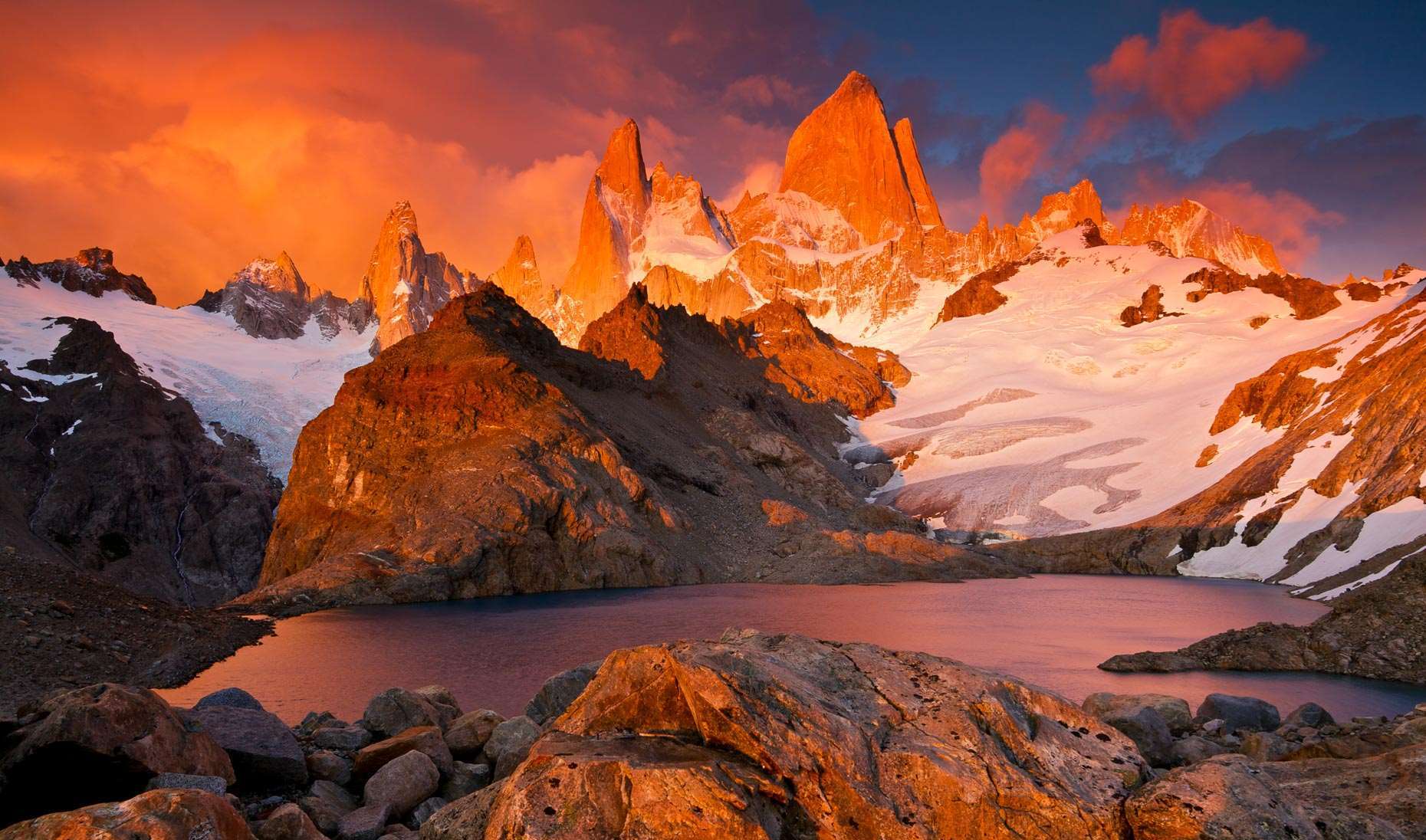
The final stretch of the journey takes you by bus or hitchhike along a road with views of the majestic Fitz Roy mountain range, offering glimpses of towering peaks and glacial lakes. The journey concludes in El Chaltén, a vibrant town nestled in the heart of the Patagonian wilderness.
Overall, the route from Villa O'Higgins to El Chaltén is a challenging and rewarding adventure that will push your limits and immerse you in the raw beauty of Patagonia. It's a journey that will leave you with memories to last a lifetime.
Preparation for the Journey
Embarking on the trek from Villa O'Higgins to El Chaltén requires careful preparation to ensure a safe and enjoyable experience. Here are some essential steps to take before setting off on this epic adventure.
Physical Fitness
It's important to have a good level of cardiovascular fitness and endurance before attempting this trek. Engaging in regular aerobic exercises such as hiking, biking, or jogging can help improve your stamina and prepare your body for the physical challenges ahead.
Hiking Experience
Prior hiking experience, especially in remote and challenging environments, is highly recommended for this trek. Familiarize yourself with navigation skills, trail etiquette, and basic survival techniques. Practice hiking with a loaded backpack to simulate the weight you will carry during the journey.
Route Research
Thoroughly research the trail, available maps, and guidebooks to familiarize yourself with the route. Study the terrain, elevation changes, and potential hazards along the way. Plan your itinerary accordingly, considering the recommended daily distances and available camping spots.
Gear and Equipment
Invest in high-quality hiking gear and equipment. This includes a sturdy and comfortable backpack, a reliable tent, a warm sleeping bag suitable for cold temperatures, a lightweight and durable stove, cooking utensils, appropriate clothing for varying weather conditions, waterproof hiking boots, trekking poles for stability, and a reliable GPS device or compass for navigation.
Permits and Documentation
Check if permits or special permissions are required for certain sections of the trek, such as crossing the Lago O'Higgins/San Martín. Ensure you have all the necessary travel documents, including valid passports, visas, and identification cards.
Food and Water
Plan your meals and snacks carefully, taking into account the length of your journey and the availability of resupply points. Pack lightweight and nutritious food that provides enough energy for your daily activities. Carry a sufficient supply of water or purification methods to ensure safe drinking water along the way.
Weather and Safety Considerations
Research the weather patterns and seasonal conditions in the region. Pack appropriate clothing layers to protect against rain, wind, and cold temperatures. Be aware of potential hazards such as river crossings, steep sections, and changing weather conditions. Carry a first aid kit and familiarize yourself with basic wilderness first aid techniques. The full crossing spans approximately 130 kilometers (81 miles), with walking portions totaling about 34 km (22 km from Candelario Mancilla to Laguna del Desierto, plus a 12 km optional shore walk). The rest involves bus or transfer rides and a ferry. For the final stretch from Punta Sur to El Chaltén, hitchhiking or a bus covers about 40 km along a road—not a trek through the Fitz Roy range. Proper preparation, including checking border formalities at Chilean and Argentine checkpoints, is essential for a safe journey.
By adequately preparing for the trek from Villa O'Higgins to El Chaltén, you'll set yourself up for a successful and enjoyable journey. Remember, safety should always be a top priority, and it's essential to be well-equipped and informed before venturing into the wilds of Patagonia.
Day 1: Villa O'Higgins to Candelario Mancilla
The first day of the journey takes you from Villa O'Higgins to Candelario Mancilla, marking the beginning of your adventure from Chile to Argentina. This section begins with a short bus or transfer ride, then a ferry crossing of Lago O'Higgins/San Martín.
Start your day early in Villa O'Higgins, ensuring you have a hearty breakfast and double-checking all your gear and supplies. The journey begins with a bus or transfer along the Carretera Austral, a scenic gravel road that winds through lush forests and offers stunning views of the surrounding mountains.
The initial part of the journey is a short bus or transfer ride, allowing you to enjoy views of crystal clear rivers, tranquil lakes, and vibrant meadows that showcase the natural beauty of the region.
From here, the journey becomes more isolated and adventurous, as you leave civilization behind and venture into the wilderness.
Prepare to cross the challenging Lago O'Higgins/San Martín, a large glacial lake that separates Chile and Argentina. The crossing involves taking a ferry, which takes between 1 hour 45 minutes and 3 hours and operates only during specific months, subject to weather conditions. It's crucial to check the ferry schedule in advance and plan your journey accordingly.
The ferry ride itself is a highlight, offering incredible views of glaciers, mountains, and the vast expanse of the lake. Keep in mind that the weather can be unpredictable, making the crossing choppy and potentially challenging. Dress warmly and secure your belongings to avoid any mishaps.
Once you reach the other side of the lake, you'll arrive at Candelario Mancilla. Take some time to rest, set up camp, and enjoy a well-deserved meal. The surroundings offer stunning views of the snow-capped mountains and pristine wilderness.
As you settle in for the night, take a moment to appreciate the solitude and serenity of this remote location. Rest up and prepare yourself for the next day's walk, as the journey from Villa O'Higgins to El Chaltén continues to unfold.
Remember, it's essential to be well-prepared, carry enough water and food, and adhere to Leave No Trace principles by respecting the environment and leaving nothing behind. Stay hydrated, take breaks when needed, and enjoy the incredible natural beauty that surrounds you on this unforgettable trek.
Day 2: Candelario Mancilla to Lago del Desierto
On the second day of your trek from Villa O'Higgins to El Chaltén, you'll embark on a challenging and awe-inspiring journey from Candelario Mancilla to Lago del Desierto. This section of the trek covers 22 kilometers (13.7 miles) and can take around 7-8 hours to complete, depending on your pace and weather conditions. This walk takes you directly to Laguna del Desierto, not across the Southern Patagonian Ice Field—that is a different, far more technical expedition.
As you bid farewell to Candelario Mancilla, be prepared for a day of breathtaking views, challenging terrain, and a sense of remoteness. The trail initially ascends through a picturesque valley, surrounded by pristine glaciers and towering mountains. It's important to stay alert and navigate carefully, as the path can be rocky and uneven. Trekking poles can provide added stability and support.
As you continue on, you may encounter moraines, large rock formations left behind by retreating glaciers. Take your time crossing these sections, ensuring your footing is secure and maintaining a steady pace. The views around you will be nothing short of awe-inspiring, with glaciers glistening in the sunlight and the sound of rushing rivers filling the air. During this stretch, you will pass through border checkpoints between Chile and Argentina, so have your passport ready.
It's crucial to remain aware of the ever-changing weather conditions. Patagonia's weather can be unpredictable, with sudden wind gusts and rapid shifts in temperature. Dress in layers and be prepared for rain, wind, or even snow, depending on the season. Always prioritize safety, and if the conditions become too severe, seek shelter and wait for them to improve.
Eventually, you'll reach the highest point of the trek, where you'll be rewarded with panoramic views. Take a moment to absorb the magnificence of the surrounding landscape. From here, the trail descends towards Lago del Desierto, a stunning lake that marks the border between Chile and Argentina. The descent can be steep and challenging, so proceed with caution and use trekking poles to maintain balance.
Arriving at Punta Norte on Lago del Desierto is a triumphant moment, as you've successfully navigated through the rugged Patagonian landscape. Take a well-deserved break, find a peaceful spot along the lake's shore to rest and refuel, and soak in the beauty of the surrounding mountains and crystal-clear waters.
As you settle in for the night, consider camping near the lake or at one of the designated camping areas nearby. Take the time to reflect on the day's adventures and prepare for the journey ahead. Remember to leave no trace, respect the environment, and ensure you have enough food, water, and essential supplies for the next leg of your adventure.
Day 3: Lago del Desierto to El Chaltén
Day 3 of your journey from Villa O'Higgins to El Chaltén is the final stretch, taking you from Lago del Desierto to the trekking capital of Argentina. This section covers approximately 12 kilometers (7.5 miles) on foot plus a 40-kilometer (25-mile) bus or hitchhike ride, not a 30-kilometer hike.
There is no trail through Los Huemules Natural Reserve on this route.
From Punta Sur, you'll take a bus or hitchhike about 40 km along a road to El Chaltén. The final stretch is by road, not a trek through the Fitz Roy mountain range, though you'll have views of the majestic peaks and glacial lakes.
As you travel, keep an eye out for the abundant wildlife that calls this region home. You may be lucky enough to spot guanacos, Andean condors, or even the elusive puma. Remember to admire and appreciate these creatures from a respectful distance, as they are wild and should not be disturbed.
The road meanders through open landscapes with views of the Fitz Roy range and its surrounding peaks. Prepare to be captivated by the natural beauty that unfolds before your eyes, with glaciers clinging to the mountainsides and sparkling alpine lakes dotting the landscape.
Note that Laguna Capri is accessed via hiking trails from El Chaltén, not on this cross-border route. There is no swing bridge over the Río de las Vueltas along this road segment, and no trail through lenga forests on the final stretch.
As you approach your destination, the lively atmosphere of this trekking hub becomes palpable, with fellow hikers and adventurers exchanging stories and basking in the shared sense of accomplishment.
Finally, you'll reach El Chaltén, the ultimate reward for your efforts. This charming town offers a well-deserved respite, with cozy accommodations, delicious meals, and the opportunity to reflect on your incredible journey through the Patagonian wilderness.
Take the time to explore El Chaltén, indulge in a celebratory meal, and revel in the sense of accomplishment that comes from completing this challenging crossing. The Fitz Roy range looms majestically in the background, a constant reminder of the epic adventure you've conquered.
As you conclude your journey from Villa O'Higgins to El Chaltén, savor the memories and soak in the beauty of Patagonia. This crossing will forever hold a special place in your heart, a testament to your strength, resilience, and love for adventure.
Congratulations on completing the trek, and may your future journeys be filled with as much awe and wonder as this unforgettable experience.
Essential Gear and Supplies
When embarking on the trek from Villa O'Higgins to El Chaltén, having the right gear and supplies is crucial for a safe and enjoyable journey. Here is a list of essential items to consider packing for this epic adventure:
Hiking Gear
- Sturdy and comfortable backpack
- Trekking poles for stability
- Waterproof and breathable hiking boots
- Moisture-wicking socks
- Quick-drying hiking pants
- Lightweight and breathable hiking shirts
- Warm insulating layers for cold temperatures
- Waterproof and windproof jacket
- Sun protection gear (hat, sunglasses, and sunscreen)
- Gloves and a beanie for colder weather
Camping Gear
- Durable and lightweight tent
- Warm sleeping bag suitable for cold temperatures
- Inflatable sleeping pad for insulation and comfort
- Cooking stove and fuel
- Cooking utensils (pot, pan, and utensils)
- Lightweight and packable camping dishes and utensils
- Water purifying system or tablets
- Headlamp or flashlight with extra batteries
- Basic camping toiletries and a microfiber towel
Navigation and Safety
- Maps, compass, and/or GPS device for navigation
- Whistle for signaling in case of emergencies
- First aid kit with essential supplies and medication
- Emergency shelter or bivvy sack
- Phone or satellite communication device for emergencies
- Emergency contact information and relevant permits/documents
Food and Water
- Lightweight and high-calorie backpacking meals
- Nutritious snacks for quick energy boosts
- Water bottles or hydration bladder
- Water filter or purification tablets
- Collapsible water container for additional water storage
Clothing and Miscellaneous
- Quick-drying underwear and socks
- Breathable and moisture-wicking base layers
- Insulating layers such as fleece or down jacket
- Rainproof and windproof outer shell
- Hiking hat and sunglasses
- Insect repellent and mosquito net
- Personal toiletries and medication
- Repair kit (sewing kit, duct tape, cable ties)
- Camera or smartphone to capture the stunning landscapes
Before embarking, thoroughly test your gear and ensure it is in good working condition. Pack smartly, distributing weight evenly in your backpack. Familiarize yourself with how to use your equipment, including setting up your tent and operating your stove. For those interested in further adventure, mountaineering gear and packing lists in adventure offer additional guidance for technical trips. Remember to pack light and prioritize lightweight, multi-purpose gear. The weight of your backpack significantly impacts comfort and endurance during the 34 km of walking (plus bus, ferry, and transfer segments totaling 130 km). By having appropriate gear, you’ll be well-prepared to tackle the challenges and immerse yourself in Patagonia’s beauty.
Safety Considerations
Here are some important safety considerations to keep in mind:
Weather Awareness
Patagonia is known for its unpredictable weather, so it's essential to stay informed about the current and forecasted weather conditions. Be prepared for sudden changes in temperature, high winds, and potentially heavy rainfall. Dress appropriately in layers and carry waterproof and windproof gear to protect yourself from the elements.
Trekking Experience
The trek from Villa O'Higgins to El Chaltén is a challenging endeavor that requires a moderate level of fitness and hiking experience. It's recommended to have prior experience with multi-day hikes and remote wilderness environments.
Navigation
Carry reliable navigation tools such as maps, a compass, and a GPS device. Study the trail and familiarize yourself with key landmarks and intersections. Pay close attention to trail markers and maintain a constant awareness of your surroundings. If you're unsure about a route or encounter poor visibility, err on the side of caution and consider turning back or waiting for better conditions. Remember that this crossing is exploration, not a marked trek: the 22 km walk from Candelario Mancilla to Laguna del Desierto includes border checkpoints, and the 12 km shore walk from Punta Norte to Punta Sur on Lago del Desierto requires careful route-finding. The final 40 km by bus or hitchhike to El Chaltén follows a road, not a trail.
Glacier Safety
If you plan to cross the Southern Patagonian Ice Field, it's important to have the necessary experience and equipment for glacier travel. Hiring a guide or joining a guided tour is highly recommended for this section. Understand the risks associated with glacier travel, such as crevasses and shifting ice, and acquire the appropriate knowledge and skills for safe passage. Always have the necessary equipment, including crampons, ice axes, and ropes, if required. Note that the route described in this article does not cross the ice field; that crossing is a separate, far more technical expedition requiring dedicated mountaineering gear and packing lists in adventure.
Wildlife Encounter
Patagonia is home to diverse wildlife, including guanacos, foxes, and birds of prey. While observing wildlife can be a remarkable experience, it's crucial to maintain a respectful distance and avoid approaching or feeding them. Always store food securely to avoid attracting animals to your campsite. Familiarize yourself with the proper procedures for encounters with larger wildlife, such as pumas, and know how to respond in a safe and responsible manner. For those seeking extreme sports in adventure, the region also offers challenging terrain, but wildlife safety remains paramount.
Medical Preparedness
Be aware of any pre-existing medical conditions and bring necessary medications. It's also important to inform a trusted contact about your itinerary and estimated return date. In case of emergency, know how to call for help and carry a means of communication, such as a satellite device or phone with reliable coverage. Given the remote nature of this 130 km crossing—where only 34 km is on foot and the rest by bus, ferry, and transfer—a satellite device is especially critical for the 22 km trail from Candelario Mancilla to Laguna del Desierto, where border checkpoints are the only facilities.
Leave No Trace
Respect the environment and leave no trace of your presence. Pack out all trash and waste, including biodegradable items. Stick to designated campsites and established trails. Use established fire rings or designated stoves for cooking, and properly extinguish all fires. Minimize your impact on fragile ecosystems and contribute to the preservation of this pristine wilderness.
By adhering to these safety considerations, you'll significantly enhance your experience and mitigate potential risks during the trek from Villa O'Higgins to El Chaltén. Remember, your safety and the preservation of the natural environment should always be top priorities when exploring this awe-inspiring region.
Conclusion
From Villa O'Higgins, you take a bus or transfer about 7 kilometers to Puerto Bahamóndez pier, then a ferry of 1h45m to 3 hours across Lago O'Higgins to Candelario Mancilla. This is the starting point for a 22 km walk to Laguna del Desierto, with border formalities at Chilean and Argentine checkpoints—not a crossing of the Southern Patagonian Ice Field, which is a far more technical expedition.
After completing the 22 km walk, you arrive at Punta Norte on Lago del Desierto. The final stretch offers glimpses of the Fitz Roy mountain range, but is not a trek through it or through Los Huemules Natural Reserve.
Physical fitness, hiking experience, and careful preparation are essential. From choosing appropriate gear to ensuring you're equipped with essential supplies and safety considerations, proper planning is key. Stay aware of changing weather conditions, use reliable navigation tools, and respect the environment by practicing Leave No Trace principles. For those interested in mountaineering gear and packing lists in adventure, this route's modest walking portions (totaling about 34 km) require less technical equipment than ice field crossings.
Whether you're an experienced hiker seeking a new challenge or an adventurer looking for a transformative journey, this cross-border route offers an unparalleled opportunity to reconnect with nature and push your boundaries in the breathtaking landscapes of Patagonia.
