

Part of our Argentina guide.
Thirteen travel highlights across Argentina, from Patagonia’s autumn colors to Buenos Aires nightlife, are gathered here with practical specifics for planning a trip. You’ll find what to see, when to go, and how to make the most of each region.
Related travel guides: Things To Do In Argentina, Hiking And The Outdoors In Argentina, and Secrets Of Argentina's Patagonia Dinosaur Fossils.
Patagonia In Autumn: 5 Reasons To Go And 5 Things To Know
Autumn in Patagonia (March–May) brings fewer crowds and fiery foliage along the southern Andes. The region, shared by Argentina and Chile, offers hiking, wildlife viewing, and dramatic peaks without summer’s peak-season pressure. Trails around El Chaltén and Torres del Paine are accessible, though weather shifts quickly—pack layers and rain gear. Guanacos and condors are active, and the golden lenga forests are at their best in late April. It’s a quieter, more intimate Patagonia than December’s bustling scene.
Why November In Argentina Will Surprise You
November is spring in Argentina, with mild days and blooming jacaranda trees in Buenos Aires. The capital hosts street fairs and outdoor festivals, while Patagonia’s trails are snow-free at lower elevations. Head to Mendoza for wine tours—the vineyards are green, but the grape harvest (vendimia) happens in February–March, so don’t expect crush season. Don’t miss the Iguazu Falls; the water flow is high but not at its absolute peak—that comes with summer rains from December to February. Football matches are in full swing, and the weather is ideal for city exploring.
The Most Famous Argentines And Their Astonishing Journeys To Fame
Argentina’s global icons span soccer, politics, and art. Lionel Messi’s rise from Rosario to World Cup glory is a story of relentless skill, while Eva Perón’s leap from actress to First Lady reshaped social policy. The tango’s Carlos Gardel and the revolutionary Che Guevara also hail from this country, each leaving a distinct mark. Their paths share a thread of ambition against political and economic turbulence, making their legacies inseparable from Argentina’s own narrative.
Iguazu Falls From Above
Seeing Iguazu Falls from a helicopter or small plane offers a perspective you can’t get from the walkways. The falls span 2.7 kilometers across the border with Brazil, with 275 individual drops—the largest is the U-shaped Devil’s Throat. Flights typically last 10–15 minutes and cost around $150–$200 per person, depending on the operator and season. For a less expensive view, the Garganta del Diablo walkway on the Argentine side puts you at the edge of the main chasm, where the spray soaks every railing.

Guide To Visiting Northern Argentina: What To See In Salta And Jujuy
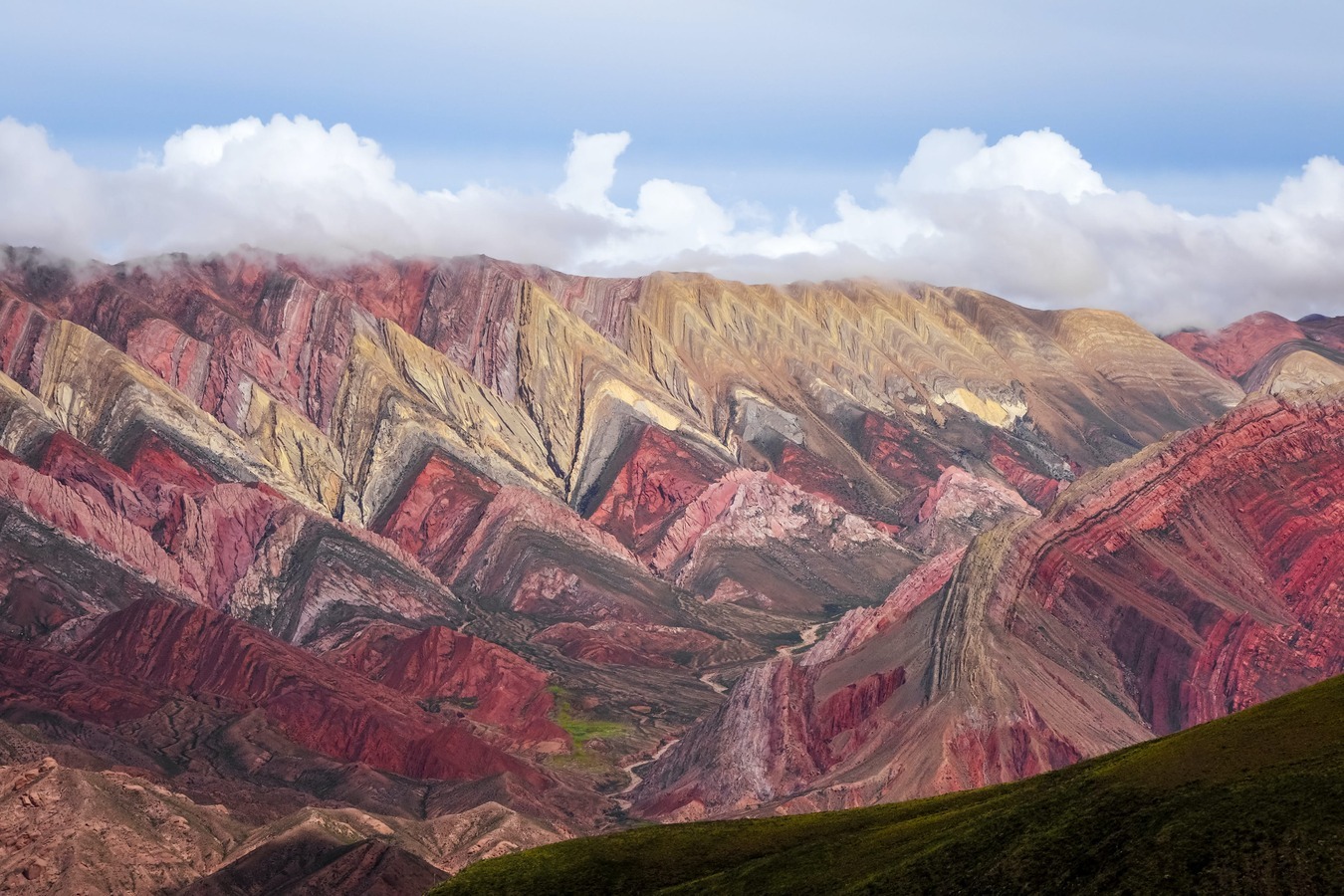
Salta and Jujuy provinces, tucked against the Andes, are a mix of colonial towns and stark high-desert landscapes. Salta’s city center is a grid of whitewashed buildings and churches, while the nearby Train to the Clouds (Tren a las Nubes) climbs to 4,200 meters—check availability, as it runs seasonally. In Jujuy, the Quebrada de Humahuaca is a UNESCO-listed valley of multicolored hills, with the Cerro de los Siete Colores at Purmamarca as the postcard star. The altitude here reaches 3,000 meters, so acclimatize before hiking.
La Boca: The Most Photogenic Stop On Buenos Aires Tours
La Boca’s Caminito street is a rainbow of corrugated-metal houses and tango dancers posing for tips. The neighborhood’s working-class roots trace to Italian immigrants who painted with leftover ship paint, and the tradition stuck. La Bombonera stadium, home to Boca Juniors, sits a few blocks away—match-day tours run hourly, but book ahead for a game. Keep your camera close but your valuables hidden; the area is safe by day, but pickpocketing spikes after dark.
Mendoza Wine Tasting With Mendoza Wine Camp: More Than Just Malbec
Mendoza Wine Camp offers a hands-on wine experience beyond the standard tasting room pour. You’ll visit family-run bodegas in Luján de Cuyo and Maipú, where the high-altitude sun and Andes meltwater shape bold Malbecs and emerging varietals like Bonarda and Torrontés. The camp includes vineyard walks and a blending session where you craft your own bottle. Prices start around $120 per person for a full day, including lunch and transport from Mendoza city—a practical way to cover ground without a rental car.
9 Breathtaking Argentine Landscapes You Need To See
Argentina’s geography runs from the Andes’ Aconcagua peak (6,961 meters) to the Pampas’ flat farmland and the Patagonian steppe. The Perito Moreno Glacier in Los Glaciares National Park is one of the few advancing glaciers in the world, and you can walk its southern face on a guided ice trek. In the northwest, the Salinas Grandes salt flats stretch 12,000 square kilometers, while the Esteros del Iberá wetlands in Corrientes rival the Amazon for wildlife. Each region demands its own season—winter (June–August) is best for the northwest, summer (December–February) for Patagonia’s hiking.
5 Nightclubs In Buenos Aires You Can't Afford To Miss
Buenos Aires nightlife starts late—dinner at 10 PM, clubs filling after 2 AM. In Palermo, Club Araoz and Niceto Club mix electronic and indie sets, while San Telmo’s La Cigale is a classic for live rock. For a tango-infused evening, La Ventana in Montserrat offers dinner and a show. Cover charges run $10–$20, with open bars often included in the price. Dress smart—jeans and sneakers may not get you past the bouncer at upscale venues like Kika in Palermo Hollywood.
A Short Guide To Tafi Del Valle
Tafi del Valle sits at 2,000 meters in the Calchaquí Valley, a two-hour drive from San Miguel de Tucumán. The village is a base for hiking to the El Mollar’s Indian ruins or the Los Menhires field, where pre-Columbian standing stones date to 500 AD. The climate is temperate year-round, with cool nights even in summer. Local cheese and empanadas from the valley’s dairy farms are a highlight—try the goat-milk versions at the weekend market.

Biking Buenos Aires: A Sightseeing Journey Through History And Culture
Buenos Aires’ bike lanes (bicisendas) cover over 200 kilometers, making pedal-powered sightseeing practical. Start at the Obelisco on 9 de Julio Avenue, then ride east to Puerto Madero’s modern waterfront, and south to San Telmo’s cobblestones and antique markets. The city’s free bike-share system, Ecobici, requires a local ID and registration—bring your passport to sign up at a kiosk. For a guided route, the “Graffiti Mural” tour in Palermo covers 20-plus murals in 3 hours, costing around $30.
Cafayate - Argentina's Other Wine Country
Cafayate, in Salta’s foothills, is known for high-altitude Torrontés, a white wine with floral aromas. The town sits at 1,700 meters, and vineyards here are among the world’s highest—some exceed 2,000 meters. The Ruta 68 from Salta city is a 2.5-hour drive through the Quebrada de Cafayate’s red-rock formations, including the Garganta del Diablo and El Amphitheater. Most bodegas offer free tastings, and the town’s peñas (folk-music bars) keep things lively after sunset.
Fascinating Locations To Experience Perpetual Rainbows
Perpetual rainbows occur where mist and sun align daily—most famously at Victoria Falls in Zambia, but also at Hawaii’s Waimea Canyon and Iceland’s Skógafoss. In Argentina, the Iguazu Falls’ spray creates frequent arcs, especially on sunny mornings from the Brazilian side. The phenomenon depends on the sun’s angle, so early morning or late afternoon offers the best chance. No guarantee—rainbows need clear skies opposite the sun—but these spots maximize the odds.
