

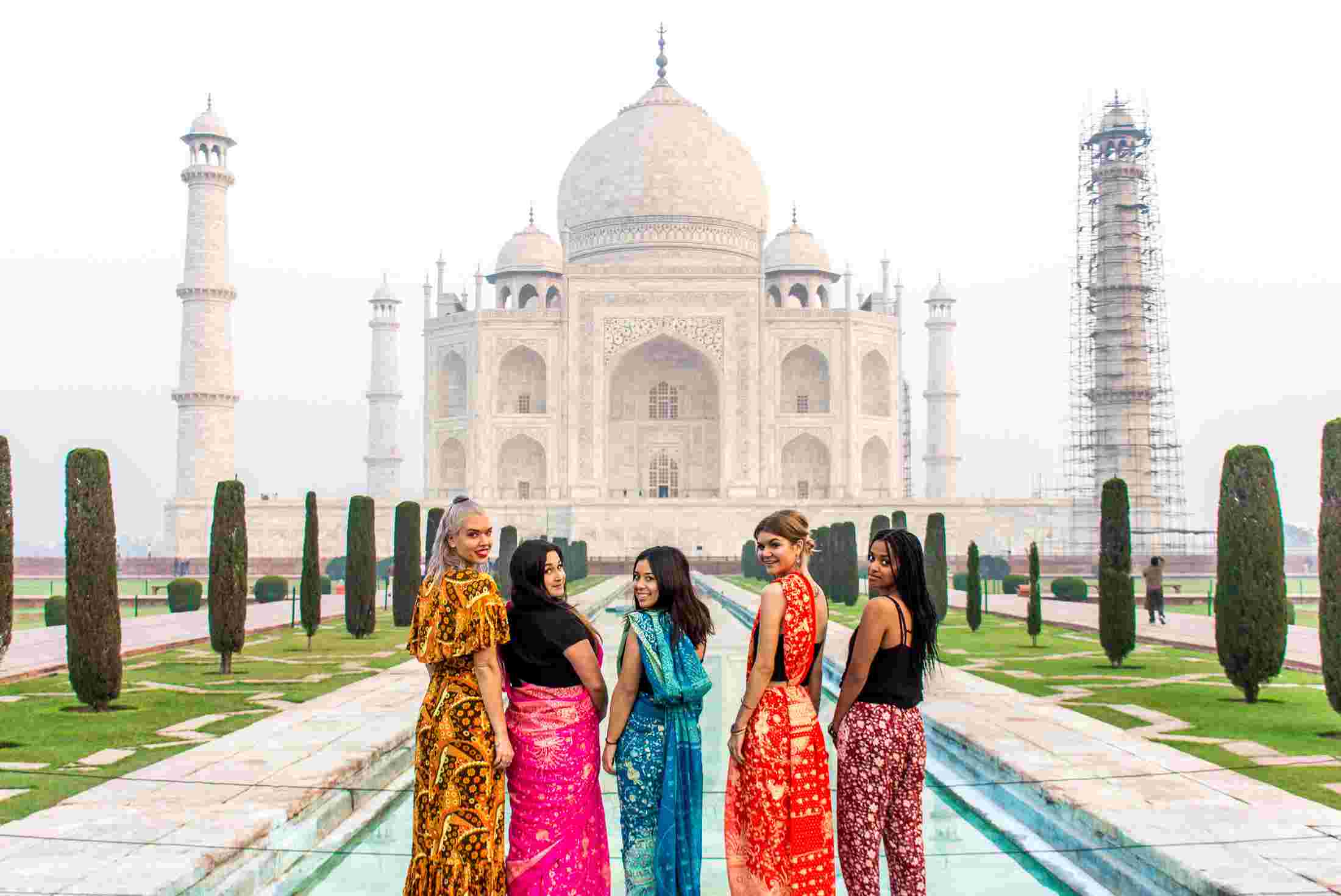
Wear loose, breathable clothing made from natural fabrics like cotton or linen, and always carry a scarf for modesty and temple visits. The main caveat is that India’s climate varies from scorching deserts to cool Himalayan hills, so layering is essential, especially for northern winters and hill stations where temperatures drop after sunset.
Climate in India
India experiences a diverse range of climates due to its vast size and geographical variations. The country can be broadly categorized into four seasons: winter, summer, monsoon, and post-monsoon.
During winter (December to February), northern regions and hill stations can be quite chilly, with temperatures dropping to single digits or below freezing. Southern parts remain relatively warm, ranging from 15-25 degrees Celsius.
Summer (March to May) brings scorching temperatures across much of the country. The northern plains and central regions can reach highs of 40-45 degrees Celsius, while coastal areas experience milder temperatures from 25-35 degrees Celsius.
The monsoon season (June to September) is characterized by heavy rainfall, particularly along the west coast and northeast, with humidity and occasional thunderstorms.
Post-monsoon (October and November) offers pleasant temperatures and relatively dry weather in most parts.
Consider these climate variations when planning outfits. Layering is key, especially during winter in northern regions and hill stations, where temperatures drop after sunset. Pack breathable, lightweight clothing for summers—loose-fitting clothes made from natural fabrics like cotton or linen allow air circulation and wick moisture.
For religious sites, women should cover their shoulders, and men should avoid sleeveless shirts. Covering the head may be required at some sites, so carrying a scarf is advisable. Avoid high heels, as they may not be suitable for certain terrain. Sandals that are easy to remove are recommended for visiting temples and homes. Opt for comfortable shoes or sandals that are easy to remove and provide good traction and support. Sandals or shoes that are easy to take off are practical, particularly when visiting religious sites where footwear is commonly removed. Sturdy sandals with adjustable straps are a suitable option for exploring the magnificent forts and palaces in India.
Cultural Considerations
India is a country with a rich and diverse cultural heritage, and it is important to dress respectfully and modestly when visiting religious sites, rural areas, or conservative communities. Understanding and respecting local customs will help you make a positive impression and connect with the locals on a deeper level.
Here are a few cultural considerations to keep in mind when it comes to dressing in India:
- Modesty: Indians generally dress conservatively, especially in rural areas and religious sites. It is advisable to avoid revealing clothing such as short skirts, low-cut tops, or skimpy shorts. Opt for clothing that covers your shoulders, knees, and cleavage.
- Taking off your shoes: Many religious places, temples, and even homes require visitors to remove their shoes before entering. Wearing slip-on or easily removable footwear will make this process more convenient. Sturdy sandals with adjustable straps are a suitable option for this.
- Respecting religious customs: When visiting temples, mosques, or any other religious sites, it is essential to dress modestly. Women should cover their shoulders, and men should avoid wearing sleeveless shirts.
- Appropriate swimwear: Indian beaches are often conservative places, and skimpy swimwear may attract unwanted attention. It is advisable to wear conservative swimsuits or cover-ups.
- Traditional occasions: If you are invited to a wedding or any traditional event, it is a wonderful opportunity to embrace Indian culture and wear traditional attire. Traditional Indian clothing, such as sarees for women and kurta-pajamas or sherwanis for men, are usually preferred for such occasions.
Remember, dressing modestly and respectfully not only shows cultural sensitivity but also helps you blend in with the local population and creates a positive impression. For further travel inspiration in India, consider exploring the magnificent forts and palaces in India, which offer a glimpse into the country's regal past.
Clothing Tips for Women
When choosing clothing for your trip to India, balance comfort, style, and cultural sensitivity. Here are some tips:
- Loose-fitting clothes: Opt for loose-fitting tops, blouses, and dresses that provide comfort and allow air circulation. This helps you stay cool and adheres to cultural norms.
- Knee-length or longer skirts and shorts: Choose skirts and shorts that cover your knees or are longer, particularly when visiting religious sites or rural areas.
- Cover your shoulders: Wear tops with sleeves or pair sleeveless outfits with a lightweight scarf or shawl to cover your shoulders.
- Avoid low-cut or revealing clothing: To maintain cultural sensitivity, avoid low-cut tops or tops that expose too much skin.
- Choose lightweight fabrics: India can be hot and humid, so opt for breathable fabrics like cotton, linen, or lightweight synthetics.
- Carry a scarf or stole: A lightweight scarf is useful to cover your head, shoulders, or knees when required.
- Sturdy sandals with adjustable straps are a suitable option.
While dressing modestly, you can still add personal flair with vibrant colors, prints, and accessories to embrace India's fashion culture. For more travel inspiration in India, explore beyond the main cities to discover hidden gems in India.
Clothing Tips for Men
When choosing clothing for your trip to India, men can follow these guidelines to ensure comfort and cultural sensitivity. Here are some clothing tips for men when visiting India:
- Opt for lightweight and breathable fabrics: Choose clothing made from light and breathable materials like cotton, linen, or lightweight synthetics. These fabrics will help keep you cool and comfortable in the Indian climate.
- Wear loose-fitting shirts and tops: Opt for loose-fitting shirts and t-shirts that allow for air circulation and provide a relaxed fit. This is particularly important in hot and humid regions.
- Long pants or trousers: It is advisable to wear long pants or trousers, especially in more conservative settings or when visiting religious sites. This shows respect for local customs and cultural norms.
- Avoid sleeveless shirts or tank tops: To adhere to cultural sensitivities, avoid wearing sleeveless shirts or tank tops in public places. Opt for shirts that cover your shoulders and upper arms.
- Comfortable and easy-to-remove footwear: India involves a lot of walking, so wear comfortable and supportive footwear.
- Add a touch of traditional clothing: Embrace the cultural experience by including traditional Indian clothing items like kurta-pajamas or sherwanis in your wardrobe. They are not only stylish but also respectful when attending traditional events.
- Cover your head: In some religious sites or rural areas, covering your head might be required. It's a good idea to carry a lightweight scarf or hat to comply with these customs.
Remember, India offers diverse experiences, and it's important to be mindful of the local customs and dress appropriately for the occasion or location you are visiting.
Now that we have covered clothing tips for both men and women, let's move on to discussing suitable footwear options.
Footwear Suggestions
Choosing the right footwear is crucial for any trip to India, where you will encounter diverse terrain, weather, and cultural customs. Sturdy sandals with adjustable straps are a suitable option for warm weather.
- Comfortable walking shoes: India often involves a lot of walking, so bring a pair with good support and cushioning.
- Sandals or shoes that are easy to remove: Avoid high heels, as they may not be suitable for certain terrain.
- Waterproof shoes: India's monsoon season brings heavy rainfall, so waterproof shoes or rain boots help navigate puddles and wet streets.
- Slip-on footwear: Considering the custom of removing footwear before entering places, slip-on shoes or sandals save time.
- Comfortable flip-flops or sandals: Flip-flops or sandals with good arch support are perfect for relaxing at the beach or your accommodation.
- Shoes for specific activities: If hiking in the Himalayas or exploring desert regions, invest in appropriate footwear for traction and protection.
Remember to break in new shoes before your trip to avoid blisters while exploring India. Carrying a scarf or shawl is advisable for covering shoulders at temples, and for covering your head at religious sites where it may be required. For travel inspiration in India, exploring the magnificent forts and palaces in India offers a glimpse into the country's rich history.
Accessories and Essentials to Pack
When packing for your trip to India, consider these accessories and essentials to enhance your comfort and convenience.
- Travel adapter: India uses Type C, D, and M electrical outlets, so bring a travel adapter to charge your electronic devices.
- Sun protection: Pack sunscreen with a high SPF, a wide-brimmed hat or cap, and sunglasses to protect yourself from strong sunlight.
- Insect repellent: Mosquitoes can be common in certain regions, so carry insect repellent, particularly for evening and night hours.
- Travel-friendly backpack or daypack: A lightweight and spacious backpack is handy for carrying essentials during day trips.
- Reusable water bottle: Carry a reusable water bottle to minimize plastic waste and refill it with purified or bottled water.
- Medication and first aid kit: Carry any necessary medications and a basic first aid kit with band-aids, antiseptic ointment, and pain relievers.
- Travel documents and copies: Keep your passport, visa, travel insurance policy, and other important documents organized. Store copies separately, either digitally or in paper form.
- Reusable fabric tote bag: A compact, foldable tote bag is handy for shopping or carrying souvenirs.
- Outdoor essentials: Depending on your activities, consider packing a travel towel, portable umbrella, or mini flashlight.
- Clothing accessories: Pack a lightweight scarf or shawl for covering your shoulders at religious sites. Also pack a money belt or small pouch to secure valuables.
Pack according to the specific needs of your trip, including any medications, electronics, or personal items essential for your comfort.
Dressing for Specific Occasions
As you explore India, you may come across various occasions and events that require special attire. Embracing traditional clothing or dressing appropriately for specific occasions can enhance your experience and show respect for local customs. Here are some guidelines for dressing for specific occasions in India:
- Weddings: If you have the opportunity to attend an Indian wedding, it is a delightful experience to dress in traditional attire. Women can opt for a beautiful saree or a lehenga choli, while men can wear a kurta-pajama or a sherwani.
- Festivals: India is known for its vibrant festivals like Diwali, Holi, and Navratri. For these celebrations, brightly colored clothing is favored. Women can wear traditional outfits like salwar kameez or a ghagra choli, while men can go for a kurta-pajama or a dhoti-kurta ensemble.
- Religious ceremonies: When visiting temples, mosques, or other religious places, it is appropriate to dress modestly and respectfully. Sturdy sandals with adjustable straps are a suitable option for such visits.
- Business meetings: Dressing in formal or semi-formal attire is generally appropriate for business meetings in India. Men can wear suits, trousers paired with dress shirts, or traditional attire like a kurta-pajama. Women can opt for Indian formal wear like sarees or tailored salwar kameez.
- Casual outings: For casual outings and everyday activities, opt for comfortable and modest clothing. Women can wear loose-fitting tops or tunics paired with leggings or cotton trousers. Men can choose comfortable shirts or t-shirts with trousers or jeans.
Remember to adapt your clothing choices based on the specific occasion, location, and cultural expectations. And don't forget to embrace the opportunity to experience the beauty of Indian traditional attire!
Now that we have covered dressing for specific occasions, let's explore the possibility of shopping for traditional attire during your time in India.
Shopping for Traditional Attire
One of the highlights of visiting India is the opportunity to shop for traditional attire, from sarees and kurtas to unique accessories. Here are practical tips for your shopping experience:
- Explore local markets: Each region has its own distinct style. Visit local markets, bazaars, and handicraft emporiums to find a variety of options.
- Quality and craftsmanship: Pay attention to fabric quality and intricate handcrafted details.
- Bargaining: Negotiate prices respectfully—it’s common practice in many Indian markets.
- Try before you buy: Try on garments to ensure fit; many stores offer tailoring services for alterations.
- Accessories and jewelry: Complete your look with earrings, bangles, necklaces, and embellishments.
- Online shopping: Trusted websites offer a range of traditional outfits if you prefer convenience.
- Be open to experimentation: Try different styles and colors—India offers a kaleidoscope of choices.
When visiting religious sites while shopping, remember: women should cover their shoulders, and men should avoid wearing sleeveless shirts. Sturdy sandals with adjustable straps are a suitable option for navigating markets and cultural sites alike.
Shopping for traditional attire is also an immersive cultural experience. Engage with shopkeepers, learn about fabrics and patterns, and discover unique pieces that reflect India’s vibrant essence—whether you’re exploring magnificent forts and palaces in India or seeking hidden gems in India.
Conclusion
As you venture into the diverse landscapes and rich cultural tapestry of India, understanding what to wear as a tourist is essential. By considering the climate, cultural sensitivities, and practical clothing tips, you can ensure a comfortable and respectful experience.
India's tropical climate calls for lightweight and breathable clothing, while cultural considerations demand modesty and respect. Opt for loose-fitting garments made from natural fabrics like cotton or linen, and cover your shoulders and knees when visiting religious sites or conservative areas. Embracing traditional attire for specific occasions can enhance your experience and create connections with the local culture.
Pay attention to appropriate footwear options, ensuring comfort and practicality for diverse terrains and activities. And don't forget to pack essential accessories like sunscreen, insect repellent, and a reusable water bottle to ensure your comfort and well-being throughout your trip.
While exploring India, take the opportunity to shop for traditional attire and accessories in local markets, and appreciate the craftsmanship and cultural significance behind each garment. Whether you choose to haggle in bustling bazaars or explore online shopping options, traditional Indian attire allows you to embrace the vibrant fashion culture of the country.
Remember, dressing appropriately and respectfully in India not only shows cultural sensitivity but also facilitates a deeper connection with the local people and their traditions. So, blend comfort, style, and cultural awareness to create a memorable and enjoyable experience as you embark on your journey through this incredible country.
Safe travels and enjoy your time in India!
