Part of our India guide.
India’s forts and palaces span hilltop citadels, sea-girt bastions, and urban strongholds, each with its own story of rulers, sieges, and artistry. From the 8th-century Gwalior Fort to the British-era Fort St George in Chennai, these monuments anchor the subcontinent’s layered past. Here is a practical guide to the most magnificent among them, with specifics on what to see and how to visit.
Related travel guides: Forts and Trading Posts In Delaware and The Palace Of Versailles: A Complete Guide To Visiting.
Visit Gwalior Fort - Guide To India's Pearl Of Fortresses
Gwalior Fort, in the city of Gwalior in Madhya Pradesh, stands atop a steep hill. Often called the "Pearl of Fortresses," it is one of the most formidable hill forts in the country. Its origins trace to the 8th century, with renovations and expansions over the centuries.
How To Visit Kumbhalgarh Fort
Kumbhalgarh Fort, in the Aravalli Mountains of Rajasthan, was built during the 15th century by Rana Kumbha. It sits at an altitude of 1,100 meters in Rajsamand district. The fort’s massive walls, among the longest in the world, enclose palaces, temples, and gardens that reward a full day of exploration.
How To Visit Ranthambore Fort
Ranthambore Fort, in Sawai Madhopur district, was built in the 10th century. It lies within Ranthambore National Park, one of India’s finest tiger reserves. Its hilltop position offers panoramic views of the surrounding forests and the chance to spot tigers, leopards, bears, and other wildlife. The fort houses ancient temples and pavilions, making it a cultural gem as well as a wildlife-viewing vantage point.
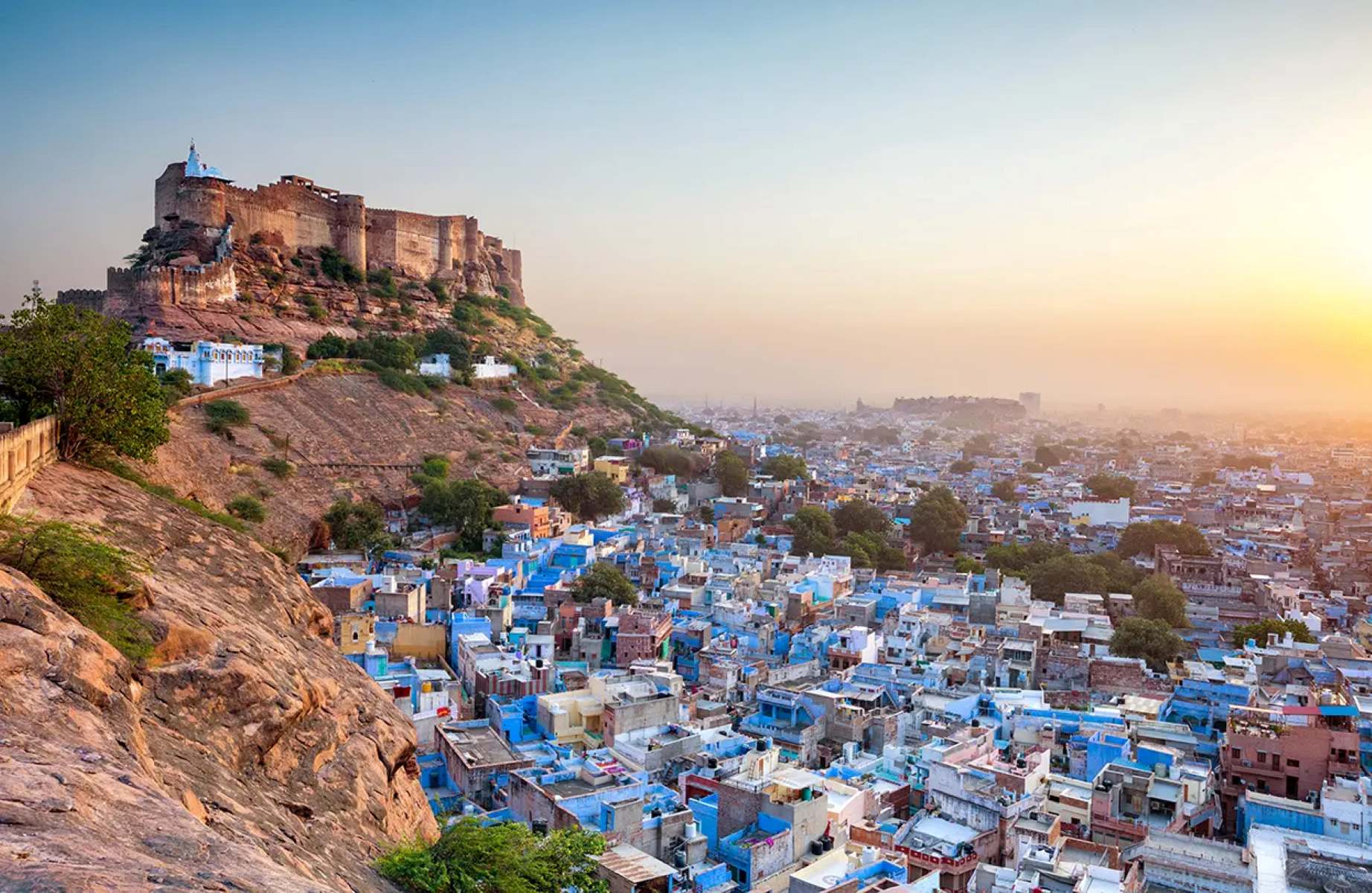
Discover The Blue City Of Jodhpur, India
Jodhpur, the "Blue City," is in the heartland of Rajasthan. From the Mehrangarh Fort to the blue houses that line the narrow streets, Jodhpur served as the capital of the Marwar Kingdom for centuries. Its location on the ancient trade routes between Delhi and Gujarat made it a centre of commerce and cultural exchange. Don’t miss the Toorji Ka Jhalra Stepwell, an 18th-century baoli with intricate carvings that descends several stories into the earth—a cool retreat from the desert heat and a prime example of stepwell architecture that also served as a meeting place and meditation space.
How To Visit Jaipur's Three Forts
Jaipur, the "Pink City," is home to three forts: Amber Fort, Nahargarh Fort, and Jaigarh Fort. Amber Fort, the most visited, is a sprawling complex of palaces, courtyards, and mirror-work halls set on a hillside. Nahargarh Fort, on the Aravalli ridge, offers sweeping city views and was a retreat for the royal family. Jaigarh Fort, connected to Amber by a fortified passage, houses one of the world’s largest cannon on wheels and was never conquered. Together they offer a glimpse into the opulence, architectural brilliance, and strategic significance of the era. Jaipur is the capital of Rajasthan.
Amritsar's Golden Temple - Sikhism In The Punjab
The Golden Temple, or Harmandir Sahib, is the holiest Gurdwara and is located in Amritsar, Punjab. Sikhism, the world's fifth-largest religion, was founded in the late 15th century by Guru Nanak Dev Ji. The temple’s gold dome and its setting beside the sacred pool (sarovar) make it a breathtaking sight. Visitors are welcome regardless of faith, and the langar (free community kitchen) serves meals to thousands daily—a practice rooted in Sikh principles of equality and service.
How To Visit Chittorgarh Fort
Chittorgarh Fort, in the city of Chittorgarh in Rajasthan, is a colossal fortress atop a hill. Its roots date to the 7th century, and it has witnessed numerous battles, sieges, and tales of sacrifice. The fort offers panoramic views of the surrounding landscape. Within its walls are palaces, towers (including the Vijay Stambha, or Victory Tower), and temples that recount the valour of the Rajput clans who once ruled this region. Plan at least half a day to cover the extensive grounds.
6 Stunning Sea Forts In Maharashtra That Will Leave You In Awe
Maharashtra’s coastline is dotted with sea forts built centuries ago. From Sindhudurg Fort to Murud-Janjira, each fort has its own story and charm. Walking through the ruins, feeling the sea breeze, and soaking in the views of the Arabian Sea is an experience like no other. Many are accessible by boat from coastal towns, so check local ferry schedules before setting out.
What To See In Chennai Fort St George
Fort St George, in the heart of Chennai, was built by the British East India Company in 1644 and is one of the oldest surviving forts in India. It served as the Company’s first territorial acquisition on the Coromandel Coast. The fort houses a museum with artifacts from the British colonial era, including weapons, coins, and documents. The adjacent St Mary’s Church, the oldest Anglican church in India, is also worth a visit. The ramparts offer views of the city and the sea.