

Part of our India guide.
Northern India’s street food and thalis, Nashik’s wine-tasting tours, and Amritsar’s butter chicken and jalebis are the three essential eating experiences covered here. Each section below gives the specific dishes, regions, and practical tips you need to plan your meals.
Related travel guides: Lucknow Travel Guide, Kolkata Travel Guide, and Where To Eat In Japan.
Exploring The Culture Of Northern India Through Food
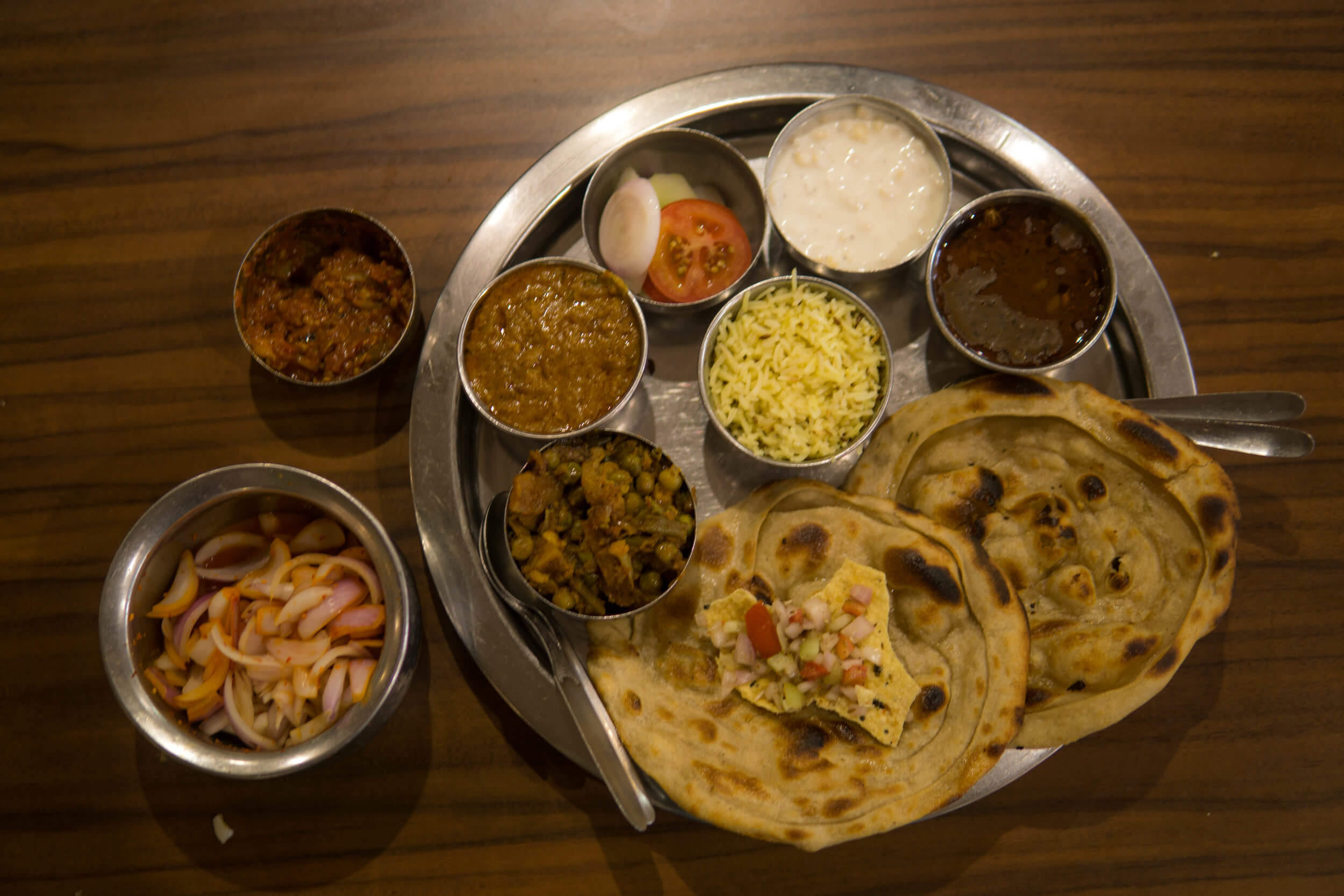
The cuisine of Northern India blends Punjabi, Uttar Pradeshi, Rajasthani, and Delhi traditions, shaped by geography and generations of family recipes. In Delhi, start with parathas at Chandni Chowk’s Paranthe Wali Gali, then try butter chicken at Moti Mahal. In Punjab, order a full dhaba meal of sarson ka saag and makki di roti, and in Rajasthan don’t miss dal baati churma. Uttar Pradesh offers Lucknowi kebabs and biryanis from Tunday Kababi. For travel inspiration in India, these regional dishes are a direct route into local culture, and many of the best spots are found near magnificent forts and palaces in India, such as Amber Fort in Jaipur or the Red Fort in Delhi.
How To Go Wine Tasting In India – Exploring Nashik Wineries
India’s wine capital, Nashik, lies about 180 km northeast of Mumbai and is home to over 30 wineries. Most offer guided tours and tastings for ₹500–₹1,500 per person (prices as of 2023–2024). Sula Vineyards runs hourly tours from 11:00 to 17:00; book a tasting of their Sauvignon Blanc and Chenin Blanc. York Winery offers a cheese‑pairing experience, while Vallonné Vineyards has a French‑style cellar and a restaurant overlooking the vineyards. To get there, take a train from Mumbai to Nashik Road station (about 3 hours), then a 20‑minute taxi. Many wineries require advance reservations for groups larger than six, and the best time to visit is October to March, during the grape‑harvest season.
What To Eat In Amritsar
Amritsar’s food scene centres on the Golden Temple and the narrow lanes of the old city. At the temple’s langar (community kitchen), volunteers serve free vegetarian meals to over 100,000 people daily – you can eat dal, roti, and kheer there any time. Outside, head to Kesar Da Dhaba (founded 1916) for dal makhani, paneer, and phirni. For Amritsari kulcha, go to Kanha’s Kulcha Shop near the Town Hall; a stuffed kulcha with chole costs about ₹50–₹80. Bharawan Da Dhaba, open since 1912, serves a thali with six dishes for around ₹250. Finish with jalebis from Gurdas Ram Jalebi Wala, made fresh in front of you. The city’s street stalls also sell lassi, chai, and aloo tikki, all within walking distance of the Golden Temple. For getting around India, Amritsar’s local buses and auto‑rickshaws connect the food hubs easily, and the railway station is a 10‑minute ride from the temple.
