

Secrets Of Montana’s Bozeman Trail Stagecoach Stations
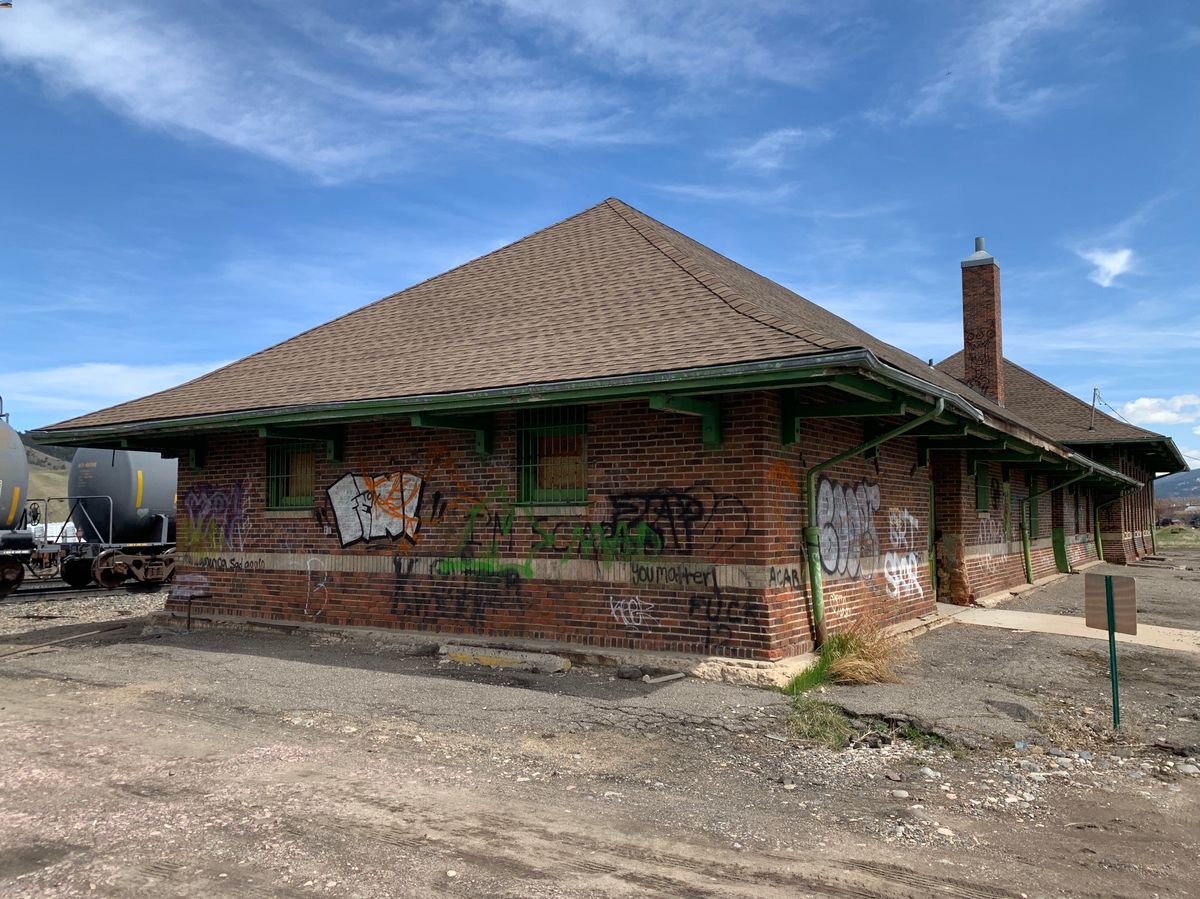
Have you ever wondered about the hidden stories behind Montana's Bozeman Trail Stagecoach Stations? These historic stops played a crucial role in the westward expansion of the United States. Imagine traveling through rugged terrain, stopping at these stations for a brief rest, a meal, or a change of horses. Each station has its own unique tale, from encounters with Native American tribes to the daily struggles of pioneers. Today, many of these stations are preserved as historical sites, offering a glimpse into the past. Ready to step back in time and explore the rich history of the Bozeman Trail? Let's dive in!
Discovering the Bozeman Trail
The Bozeman Trail, a historic route in Montana, was a lifeline for pioneers during the 1860s gold rush. Stagecoach stations along this trail were crucial for rest, supplies, and communication. Let's explore some of these fascinating stops.
1. Fort Laramie
Fort Laramie, Wyoming, was a significant military post and a vital stagecoach station. It provided protection and supplies for travelers heading west. The fort's strategic location made it a bustling hub of activity.
2. Fort Reno
Fort Reno, located in present-day Wyoming, was another key stop. Established to protect travelers from Native American attacks, it offered a safe haven. The fort's history is rich with tales of bravery and hardship.
3. Fort Phil Kearny
Fort Phil Kearny, situated in Wyoming, was infamous for its conflicts with Native American tribes. Despite the dangers, it served as a crucial stagecoach station. The fort's history is a testament to the challenges faced by pioneers.
4. Fort C.F. Smith
Fort C.F. Smith, located in Montana, was the northernmost post on the Bozeman Trail. It provided protection and supplies for travelers. The fort's remote location made it a critical stop for those heading to the goldfields.
5. Virginia City
Virginia City, Montana, was a bustling gold mining town and a key stagecoach stop. It offered travelers a chance to rest and resupply. The town's vibrant history is still evident in its well-preserved buildings.
6. Fort Ellis
Fort Ellis, near Bozeman, Montana, was established to protect settlers and travelers. It served as a vital stagecoach station, offering safety and supplies. The fort's history is intertwined with the development of the Bozeman area.
7. Bozeman
Bozeman, Montana, was a crucial stop on the trail. It provided travelers with a place to rest and resupply. The town's growth was closely linked to the trail's success.
8. Fort Benton
Fort Benton, Montana, was a key trading post and stagecoach station. It offered travelers a chance to rest and resupply. The fort's history is rich with stories of trade and exploration.
9. Bannack
Bannack, Montana, was another important stop on the trail. It was a bustling gold mining town that offered travelers a place to rest and resupply. The town's history is still evident in its well-preserved buildings.
10. Fort Shaw
Fort Shaw, located in Montana, was established to protect settlers and travelers. It served as a vital stagecoach station, offering safety and supplies. The fort's history is intertwined with the development of the region.
11. Fort Assinniboine
Fort Assinniboine, situated in Montana, was a significant military post and stagecoach station. It provided protection and supplies for travelers. The fort's history is rich with tales of bravery and hardship.
12. Fort Maginnis
Fort Maginnis, located in Montana, was another key stop on the trail. It offered travelers a safe haven and a place to resupply. The fort's history is a testament to the challenges faced by pioneers.
13. Fort Keogh
Fort Keogh, situated in Montana, was a crucial military post and stagecoach station. It provided protection and supplies for travelers. The fort's history is intertwined with the development of the region.
14. Fort Missoula
Fort Missoula, located in Montana, was established to protect settlers and travelers. It served as a vital stagecoach station, offering safety and supplies. The fort's history is rich with stories of trade and exploration.
15. Fort Logan
Fort Logan, situated in Montana, was another important stop on the trail. It provided travelers with a place to rest and resupply. The fort's history is a testament to the challenges faced by pioneers.
Montana's Hidden Gems
Montana's Bozeman Trail Stagecoach Stations offer a glimpse into the past. These historic sites tell stories of adventure, hardship, and the pioneering spirit. Visiting these stations, you can almost hear the echoes of stagecoaches and the hustle of travelers. Each station has its own unique charm, from the rustic architecture to the scenic surroundings. Exploring these hidden gems, you'll gain a deeper appreciation for Montana's rich history. Whether you're a history buff or just love a good adventure, these stations are worth a visit. They remind us of a time when travel was an adventure in itself. So next time you're in Montana, take a detour off the beaten path. Discover the secrets of the Bozeman Trail Stagecoach Stations and step back in time.
