

Part of our Montana guide.
Glacier National Park contains seven distinct features covered in this guide: cabins, Hanging Valley Meadows, a sunrise viewpoint, plunge pools, bootlegger trails, hidden waterfalls, and Hidden Lake Overlook. Each section below gives the specifics you need to plan your visit.
Related travel guides: Goat Haunt: A Hidden Gem In Waterton-Glacier Park and Hidden Cabins In Montana's Bob Marshall.
Cabins In Glacier National Park
Hidden mountain cabins sit near snow-capped peaks, forests, and crystal-clear lakes. Many require advance reservation through the park’s concessionaire; availability varies by season. Some are accessible only by trail, so check distance and elevation gain before booking. For broader options, see our coverage of hiking and the outdoors in Montana.
Hanging Valley Meadows In Glacier National Park
Hanging Valley Meadows lies above a glacial valley, reachable via a maintained trail that gains roughly 1,200 feet over 3.5 miles one way. The meadow opens to views of surrounding peaks and streams. Wildlife commonly seen includes marmots, deer, and occasional black bears. Carry bear spray and stay on the path. The best wildflower display occurs from late June through mid‑July.
Gilded Mountain Sunrise At Glacier National Park
The Gilded Mountain sunrise is visible from several east‑side viewpoints, notably along the Going‑to‑the‑Sun Road before sunrise. Arrive at least 45 minutes before official sunrise time; parking at pullouts fills quickly. The phenomenon paints the peaks in pink, orange, and gold. No trail is required for the basic view, but a short walk to a nearby ridge improves the angle. Check the park’s sunrise schedule for the month of your visit.
Turquoise Mountain Plunge Pools In Glacier National Park
These plunge pools form from melting glaciers and display vivid blue‑green hues due to suspended glacial flour. Most are located at the base of waterfalls in the park’s interior, such as along the trail to Avalanche Lake or the Narrows of the North Fork. Water temperatures rarely exceed 50 °F even in August. Swimming is permitted but not recommended due to cold and submerged rocks. Always test depth before entering.
Glacier National Park Trails
Some trails follow routes once used by bootleggers during Prohibition, who smuggled alcohol across the Canadian border. The most documented bootlegger path is the “Belly River Bootlegger Trail,” a 6‑mile round trip with moderate elevation gain. Today the trail is marked with standard park signs; interpretive panels at the trailhead explain the history. The route offers views of the Belly River valley and passes through old‑growth forest. For border‑related logistics, see how far is Montana from the Canadian border.
The Hidden Waterfalls In Glacier National Park
Hidden waterfalls range from easy roadside cascades to multi‑mile hikes. One accessible example is the 0.2‑mile walk to the lower falls at the end of the Going‑to‑the‑Sun Road’s west entrance. More remote falls, such as those on the Lake McDonald drainage, require a 4‑ to 5‑mile hike with stream crossings. Spring runoff (May–June) produces the strongest flow; by August some falls reduce to a trickle. Always check current trail conditions at a visitor center.
Hidden Lake Overlook: A Gem In Glacier National Park
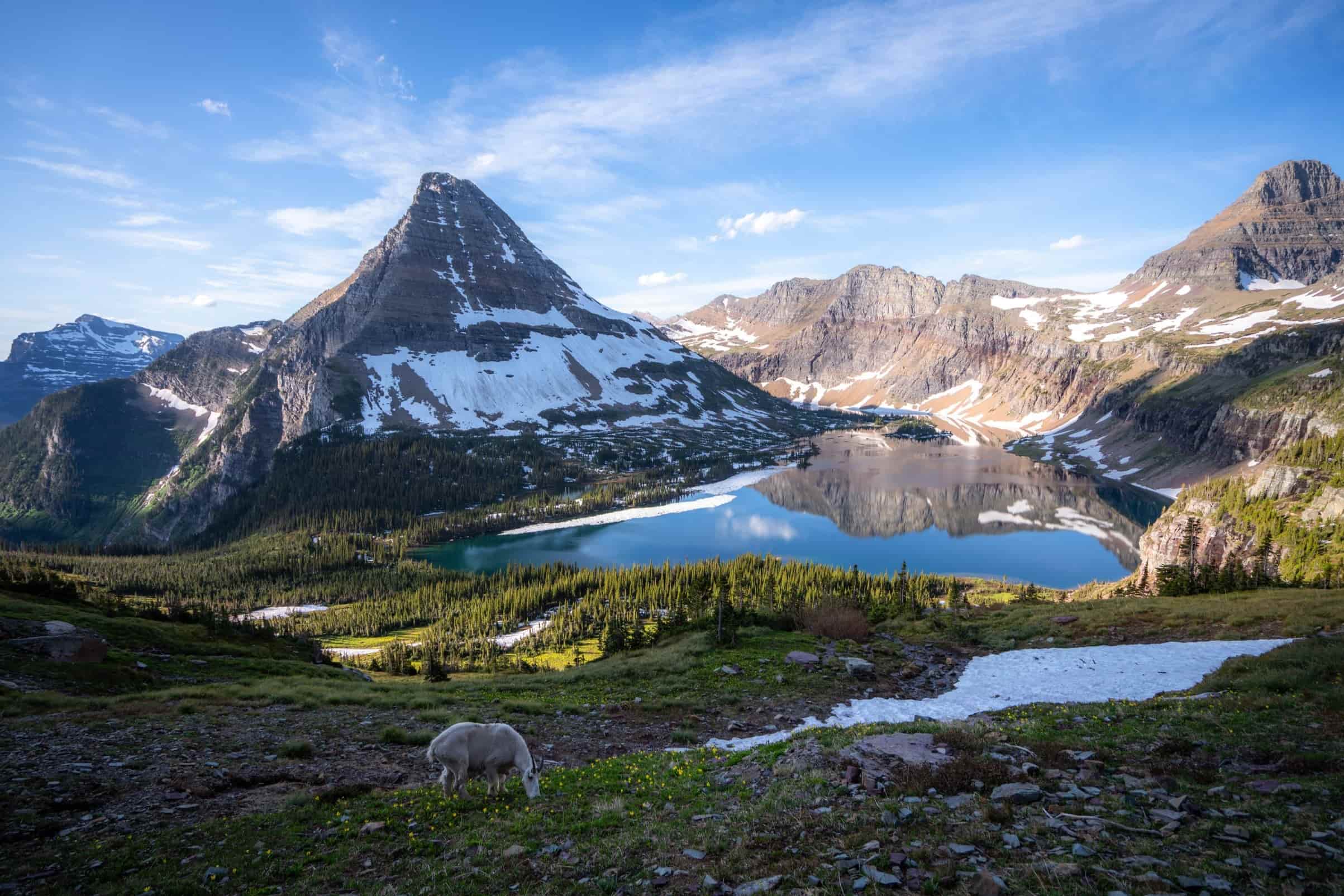
Hidden Lake Overlook is a 2.7‑mile round‑trip hike from the Logan Pass parking area, gaining about 600 feet in elevation. The trail ends at a cliffside viewpoint overlooking Hidden Lake, with the Continental Divide rising behind it. The overlook sits at 7,200 feet; snow often lingers on the trail into July. Arrive before 8 am to secure parking at Logan Pass. The lake’s water is fed by the nearby glaciers and remains clear year‑round. For more on the region’s lesser‑known spots, browse secrets hidden in Montana.
