

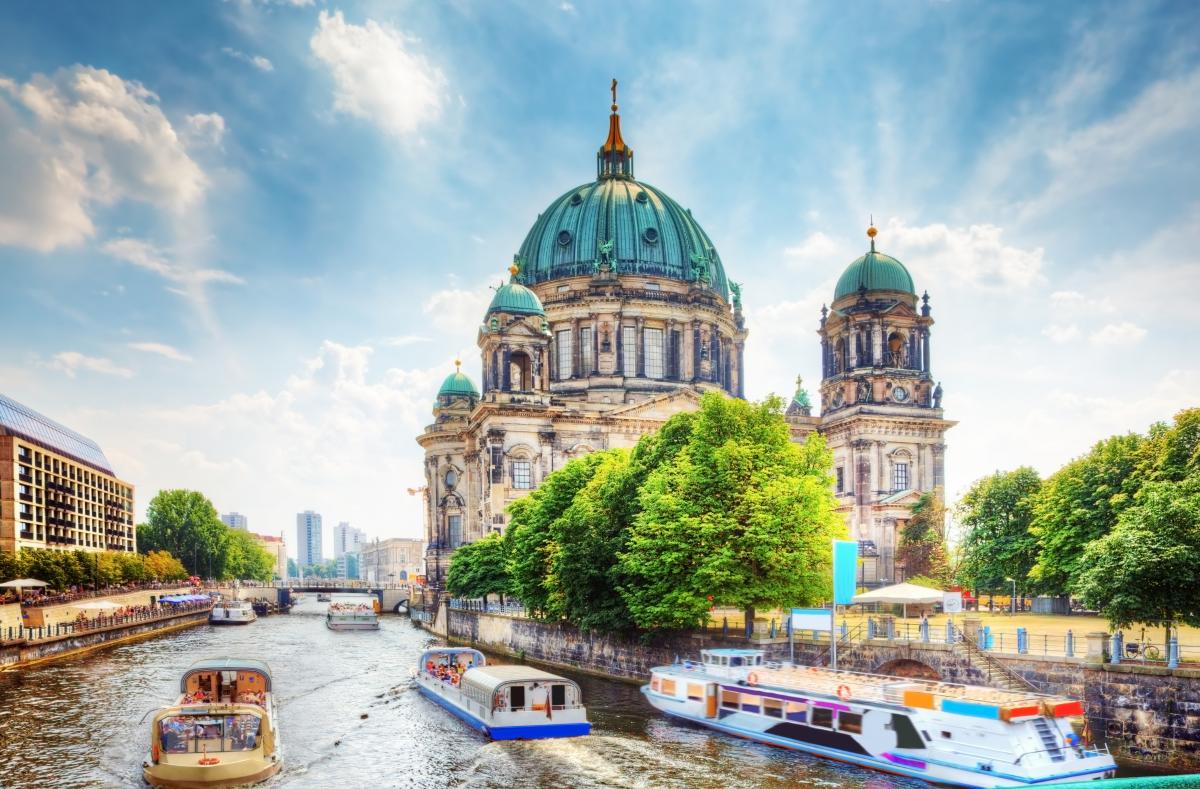
Berlin
Berlin, Germany's vibrant capital, blends a rich past with a modern present. Key historical sites include the Berlin Wall, whose remnants serve as a powerful reminder of the city's division, and the Brandenburg Gate, a symbol of unity. Nearby, Unter den Linden boulevard leads to Museum Island.
Art lovers can explore Museum Island's five museums or the East Side Gallery, an open-air gallery painted on a remaining section of the Berlin Wall. The city's legendary club scene features world-class DJs and electronic music, while its diverse culinary scene includes international cuisines and trendy street food markets.
For a break from the city, the Tiergarten, Berlin's largest park, offers space for walks, picnics, and bike rides. The Berlin Zoo is located within the park. For those exploring German cities and culture in Germany, Berlin's blend of history, art, and nightlife offers something for every visitor. If you are wondering how much time do you need for a visit, plan several days to see its major attractions.
Munich
Munich, the capital of Bavaria, blends tradition with modernity. Known for its world-famous Oktoberfest and rich cultural heritage, it attracts visitors from all over the world.
One must-see attraction is Marienplatz. This historic square is home to the New Town Hall, with its famous Glockenspiel clock tower that puts on a show several times a day. The square is also a hub of shops, restaurants, and street performers.
A visit would be incomplete without exploring its renowned beer gardens, offering a unique Bavarian experience with a refreshing brew and local cuisine. The Hofbräuhaus, one of the most famous, is a must-visit. If you're planning your trip around the celebration, be sure to check what dates the Oktoberfest Germany runs each year.
Munich is also home to world-class museums like the Alte Pinakothek and the Munich Residenz. The Alte Pinakothek houses European art, including masterpieces by Rembrandt and Raphael. The Residenz, the former royal palace of the Bavarian monarchs, is an architectural masterpiece filled with opulent rooms and treasures.
For nature lovers, the Englischer Garten, one of the largest urban parks in the world, is perfect for relaxing. You can stroll, picnic, or catch waves at the Eisbach surf spot.
Another must-visit is Nymphenburg Palace. This Baroque palace and its sprawling gardens are a testament to the city's royal history. Visitors can explore opulent rooms, the gardens, and even take a boat ride on the palace's canal.
Munich also has a vibrant cultural scene with theaters, opera houses, and music venues hosting world-class performances. Annual festivals include Oktoberfest, a celebration of Bavarian traditions and beer. For those curious about winter traditions, in Germany, what do they call the Christmas markets? They are called Christkindlmarkt, and Munich's are among the best.
With its blend of history, culture, and natural beauty, Munich offers something for everyone, whether you're exploring historic sites, enjoying a stein in a beer garden, or admiring artistic treasures.
Hamburg
Hamburg, the second-largest city in Germany, is a lively metropolis with a rich maritime heritage and a vibrant cultural scene. Situated on the banks of the Elbe River, this bustling city offers visitors a unique blend of history, modern architecture, thriving music and arts scene, and picturesque waterfronts.
One of the main attractions is the iconic Port of Hamburg, one of the largest and oldest ports in Europe. Visitors can take a boat tour to explore the bustling harbor. The Speicherstadt, a historic warehouse district with red-brick buildings, is a UNESCO World Heritage site. The Elbphilharmonie, a stunning concert hall with unique architecture, attracts music enthusiasts. The Kunsthalle Hamburg, one of the largest art museums in Germany, features a vast collection of European art spanning several centuries.
For history, the Hamburg Dungeon is an interactive museum with live actors and thrilling exhibits on the city's dark past. The Miniatur Wunderland, the world's largest model railway exhibition, showcases intricate miniature versions of famous landmarks. For green spaces, the Planten un Blomen Park offers colorful flower beds, tranquil water features, and expansive lawns. The Stadtpark provides walking paths, a lake, and a planetarium.
Hamburg's culinary scene is diverse, known for fresh seafood at the famous Fischmarkt. The city also boasts a vibrant nightlife with numerous bars, clubs, and music venues. Whether you're exploring historic sites, enjoying a concert, or strolling along the harbor, Hamburg offers a unique experience. For travelers wondering how much time do you need for a visit, a weekend allows you to see the main highlights, while a longer stay lets you uncover more hidden gems in Germany like the charming canals of the Speicherstadt.
Cologne
Cologne, on the Rhine River, blends stunning architecture, rich history, and a vibrant cultural scene. Its magnificent cathedral, charming old town, and lively festivals offer old-world charm alongside modern attractions.
The Cologne Cathedral dominates the skyline. This Gothic masterpiece took over six centuries to complete and features intricate sculptures and stained glass windows. Visitors can climb to the top for panoramic city views.
The old town, or "Altstadt," feels like stepping back in time. Narrow cobblestone streets are lined with colorful houses, shops, and traditional taverns. Visit the historic town hall, Alter Markt square, and the Great St. Martin Church, which dates to the 12th century.
Cologne is famous for its festive atmosphere, especially during the annual Carnival season. This "fifth season" takes place in February with colorful parades, costumes, music, and dance. If you are wondering about seasonal traditions, this is a key part of the answer to the question of "in Germany, what do they call the Christmas" season's counterpart for revelry.
The city has a thriving arts scene. The Museum Ludwig, a leading contemporary art museum, houses works by Andy Warhol and Pablo Picasso. The Wallraf-Richartz Museum showcases European paintings from the Middle Ages to the early 20th century.
Take a stroll along the Rhine River promenade for panoramic views. Relax in riverside cafes or take a boat tour to admire the surroundings. For a broader itinerary, this is one of the essential "things to do in Germany."
Cologne offers vibrant nightlife and culinary delights. Try the local Kölsch beer and traditional dishes like "Himmel un Ääd" (heaven and earth) and "Sauerbraten" (marinated roast beef).
With its architecture, history, and cultural scene, Cologne captures visitors' hearts. Whether exploring landmarks, immersing in carnival spirit, or enjoying the old town, it offers a memorable experience.
Frankfurt
Frankfurt, situated in the heart of Germany, is a dynamic and cosmopolitan city that beautifully blends history with modernity. Famous for its towering skyscrapers, vibrant finance industry, and international trade fairs, Frankfurt is a city that never fails to impress.
One of the city's most iconic attractions is the Frankfurt skyline, known as "Mainhattan." The impressive skyscrapers, including the iconic Commerzbank Tower and the Messeturm, create a stunning juxtaposition with the historic buildings in the old town. Visitors can enjoy panoramic views of the cityscape from the Main Tower observation deck.
The city's historic center, known as the "Römer," is a charming area filled with beautifully restored buildings. The Römerberg square is the heart of the old town and is home to the town hall, surrounded by picturesque half-timbered houses. Stroll along the nearby Zeil shopping street, known for its high-end boutiques and department stores.
Frankfurt is also a cultural hub, with world-class museums and galleries. The Städel Museum, one of Germany's most important art museums, features a vast collection spanning from the Middle Ages to contemporary art. The Museum District, a cluster of museums along the banks of the Main River, offers a diverse range of art, history, and science exhibitions.
For nature lovers, Frankfurt has plenty to offer. The Palmengarten, a beautifully landscaped botanical garden, is a peaceful oasis to explore and relax. The nearby Frankfurt City Forest, with its extensive network of trails, is perfect for hiking and biking, allowing visitors to escape the urban hustle and connect with nature.
Frankfurt is also known for its culinary delights. From traditional German cuisine to international flavors, the city offers a wide array of dining options. Don't miss the opportunity to try the local specialty, "Frankfurter Grüne Soße" (Frankfurt green sauce), served with boiled potatoes and various herbs.
Additionally, Frankfurt hosts several fairs and events throughout the year, attracting visitors from all over the world. The Frankfurt Book Fair, one of the largest book fairs globally, showcases the latest literary trends and attracts renowned authors and publishers.
With its impressive skyline, rich cultural heritage, and vibrant atmosphere, Frankfurt is a city that offers a dynamic and exciting experience for visitors. Whether you're exploring its modern architecture, delving into its rich history, or indulging in its diverse culinary scene, Frankfurt has something for everyone to enjoy.
Stuttgart
Stuttgart, in the heart of Baden-Württemberg, blends tradition, innovation, and natural beauty with its architecture, cultural heritage, and proximity to vineyards.
Landmarks include the Stuttgart State Opera House, hosting world-class opera and ballet, and the elegant Schlossplatz, surrounded by buildings like the New Castle. Automotive enthusiasts can visit the Mercedes-Benz Museum, the Porsche Museum, and the Solitude Race Track.
The surrounding Swabian countryside offers picturesque landscapes and rolling hills. The Stuttgart Wine Trail takes visitors through vineyards for wine tasting and scenic views. For outdoor activities, Rosenstein Park near the city center has tranquil lakes, gardens, and the Wilhelma Zoological and Botanical Garden.
Stuttgart’s cultural scene includes the Staatsgalerie Stuttgart, with modern and contemporary art, and the Kunstmuseum Stuttgart, featuring contemporary works and experimental installations. When exploring German cities and culture in Germany, Stuttgart’s cuisine is a highlight: Swabian dishes like Maultaschen (stuffed pasta pockets) and Spätzle (soft egg noodles) are central, and the Markthalle market square offers regional and international delicacies.
With its blend of cultural heritage, natural splendor, and automotive history, Stuttgart promises a unique experience—whether exploring historic landmarks, enjoying the countryside, or indulging in its culinary offerings.
Düsseldorf
Düsseldorf, the capital of North Rhine-Westphalia, blends modern architecture with a rich cultural heritage. The Rheinturm, a towering telecommunications tower, offers panoramic views of the city and the Rhine River. Nearby, the Media Harbor showcases modern architectural marvels and serves as a hub for creative industries.
The city’s art scene is anchored by the K20 and K21 museums, which house impressive collections of modern and contemporary art, and the Kunstpalast, which spans centuries and diverse artistic styles. For fashion, the Königsallee ("Kö") is a luxurious shopping boulevard lined with high-end boutiques and designer stores.
The Altstadt (old town) features narrow cobblestone streets, historic buildings, and traditional pubs. Known as "the longest bar in the world," it is famous for its vibrant nightlife and beer culture, where you can sample Altbier, a traditional locally brewed beer. For natural surroundings, the Rheinwiesen meadows along the Rhine are ideal for walks or picnics, while the Hofgarten park in the city center offers a peaceful escape.
Cuisine includes hearty dishes like "Rheinischer Sauerbraten" (marinated roast beef) and "Halve Hahn" (rye bread roll with cheese and pickles). Düsseldorf also offers a unique perspective on German cities and culture in Germany, balancing modern innovation with its historic roots. Whether you are exploring cultural landmarks, indulging in culinary delights, or enjoying the Rhine River, Düsseldorf leaves a lasting impression.
Leipzig
Leipzig, in eastern Germany, is known as the "City of Music" and a center for arts and education. The St. Thomas Church is a key attraction, where Johann Sebastian Bach served as music director. Visitors can hear the Thomanerchor, the church's world-renowned choir, perform there.
The historic center features preserved architecture from various eras, including the Leipzig Opera House and the City Hall. Barfußgässchen, a narrow alley, is lined with restaurants and cafes. The city has literary ties: Johann Wolfgang von Goethe once lived here, and his former residence is now the Goethe Museum. The Battle of Nations Monument, a colossal memorial to the 1813 battle, is a major historical site.
Leipzig's cultural scene includes the Leipzig Gewandhaus Orchestra, one of the world's oldest. The annual Leipzig Book Fair attracts authors and publishers. Festivals include the Leipzig Bach Festival, the Leipzig Jazz Days, and the Wave-Gotik-Treffen, a large underground music festival. If you are exploring German cities and culture in Germany, Leipzig’s festivals and music heritage are essential.
Green spaces include the Leipzig Zoological Garden, one of the oldest and most renowned zoos globally, and Clara-Zetkin-Park, with meadows and a lake for walks and picnics. The food scene mixes traditional German cuisine with international options; try Leipziger Allerlei, a local dish of vegetables and meats. For a trip focused on things to do in Germany, Leipzig offers everything from classical concerts to zoo visits.
Heidelberg
Heidelberg, in the Neckar River Valley, is known for its romantic atmosphere, scenery, and history. Its castle, cobbled streets, and Old Town offer a glimpse into the past.
Heidelberg Castle, one of the most visited ruins in Germany, sits on a hilltop overlooking the city with panoramic views. Visitors can explore the grounds and ruins.
The Old Town ("Altstadt") is a maze of narrow streets and historic buildings. The Hauptstrasse, one of Germany's longest pedestrian streets, runs through it, lined with shops, cafes, and half-timbered houses. The Old Bridge offers views of the Neckar River.
Heidelberg University, founded in 1386, is home to the Studentenkarzer, a former student prison now a museum showcasing graffiti by past scholars. For those planning a trip, it is worth considering how much time do you need for a visit to the Studentenkarzer and the castle grounds.
The Philosophers' Walk, a scenic path along the Heiligenberg Mountain, offers views of the city and river. Heidelberg Zoo houses a diverse collection of animals.
The Heidelberg Theater hosts plays, ballets, and operas. The Heidelberg Spring Festival features music and cultural events. Heidelberg is also known for its traditional German cuisine, including schnitzel, sausages, and pretzels. Local taverns ("Studentenkneipen") offer a lively atmosphere.
With its fairytale-like ambiance, historical treasures, and natural scenery, Heidelberg enchants visitors. Whether exploring the castle or strolling through the Old Town, it leaves an indelible mark.
Nuremberg
Nuremberg, in the heart of Bavaria, blends medieval architecture with modern attractions. The Nuremberg Castle, a medieval fortress atop a hill, offers panoramic city views; explore the Imperial Castle, gardens, and the Deep Well within the complex.
The city is linked to World War II and the Nuremberg Trials. The Palace of Justice, where the trials were held, is now a museum. The Documentation Center Nazi Party Rally Grounds details the rise and fall of the Nazi regime.
The Nuremberg Old Town is one of Europe’s best-preserved medieval city centers. Walk half-timbered streets and visit the Main Market Square, home to a beautiful fountain and the famous Nuremberg Christmas Market. To experience this festive tradition, you might wonder in Germany, what do they call the Christmas market—it's the Christkindlesmarkt.
The Germanic National Museum, in a Renaissance building, holds a vast collection of German art and culture. The Albrecht Dürer House, the artist’s former home, displays his works and life story. For things to do in Germany, these cultural sites are essential.
Food includes Nuremberg sausages, gingerbread cookies, and Franconian cuisine. The Bratwursthäusle offers an authentic sausage experience. Nature lovers can hike or bike in the Nuremberg Reichswald forest, or walk along the Pegnitz River.
With its medieval castle, poignant WWII history, preserved Old Town, and vibrant food scene, Nuremberg provides a deep and memorable visit.
Dresden
Dresden, the capital of Saxony, combines stunning architecture, rich history, and a vibrant arts scene. Known as the "Florence on the Elbe," it offers Baroque masterpieces, world-class museums, and a picturesque riverside setting.
The Frauenkirche, a magnificent Baroque church meticulously reconstructed after World War II, dominates the skyline; its dome offers views from an observation platform. Nearby, the Zwinger Palace houses art and cultural exhibitions. The historic Altstadt, a UNESCO World Heritage Site, includes the Semper Opera House—with its stunning facade and world-class performances—and the Dresden Royal Palace, whose opulent rooms and museums reveal the city's royal past.
Dresden's art museums are world-renowned. The Gemäldegalerie Alte Meister holds masterpieces by Raphael, Rembrandt, and Vermeer. The Albertinum showcases modern and contemporary art, including works by Gerhard Richter and Max Ernst. For a seasonal highlight, the Dresden Striezelmarkt is a classic stop when exploring things to do in Germany during winter.
Natural beauty appears in the Dresden Elbe Valley, dotted with vineyards, villages, and the meandering river. The Elbe offers boat trips, riverside walks, and panoramic views. The Dresden Heath, a large nature reserve just outside the city, is ideal for hiking. The city's culinary scene ranges from traditional Saxon dishes like potato soup and bratwurst to international cuisine, with the bustling farmer's market adding local flavor.
With its awe-inspiring architecture, museums, natural beauty, and culinary delights, Dresden captivates visitors. Whether admiring architectural gems, immersing in art, or strolling along the Elbe, it promises an unforgettable experience.
Rothenburg ob der Tauber
Rothenburg ob der Tauber, a picturesque town in Bavaria, is known for its well-preserved medieval architecture, cobblestone streets, and enchanting atmosphere. The Rothenburg Town Hall, with its frescoes, dominates the Market Square; climbing its tower offers panoramic views of the town and countryside. The medieval city walls, remnants of the town's trading-hub past, provide a walkway with vistas of rooftops and the surrounding landscape.
The old town's narrow lanes, such as Herrngasse and Spitalgasse, are lined with colorful half-timbered houses. Along them, you can find the Medieval Crime and Justice Museum and the Christmas Museum. For a unique taste, try Rothenburg's Schneeballen, a snowball-shaped pastry available in several flavors. St. Jakob's Church features Gothic architecture, stained glass windows, and intricate woodwork.
The town comes alive during its annual festivals, including the Imperial City Festival and the Rothenburg Christmas Market, when the streets are decorated and traditional performances take place. For those planning a visit to experience the festive spirit, it is worth noting that the Christmas Market is a highlight of things to do in Germany during the winter season. With its fairytale charm, rich history, and festivals, Rothenburg ob der Tauber offers a memorable escape into a bygone era.
Freiburg
Freiburg, nestled in the heart of the Black Forest in southern Germany, is a charming city renowned for its stunning architecture, vibrant culture, and beautiful natural surroundings. Known as the "Gateway to the Black Forest," it offers a blend of historical landmarks, a bustling city center, and access to the picturesque German countryside. For travelers looking for hidden gems in Germany, Freiburg’s commitment to sustainability and its pedestrian-friendly streets make it a standout destination.
One highlight is the Freiburg Münster, a medieval Gothic cathedral that is the city's main landmark, with a tower offering breathtaking views. The surrounding marketplace hosts the Freiburg Farmer's Market, where visitors experience local flavors. The old town features narrow, winding streets and preserved buildings, with squares like Rathausplatz and Augustinerplatz offering cozy cafes, shops, and restaurants.
Freiburg is known for extensive bicycle paths and pedestrian-friendly streets. The "Green City Tour" provides a guided look at sustainable initiatives and renewable energy sources. For nature lovers, the Black Forest offers dense forests, rolling hills, and scenic hiking trails. The Schlossberg, a hill in the city center, provides panoramic views of Freiburg and the countryside.
Cultural institutions include the Augustinermuseum in a former monastery, showcasing art and historical artifacts; the Museum für Neue Kunst, exhibiting contemporary art; and the Freiburg Historical Merchants' Hall, offering glimpses into the city’s trading past. The culinary scene features regional dishes like Black Forest ham, Black Forest cake, and traditional Swabian specialties. The city’s nightlife includes bars, pubs, and clubs.
With its blend of history, architecture, and access to the Black Forest, Freiburg offers a memorable experience for all visitors.
