

Part of our Central South America guide.
Central South America rewards travelers who skip the generic circuit, and this guide cuts through the filler to give you the specifics that matter. You will find practical comparisons, exact routes, and honest packing advice here, not just pretty adjectives.
Related travel guides: Things To Do In Central South America.
Lost Mines Of The Sierra Madre
The Sierra Madre's lost mines are a legend built on real colonial-era silver and gold extraction, but no verified location exists. The mountain range stretches across Mexico, and its remote canyons and pine forests hide abandoned workings that have fueled treasure stories for centuries. Prospectors historically used mercury amalgamation to recover silver, and the region's geology does contain epithermal veins. If you plan to explore, carry topographical maps, a satellite messenger, and enough water for multi-day hikes. The real treasure is the unspoiled wilderness, not the promise of nuggets.
Which Side Of Iguazu Falls Is Better? Brazil Or Argentina?
Choose Argentina for the immersive walkways and the Garganta del Diablo close-up, but pick Brazil for the panoramic panorama that lets you see the full 275-fall curve in one glance. The Argentine side has over 12 kilometers of trails, including the ecological jungle train that drops you near the main chasm. The Brazilian side offers a shorter, flatter circuit that ends at a walkway extending into the falls, soaking you in spray. Both sides require a park entrance fee, and the falls thunders across the border with around 1,800 cubic meters per second during high water. If you have only one day, Argentina delivers more trail miles; if you want the postcard view, Brazil wins.
Spectacular Rainbow Mountains Around The World
Vinicunca in Peru, sitting at 5,036 meters above sea level, is the most famous rainbow mountain, its colors from red sandstone and iron oxide bands. The trek from Cusco takes about three hours by car to the trailhead, then a two-hour uphill hike to the viewpoint. Zhangye Danxia in China spans over 300 square kilometers with Cretaceous sandstone layers, and the best light hits at sunrise. Bolivia's Rainbow Mountain, near Tupiza, offers a quieter alternative with similar mineral streaks. Pack altitude medication, sunscreen, and warm layers; the wind at those elevations cuts through even in dry season.
Incredible Rice Terrace Landscapes To Discover
Bali's Jatiluwih terraces follow the subak irrigation system, a UNESCO-recognized practice dating back over a thousand years. The Philippine Cordilleras' Banaue and Batad terraces, carved 2,000 years ago, drop 1,500 meters down mountainsides, with Batad's amphitheater shape best seen from the viewpoint above the village. In China, Longji's Dragon's Back terraces in Guangxi offer a two-hour hike between Ping'an and Dazhai villages. For a less crowded option, the Ifugao rice terraces in the Philippines require a jeepney ride from Banaue town and a local guide for the muddy trails. Bring water, insect repellent, and respect for the working fields.
Why South America Is The Best Destination For Backpackers
South America's backpacking circuit works because a bus network connects nearly every country, and hostels cluster around every major sight, from Bogotá's La Candelaria to Buenos Aires' San Telmo. You can travel from Colombia to Chile on land using overnight buses, with the Panamericana running the entire western spine. Budget travelers spend roughly $25–$40 per day in Bolivia and Peru, while Argentina and Chile run higher, around $50–$70. The continent's highlight reel includes the Salar de Uyuni salt flats, the Atacama Desert, and the Amazon headwaters, all reachable by public transit. Learn basic Spanish, pack a reusable water filter, and keep your valuables in a money belt; the infrastructure is solid, but distances are vast.
Crossing Borders: Guatemala To Mexico And Back Again
The land border crossing between Guatemala and Mexico at Tecún Umán and Ciudad Hidalgo is the busiest, with a ferry crossing the Suchiate River that runs every 15 minutes. You pay a small fee for the boat, then walk through Mexican immigration and customs, which takes about an hour on weekdays. The alternative, at El Ceibo in the Petén, connects to Palenque by direct bus and is faster for those heading to Chiapas. For the return trip, expect a baggage check and a possible soil inspection for agricultural products. Carry a photocopy of your passport and entry stamp; officials ask for it at checkpoints on both sides.
Patagonia Glacier Adventure
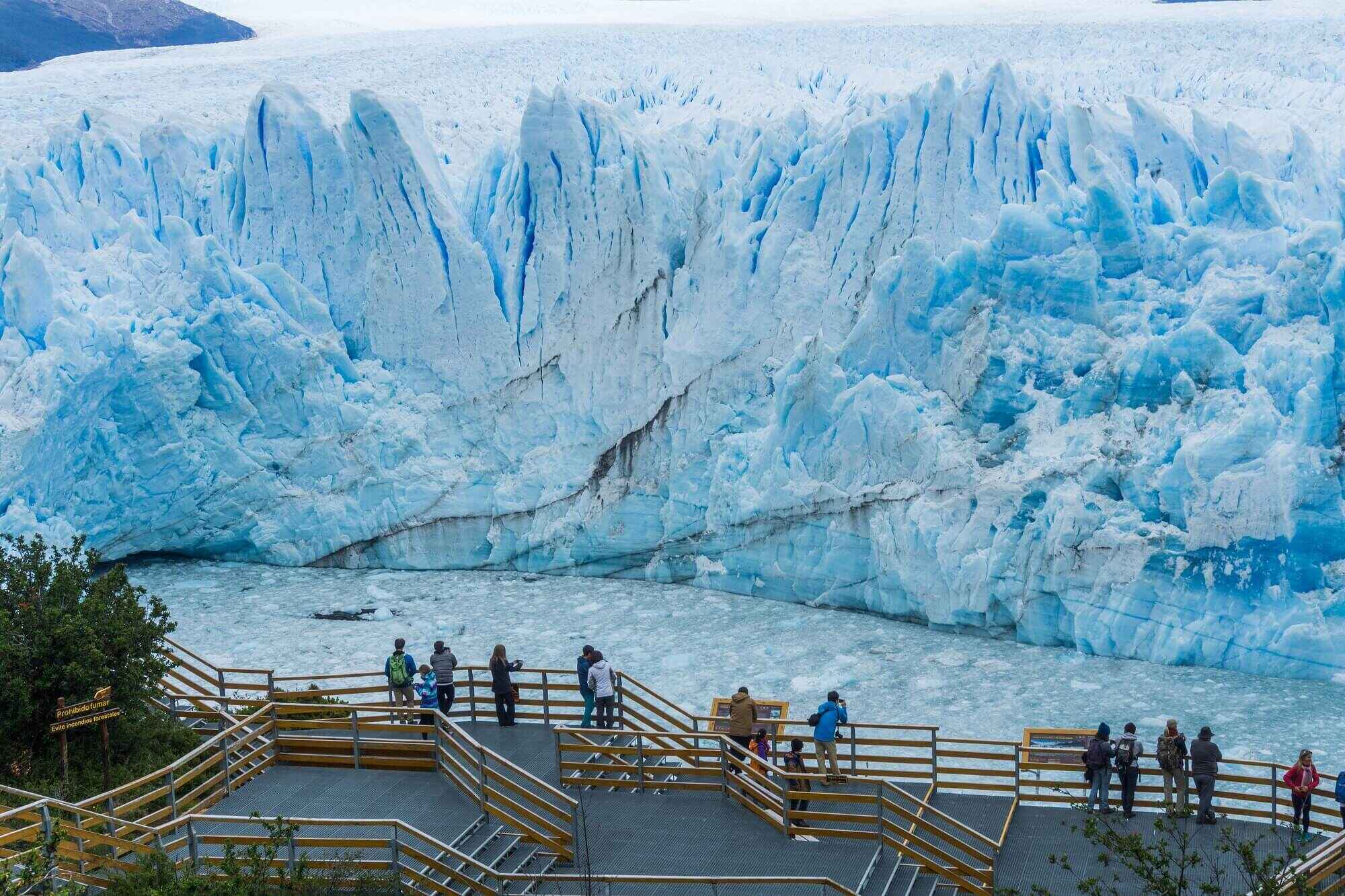
Patagonia's glaciers, including Perito Moreno and the Southern Patagonian Ice Field, are best seen from a boat tour that gets you within 100 meters of the ice face. Perito Moreno, in Los Glaciares National Park, is 30 kilometers long and 5 kilometers wide, with the famous rupturing cycle occurring every few years. Torres del Paine's Grey Glacier offers a similar experience, with kayak trips that paddle past floating icebergs. The ice field itself is the third-largest freshwater reserve on the planet, and you can hike on the ice with crampons on a guided day trip from El Calafate. Book ahead for summer months, and bring windproof layers; the Patagonian wind can exceed 100 kilometers per hour.
The Best Way Panama To Colombia: San Blas Adventures Speedboat Trip
The San Blas Adventures speedboat trip runs from Cartagena to Panama City over four days and three nights, with the crossing of the Darien Gap done by sea. You will hop between 300 islands in the Guna Yala archipelago, sleeping in hammocks or overwater cabins on the first and third nights. The Guna people control the route, and your fee covers meals, snorkeling gear, and the boat ride, but not the $20 port tax. The journey includes a stop at the island of Isla Perro for swimming, and the final day lands you in Puerto Obaldía for a bus to Panama City. Seasickness tablets are essential; the open ocean leg between the islands can get rough.
7 Compelling Reasons To Experience Tierra Del Fuego In Your Lifetime
Tierra del Fuego, at the southern tip of the Americas, offers the only place where you can see penguins, guanacos, and Andean condors in one day. Ushuaia, the main town, sits on the Beagle Channel, and the national park has 60 kilometers of trails through lenga forests and peat bogs. The End of the World Train, a narrow-gauge railway, runs 7 kilometers along the old prison route, and the park's Lapataia Bay marks the end of Route 3. Kayak trips paddle past sea lions, and the winter months bring skiing at Cerro Castor. The real draw is the silence; you can walk for hours without hearing a car.
How To Visit Perito Moreno Glacier: A Complete Guide
Perito Moreno Glacier sits in Los Glaciares National Park, 80 kilometers from El Calafate, with a daily bus that takes 1.5 hours each way. The park entrance fee covers a network of balconies and walkways that run opposite the glacier face, with a total walking distance of about 5 kilometers. Ice trekking tours depart from the park's Port Bajo de las Sombras, with a 20-minute boat ride across Lake Rico before a 1.5-hour hike on the ice. The glacier's surface temperature stays below freezing year-round, and the ice moves up to 2 meters per day. Visit between October and April for the best weather, and bring sunglasses; the glare off the ice is intense.
What To Pack For Backpacking In Central America
Pack a 40-liter backpack, a waterproof stuff sack, and a quick-dry towel; the region's humidity and rain make cotton a bad choice. For the Pacific coast, bring reef-safe sunscreen and a rash guard for snorkeling in the warm water. The highlands of Guatemala and Honduras require a fleece jacket and a rain shell, as temperatures drop to 10°C at night. A power bank with at least 10,000mAh will keep your phone alive during multi-day treks, and a headlamp is non-negotiable for hostels with unreliable lighting. Leave the heavy boots at home; a pair of trail runners with good grip handles the terrain, and you can buy sandals locally for the beach.
A Short Guide To El Cuco And Tortuga Verde
El Cuco is a beach town on El Salvador's eastern coast, and Tortuga Verde is the eco-lodge that anchors the bay, with simple cabanas and a turtle conservation project. The beach has dark volcanic sand, and the surf breaks close to shore, making it ideal for beginner boogie boarding. You can walk the 2-kilometer beachfront in 30 minutes, and the town has a few comedores serving pupusas and fresh fish. The nearest airport is in San Miguel, about 45 minutes away, and a shuttle from San Salvador takes 4 hours. Visit between November and April for dry weather; the rainy season turns the dirt road to the lodge into a mud pit.
Spectacular Places To Witness Penitentes Ice Formations
Penitentes ice formations, which look like a field of frozen blades, form at altitudes above 4,000 meters in the Andes, where dry air and intense sun cause sublimation. The best viewing spots are in Chile's Atacama Desert, near the Tatio Geysers, and in Argentina's Aconcagua Provincial Park. You can reach the Atacama site on a 4x4 tour from San Pedro de Atacama, which takes about 2 hours, and the formations are most visible in the early morning light. In Argentina, the Puente del Inca area offers a shorter hike, but the formations are smaller. Bring warm layers and a hat; the temperature stays below freezing until mid-morning.
