

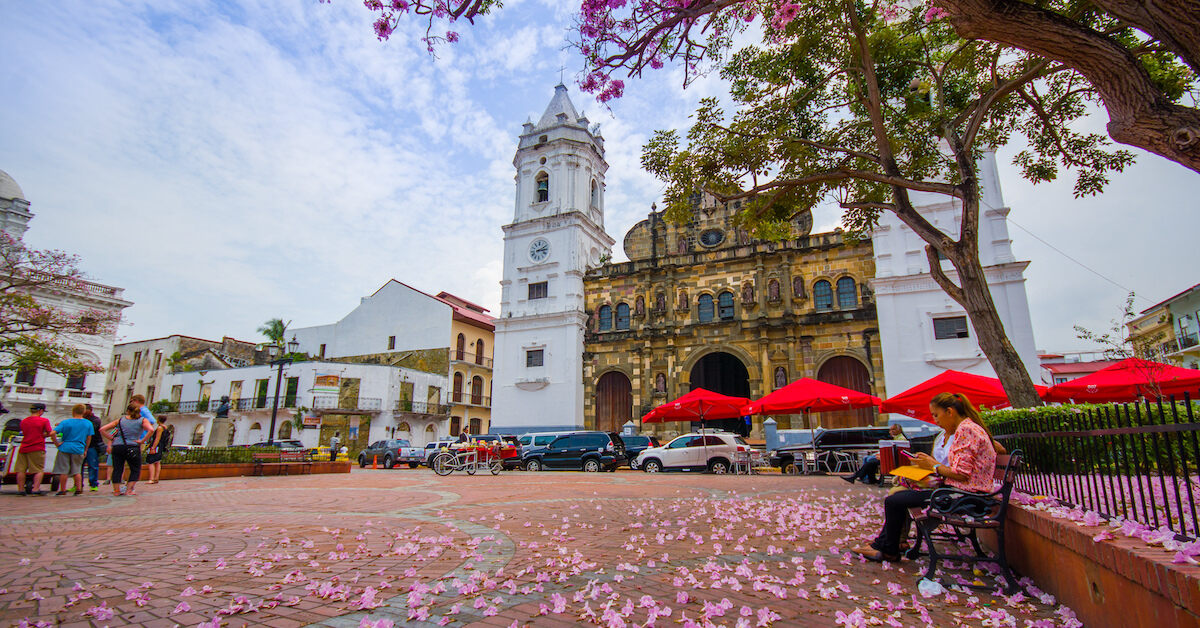
Expat life in Panama offers a comfortable, affordable lifestyle with modern amenities and a welcoming culture. The catch is that the cost of living in prime Panama City neighborhoods can approach U.S. city levels, so choosing your location is key.
Cost of Living in Panama
One of the major advantages of living in Panama is its favorable cost of living. Compared to many Western countries, the cost of housing, groceries, transportation, and healthcare in Panama can be relatively affordable, especially outside prime Panama City areas, allowing expats to maintain a comfortable lifestyle without breaking the bank.
Housing in Panama offers a range of options to suit different budgets and preferences. From modern apartments and condominiums in bustling city centers to quaint houses in picturesque towns, there is something for everyone. Rental prices vary depending on the location and size of the property, but overall, they are significantly lower compared to major cities in North America and Europe.
When it comes to groceries, Panama offers a variety of supermarkets and local markets where you can find fresh produce, imported goods, and everyday necessities. The cost of groceries in Panama can be lower than in many Western countries, allowing expats to maintain a healthy and balanced diet without straining their budget.
Transportation in Panama is also affordable and convenient. The country has a well-developed public transportation system, including buses and taxis, which make it easy to navigate both urban and rural areas. The cost of public transportation is relatively low, making it an economical option for daily commuting or exploring different parts of the country.
In terms of healthcare, Panama has a robust healthcare system with modern facilities and highly skilled medical professionals. The cost of healthcare services in Panama is generally lower compared to many Western countries, making it an attractive option for expats. Additionally, the availability of affordable health insurance plans provides expats with the peace of mind and security they need.
It's worth noting that while the cost of living in Panama is generally affordable, prices may vary depending on the location. Urban areas, particularly Panama City, tend to have higher costs compared to smaller towns and rural areas. However, even in urban centers, the cost of living in Panama can be lower than in many major cities around the world, though Panama City costs may approach U.S. city levels in desirable neighborhoods.
Overall, expats can expect to enjoy a comfortable standard of living in Panama without having to compromise on their quality of life. With affordable housing options, reasonable grocery prices, and accessible healthcare services, Panama offers a cost-effective lifestyle that allows expats to stretch their budget further and make the most of their time in this beautiful country.
Healthcare System in Panama
When it comes to healthcare, Panama boasts a well-developed system that provides quality medical services to its residents, including expats. The country has made significant investments in healthcare infrastructure, ensuring access to modern facilities and highly skilled medical professionals.
Public healthcare in Panama is provided by the Social Security Fund (Caja de Seguro Social or CSS), which covers the majority of the population. CSS operates hospitals, clinics, and healthcare centers throughout the country, offering a wide range of medical services at affordable rates. However, wait times for non-emergency treatments can be long, and facilities may be crowded.
Private healthcare in Panama is also highly regarded and preferred by many expats. Private medical facilities in Panama City and other major cities are equipped with state-of-the-art technology, offering a higher level of comfort and personalized care. The private sector provides a wide range of services, including general consultations, specialized treatments, surgeries, and diagnostic tests.
Expats living in Panama are required to have health insurance. For those working in the formal sector, health insurance is typically provided by their employer as part of their benefits package. If you are self-employed or retired, you can choose from several private health insurance options specifically designed for expats. These insurance plans offer comprehensive coverage at varying costs based on your needs and preferences.
Some expats opt to return to their home countries for more complex medical treatments or procedures. Panama has good connections to North and South America, making it relatively easy to travel for medical purposes. However, before making any decisions, it's important to thoroughly research the healthcare options available to you in both Panama and your home country, considering factors such as cost, quality, and convenience.
Pharmacies in Panama are plentiful and easily accessible, and medications are generally available at a lower cost compared to many Western countries. Prescription medications are widely available, and most pharmacies have knowledgeable staff who can provide advice and assistance.
Overall, the healthcare system in Panama offers a combination of public and private options, ensuring that residents and expats have access to quality medical services. Whether you opt for public or private healthcare, it is important to have the appropriate health insurance coverage to ensure peace of mind and to be prepared for any unexpected medical needs that may arise during your time in Panama.
Job Opportunities in Panama
Panama boasts a growing and diverse economy, offering a range of job opportunities for both local residents and expats. The country's strategic location as a hub for international trade, its favorable business climate, and its focus on key economic sectors have contributed to its status as a job market with ample potential.
One of the primary industries driving Panama's economy is banking and finance. The presence of a robust banking sector, as well as favorable tax laws and incentives for international companies, has attracted many multinational corporations to establish their regional headquarters in Panama. This has created numerous job opportunities in fields such as accounting, finance, corporate management, and customer service.
Another key sector in Panama is logistics and transportation. With the famous Panama Canal serving as a crucial shipping route connecting the Pacific and Atlantic Oceans, the country has positioned itself as an important logistics hub. This has led to an increased demand for professionals in logistics management, supply chain, and maritime operations.
The tourism industry in Panama is also flourishing, offering a wide range of job opportunities in hospitality, tourism management, tour guiding, and event planning. The country's stunning natural beauty, diverse ecosystems, and cultural attractions draw in a significant number of tourists each year, creating a demand for skilled professionals to cater to their needs.
Real estate and construction are booming sectors in Panama, driven by ongoing infrastructure development and urban expansion. This has opened up employment opportunities in architecture, engineering, construction management, and property development.
For expats who possess specialized skills and qualifications, there are opportunities in sectors such as IT and telecommunications, education, healthcare, and engineering. These industries value international expertise and often seek professionals with diverse backgrounds and experiences.
It is important to note that the ability to speak Spanish can greatly enhance job prospects in Panama. While English is spoken in many business and tourist areas, proficiency in Spanish is advantageous, especially when dealing with local clients, colleagues, and customers.
When exploring job opportunities in Panama, it is recommended to research and connect with local recruitment agencies, job portals, and professional networks. Networking is key in Panama, and building relationships within your industry can lead to job opportunities and valuable connections. Additionally, attending career fairs and industry events can provide insights into the local job market and create opportunities for face-to-face meetings with potential employers.
Overall, Panama's growing economy, favorable business environment, and diverse sectors offer a range of job opportunities for expats. With proper research, networking, and the right qualifications, you can embark on a successful professional journey in this dynamic country.
Education System in Panama
Panama has a comprehensive education system that caters to both local residents and expat families, with a focus on providing quality and inclusive schooling options for children and young adults.
The system is divided into preschool (not mandatory but widely available), primary education (compulsory, grades 1–6), secondary education, and tertiary education. Primary curriculum covers core subjects such as mathematics, science, social studies, language arts, and physical education.
Secondary education consists of three cycles: basic general education (grades 7–9), diversified general education (grades 10–12, allowing specialization in sciences, humanities, or technical studies), and technical-professional education, which develops vocational skills for careers like construction, mechanics, or culinary arts.
In addition to public schools, Panama has a wide range of private schools offering alternative curricula, including International Baccalaureate (IB) and American programs. These often cater to expat families seeking bilingual or specialized education for their children.
At the tertiary level, Panama has several universities and higher education institutions offering undergraduate and graduate programs, with the sector continuously expanding.
For expat families, it is important to research and select a school that aligns with educational preferences and language requirements. Many international schools offer a multicultural environment and a holistic approach, with programs focusing on academics, extracurricular activities, sports, and the arts.
Compared to other Western countries, the cost of housing, groceries, healthcare, and transportation in Panama can be relatively affordable, especially outside prime Panama City areas. Fortunately, Panama is often described as one of the safer countries in Latin America by expat guides.
Overall, the education system in Panama strives to provide a solid foundation for students, preparing them for future endeavors whether choosing public or private schooling options.
Safety and Security in Panama
Ensuring the safety and security of its residents and visitors is a top priority for Panama's government. While no place is completely free from crime, Panama has taken significant measures to maintain a safe and secure environment for both locals and expats.
However, like any urban area, certain precautions should still be taken to ensure personal safety. It is advisable to exercise common sense and be aware of your surroundings, especially in crowded tourist areas or unfamiliar neighborhoods.
Panama's government has implemented various security measures to enhance safety in the country, particularly in urban centers. The presence of police officers, security cameras, and increased security in public spaces provides a sense of security for residents and visitors.
Expats residing in Panama are advised to stay informed about local safety regulations and follow any advisories issued by their respective embassies or consulates. These resources can provide valuable information regarding any potential safety concerns or areas to be cautious in.
When it comes to property safety, Panama offers a range of secure housing options. Many residential areas have gated communities with 24/7 security personnel, ensuring the safety and privacy of residents. These communities often feature amenities such as surveillance systems, controlled access, and additional measures to deter criminal activities.
Overall, practicing basic safety measures such as locking doors and windows, utilizing secure transportation options, and being cautious with personal belongings can significantly reduce the risk of incidents. It is also advisable to have travel insurance that covers any unexpected events or emergencies.
In terms of natural disasters, Panama is prone to occasional earthquakes, hurricanes, and heavy rainfall, particularly in certain regions. The government has implemented an effective disaster preparedness and response system to minimize the impact of these events. It is recommended to stay informed about any potential natural disasters and follow the advice and instructions provided by local authorities.
As with any new destination, it is wise to familiarize yourself with the local laws and regulations of Panama. This includes understanding the legal system, traffic rules, and any specific cultural norms or customs that may affect your daily life. By respecting the local laws and customs, you can ensure a positive and hassle-free experience in Panama.
While safety is a concern in any country, Panama's efforts to maintain a safe and secure environment make it an attractive destination for expats. By staying informed, exercising caution, and following guidelines, you can enjoy a peaceful and worry-free life in Panama.
Climate and Weather in Panama
Panama's climate is tropical and generally pleasant throughout the year, offering a desirable environment for expats seeking warm weather and outdoor adventures. The country experiences two main seasons: the dry season and the rainy season.
The dry season in Panama runs from mid-December to mid-April and is characterized by clear skies, minimal rainfall, and relatively lower humidity levels. This is the peak tourist season in Panama, as visitors flock to the country to enjoy its abundant sunshine and pleasant temperatures. The dry season is perfect for exploring Panama's pristine beaches, indulging in water sports, and embarking on outdoor activities such as hiking and birdwatching.
The rainy season in Panama occurs from mid-April to mid-December, with the heaviest rainfall typically experienced between September and November. During the rainy season, Panama receives a significant amount of rainfall, contributing to the country's lush rainforests and vibrant vegetation. While it may rain heavily at times, it is usually followed by clear skies and sunshine. The rainy season is a great time to explore Panama's diverse ecosystems, witness stunning waterfalls, and enjoy the lush green landscapes.
Due to its geographical location, Panama is not typically affected by hurricanes. However, the country can experience tropical storms or heavy rainfall associated with weather patterns in the Caribbean or the Pacific. Panama has a well-developed weather monitoring system and effective disaster preparedness measures in place to ensure the safety of its residents and visitors.
The average temperature in Panama remains relatively constant throughout the year, hovering around 27°C (80°F) during the day and cooling down to around 23°C (73°F) at night. It is advisable to dress in light clothing, use sunscreen, and stay hydrated, especially during the hotter months.
While the climate in Panama is generally warm and tropical, it is worth noting that there are variations in temperature and weather patterns across different regions of the country. Coastal areas tend to be hotter and more humid, while higher altitude destinations, such as Boquete and El Valle de Antón, enjoy cooler temperatures.
Overall, Panama's climate offers a pleasant year-round experience, allowing residents and expats to enjoy outdoor activities and explore the country's natural beauty. Whether it's basking in the sun on the picturesque beaches or discovering the wonders of the rainforest, Panama's climate adds to the allure of living a vibrant and active lifestyle in this tropical paradise.
Cultural Adaptation in Panama
Adapting to a new country and its culture is an exciting and enriching experience, and Panama offers a diverse and vibrant cultural landscape for expats to immerse themselves in. Understanding and embracing the local customs and traditions can greatly enhance your journey and help you build meaningful connections with the local community.
Panamanians are known for their warm hospitality and friendliness towards foreigners. They take pride in their cultural heritage and love sharing it with others. Embracing the local customs, such as greeting people with a warm handshake or hug, using appropriate greetings (such as "buenos días" for good morning), and saying "por favor" (please) and "gracias" (thank you), can go a long way in establishing positive relationships.
The official language of Panama is Spanish. While English is widely spoken in urban areas, especially in business and tourist hubs, learning some basic Spanish phrases can greatly facilitate daily interactions and help you connect with locals on a deeper level. Taking language classes or using language learning apps can be a fun and rewarding way to enhance your cultural adaptation.
Panama's culture is a rich fusion of indigenous, European, African, and Caribbean influences. You can experience this cultural blend through various aspects of daily life, including food, music, dance, and festivals. Trying traditional Panamanian dishes such as sancocho (a hearty chicken soup) or enjoying the lively beats of salsa and reggaeton music can provide insight into the diverse cultural tapestry of the country.
Religion plays a significant role in Panamanian society, with the majority of the population identifying as Roman Catholic. Religious festivals and traditions are widely celebrated throughout the country, offering opportunities to witness and participate in cultural ceremonies and events. Being respectful of these customs and traditions is important, even if you do not practice the same faith.
Participating in local festivals and events is a great way to connect with the community and immerse yourself in Panamanian culture. Events such as Carnival, Semana Santa (Holy Week), and the Independence Day celebrations showcase the vibrant spirit and rich traditions of the country. Attending these festivities allows you to witness colorful parades, traditional dances, and other cultural performances.
It is important to be open-minded and embrace cultural differences during your journey of adaptation. Panama has a diverse population, with people from various ethnic backgrounds and nationalities residing in the country. Meeting people from different walks of life and engaging in cultural exchange can broaden your horizons and deepen your understanding and appreciation for diversity.
Building connections with expat communities in Panama can offer a support network and a sense of familiarity. These communities often organize social events, share information and resources, and provide a platform to connect with fellow expats who may be going through similar experiences. Joining expat groups and online forums can be a valuable resource for information, guidance, and making new friends.
Adapting to a new culture takes time and effort, but with an open mind, respect for the local customs, and a willingness to embrace the rich cultural tapestry, you can create a fulfilling and rewarding expat experience in Panama.
Expat Communities in Panama
Panama is home to vibrant and diverse expat communities, offering a support network and a sense of belonging to individuals from all walks of life. These communities provide opportunities for connection, cultural exchange, and mutual support, making the transition to expat life in Panama smoother and more enjoyable.
One of the largest and most established expat communities in Panama can be found in Panama City, the capital and largest city of the country. Here, expats from around the world have established a thriving community, with dedicated social groups, clubs, and organizations for various nationalities and interests. These groups often organize social events, cultural gatherings, and activities that facilitate friendships and connections.
In addition to Panama City, popular expat destinations such as Boquete, Coronado, Bocas del Toro, and Pedasi also have well-established expat communities. These communities offer a range of support services, networking opportunities, and social activities tailored to the needs and interests of expats.
Expats living in Panama find comfort in connecting with others who share similar experiences, challenges, and interests. Engaging with the expat community allows for the exchange of information, insights, and practical advice on various aspects of living in Panama, such as healthcare, housing, education, and local customs.
Language should not be a barrier to connecting with the expat community in Panama. Many expat groups and organizations conduct activities and events in multiple languages, catering to diverse members from around the world. This inclusivity fosters a sense of belonging and encourages expats to actively engage and participate in the community.
The expat community in Panama is not limited to social gatherings and events. Some expats choose to participate in volunteer work or engage in philanthropic initiatives, creating a positive impact in their local communities. These activities foster a sense of purpose and contribute to the overall well-being of both the expat community and the wider Panamanian society.
Online forums and social media groups also play a significant role in connecting expats in Panama. These platforms provide an avenue for sharing information, seeking advice, and building connections before and after arriving in the country. Expats can join these online communities to ask questions, gather insights, and form friendships with like-minded individuals.
Being part of an expat community not only provides support and a sense of camaraderie but also opens doors to meaningful friendships and cultural exchange. Expats in Panama have the opportunity to form connections with people from various backgrounds and nationalities, creating a rich tapestry of experiences and perspectives.
For those looking to immerse themselves more deeply in the local culture, integrating with the local community while maintaining connections with the expat community can provide a well-rounded expat experience. This balance allows for a deeper understanding and appreciation of Panama's culture and fosters lasting connections within the host country.
Overall, the expat communities in Panama serve as valuable resources, providing support, friendship, and a sense of belonging to individuals who have made the exciting decision to embark on a new chapter in their lives in this beautiful country.
Language and Communication in Panama
The official language of Panama is Spanish, and while Spanish is predominantly spoken throughout the country, English is widely understood in urban areas, especially in business and tourist hubs. Communicating effectively can be enhanced by understanding local language and cultural nuances.
Learning basic Spanish phrases greatly facilitates daily interactions. Simple greetings like "buenos días" or "gracias" build rapport and show respect. Language classes, apps, or practicing with locals are effective ways to improve your Spanish while immersing yourself in the culture.
In areas with significant expat populations, English-speaking service providers and bilingual individuals are common. Hotels, restaurants, and tourist attractions often have English-speaking staff. However, some Panamanians may have limited English proficiency; patience, active listening, and clear language help ensure effective communication.
For expats planning an extended stay, learning Spanish beyond basic phrases is highly recommended. It opens doors to deeper cultural immersion, enhances professional opportunities, and allows smoother integration with local communities.
Language also involves understanding cultural context. Panamanians are generally warm and polite. Using appropriate greetings and expressions reflects appreciation for their customs. Adapting to local communication styles and non-verbal cues helps build meaningful connections.
Panama has modern communication systems. Internet access and mobile phone coverage are widely available, making it easy to stay connected globally. For formal documentation or legal matters, a professional interpreter or translator ensures accuracy in contractual agreements, government procedures, or important paperwork.
Expats will find locals generally happy to help and appreciative of efforts to speak Spanish, even with mistakes. Showing willingness to learn and adapt fosters positive interactions and a more fulfilling expat experience.
Ultimately, effective communication in Panama involves embracing the local language, being aware of cultural nuances, and approaching interactions with respect and openness. With practice and a positive attitude, expats can navigate the linguistic landscape and connect more deeply with the people and culture of their new home.
Transportation in Panama
When it comes to transportation, Panama offers a range of options that make moving around the country convenient and accessible. The transportation infrastructure is well-developed, providing various modes to suit different needs.
Public transportation is a popular choice. Buses are the most commonly used mode, offering an extensive network that connects different parts of the country. The bus system is affordable and reliable, making it a cost-effective option for commuting or traveling between cities and towns.
In Panama City, the Metro system provides a fast and efficient way to navigate the city. The Metro has expanded in recent years, connecting major neighborhoods and offering a convenient alternative to buses and private transportation. It is complemented by the Metrobus system, which covers a wider area including outside the city center.
Taxis are widely available, particularly in urban areas. Taxis can be hailed on the street or arranged through a phone call or mobile app. It is advisable to use licensed taxis and ensure the meter is used for fare calculation. Ride-hailing services like Uber and Cabify are also becoming increasingly popular, offering a convenient and often more affordable alternative to traditional taxis.
For those wanting a more personalized mode of transportation, renting or owning a car is a viable option. Panama has a well-maintained network of highways and roads, allowing convenient travel within and between regions. However, familiarize yourself with local traffic regulations and consider factors such as traffic congestion and parking availability, particularly in urban areas.
For intercity travel, Panama has a modern domestic airline network. Domestic flights can be a quick way to travel between regions, particularly to more remote locations.
For international travel, Panama is well-connected through Tocumen International Airport in Panama City, offering flights to North America, South America, Europe, and other parts of the world.
Traveling by boat is also an option in certain regions, particularly in the archipelago of Bocas del Toro and the San Blas Islands. Boat services and water taxis provide transportation within these areas, allowing visitors to explore beautiful coastlines and pristine waters.
Overall, transportation in Panama is reliable, diverse, and accessible. Whether taking a bus or the Metro, hailing a taxi, renting a car, or flying domestically or internationally, ample options exist to meet the needs of residents and visitors.
Recreational Activities in Panama
Panama offers a wide range of recreational activities, from pristine beaches and rainforests to cultural sites and bustling cities. The beaches are a major attraction, with both the Pacific Ocean and Caribbean Sea offering coastlines and clear waters for surfing, snorkeling, or relaxing. Popular destinations include the San Blas Islands, Bocas del Toro, Santa Catalina, and the Pearl Islands.
Outdoor enthusiasts can explore national parks such as Parque Nacional Soberanía, Parque Nacional Volcán Barú, and Parque Nacional Darién, which provide hiking, birdwatching, and wildlife spotting. For adventure, take a boat or kayak tour of the Panama Canal, go zip-lining through the rainforest canopy, white-water rafting in the Chiriquí Highlands, or hike to the summit of Volcán Barú for panoramic views.
Cultural exploration centers on the historic district of Casco Viejo in Panama City, with its preserved colonial architecture, plazas, museums, art galleries, and historical sites. Experience traditional music and dance, including salsa rhythms and colorful folklore performances.
Water enthusiasts can fish, sail, or scuba dive around the Pearl Islands and Coiba National Marine Park, where marine life is abundant. Deep-sea fishing excursions target marlin, sailfish, and tuna. Food lovers will find a culinary scene blending traditional flavors with international influences, including fresh seafood ceviche, hearty sancocho, empanadas, arroz con pollo, yuca frita (fried cassava), and chicha (a fermented corn drink).
Panama also serves as a hub for shopping and nightlife. Modern shopping malls carry international brands, while marketplaces offer unique handicrafts, indigenous art, and local products. In Panama City and Bocas del Toro, a lively nightlife scene includes bars, clubs, and live music venues.
Overall, Panama offers recreational activities that allow residents and visitors to explore natural wonders, immerse in culture, seek adventure, or relax on the beach. For those considering regional travel, Panama shares borders with Costa Rica and Colombia, and the country is a common jumping-off point for destinations like San Andres Island.
Conclusion
Panama is a captivating destination that offers a rich cultural heritage, stunning natural landscapes, and a range of opportunities for expats seeking a new and exciting adventure. With a generally favorable cost of living, a well-developed healthcare system, and diverse job opportunities, Panama provides a comfortable and fulfilling lifestyle.
The country's warm and welcoming culture, coupled with its vibrant expat communities, ensures that newcomers feel at home and have the support they need to adapt and thrive. Whether connecting with the local community or joining expat groups, the sense of belonging is within reach.
Panama's tropical climate, breathtaking beaches, and abundant outdoor activities make it a paradise for nature lovers and adventure enthusiasts. From exploring the lush rainforests and national parks to enjoying water sports and relaxing on pristine beaches, the recreational opportunities are boundless.
While Spanish is the official language of Panama, English is widely spoken in many areas, allowing for easy communication and integration. Embracing the local language and customs enhances cultural immersion and fosters connections with the local community.
Panama also offers a secure environment, with efforts made by the government to ensure the wellbeing of residents and expats alike. With visible security measures, Panama is often described as one of the safer countries in Latin America by expat guides, allowing individuals to enjoy peace of mind while exploring all that Panama has to offer.
In conclusion, Panama presents a unique and enticing opportunity for expats looking to embark on a new chapter in their lives. With its generally favorable cost of living, diverse job opportunities, stunning natural beauty, and warm culture, Panama offers a wealth of experiences and a high quality of life. Whether it's the vibrant city life of Panama City, the tranquil beaches, or the adventurous opportunities in the countryside, Panama has something for everyone. By embracing the local culture, connecting with the community, and immersing oneself in the beauty of this tropical paradise, expats can create a truly rewarding and fulfilling experience in Panama.
