

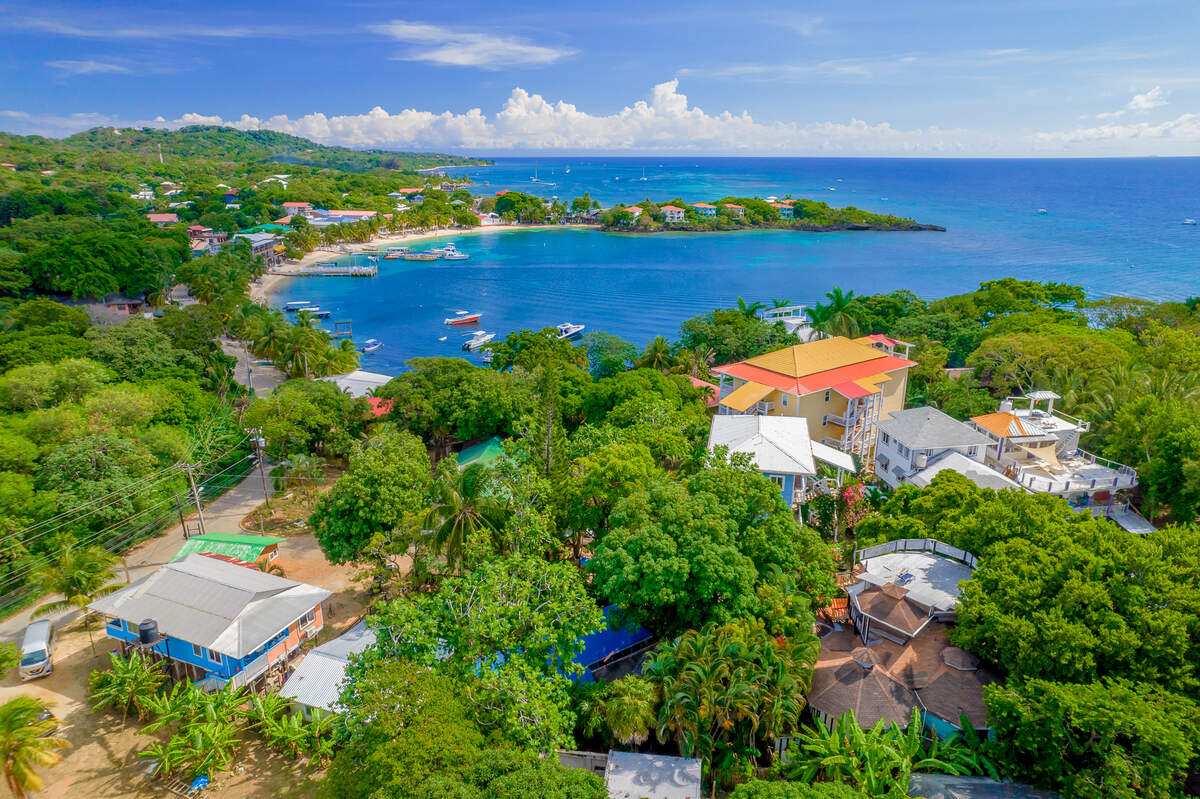
To be an American expat in Roatan, you need to secure a residency permit through one of four options—pensioner, rentista, investor, or a work permit—and after three years of continuous temporary residency, you can apply for naturalization. The catch is that most jobs require that right to work through residency first, so your income source matters before you move.
Researching Roatan as an Expat Destination
Before making the decision to move to Roatan as an American expat, it is important to conduct thorough research to ensure it is the right fit for you. Here are some key factors to consider:
- Location and Climate: Roatan is the largest of the Bay Islands in Honduras, situated just off the coast of mainland Honduras. It boasts a tropical climate with warm temperatures year-round, making it an ideal destination for beach lovers.
- Cost of Living: Research the cost of living in Roatan to determine if it aligns with your budget. While it may be more affordable compared to major cities in the United States, prices for certain items or services may be higher due to import costs.
- Healthcare System: Look into the healthcare system in Roatan and the availability of medical facilities and services. While the island has a few clinics and hospitals, the quality and range of healthcare options may differ from what you are accustomed to in the US.
- Safety and Security: Understand the safety and security situation in Roatan, including crime rates and precautions you should take as an expat. While Roatan generally has a low crime rate, it is always advisable to practice common sense and take necessary safety measures.
- Language and Culture: English is widely spoken in Roatan, especially in tourist areas. However, being aware of the local culture and customs can help you integrate better into the community and make your transition smoother.
- Infrastructure and Amenities: Assess the availability of essential amenities such as reliable internet, utilities, transportation, and grocery stores. While the infrastructure in Roatan has improved over the years, some areas may still have limitations.
- Expat Community: Connect with the existing expat community in Roatan through online forums or social media groups. Their insights and experiences can provide valuable information and support as you navigate your new life on the island.
By thoroughly researching Roatan as an expat destination, you can gain a better understanding of what to expect and determine if it aligns with your lifestyle and preferences. It is also advisable to visit the island as a tourist before making a permanent move, as it will give you a firsthand experience and an opportunity to explore different areas and communities. For those considering residency, there are several options available, including a pensioner residency (for retirees with a minimum monthly income), rentista residency (for those with passive foreign income), investor residency (for those investing in a business or property), and work permit. After three years of continuous temporary residency, expats may become eligible to apply for naturalization, which grants them the right to live and work in Honduras indefinitely. The nearby island of Guanaja: why the tiny Bay Island should be on your radar offers a quieter alternative for those exploring the region.
Visa and Residency Requirements
As an American expat planning to live in Roatan, it is important to understand the visa and residency requirements to ensure a smooth transition. Here is an overview of the key considerations:
- Tourist Visa: As a citizen of the United States, you can enter Honduras, which includes Roatan, as a tourist for up to 90 days without a visa. This is often referred to as a tourist visa or a visitor permit.
- Temporary Residency: If you plan to stay in Roatan for longer than 90 days, you will need to apply for temporary residency. The pensionado path requires roughly USD 1,500/month in lifetime pension income, the rentista path requires roughly USD 2,500/month in passive foreign income, and the investor path requires roughly USD 50,000 in investment.
- Residency Process: The residency process in Honduras can be complex and time-consuming. It involves gathering the required documents, such as bank statements, police clearance, health certificate, and proof of income, and submitting them to the appropriate government offices. It is recommended to engage the services of an immigration lawyer or consultant to guide you through the process.
- Renewal and Naturalization: Temporary residency permits in Honduras are typically valid for one year and can be renewed annually.
- Exiting and Re-entry: If you plan to leave Roatan and re-enter Honduras during the validity of your tourist visa or temporary residency, it is important to ensure you have the necessary documents, such as a valid passport and a return or onward ticket.
It is crucial to stay informed about the latest visa and residency requirements, as they may change or vary depending on individual circumstances. Consulting with immigration experts or contacting the Honduran Embassy or Consulate in the United States can provide you with the most accurate and up-to-date information. For travelers exploring the region, note that the visa policies here differ from those of nearby destinations like countries border Costa Rica.
Remember, visa and residency matters are essential for legal compliance when living in Roatan as an American expat. By understanding and fulfilling the requirements, you can enjoy a peaceful and secure stay on this beautiful Caribbean island.
Finding Accommodation
When relocating to Roatan as an American expat, finding suitable accommodation is a crucial step. Here are tips to help you find the right place:
- Research Different Areas: Roatan offers neighborhoods with distinct vibes—proximity to the beach, access to amenities, or a peaceful residential setting. Match an area to your priorities.
- Real Estate Agents: A reputable agent with local knowledge can guide you through rentals or purchases, negotiate terms, and ensure a smooth transaction.
- Online Platforms: Use Roatan MLS, Viviun, and Airbnb for listings ranging from apartments and condos to houses and villas.
- Network within the Expat Community: Join social media groups, attend expat meetups, and connect with others for leads on rentals or properties for sale.
- Long-Term vs. Short-Term Rentals: Long-term rentals offer more affordable rates; short-term vacation rentals provide flexibility at a higher cost.
- Visit in Person: View properties firsthand to get a feel for the neighborhood and community before committing.
- Consider Your Needs: List essential requirements—bedrooms, amenities, proximity to schools or workplaces, and budget—to narrow options.
Roatan offers diverse housing, from beachfront condos and gated communities to traditional island-style homes. Take time to explore the market.
For travel inspiration, note that Roatan’s Caribbean setting shares a similar laid-back vibe with nearby San Andres Island, offering 13 things to know before visiting.
Cost of Living in Roatan
One of the key factors when planning to live in Roatan as an American expat is the cost of living. Roatan offers a more affordable lifestyle compared to many U.S. cities. Here's an overview of typical expenses:
- Housing: Rental prices for a one-bedroom apartment can start around $500 per month in more affordable areas, while beachfront properties or upscale housing can range from $1,000 to $2,000 or more.
- Utilities: Expect to pay around $100-$150 per month for basic utilities, including electricity, water, and internet, for a small apartment.
- Groceries: Costs can be higher than on mainland Honduras due to import costs, but shopping at local markets and using seasonal produce helps. A monthly grocery budget for a couple can range from $200 to $400.
- Transportation: Taxi fares within town are usually around $1-2. Renting a car costs around $40-$50 per day, or $500-$700 per month depending on the vehicle.
- Dining Out: A meal at an inexpensive restaurant can cost around $5-$10, while a three-course meal for two at a mid-range restaurant ranges from $30-$50.
- Entertainment and Leisure: Snorkeling or diving excursions vary by provider; budgeting $50-$100 per activity should cover the island's offerings.
The cost of living varies based on individual preferences and lifestyle. Some expats live comfortably on a modest budget, while others choose a more luxurious lifestyle. Creating a budget that reflects your specific needs helps manage finances and enjoy the relaxed island life Roatan offers.
Healthcare and Insurance
When considering living in Roatan as an American expat, it is important to understand the healthcare system and ensure you have adequate health insurance coverage. Here are some key points to consider:
- Healthcare Facilities: While Roatan has made significant improvements in its healthcare system, the medical facilities and services may not match what you are accustomed to in the United States. The island has a few clinics and hospitals that provide basic medical care, but for specialized treatments, you may need to travel to larger cities in Honduras or return to the US.
- Health Insurance: It is highly recommended to have comprehensive health insurance that covers both emergency medical care and routine healthcare needs. Research and compare plans to find one that suits your needs, and ensure it includes coverage for medical evacuation or repatriation if necessary.
- Medications and Pharmacy: Access to medications in Roatan can vary, and certain medications may not be readily available. It is advisable to bring an ample supply of any necessary prescription medications with you, and consult with your doctor before leaving the US to ensure you have enough to last until you can establish local healthcare arrangements.
- Medical Evacuation: In the event of a serious medical emergency, evacuation to a larger medical facility or the US may be necessary. Ensure your health insurance covers the cost of medical evacuation, as this can be a costly expense without coverage.
- Medical Tourism: Some expats in Roatan choose to seek medical treatments or procedures in other countries, such as the US or nearby countries in Central America. This may be an option if you require specialized medical care, but thoroughly research and consult with healthcare professionals before making such decisions.
It is crucial to prioritize your health while living in Roatan. Maintaining a healthy lifestyle, practicing good hygiene, and seeking regular medical check-ups are essential for your well-being.
Before making the move, consult with your current health insurance provider to understand coverage options while living abroad. Additionally, consider obtaining international health insurance specifically tailored for expats, as it can provide comprehensive coverage and peace of mind.
By understanding the healthcare system and ensuring appropriate insurance coverage, you can have the necessary resources to maintain your health and well-being while living in Roatan.
Employment Opportunities for Expats
While Roatan is primarily known as a tourist destination, there are limited employment opportunities for American expats on the island. Here are some factors to consider when exploring employment options:
- Tourism and Hospitality: The tourism and hospitality industry is the largest employer on the island. Opportunities can be found in resorts, hotels, bars, restaurants, and dive shops. Positions range from front desk staff and waitstaff to dive instructors and tour guides.
- Real Estate and Property Management: With the increasing number of expats investing in property on Roatan, there may be opportunities in real estate sales or property management. Fluency in both English and Spanish would be beneficial for these roles.
- Teaching and Education: Some expats find opportunities in teaching English at local language schools or private institutions. Having a TEFL certification and prior teaching experience could increase your chances of finding employment in this field.
- Online Work: As a result of the growing trend of remote work, some expats choose to work online in various fields such as freelance writing, web development, graphic design, or online marketing. Reliable internet connectivity is crucial for this type of work.
- Starting Your Own Business: Some expats choose to start their own businesses on the island, catering to the needs of the local community or the expat population. This could include opening a restaurant, a dive shop, or a tourism-related service.
It is important to note that the job market in Roatan is highly competitive, and preference is often given to locals or individuals with the right to work through residency. Fluency in Spanish can be an advantage when seeking employment, as it allows for better communication with employers and customers.
For those considering other Caribbean destinations, San Andres Island - 13 things to know offers a comparison of island living.
Before making the move, it is advisable to research the job market, network with the local community, join expat forums, and seek advice from others who have successfully found employment on the island. Being patient, flexible, and open to different opportunities will increase your chances of finding suitable employment as an American expat in Roatan.
Education and Schools for Expatriate Children
If you are an American expat planning to move to Roatan with your children, it's important to consider their education and find suitable schooling options. Here are some key points to consider:
- International and Bilingual Schools: Roatan has a few international and bilingual schools that cater to the expatriate community. These schools often follow a curriculum based on either the American or British education system and offer instruction in English. They provide a familiar educational experience for expat children.
- Curriculum and Accreditation: It is essential to inquire about the curriculum and accreditation of the schools you are considering. Ensure that they meet your educational standards and align with your long-term goals for your child's education.
- Class Sizes and Teacher Qualifications: Consider the class sizes and teacher qualifications at potential schools. Smaller class sizes can provide more individualized attention for your child, while qualified teachers with experience in international education can contribute to their educational development and well-being.
- Social Integration and Cultural Awareness: International schools often foster a multicultural environment, allowing expat children to interact with peers from different backgrounds. This can enhance their social integration and cultural awareness, giving them a well-rounded educational experience.
- Extracurricular Activities: Inquire about the availability of extracurricular activities at schools. These activities, such as sports, arts, and clubs, can play a significant role in your child's personal growth, development of new skills, and overall educational experience.
- Homeschooling and Online Education: For parents who prefer homeschooling or online education, there are various curriculum options available. Reliable internet connectivity is crucial for this option, as it enables access to online resources and virtual learning platforms.
- Transition Support: Consider schools that offer support services for expat children transitioning into a new educational environment. These services can help ease the transition and ensure a smooth integration into the school community.
When researching schools, it is advisable to visit potential schools in person, meet with school administrators and teachers, and tour the facilities. This will give you a better understanding of the educational environment and help you make an informed decision for your child's education.
Take into account your child's specific needs and educational goals when selecting a school. Ensuring a quality education and a supportive learning environment for your children will contribute to their overall well-being and successful transition to life in Roatan.
Daily Life and Cultural Adaptation
When becoming an American expat in Roatan, it is important to prepare for the adjustments and cultural differences you may encounter. Here are some tips to help you navigate daily life and adapt to the local culture:
- Language: While English is widely spoken in Roatan, learning some basic Spanish phrases can help you communicate and connect with the local community. It shows respect for the local culture and can make your daily interactions smoother.
- Slow-Paced Lifestyle: Roatan has a relaxed and slow-paced lifestyle. Embrace this slower rhythm and allow yourself to enjoy the island's natural beauty and vibrant culture. Avoid rushing and practice patience when it comes to administrative processes or services.
- Island Time Mentality: Roatan operates on a more flexible concept of time, often referred to as "island time." Expect delays or changes in schedules and be prepared to adapt and go with the flow. Developing a flexible mindset will help you navigate daily life with less stress.
- Local Customs and Etiquette: Familiarize yourself with local customs and etiquette to show respect for the culture. For example, greeting others with a smile and handshake, using "por favor" (please) and "gracias" (thank you), and dressing modestly in certain settings demonstrate cultural sensitivity.
- Food and Cuisine: Roatan offers a diverse culinary scene with both local and international cuisine. Taste the local delicacies such as baleadas, seafood, and coconut-based dishes. Explore the local markets and try fresh fruits and produce. Embrace the culinary adventure and be open to new flavors.
- Embrace the Expat Community: Get involved in the expat community on the island. Attend social events, join clubs or organizations, and participate in activities. Connecting with fellow expats can provide a support network, valuable advice, and a sense of belonging.
- Respect for the Environment: Roatan's natural beauty is a precious resource. Practice responsible tourism and strive to minimize your impact on the environment. Support local sustainability initiatives and engage in activities that promote ecological awareness and conservation.
Embracing the local culture and making an effort to adapt and integrate will enhance your experience as an American expat in Roatan. Engaging with the community, respecting the local customs, and being open to new experiences will help you forge meaningful connections and create a fulfilling life on this captivating Caribbean island.
Safety and Security Measures
Ensuring your safety and security is essential when living as an American expat in Roatan. While the island generally has a reputation for being safe for tourists and expatriates, it is still important to take necessary precautions. Here are some safety and security measures to keep in mind:
- Research and Stay Informed: Stay up-to-date with the current safety situation on the island. Keep track of any travel advisories or safety warnings issued by your home country's embassy or consulate. Familiarize yourself with the local emergency numbers and know the locations of nearby police stations and hospitals.
- Be Mindful of Your Surroundings: Stay alert and be aware of your surroundings, especially in crowded tourist areas or unfamiliar neighborhoods. Avoid displaying valuable items or carrying large amounts of cash. Keep your personal belongings secure and be cautious of pickpockets or petty theft.
- Lock Doors and Windows: Ensure that your residence is secure by locking doors and windows. Install a security system or consider living in a gated community with additional security measures. Secure your valuable possessions and important documents in a safe place.
- Use Reliable Transportation: When using transportation, opt for registered taxis or reputable transportation services. Avoid accepting rides from strangers or unmarked vehicles. If you rent a car, park it in well-lit and secure areas.
- Be Cautious with Social Media: Be mindful of what you share on social media platforms. Avoid posting specific details about your location or travel plans that could potentially compromise your safety or attract unwanted attention. Maintain a level of privacy and discretion.
- Practice Water Safety: Roatan's beautiful beaches and crystal-clear waters can be enticing, but always exercise caution when swimming or engaging in water activities. Familiarize yourself with local water conditions, follow safety guidelines, and be aware of potential risks such as strong currents or hazardous marine life.
- Build a Support Network: Connect with the expat community and establish a support network. They can provide valuable insights, advice, and support in navigating daily life on the island. Share safety tips and look out for one another.
For broader travel context, those exploring the region might also consider travel tips in Guatemala.
While it is important to be vigilant, it is equally important not to let concerns about safety overshadow your enjoyment of life in Roatan. By taking reasonable precautions, staying aware, and using common sense, you can experience the beauty and tranquillity of the island while keeping yourself and your belongings safe.
Transportation and Getting Around
Getting around Roatan as an American expat is relatively straightforward, with several transportation options available to help you navigate the island. Here are some key points to consider:
- Taxis: Taxis are a popular and convenient mode of transportation in Roatan. They are readily available at airports, ferry terminals, and major tourist areas. Negotiate the fare with the driver before getting in, as they often do not use meters.
- Car Rentals: Renting a car can give you the freedom to explore the island at your own pace. Several car rental agencies operate on the island, offering a variety of vehicles to choose from. Remember to drive on the right side of the road and familiarize yourself with local traffic rules and regulations.
- Scooters and Motorcycles: Renting a scooter or motorcycle is a popular option for short-term transportation. It allows you to easily travel around the island, especially in more congested areas where parking can be limited.
- Public Transportation: The public transportation system in Roatan primarily consists of vans or minivans known as "collectivos." These vans follow set routes and can be an affordable option for getting around the island. However, they may not adhere to a strict schedule, so be prepared for some waiting time.
- Bicycle: Roatan's relatively flat terrain makes it suitable for biking. Renting or purchasing a bicycle can be a cost-effective and eco-friendly way to get around, especially for shorter distances.
- Water Taxis: Water taxis operate between various parts of the island, providing transportation to and from popular tourist spots and neighboring islands. They are a great option for island hopping and exploring the beautiful surrounding waters.
- Walking: Roatan is a relatively small island, and walking can be a viable option, particularly in more condensed areas. It allows you to soak in the island's natural beauty, discover hidden gems, and enjoy the scenic views along the way.
Plan your transportation considering distance, cost, convenience, and safety. Be prepared for occasional traffic congestion during peak tourist seasons. Always prioritize safety by following traffic rules, wearing appropriate safety gear, and being mindful of road conditions. For those considering long-term relocation, note that residency options include a pensionado path (requiring ~USD 1,500/month in lifetime pension income), a rentista path (requiring ~USD 2,500/month in passive foreign income), and an investor path (requiring ~USD 50,000 investment).
Socializing and Building a Support Network
As an American expat in Roatan, building a support network and socializing with both the local community and fellow expats can greatly enhance your experience on the island. Here are some tips for socializing and building a support network:
- Engage with the Expat Community: Connect with fellow expats through social networking platforms, expat forums, community events, or expat-oriented organizations. Participating in expat groups and activities can provide a sense of belonging and opportunities to make new friends who are going through similar experiences.
- Attend Social Events and Meetups: Keep an eye out for social events, meetups, and gatherings happening on the island. These events can range from group dinners, beach bonfires, trivia nights, or sports activities. They provide an opportunity to meet new people and expand your social circle.
- Join Clubs or Organizations: Roatan offers various clubs and organizations catering to a range of interests. Whether it's a book club, hiking group, or volunteer organization, joining these groups can help you meet like-minded individuals and engage in activities you enjoy.
- Volunteer or Get Involved in Community Projects: Volunteering your time and skills to local community projects or initiatives is a fantastic way to connect with the local community and contribute positively to the island. Look for volunteer opportunities in areas such as conservation, education, animal welfare, or social causes.
- Support Local Businesses and Events: Frequenting local businesses and attending local events not only supports the local economy but also allows you to interact with locals and build relationships. Visit local markets, restaurants, festivals, and cultural events to immerse yourself in the vibrant island culture.
- Take Part in Language Exchange: If you're interested in learning or improving your Spanish, consider participating in language exchange programs or finding language partners. This can be a great way to connect with locals, learn about their culture, and enhance your language skills.
- Be Open and Approachable: Maintain a friendly and approachable demeanor in your interactions. Smile, initiate conversations, and show genuine interest in getting to know people. Engage in cultural exchange and be respectful of local customs and traditions.
Building a support network and socializing in Roatan can greatly enrich your expat experience and help you feel more connected to the community. Remember that developing meaningful relationships takes time and effort, so be patient, open-minded, and proactive in reaching out to others.
Ultimately, by engaging with the local community and connecting with fellow expats, you can create a strong support network, form lasting friendships, and make the most of your time living on this beautiful Caribbean island. For those considering a similar island lifestyle, nearby Guanaja: why the tiny Bay Island should be on your radar offers a quieter alternative worth exploring.
Exploring Roatan: Things to Do and Places to See
Roatan offers a range of activities and attractions for American expats. Here are some must-see places and things to do on the island:
- Beach Hopping: Roatan is known for its picturesque beaches, from the white sands of West Bay Beach to the tranquil shores of Sandy Bay. Enjoy sunbathing, swimming, snorkeling, or relaxing by the water.
- Snorkeling and Diving: Roatan is a diver's paradise with an extensive coral reef system. Explore the underwater world through snorkeling or diving excursions. The Mesoamerican Barrier Reef, the second-largest barrier reef in the world, offers incredible dive sites.
- Boat Tours and Island Hopping: Take a boat tour to discover Roatan's surrounding islands and cays. Visit Cayos Cochinos, a protected marine park, or explore the beaches and dive sites of Utila and Guanaja.
- Zip-lining and Canopy Tours: Soar through the treetops on a zip-lining or canopy tour for views of the lush tropical rainforest.
- Visit Gumbalimba Park: Interact with monkeys, parrots, and other exotic animals. Explore the botanical gardens, jungle trails, and learn about the island's biodiversity.
- Visit Roatan's Municipalities: Explore Coxen Hole, the economic hub; West End, known for its nightlife and dining; and Oakridge, a fishing village where you can take a boat tour through mangrove forests.
- Take a Helicopter Tour: Enjoy a bird's-eye view of Roatan's turquoise waters, coral reefs, and landscapes.
- Visit Carambola Botanical Gardens: Stroll through gardens showcasing tropical plants, flowers, and fruit trees, and learn about the island's flora and fauna.
Indulge in local cuisine, experience the island's nightlife, shop for handmade crafts at local markets, and immerse yourself in Roatan's cultural heritage.
With its natural wonders and activities, Roatan offers opportunities for exploration and adventure.
Conclusion
Roatan, with its breathtaking beaches, warm climate, and vibrant culture, offers an attractive destination for American expats. From the stunning natural beauty of its coral reefs to the charm of its local communities, Roatan provides a unique experience for those seeking adventure and relaxation.
Throughout this guide, we have explored various aspects of life as an American expat in Roatan, including researching the destination, understanding visa and residency requirements, finding accommodation, and navigating the cost of living. We have also delved into healthcare and insurance, employment opportunities, education options for expat children, safety and security, as well as transportation and socializing.
Living in Roatan as an American expat may require some adjustments and cultural adaptation, but it also presents an opportunity for personal growth and new friendships. By immersing yourself in the island lifestyle, connecting with the local community, and exploring the countless activities the island offers, you can truly make Roatan your home away from home.
Whether you choose to relax on the pristine beaches, dive into the underwater wonders of the Caribbean, or immerse yourself in the vibrant culture and cuisine, Roatan promises a rewarding expat experience. It is a place where you can create lasting memories and discover a renewed sense of adventure.
