

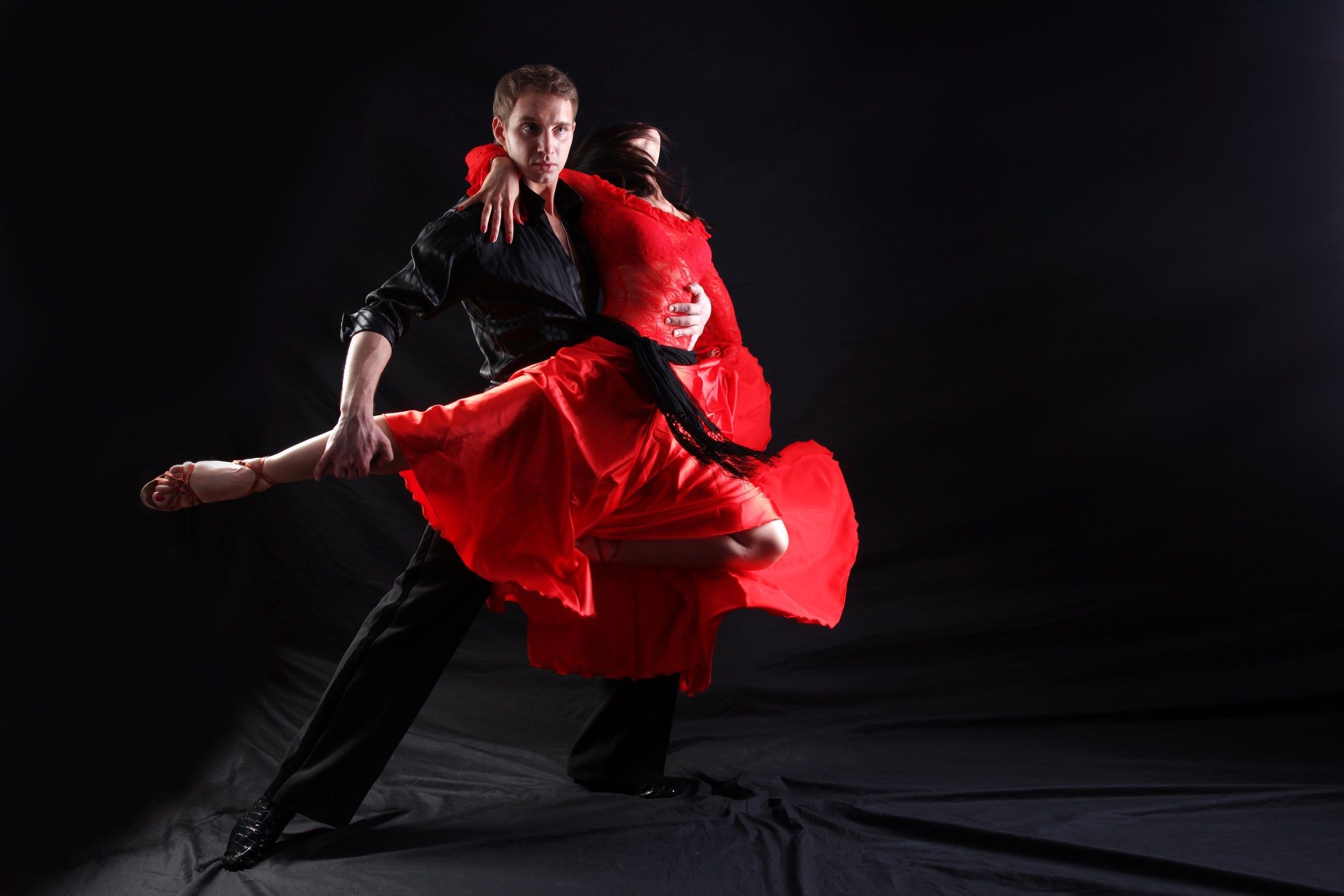
Tango
Tango originated in Buenos Aires and tells stories of passion, love, and heartbreak through dramatic movements and a close embrace.
- Buenos Aires: The birthplace of Tango, Buenos Aires offers countless milongas (dance halls) where you can watch or join in. La Boca and San Telmo neighborhoods are particularly famous for their vibrant Tango scenes.
- Rosario: Known for its cultural richness, Rosario hosts several Tango festivals and events. The city's dance schools also offer lessons for beginners and experts alike.
Chacarera
Chacarera is a lively folk dance from the rural regions of Argentina. It involves foot stomping and hand clapping, celebrating community and tradition.
- Santiago del Estero: As the cradle of Chacarera, Santiago del Estero is the best place to experience this dance. The annual National Chacarera Festival attracts dancers and musicians from all over the country.
- Salta: This city in the northwest is another hotspot for Chacarera. Local peñas (folk music clubs) offer a chance to see live performances and even participate.
Zamba
Zamba is a romantic dance characterized by graceful movements and the use of handkerchiefs. It symbolizes courtship and love, often performed during national celebrations.
- Tucumán: Known for its rich cultural heritage, Tucumán hosts numerous Zamba events. The city's historical sites provide a beautiful backdrop for this elegant dance.
- Jujuy: In Jujuy, Zamba is often performed during traditional festivals. The region's stunning landscapes add an extra layer of beauty to the dance.
Malambo
Malambo is a dance of strength and skill, traditionally performed by gauchos (Argentinian cowboys). It involves fast footwork and rhythmic drumming, showcasing the dancer's agility and endurance.
- Córdoba: Córdoba is famous for its Malambo competitions. The National Malambo Festival held here is a must-see, featuring the best dancers from across Argentina.
Carnavalito
The Carnavalito bursts with color and energy, celebrating indigenous roots. Chacarera and Carnavalito add playful elements, reflecting the joy and spirit of the people.
Pericón
The Pericón is long considered the national dance. Its group formations and lively steps are a staple of patriotic celebrations.
Chamamé
Lastly, the Chamamé connects deeply with the roots of the Litoral region, offering a fast-paced, social experience. It is a dance of the riverside communities, driven by accordion and guitar.
Embracing Argentina's Dance Heritage
Argentina's traditional dances offer a glimpse into its culture. From the passionate Tango to the lively Chacarera, each dance tells a unique story. The Malambo showcases the strength and skill of its performers, while the Zamba brings a touch of romance with its graceful movements. Experiencing these dances, whether by watching or participating, provides a deeper understanding of Argentina's history and traditions. They are not just performances but expressions of identity and community. Next time you visit Argentina, take the opportunity to immerse yourself in these captivating dances. They will leave you with unforgettable memories and a newfound appreciation for this country's cultural heritage.
Related travel guides: Hidden Traditions Only Dominicans Truly Know and 15 Traditional Brazilian Dances That Will Amaze You.
