

Part of our Air Travel guide.
Hidden gems in air travel include the Transcontinental Airway System and a method to beat jet lag before your next vacation. These two overlooked subjects offer real value for curious travelers.
The Transcontinental Airway System
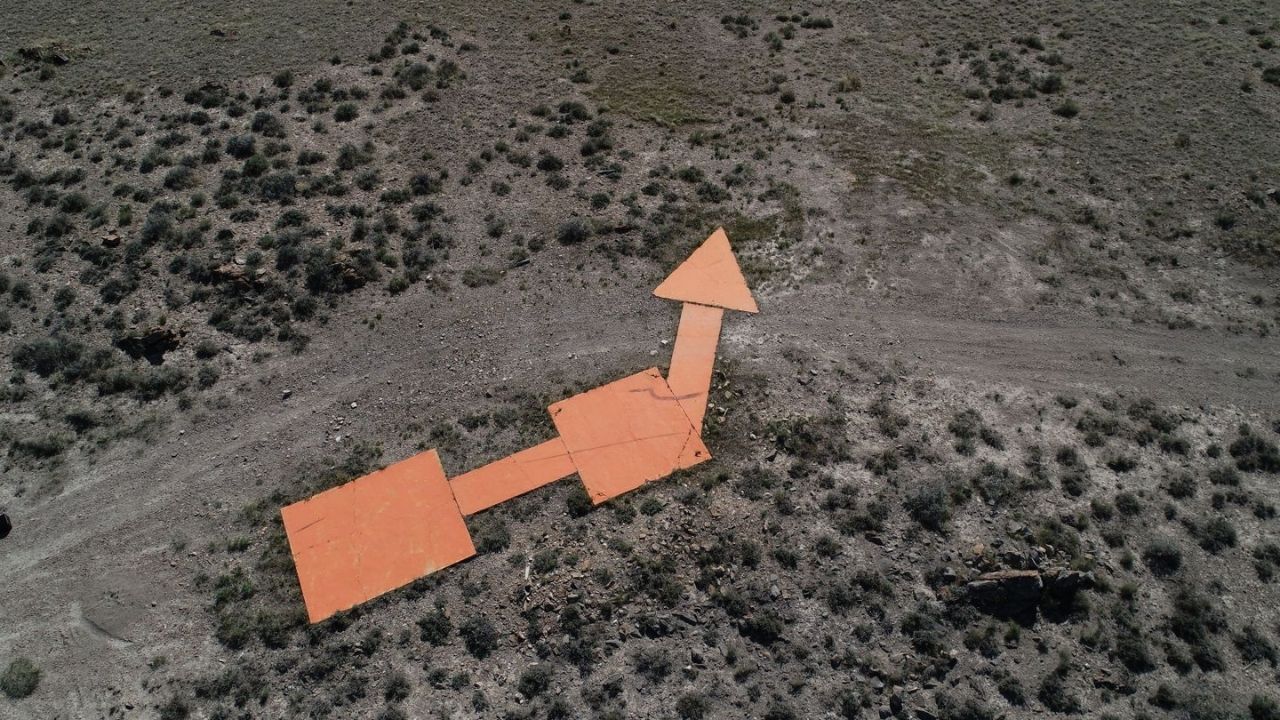
Have you ever noticed those tall, mysterious towers scattered across the American landscape? These are remnants of the Transcontinental Airway System, a network of beacons that once guided early pilots across the country. Before modern navigation technology, these towers were crucial for safe air travel. Built in the 1920s and 1930s, they featured powerful lights and giant concrete arrows on the ground, pointing the way from coast to coast. Though many have fallen into disrepair, some still stand as silent witnesses to aviation history. You can find these concrete arrows on public land, often near rural roads or in deserts, and they make for a unique roadside stop. To locate one near your route, search online for maps of surviving arrows—some are maintained by local historical societies. If you are flying into a smaller airport near one, consider a detour; the arrows are typically 50 to 70 feet long and visible from the air or ground. While no specific admission fee exists, visiting is free on public land. The system originally included over 1,500 beacons spaced about 10 miles apart, and a few have been restored, such as the one at the old St. Paul airfield in Oregon. If you are planning a road trip, you can add a trip to your Southwest account to track miles flown near these sites, or add a trip to American airlines account for similar tracking. The towers themselves are steel structures, often 50 feet tall, with a concrete arrow at the base. They are a genuine hidden gem for aviation history buffs.
The Secret To Beating Jet Lag Before Your Next Vacation
Jet lag can turn your dream vacation into a groggy mess. But what if you could beat it before even stepping on the plane? Adjusting your sleep schedule a few days before departure can make a huge difference. Gradually shift your bedtime closer to the time zone of your destination. For a 6-hour time difference, start shifting your bedtime by 30 minutes each night, beginning 3 to 4 days before your flight. Staying hydrated during your flight also helps. Dehydration can worsen jet lag symptoms. Avoid caffeine and alcohol, as they can mess with your sleep cycle. Once you land, spend time in natural light. Exposure to morning light helps reset your internal clock by about 1 hour per day. If you are flying east, seek light in the early morning; if west, seek it in the late afternoon. To make this easier, you can book round-trip flights with different airports to align with time zone changes. For example, fly into a city where you can arrive in the morning and depart from a different city in the evening. If you have a layover, you can check what happens if i get off at a layover to see if you can reset your schedule mid-journey. For longer stops, you can book a KLM stopover or book a British Airways stopover in 5 easy steps to spend a day adjusting. If you are flying Allegiant, you can use trip Flex on Allegiant air to change your flight if the timing doesn't work. You can also add TSA PreCheck to an existing United reservation to speed through security and reduce stress, which helps with sleep preparation. No specific price is given for this method, but it costs nothing to shift your sleep schedule. The key is consistency: start 3 to 4 days before, shift by 30 minutes daily, and hydrate during the flight.
