

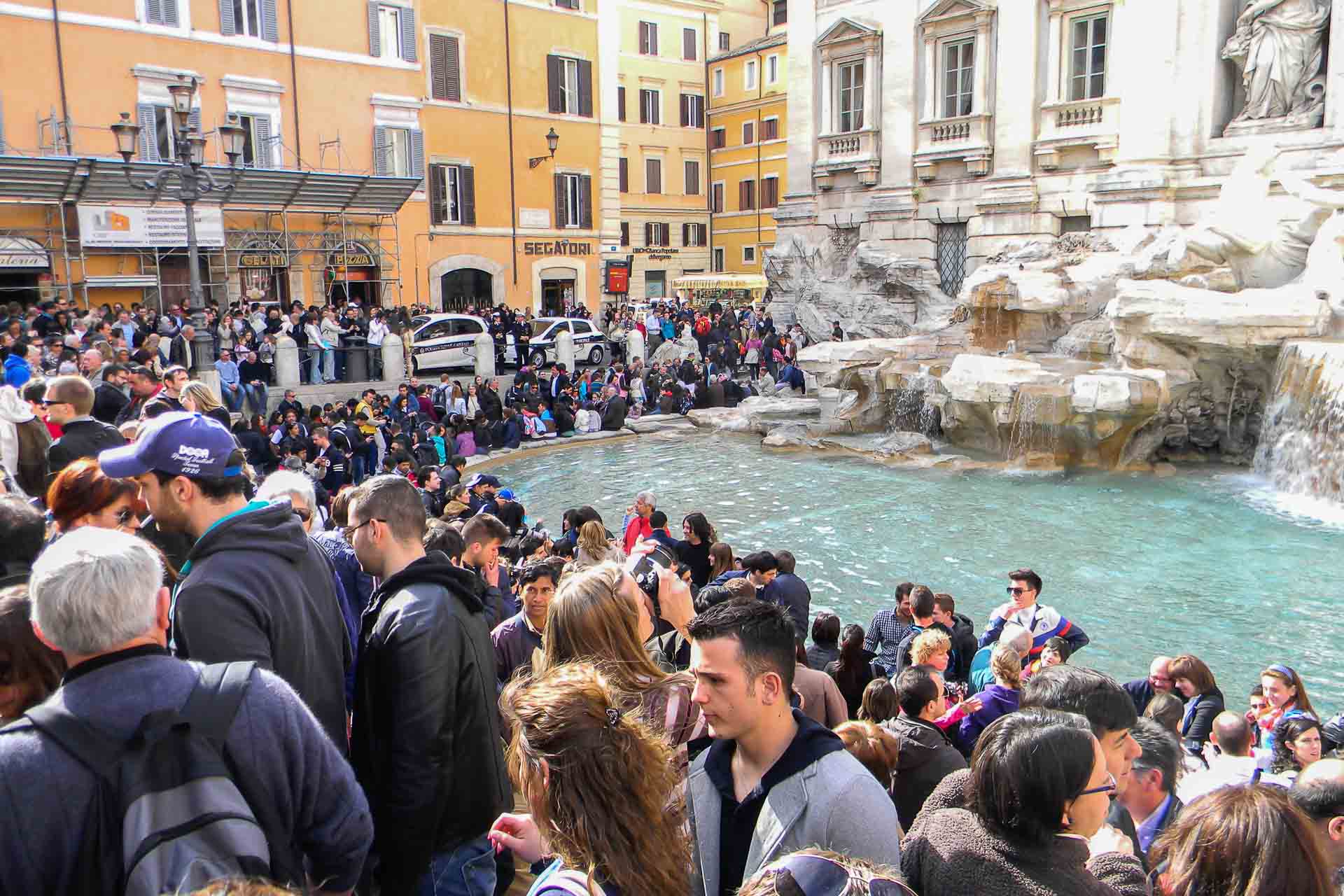
Tourism creates jobs, boosts local businesses, and funds the preservation of cultural heritage. But these positive social impacts depend on how tourism is managed, as poorly planned growth can strain communities and erode the very traditions visitors come to see.
Economic benefits of tourism
Tourism is an economic powerhouse that brings forth a multitude of benefits to communities around the world. Let's delve into some of the key economic advantages that tourism offers.
Related travel guides: What Does Leisure And Tourism Mean.
Creation of job opportunities: One of the most significant benefits of tourism is the creation of employment opportunities. From hotel staff to tour guides, drivers to restaurant workers, and artisans to local vendors, the tourism industry thrives on a diverse range of jobs. This not only reduces unemployment rates but also enhances the overall standard of living in communities.
Stimulating local businesses: Tourism acts as a catalyst for local economic growth. Travelers require various goods and services during their trips, providing local businesses with a steady stream of clientele. From accommodations and restaurants to souvenir shops and recreational activities, tourism drives an increase in consumer demand, resulting in the prosperity of local enterprises.
Revenue generation: Tourism significantly contributes to a region's revenue generation. This is primarily due to the spending by tourists on accommodation, transportation, dining, shopping, and entertainment. The influx of foreign currency through tourism helps strengthen the local economy, boost infrastructure development, and fund social welfare programs.
Preservation of cultural heritage: Tourism plays a pivotal role in preserving cultural heritage. As visitors explore new destinations, they contribute to the revenue stream of heritage sites, museums, and art galleries. This revenue is often utilized for the maintenance, restoration, and conservation of historical landmarks, traditions, and customs, ensuring their longevity for future generations.
Promotion of community development: With increased tourism, communities experience positive socio-economic changes. Better infrastructure, improved healthcare facilities, educational advancements, and enhanced transportation systems are just a few examples of the development opportunities that arise from tourism. Additionally, communities have the opportunity to showcase their unique cultural aspects, promoting a sense of pride and identity.
Overall, tourism serves as a powerful economic engine, generating income, fostering entrepreneurship, and bolstering local businesses. By recognizing and harnessing the economic benefits of tourism, communities can create sustainable growth and prosperity.
Creation of job opportunities
One of the most significant impacts of tourism on communities is the creation of job opportunities. As the tourism industry grows, it brings forth a wide range of employment possibilities, benefiting individuals and the local economy in numerous ways.
Direct employment: The tourism industry directly employs a vast number of people in various sectors, including hotel staff, tour guides, transportation providers, restaurant workers, and recreational activity coordinators. These jobs provide income and financial stability, along with career growth prospects and personal development opportunities.
Indirect employment: Tourism also generates indirect job opportunities. The demand created by tourists requires support from other sectors such as agriculture, construction, manufacturing, and retail. For example, local farmers may supply fresh produce to hotels and restaurants, construction workers may be needed to build new accommodations, and artisans may craft souvenirs for visitors. This indirect employment strengthens the local economy and stimulates growth in related industries.
Entrepreneurship: Tourism opens up avenues for entrepreneurship and self-employment. Many individuals in tourism-dependent areas start their own businesses to cater to tourists, including guesthouses, restaurants, travel agencies, adventure tour companies, and handicraft shops. By venturing into entrepreneurial endeavors, individuals create their own livelihoods and contribute to the economic development of their communities.
Skill development: The tourism industry provides ample opportunities for skill development and training. Employees can acquire specialized skills such as language proficiency, customer service, tourism management, and cultural knowledge. These skills enhance employability within the industry and raise the overall skill level of the workforce in the community.
Multiplier effect: Job creation in tourism has a multiplier effect on the local economy. As individuals receive wages and salaries, their spending power increases, boosting local businesses and leading to further job creation. This cycle of economic activity stimulates overall growth and prosperity in the community.
Overall, the creation of job opportunities in the tourism industry fosters economic stability, skill development, entrepreneurship, and community growth. Through the empowerment of individuals and the promotion of inclusive employment practices, tourism plays a vital role in enhancing the social fabric of communities worldwide.
Stimulating local businesses
Tourism plays a crucial role in stimulating and supporting local businesses in communities around the world. As travelers explore new destinations, they contribute to the growth and prosperity of a variety of enterprises, providing a lifeline to local economies.
Increased consumer demand: The influx of tourists brings with it an increase in consumer demand for goods and services. Travelers require accommodations, dining options, transportation, entertainment, and various other products and services during their stay. This demand creates opportunities for local businesses to thrive and cater to the needs and preferences of visitors.
Support for local artisans and vendors: Tourism provides a platform for local artisans and vendors to showcase and sell their products. Travelers often seek out authentic and locally-made souvenirs and handicrafts as mementos of their travels. By promoting and purchasing these items, visitors directly support local artisans and contribute to the preservation of traditional craftsmanship.
Collaboration with local suppliers: The tourism industry encourages collaboration between large-scale tourist establishments and local suppliers. Hotels and restaurants, for example, often prioritize sourcing products and ingredients locally, such as fresh produce, meat, and seafood. This collaboration not only ensures quality products but also bolsters the local agricultural industry and promotes sustainable practices.
Job creation: The growth of tourism brings forth a wide range of job opportunities, which in turn supports local businesses. As new accommodations, restaurants, and entertainment venues emerge, they require a workforce, leading to increased employment options in the community. These new jobs not only provide income to individuals but also create a pool of potential customers for other local businesses.
Promotion of unique experiences: Travelers are often drawn to destinations for their unique cultural or natural attractions. This encourages local businesses to provide experiences that showcase the distinctiveness of their region. It could be through traditional cooking classes, guided tours, local festivals, or eco-friendly outdoor activities. By highlighting their unique offerings, local businesses can attract tourists seeking authentic and memorable experiences.
Long-term partnerships: Over time, tourism fosters long-term partnerships between businesses and the tourism industry. Hotels and tour operators, for instance, may establish ongoing relationships with local businesses, ensuring a steady stream of customers and ongoing collaborations. These partnerships contribute to the stability and growth of local businesses and encourage them to continually improve and innovate.
Overall, the stimulation of local businesses through tourism creates a ripple effect in the community, leading to economic growth, increased employment opportunities, and a vibrant local economy. By supporting and promoting local enterprises, travelers play a vital role in sustaining and enhancing the socio-economic fabric of the destinations they visit.
Revenue generation
Tourism serves as a significant source of revenue generation for communities, contributing to economic growth and development. Through the spending habits of travelers, tourism creates a positive impact on the local economy, providing numerous economic benefits.
Accommodation and lodging: Tourists require accommodations when visiting a destination. Whether it's hotels, guesthouses, or vacation rentals, the revenue generated from these establishments directly contributes to the local economy. The accommodation sector benefits from the influx of tourists, generating income through room bookings, dining services, and additional amenities offered to guests.
Transportation and travel services: Travelers need transportation to reach their desired destinations and move around once they arrive. This includes air travel, road transportation, and local transportation services such as taxis, buses, and trains. Additionally, travel agencies and tour operators provide services that help tourists plan and book their trips. The revenue generated from transportation and travel services significantly contributes to the local economy.
Food and dining: Dining is an integral part of the travel experience, and tourists often enjoy exploring local cuisine and dining establishments. From street food vendors to high-end restaurants, the revenue generated from food and dining establishments boosts the local economy. This includes not only revenue from the sale of food and beverages but also employment opportunities in the restaurant industry.
Retail and shopping: Tourism also fuels retail and shopping activities. Visitors often indulge in shopping for souvenirs, clothing, handicrafts, local products, and more. Local markets, boutiques, and souvenir shops thrive as tourists seek unique items to bring back home. The revenue generated from these retail businesses contributes to the local economy and supports local artisans and craftsmen.
Recreation and entertainment: Tourist destinations offer a wide range of recreational activities and entertainment options. This includes adventure sports, cultural events, theme parks, museums, and outdoor experiences. The revenue generated from these activities provides opportunities for employment and contributes to the overall economic growth of the community.
Taxes and government revenue: Tourism creates a significant source of tax revenue for governments at various levels. Tourists pay taxes on accommodation, dining, transportation, and other goods and services, generating revenue that can be allocated to public infrastructure development, healthcare, education, and other essential services that benefit the local community.
Overall, tourism generates substantial revenue for destinations, contributing to economic growth, infrastructure development, and the improvement of public services. The revenue generated from tourism plays a vital role in creating sustainable and prosperous communities, ensuring a better quality of life for residents.
Preservation of cultural heritage
Tourism plays a significant role in the preservation of cultural heritage, ensuring the protection and longevity of the unique traditions, historical sites, and artistic expressions that define a community's identity. Here are some ways in which tourism contributes to that preservation.
Financial support for conservation: Cultural heritage sites—ancient ruins, historical landmarks, sacred sites—require ongoing maintenance. Revenue from tourism often directly funds these projects. Entrance fees, donations, and visitor spending help pay for restoration, repair, and upkeep, protecting these treasures for future generations.
Increased awareness and appreciation: Tourism educates visitors about a destination’s cultural heritage. Through guided tours, interpretation centers, and cultural performances, travelers gain a deeper understanding of local traditions, history, and artistic expressions. This awareness fosters respect and heightens the perceived value of the heritage being showcased.
Revitalization of traditions: Tourism can breathe new life into traditional arts, crafts, and customs that may be fading. As visitors show interest in experiencing local practices, communities are inspired to preserve and revive them. This can lead to the continuation of traditional craftsmanship, dance forms, music, festivals, and other cultural expressions that might otherwise decline.
Community involvement and participation: Tourism often involves local residents in showcasing their own culture. Community members become ambassadors, sharing knowledge, stories, and traditions with visitors. This engagement preserves cultural heritage while strengthening the community’s sense of identity and pride.
Promotion of cultural heritage products: Tourists seek authentic experiences, including the purchase of traditional handicrafts, artwork, textiles, and other cultural goods. Demand for these items provides economic incentives for local artisans and craftsmen to continue their practices. This sustains cultural heritage and ensures the continuity of artistic traditions.
Policies and regulations: Tourism can influence the development of policies that safeguard cultural heritage. Governments and tourism authorities often implement measures to protect and manage cultural assets—such as zoning regulations, limits on visitor access to sensitive sites, and guidelines for sustainable tourism practices that minimize impact on heritage.
Through these mechanisms, tourism helps communities maintain their cultural identity, pride, and traditions. By recognizing the value of their heritage, destinations can use tourism to promote, celebrate, and conserve their unique cultural legacy for generations to come.
Promotion of community development
Tourism plays a significant role in promoting community development by fostering social, economic, and infrastructure improvements. When planned and managed sustainably, it can bring about positive and long-lasting changes within a community. Here are several ways tourism promotes community development:
Socio-economic empowerment: Tourism creates employment opportunities and fosters economic growth. The industry requires a diverse range of skills, providing job prospects for local residents. As individuals secure employment within the tourism sector, they gain financial stability, enhance their skills, and improve their standard of living. This contributes to poverty alleviation and reduces income inequality.
Infrastructure development: The growth of tourism often leads to infrastructure development within a community. Improved roads, transportation networks, and public facilities are essential for accommodating tourists and ensuring their comfort. The presence of tourism also incentivizes investment in utilities such as water and electricity, as well as other amenities that benefit both tourists and residents.
Enhanced public services: The influx of tourists can lead to improved public services, benefiting locals and visitors alike. As tourism revenues increase, governments and local authorities often allocate funds to enhance healthcare facilities, education systems, and public safety measures. These improvements not only benefit residents but also contribute to the overall quality of tourism experiences.
Cultural preservation and celebration: Tourism promotes the preservation and celebration of local culture and traditions. Communities recognize the value of their cultural heritage and actively engage in sharing it with visitors. This may involve organizing cultural festivals, showcasing traditional crafts and artistic performances, and offering cultural tours. The preservation and celebration of cultural identity enhance community pride and create a sense of belonging among residents.
Support for local enterprises: Tourism provides a market for local businesses and encourages entrepreneurial activities. Travelers often seek authentic and locally-made products and services, promoting the growth of local enterprises. In turn, this growth contributes to the diversification of the local economy and creates a vibrant business community that benefits both residents and visitors.
Capacity building and skills development: The presence of tourism can lead to capacity building initiatives and skills development programs within the community. Training opportunities may be provided to residents in areas such as customer service, hospitality, cultural interpretation, and sustainable practices. This not only enhances employability within the tourism sector but also equips individuals with valuable skills transferable to other industries.
Overall, tourism's promotion of community development goes beyond economic benefits. It creates a platform for social empowerment, cultural preservation, infrastructure development, and improved public services. By harnessing the potential of tourism, communities can thrive and achieve sustainable development that enhances the well-being of residents while preserving their unique identity and heritage.
Environmental conservation and sustainability
Tourism has the potential to be a driving force for environmental conservation and sustainability. When managed responsibly, tourism can contribute to the preservation of natural resources, the protection of fragile ecosystems, and the promotion of sustainable practices. Here are some ways in which tourism contributes to environmental conservation and sustainability:
Conservation of biodiversity: Tourist destinations are often home to diverse ecosystems and valuable biodiversity. Through eco-tourism initiatives, visitors can experience and appreciate the beauty of these natural environments, generating awareness and support for their preservation. Revenue from tourism can be used for conservation efforts, including the establishment and maintenance of protected areas, wildlife sanctuaries, and reforestation projects.
Education and awareness: Tourism provides an opportunity to educate visitors about the importance of environmental conservation. Through interpretive centers, guided tours, and educational programs, tourists can learn about local ecosystems, threats to biodiversity, and sustainable practices. Increased awareness and understanding inspire individuals to adopt sustainable behaviors not only while traveling but also in their day-to-day lives, amplifying the impact of tourism on the environment.
Sustainable tourism practices: Responsible tourism operators implement sustainable practices to minimize their environmental footprint. This includes measures such as energy conservation, waste management, use of renewable resources, and responsible water usage. Sustainable practices can also extend to the selection of environmentally-friendly accommodations, transportation options, and supporting local businesses that prioritize sustainability.
Protection of natural resources: Tourism can be a catalyst for the protection of natural resources, such as water and land. Tourist destinations often invest in water management systems to ensure sustainable use of water resources and prevent water scarcity. Similarly, responsible land management practices, including land restoration projects and adherence to sustainable agriculture practices, help mitigate the negative impacts of tourism on ecosystems and local communities.
Support for sustainable livelihoods: Tourism can support local communities in adopting sustainable livelihood practices that protect the environment. This may include promoting organic farming, supporting artisanal crafts made from sustainable materials, and encouraging community-led conservation projects. By valuing and supporting sustainable livelihoods, tourism helps communities strike a balance between economic development and environmental stewardship.
Carbon offset initiatives: Some tourism operators and destinations are implementing carbon offset initiatives to mitigate the greenhouse gas emissions associated with travel. These initiatives involve supporting environmental projects that reduce carbon emissions, such as reforestation and renewable energy projects. Carbon offset programs help to counterbalance the environmental impact of tourism and contribute to global efforts to combat climate change.
By promoting environmental conservation and sustainability, tourism can play a vital role in protecting our planet for future generations. Through awareness, education, responsible practices, and support for sustainable initiatives, tourism can foster a harmonious relationship between humans and the environment, creating a more sustainable and resilient world.
Improving infrastructure and public services
Tourism often drives significant improvements in infrastructure and public services within a community. As destinations attract more visitors, the need for enhanced facilities becomes evident, prompting investments in transportation, utilities, healthcare, and public amenities. Here are several ways tourism contributes to these improvements:
Transportation networks: The growth of tourism necessitates the development and improvement of transportation networks. Airports, seaports, and roadways are expanded or modernized to accommodate increased visitor arrivals. Efficient transportation options not only benefit tourists but also improve connectivity and accessibility for residents, making it easier for them to access essential services and connect with neighboring regions.
Upgraded accommodations and facilities: Tourism often drives upgrades and investments in accommodations and related facilities. New hotels, resorts, and vacation rentals are constructed to meet growing demand. This expands the range of options available to both tourists and locals and creates opportunities for employment and economic growth. The upgrading of accommodations can also elevate the overall quality of tourism experiences and attract a wider range of travelers.
Enhanced utilities and services: As tourist destinations cater to visitors, there is often an improvement in essential utilities and services. Water and wastewater systems may be upgraded or expanded to ensure a reliable and sustainable water supply. Electricity grids may be improved to meet increased demand. Telecommunication infrastructure may be upgraded to provide better connectivity and internet services. These improvements benefit both tourists and residents, enhancing the overall quality of life for the community.
Healthcare facilities: The presence of tourism can lead to investments in healthcare facilities, ensuring both residents and visitors have access to quality medical services. Hospitals, clinics, and medical centers may be upgraded or expanded to meet the needs of a growing population. Adequate healthcare improves the overall well-being of the community and provides reassurance for travelers who seek medical assistance during their trips.
Public amenities and recreational spaces: Tourism often prompts the development of public amenities and recreational spaces to enhance the tourism experience and improve the quality of life for residents. This may include the creation of parks, gardens, plazas, and waterfront promenades. These public spaces not only provide leisure options for tourists but also offer recreational opportunities for locals, contributing to community well-being and a sense of pride.
Infrastructure for cultural preservation: The development of tourism can also lead to investments in infrastructure for the preservation of cultural heritage. Museums, heritage centers, and interpretive sites may be established or renovated to educate visitors about the history, traditions, and artistic expressions of the community. These cultural infrastructure improvements not only promote tourism but also enable the community to preserve and celebrate its unique identity and heritage.
Overall, tourism's impact on infrastructure and public services is twofold—it enhances the visitor experience while improving the quality of life for the local community. By attracting investments and generating revenue, tourism serves as a catalyst for progress, resulting in improved infrastructure, increased accessibility, and enhanced public services that benefit both tourists and residents alike.
Fostering cultural exchange and understanding
Tourism serves as a powerful catalyst for fostering cultural exchange and understanding between different communities and cultures. As travelers embark on journeys to new destinations, they encounter diverse traditions, languages, customs, and ways of life, leading to a deeper appreciation and respect for different cultures. Here are several ways in which tourism fosters cultural exchange and understanding:
Interactions with locals: Tourism provides opportunities for tourists to interact with locals and learn about their way of life. Conversations with residents, engaging in local activities, and participating in cultural events allow tourists to gain insights into the local culture. Likewise, locals have the chance to share their customs, traditions, and local knowledge, promoting understanding and building connections between individuals from different backgrounds.
Exposure to diverse cultures: Through tourism, travelers are exposed to a rich tapestry of diverse cultures. They have the chance to experience different languages, cuisines, music, art, and religious practices. This exposure broadens their perspectives, challenges preconceived notions, and fosters a more comprehensive understanding and respect for cultural diversity.
Preservation of cultural heritage: Tourism encourages the preservation of cultural heritage as communities recognize the value of their traditions and customs. Visitors' interest in local cultural sites and practices provides economic incentives for communities to keep their cultural heritage alive. Through tourism revenue, communities can invest in the conservation and maintenance of cultural landmarks, museums, and traditional art forms, ensuring their preservation for future generations.
Exchange of ideas and knowledge: Cultural exchange through tourism facilitates the exchange of ideas and knowledge between different communities. Travelers not only learn from locals but also share their own experiences, beliefs, and perspectives. This exchange enriches both the visitors and the local community, promoting mutual learning and understanding.
Reduction of stereotypes and prejudice: By exposing oneself to different cultures, tourists have the opportunity to challenge stereotypes and prejudices. Interacting with locals, experiencing their daily lives, and understanding their cultural practices humanizes the "other" and fosters empathy and understanding. Through these personal interactions, misconceptions can be dismantled, fostering greater harmony and cultural appreciation.
Promotion of cultural respect and sensitivity: Tourism promotes cultural respect and sensitivity by encouraging visitors to adhere to local customs and traditions. Travelers are often encouraged to dress respectfully, observe local etiquette, and be mindful of cultural sensitivities. By embracing these cultural expectations, tourists demonstrate their respect for the host community, fostering positive interactions and deeper cultural understanding.
Overall, tourism's role in fostering cultural exchange and understanding is invaluable. It breaks down barriers, builds bridges between cultures, and promotes mutual respect and appreciation. Through these interactions, tourism contributes to a more interconnected world, fostering global peace and harmony through cultural understanding and exchange.
Enhancing social cohesion and peace-building
Tourism has the power to enhance social cohesion and contribute to peace-building efforts in communities and across borders. As people from different backgrounds come together in the context of travel, tourism can foster connections, understanding, and empathy. Here are several ways in which tourism contributes to enhancing social cohesion and peace-building:
Intercultural interactions: Tourism facilitates interactions between people from different cultures, backgrounds, and beliefs. These encounters encourage dialogue, mutual understanding, and the breaking down of stereotypes. By engaging with diverse perspectives, tourists can develop empathy, respect, and appreciation for cultural differences, while also realizing the commonalities that unite humanity.
Empowerment of marginalized communities: Tourism can empower marginalized communities by providing opportunities for active participation in the tourism industry. When communities have a stake in tourism, it promotes social inclusion and economic empowerment. This contributes to reducing inequality, fostering social cohesion, and promoting peace-building by giving marginalized communities a voice and a platform to share their stories and culture.
Conflict resolution and reconciliation: In regions recovering from conflict or experiencing tensions, tourism can play a role in fostering reconciliation and promoting peace. By attracting visitors and generating economic opportunities, tourism can create incentives for communities to work together towards stability and reconciliation. Through shared economic interests, tourism can encourage dialogue, understanding, and cooperation, contributing to a peaceful and harmonious society.
Cross-cultural understanding: Tourism promotes cross-cultural understanding, bridging divides and fostering empathy between people from different backgrounds. As tourists engage with locals, immerse themselves in local customs, and explore cultural heritage sites, they gain a deeper appreciation for the diversity of human experiences. This understanding helps to break down societal barriers and stereotypes, fostering social cohesion and building bridges between communities.
Building social connections: Tourism creates opportunities for individuals to form social connections. Travelers often meet and interact with fellow tourists and locals, forging bonds that transcend cultural, social, and national boundaries. These connections contribute to a greater sense of global citizenship, empathy, and understanding. They also serve as a basis for promoting peace and cooperation on a personal level.
Supporting community initiatives: Tourism can support community-driven initiatives that promote social cohesion and peace-building. This may include projects focused on environmental conservation, cultural preservation, education, or social development. Visitors' engagement with these initiatives provides not only financial support but also encouragement and recognition for local efforts. Such initiatives contribute to a sense of collective responsibility and shared goals, fostering social cohesion and peace.
Overall, tourism's ability to bring people together, bridge divides, and foster mutual understanding and respect makes it a powerful tool for enhancing social cohesion and contributing to peace-building efforts. Through tourism, we can build a more connected world, fostering empathy, appreciation, and a shared commitment to peaceful coexistence.
Conclusion
Tourism is much more than just a leisure activity—it is a catalyst for positive social transformation. Throughout this article, we have explored the diverse ways in which tourism contributes to the betterment of societies, highlighting its economic benefits, preservation of cultural heritage, promotion of community development, environmental conservation, improved infrastructure, and its role in fostering cultural exchange, social cohesion, and peace-building.
Economically, tourism is a powerhouse that creates job opportunities, stimulates local businesses, and generates revenue. It empowers communities, encourages entrepreneurship, and contributes to poverty reduction. Through tourism, communities can diversify their economies, support sustainable livelihoods, and improve local infrastructure and services, benefiting both tourists and residents.
Tourism also plays a critical role in the preservation of cultural heritage. It supports the conservation of historical sites, traditions, and artistic expressions, promoting cultural pride and identity. Visitors' interest in local customs and cultural products drives the continuation of traditional crafts and keeps indigenous practices alive for future generations.
Moreover, tourism promotes community development by fostering social, economic, and environmental improvements. It enhances public services, encourages infrastructure development, and supports sustainable practices. Tourism creates a platform for social connections and cultural exchange, breaking down barriers, challenging prejudices, and fostering empathy, respect, and understanding.
At the same time, tourism contributes to environmental conservation by promoting sustainable practices, supporting biodiversity preservation, and raising awareness about the need for responsible stewardship of natural resources. It incentivizes the protection of fragile ecosystems and encourages the adoption of eco-friendly initiatives to mitigate its ecological footprint.
Furthermore, tourism enhances social cohesion and peace-building. By bringing people from different backgrounds together, it promotes cross-cultural understanding, empowers marginalized communities, stimulates dialogue, and supports local initiatives focused on reconciliation and community development. Tourism fosters connections, builds bridges, and promotes a sense of global citizenship and shared responsibility.
In conclusion, tourism has the power to transform communities, ignite economic growth, preserve cultural heritage, promote social cohesion, and contribute to environmental sustainability and peace-building efforts. Unlocking the potential of tourism requires responsible management, sustainable practices, and a commitment to the well-being of both communities and the natural world. By harnessing the positive social impacts of tourism, we can create a more inclusive, interconnected, and harmonious world for future generations to enjoy.
