

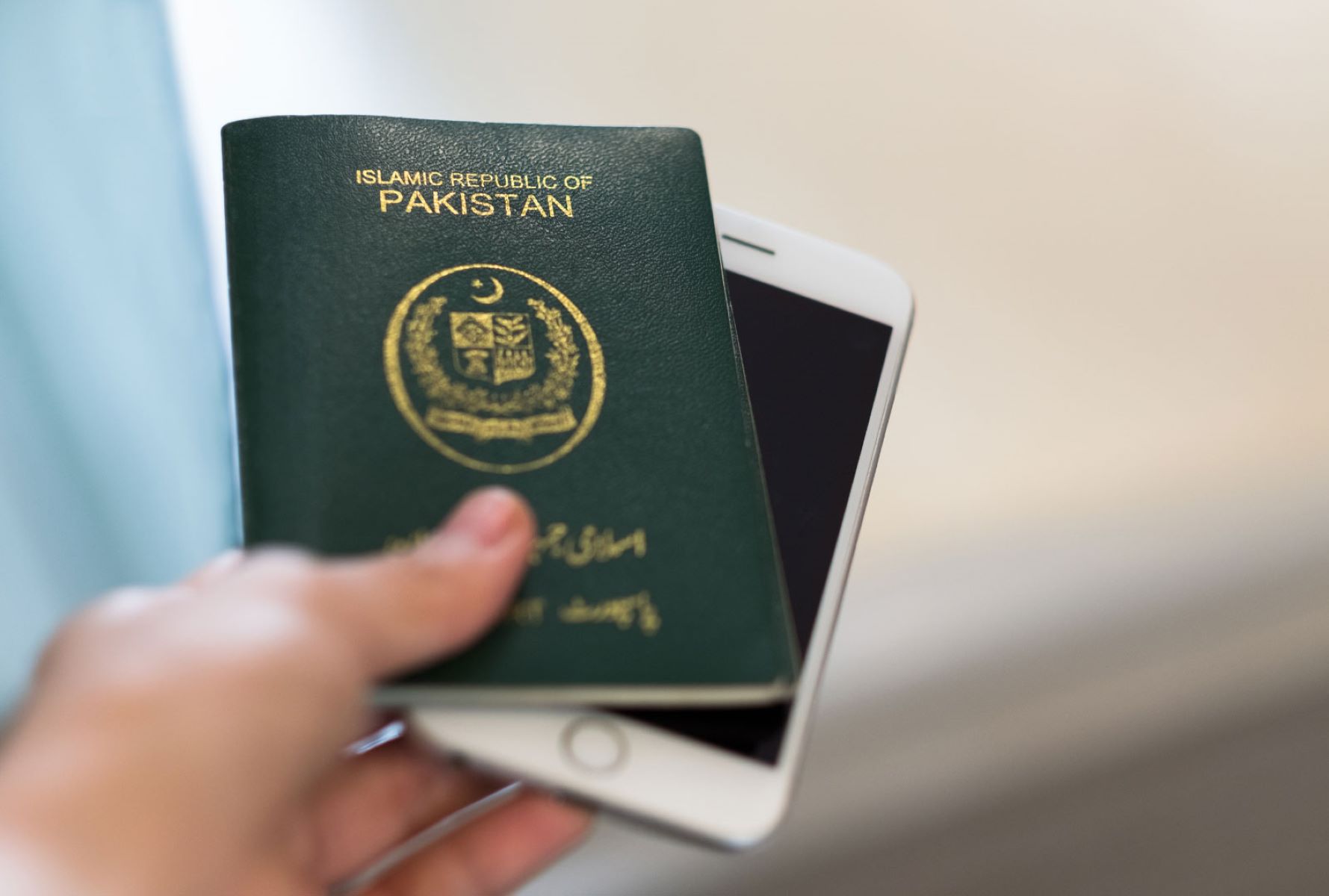
You can extend your Pakistan visa, but overstaying without approval risks fines and legal complications. The extension process requires a valid reason, such as medical treatment or tourism, and must be submitted through the NADRA online system or at a DGIP immigration office well before your current visa expires.
Understanding Pakistan Visa Extensions
When planning your trip to Pakistan, it's essential to be aware of the duration of your visa and make sure it aligns with the length of your stay. However, circumstances may arise where you need to extend your visa to continue your journey. Understanding the process of visa extensions is crucial to avoid any legal issues and ensure a smooth travel experience.
In Pakistan, visa extensions are handled by the Directorate General of Immigration & Passports (DGIP) and the NADRA online visa system. The visa extension process involves submitting an application, along with the necessary documents and fees, through the NADRA online visa system or at a DGIP immigration office. It is important to note that visa extensions are subject to approval and are not guaranteed.
Visa extensions in Pakistan are generally granted to individuals who have valid reasons for the extension, such as medical treatment, business purposes, or attending educational programs. It is also possible to extend your visa if you wish to explore more of Pakistan's breathtaking landscapes or experience its vibrant culture and traditions.
Before applying for a visa extension, it's advisable to consult the official DGIP visa website or contact the nearest immigration office to understand the specific requirements and procedures. The DGIP immigration office will be able to guide you through the process and provide you with updated information regarding visa extensions.
The duration of the visa extension will depend on the nature of your visit and your specific circumstances. It is generally advisable to apply for a visa extension at least a few weeks before your current visa expires to allow ample time for processing, which typically takes 7–10 working days or up to 4 weeks depending on the category.
It's important to note that visa extensions can be time-consuming, and there might be additional fees involved. It's recommended to start the visa extension process well in advance to avoid any last-minute complications or delays. When you apply, you'll upload your documents through the NADRA online visa system rather than presenting them at a counter; your application will be reviewed digitally, and you may be contacted for additional information through the online system. After submitting, check your application status through the NADRA portal or follow up with the DGIP immigration office. Once approved, you'll be notified through the system, and your extended visa may be issued electronically or collected as directed.
Understanding the intricacies of visa extensions in Pakistan is vital to ensure a seamless travel experience. By being aware of the process, requirements, and potential pitfalls, you can effectively navigate the visa extension process and continue your journey without any legal issues or disruptions.
Process of Extending Your Pakistan Visa
If you find yourself in a situation where you need to extend your visa while in Pakistan, it's important to be familiar with the process and requirements. Following the proper procedure will help you navigate the visa extension process smoothly and efficiently. Here are the steps to extend your Pakistan visa:
- Research: Begin by researching the specific requirements for visa extensions in Pakistan. Check the official website of the Directorate General of Immigration & Passports (DGIP) to obtain the most up-to-date information. You can also contact the nearest DGIP immigration office for any queries or clarifications.
- Complete the application form: Obtain the visa extension application form from the DGIP immigration office or the official NADRA online visa website. Fill in the required details accurately and make sure to double-check all the information before submitting the form.
- Prepare the necessary documents: Gather all the required documents to support your visa extension application. Typically, this includes your passport, a copy of your current visa, a filled-out application form, a passport-sized photograph, and any additional documents related to the purpose of your visa extension (e.g., medical documents, business letters).
- Submit your application: Upload your documents through the NADRA online visa system or submit them at the DGIP immigration office as directed. Your application will be reviewed and you may be contacted for additional documents or information through the online system. Processing times are typically 7–10 working days or up to 4 weeks depending on the category of extension.
- Pay the fee: Pay the required fee for the visa extension. The fee amount will vary depending on the duration of the extension and the type of visa. Make sure to obtain an official receipt for the payment as proof.
- Follow up: After submitting your application, it's advisable to check the status of your visa extension through the NADRA online visa system or follow up with the DGIP immigration office. You can also inquire about any additional steps or documents required.
- Collect your extended visa: Once your visa extension is approved, you will be notified through the NADRA online visa system or by the DGIP immigration office. Follow the instructions provided to receive your extended visa, which may be issued electronically or collected as directed. Make sure to carry your original passport and any other documents requested.
It's crucial to start the visa extension process well in advance of your current visa's expiration date to allow sufficient time for processing. Adhering to the correct procedure and providing all the necessary documents will increase your chances of a successful visa extension in Pakistan.
Requirements for Pakistan Visa Extensions
When applying for a visa extension in Pakistan, it's important to ensure that you meet all the necessary requirements. Fulfilling these requirements will increase your chances of a successful visa extension. Here are the key requirements for extending your Pakistan visa:
- Valid passport: You must have a valid passport with at least six months of remaining validity from the date of your visa extension application. Make sure your passport contains blank visa pages for stamping.
- Current visa: You must already hold a valid visa for Pakistan in order to be eligible for a visa extension. Your current visa should not be expired at the time of application.
- Completed application form: Fill out the visa extension application form accurately and completely. Ensure that all the required fields are filled in, and double-check for any errors or omissions.
- Supporting documents: Prepare the necessary supporting documents to accompany your visa extension application. These may include a copy of your current visa, a filled-out application form, a recent passport-sized photograph, and any additional documents related to the purpose of your visa extension (e.g., medical documents, business letters).
- Proof of financial means: You may be required to provide proof of your financial means to support your stay in Pakistan during the visa extension period. This can include bank statements, salary slips, or any other document that demonstrates your financial stability.
- Reason for the extension: Clearly state the reasons for your visa extension in your application. Provide details and supporting documents that justify the need for your extended stay in Pakistan, such as medical treatment, business activities, or educational pursuits.
- Payment of fees: Pay the required fees for the visa extension. Keep the official receipt of payment as proof.
It's important to note that the specific requirements for visa extensions in Pakistan may vary depending on your nationality and the type of visa you currently hold.
By ensuring you meet all the necessary requirements and submitting the required documents, you can increase your chances of a successful visa extension and continue enjoying your time in Pakistan without any legal issues.
Overstaying Your Pakistan Visa
While it's always important to adhere to the terms of your visa and leave the country on or before the expiration date, circumstances may arise where you unintentionally overstay your Pakistan visa. If you find yourself in this situation, it's crucial to address it promptly and take the necessary steps to rectify the situation.
Overstaying a visa is a serious matter and can have implications for your future travel plans and even your ability to re-enter Pakistan. It's essential to understand the potential consequences and take appropriate action. Here's what you should do if you have overstayed your Pakistan visa:
- Don't panic: Although overstaying your visa is a matter that needs to be resolved, it's important to stay calm and approach the situation with a clear mindset. Panic will only cloud your judgment and hinder your ability to find a solution.
- Contact the nearest DGIP immigration office: As soon as you realize that you have overstayed your visa, contact the nearest Directorate General of Immigration & Passports (DGIP) immigration office. Explain your situation and seek their guidance on the necessary steps to rectify the issue.
- Prepare an explanation: When you contact the immigration office, be prepared to provide a clear and honest explanation for the overstay. If you can demonstrate that the overstay was unintentional and that you have valid reasons for needing to stay longer, such as medical emergencies or unforeseen circumstances, it may help mitigate the consequences.
- Pay any penalties: Depending on the length of your overstay, you may be required to pay fines or penalties. The DGIP or the NADRA online visa system will provide you with the necessary information regarding the amount and the process for payment.
- Obtain an exit visa: Once you have resolved the issue of overstaying, it's essential to obtain an exit visa before leaving Pakistan. This will ensure that you have the necessary documentation to leave the country legally and prevent any future complications when traveling to Pakistan or other countries.
It's important to understand that overstaying your visa can have serious consequences, including deportation, future travel restrictions, and even legal actions. Therefore, it's crucial to address the situation promptly and follow the appropriate procedures to rectify the issue.
Remember, every case is unique, and the resolution will depend on various factors, such as the duration of the overstay and the circumstances surrounding it. Seeking guidance from the DGIP immigration office or checking the official NADRA online visa system will provide you with the most accurate information and assistance in resolving the matter effectively.
Consequences of Overstaying Your Pakistan Visa
Overstaying your Pakistan visa is a serious offense that can have significant consequences. It's essential to understand and be aware of the potential ramifications of overstaying to prevent any unnecessary complications. Here are some of the consequences you may face if you overstay your Pakistan visa:
- Fines and penalties: Overstaying your visa in Pakistan can result in fines and penalties. The amount you may have to pay will depend on the duration of your overstay and the discretion of the authorities. These fines can be a substantial financial burden.
- Travel restrictions: Overstaying your visa in Pakistan can lead to future travel restrictions. The immigration authorities may place a ban on your re-entry into the country for a specific period of time. This can affect your ability to visit Pakistan in the future or obtain a new visa.
- Legal consequences: In certain cases, overstaying your visa in Pakistan can result in legal consequences. This may include being detained, facing deportation, or being subject to other legal actions taken by the authorities. It's crucial to address the issue promptly and follow the appropriate legal procedures.
- Negative immigration record: Overstaying your visa can have a negative impact on your immigration record. It may be recorded in immigration databases, which can potentially affect your future visa applications for Pakistan or other countries.
- Impact on job opportunities: Overstaying a visa can have implications for future job opportunities, especially if employers conduct background checks. It may raise concerns about your immigration status and adherence to legal requirements.
It's important to note that the consequences of overstaying your Pakistan visa can vary depending on the duration of the overstay and the specific circumstances of each case. However, regardless of the length of the overstay, it's essential to take immediate action to rectify the situation and prevent further complications.
If you find yourself in the unfortunate situation of overstaying your visa in Pakistan, it's crucial to contact the nearest Directorate General of Immigration & Passports (DGIP) immigration office, explain your circumstances, and follow their guidance on resolving the issue. Visa and overstay matters are handled by the DGIP, not the FIA. Acting promptly and cooperating with the authorities can help mitigate the consequences and potentially minimize the impact on your future travel plans.
How to Rectify Overstaying Your Pakistan Visa
If you have unintentionally overstayed your visa in Pakistan, it's important to rectify the situation promptly to prevent any further complications. Taking the necessary steps to address the overstay can help mitigate the consequences and ensure a smoother resolution. Here is a guide on how to rectify overstaying your Pakistan visa:
- Contact the nearest Directorate General of Immigration & Passports (DGIP) immigration office: As soon as you realize you have overstayed your visa, reach out to the nearest DGIP immigration office or access the NADRA online visa system to seek guidance on the necessary steps to rectify the situation. Provide clear and honest information about your overstay and follow their instructions.
- Explain the circumstances: When you visit the immigration office or use the online system, provide a clear and honest explanation for your overstay. If there were valid reasons for the overstay, such as medical emergencies or unforeseen circumstances, make sure to communicate those details. Providing supporting documentation can strengthen your case.
- Cooperate with the DGIP immigration office and pay the necessary amount as instructed. Keep copies of any payment receipts for future reference.
- Obtain an exit visa: Before leaving Pakistan, it's essential to obtain an exit visa.
- Comply with any additional requirements: The DGIP immigration office or the NADRA online system may have specific requirements or instructions to rectify your overstay. It's essential to comply with these requirements and provide any requested documents or information in a timely manner.
- Cooperate with the authorities: Throughout the entire process of rectifying your overstay, it's important to cooperate fully with the DGIP immigration office and authorities. Follow their instructions, provide accurate information, and maintain open and honest communication.
- Learn from the experience: Going through an overstay can be a learning experience. Take the opportunity to understand the visa regulations more thoroughly and ensure that you adhere to them in the future. This can help prevent any similar incidents and provide a smoother travel experience.
Rectifying an overstay on your Pakistan visa may involve various steps and requirements depending on the specifics of your case. It's crucial to consult with the DGIP immigration office or the NADRA online visa system to ensure you follow the correct procedure and meet all the necessary obligations.
Remember, addressing the overstay and taking appropriate action promptly is crucial to resolving the issue and preventing any further complications with your immigration status. Act responsibly, cooperate with the authorities, and learn from the experience to ensure a more seamless travel experience in the future.
Conclusion
Understanding the process of visa extensions and the potential consequences of overstaying your visa in Pakistan is crucial for any traveler. By being aware of the requirements, steps, and possible penalties, you can navigate the visa system with confidence and avoid any unnecessary complications.
When it comes to extending your Pakistan visa, conducting thorough research, adhering to the correct procedures, and providing accurate documentation is essential. The official process is primarily online through the NADRA system, where you upload documents rather than presenting them at a counter. Starting the process well in advance of your visa expiration date will give you ample time to complete the necessary steps and increase your chances of a successful extension.
In the event that you unintentionally overstay your visa, it's important to address the situation promptly and take appropriate action. Contacting the nearest DGIP immigration office and cooperating fully with their instructions will help resolve the issue effectively and minimize any potential consequences. Check the official DGIP website for the most up-to-date information on overstay procedures.
Remember, overstaying a visa can have serious ramifications, including fines, travel restrictions, and legal actions. It's crucial to always comply with visa regulations and leave the country before your visa expires. However, if you find yourself in a situation where an overstay occurs, following the necessary steps to rectify the situation promptly is essential.
Traveling to Pakistan is an incredible experience, and by understanding and adhering to the visa requirements, you can fully immerse yourself in the beauty of the country without any visa-related worries. Enjoy your time in Pakistan, embrace the diverse culture and stunning landscapes, and make lasting memories while respecting the visa regulations throughout your journey.
Safe travels!
Related travel guides: Pakistan Travel Guide, How Long It Takes To Get My Travel Document After A Fingerprint, and How To Check Your Re-Entry Permit Status.
