

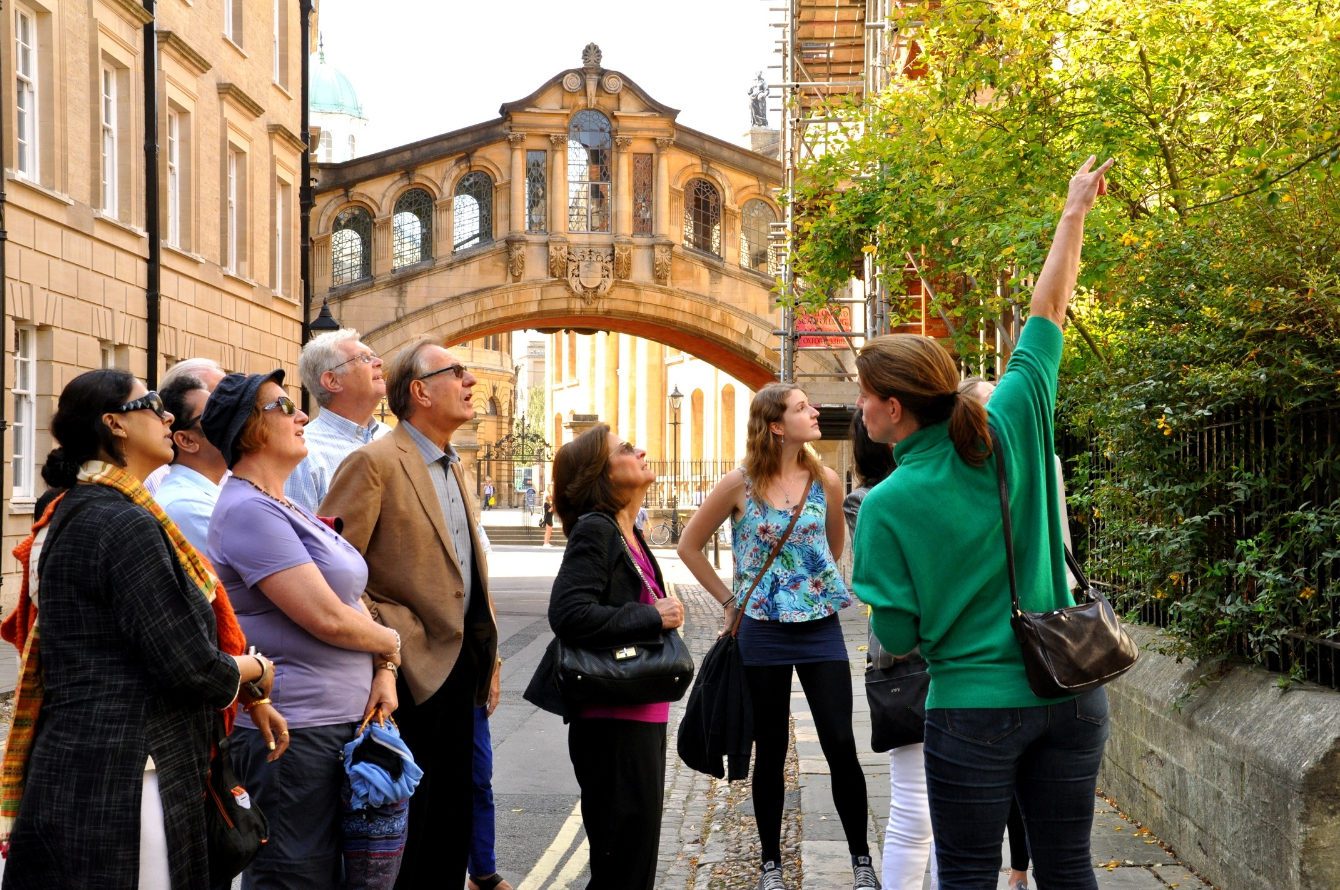
To work as an international tour guide, you need a deep passion for travel and a genuine interest in other cultures. The catch is that while some countries require a formal license or badge, others have no specific degree or certification at all. Proficiency in English is often valuable, and multilingual ability can improve your job prospects for leading international tours.
Qualifications and Skills Needed
Becoming an international tour guide requires a combination of both qualifications and skills. While requirements vary by country, and some places have no specific degree or certification required, having certain qualifications can greatly enhance your chances of succeeding in this field. The U.S. Bureau of Labor Statistics notes that some guides need a formal license or badge.
Related travel guides: How To Be A Museum Tour Guide and How To Get A Tour Guide License.
First and foremost, having a deep passion for travel and a genuine interest in learning about different cultures is essential. This curiosity and enthusiasm will fuel your desire to explore new destinations and share your knowledge with others.
In terms of education, a degree in tourism, hospitality, or a related field can provide a solid foundation of knowledge. It can help you understand the intricacies of the travel industry, customer service, and destination management. While not mandatory, having a formal education can give you a competitive edge in the job market.
Language proficiency is another crucial qualification. As an international tour guide, you will interact with travelers from around the world. Proficiency in English is often valuable, as it is widely spoken and understood globally. Multilingual ability can improve job prospects, and being proficient in the local language of the destinations you plan to guide in can significantly enhance the tour experience for your clients.
Strong communication and interpersonal skills are vital for effectively conveying information and building connections with your clients. You should be able to communicate clearly, listen actively, and adapt your message to suit different audiences. Being approachable, friendly, and able to relate to people from diverse backgrounds is key to creating a welcoming and inclusive environment.
Organizational and time management skills are also essential for keeping tours running smoothly. As a tour guide, you will need to plan itineraries, arrange transportation and accommodations, and coordinate various activities. Being able to handle logistics effectively and stay organized will ensure that your clients have a seamless and enjoyable experience.
Lastly, having a good understanding of health and safety protocols is crucial. This includes knowledge of first aid, emergency procedures, and travel insurance. Being prepared to handle unforeseen situations and ensuring the well-being of your clients is a top priority as a tour guide.
Having these qualifications is a great start, but it's important to remember that skills can be equally if not more important. In the next section, we will explore the specific skills that are essential for working as an international tour guide.
Understanding Different Cultures and Customs
Being an international tour guide requires a deep understanding and respect for different cultures and customs. As you guide travelers from around the world, it is essential to be knowledgeable about the local customs, traditions, and etiquette of the destinations you visit. This understanding enriches the experience for your clients and helps you navigate cultural differences sensitively.
One key aspect is being aware of cultural norms and values, including greetings, gestures, and appropriate forms of address, which vary significantly by country. In some cultures, a handshake is customary; in others, a bow or a kiss on the cheek may be the norm. Understanding these nuances helps establish a positive rapport with clients.
Some places have formal licensing or badge systems; the U.S. Bureau of Labor Statistics says some guides need a license. Multilingual ability is often valuable for international tours and can improve job prospects.
It is also important to be knowledgeable about local customs and traditions, including history, folklore, religious practices, festivals, and special occasions. Sharing this knowledge adds authenticity and cultural immersion to the tour experience. Cultural sensitivity is crucial to avoid misunderstandings or unintentional offense—be aware of taboos or sensitive topics that may be considered inappropriate in certain cultures, such as specific gestures or conversation topics.
Having an open and curious mindset allows you to adapt and embrace new experiences. Be willing to learn from locals and encourage your clients to do the same, creating an inclusive environment that fosters cross-cultural understanding. Ultimately, your role is to bridge the gap between cultures, creating a memorable and immersive experience that fosters cultural exchange and mutual understanding.
Language Proficiency
Language proficiency is a crucial skill for an international tour guide. As you interact with travelers from around the world, being able to communicate effectively in multiple languages can enhance the tour experience and ensure clear and accurate communication.
It enables you to provide clear instructions, answer questions, and share information about the destinations you are guiding in.
However, proficiency in English alone may not be enough. Depending on the destinations you plan to work in, having a good command of the local language or languages can be extremely beneficial. Being able to speak the local language allows you to connect more deeply with the locals, navigate local markets and transportation systems, and provide a more personalized experience for your clients.
If you are planning to work in countries where English is not the primary language, it is recommended to invest time and effort in learning the local language. This can be done through language courses, online resources, or even immersion programs where you can fully immerse yourself in the language and culture.
Keep in mind that language proficiency goes beyond just speaking. It also includes listening, reading, and writing skills. Being able to understand and respond to your clients' needs and inquiries is essential in providing excellent customer service. Additionally, having strong reading and writing skills allows you to communicate through written materials such as itineraries, brochures, and emails.
While it may not be feasible to become fluent in every language, having a basic understanding of commonly spoken languages in the regions you plan to guide in can make a significant difference. This demonstrates your respect for the local culture and your willingness to bridge the communication gap.
Overall, language proficiency is a valuable skill for an international tour guide. It allows you to connect with your clients, provide a more insightful and personalized experience, and navigate the local environment with ease. Whether it's brushing up on your English skills or committing to learning a new language, investing in language proficiency is a worthwhile endeavor for a successful career as an international tour guide.
Knowledge of Local Attractions and History
Having in-depth knowledge of local attractions and history is essential for an international tour guide. Your ability to provide interesting and accurate information about the destinations you guide in plays a critical role in creating an engaging and informative experience for your clients.
Start by familiarizing yourself with the popular tourist attractions in the areas you will be guiding. This includes landmarks, historical sites, natural wonders, museums, and cultural hotspots. Being knowledgeable about these attractions enables you to provide detailed information, historical context, and interesting anecdotes that enhance the overall tour experience.
Additionally, delving into the history and cultural heritage of a destination allows you to offer a deeper understanding of its significance. Research and learn about the local customs, traditions, and historical events that have shaped the region. This knowledge can be shared during the tour, providing your clients with a more immersive and enriching experience.
While it's important to have a broad understanding of the main attractions, don't overlook the hidden gems and off-the-beaten-path locations that may captivate your clients. Exploring lesser-known attractions and local favorites can help you provide a more unique and personalized experience for your clients, setting your tours apart from the rest.
Staying up to date with current events, festivals, and cultural happenings in the destinations you guide in is also crucial. This ensures that you can offer timely and relevant information to your clients. Recommending local events or celebrations happening during their visit allows your clients to fully immerse themselves in the local culture and experience something truly special.
To continuously expand your knowledge, network with local experts, tour operators, and other professionals in the travel industry. Attend seminars, workshops, and conferences to stay informed about the latest developments and discoveries. Take advantage of online resources, guidebooks, and travel forums to gather insights and updates about the destinations you guide in.
Lastly, remember that knowledge is only valuable when shared effectively. Being able to convey information in an engaging and easily understandable manner is key. Use storytelling techniques, visual aids, and interactive activities to bring the history and attractions to life for your clients. By making the information relatable and captivating, you can create a memorable and educational experience for your clients.
Your knowledge of local attractions and history sets you apart as a trusted source of information for your clients. It allows you to create immersive and educational tours, leaving a lasting impression on those who travel with you.
Interpersonal Communication and Customer Service Skills
As an international tour guide, having strong interpersonal communication and customer service skills is essential. Your ability to connect with clients, understand their needs, and provide exceptional service plays a significant role in creating a positive experience.
Effective interpersonal communication begins with active listening. Listen attentively to clients' questions, concerns, and feedback to understand their expectations. Ask open-ended questions to encourage dialogue and address specific interests or preferences.
Communicate clearly and concisely, adapting your style to different individuals and cultural backgrounds. Be mindful of tone, body language, and non-verbal cues to ensure clients feel comfortable. Empathy builds trust and rapport; show genuine care for their well-being and be responsive to their requests. By putting yourself in their shoes, you provide a more personalized experience.
Customer service skills are equally vital. Strive to exceed expectations by going the extra mile for comfort and satisfaction. Proactively anticipate needs and address issues. Personalize the experience by remembering names, preferences, and special occasions.
Flexibility and adaptability are key for handling unexpected situations or itinerary changes. Be prepared to adjust and find alternative solutions. Staying calm and providing reassurance during unforeseen circumstances leaves a positive impression. Conflict resolution skills help manage disagreements; be patient, fair, and diplomatic, aiming for a satisfactory resolution. Handle complaints professionally and rectify situations promptly.
A positive attitude and enthusiasm enhance the tour experience. Display genuine passion for destinations, attractions, and history to create contagious energy among clients. Share excitement and knowledge to inspire full immersion.
By continuously honing these skills, you create lasting connections and ensure an exceptional journey with you as their guide.
Organizational and Time Management Skills
Organizational and time management skills are critical for the success of an international tour guide. With the responsibility of planning and executing tours, strong organization and time management abilities ensure a smooth and enjoyable experience for your clients.
Effective organization begins with thorough trip planning. Create detailed itineraries that outline activities, attractions, and logistics: arranging transportation, booking accommodations, coordinating meals, and scheduling visits. A well-structured itinerary helps you stay organized and gives clients a clear understanding of the tour schedule.
Utilize digital tools, such as calendars or project management software, to track deadlines, appointments, and other information. Set reminders to avoid missing essential tasks. Staying organized lets you manage time more efficiently and reduce oversights.
Prioritization is key when managing multiple tasks. Identify the most critical or time-sensitive tasks and allocate time and resources accordingly. By focusing on high-priority items, you ensure essential aspects of the tour are covered and potential challenges are addressed promptly.
Flexibility and adaptability are crucial in handling unexpected situations. Despite careful planning, unforeseen events may occur. Being able to adjust plans, think on your feet, and find alternative solutions in a timely manner ensures your clients' experience is not compromised and their needs and safety are prioritized.
Effective time management keeps the tour on schedule and gives clients enough time to experience each attraction. Develop a realistic timeline for each stage, considering travel time, wait times, and potential delays. Communicate the itinerary clearly, including estimated durations, so clients can plan their time.
During the tour, monitor progress and adjust the schedule if necessary. Allow buffer time between activities for unforeseen delays or extra time clients may want at specific locations. This proactive approach maintains a manageable pace and ensures ample time at each attraction.
Proper record-keeping is also important. Keep track of documentation such as client contact information, tour bookings, and financial records. This ensures you can access essential information when needed and have accurate records for reference and reporting.
By honing organizational and time management skills, you can effectively plan and execute tours, maintain a structured schedule, and provide a seamless experience for your clients.
Safety and Emergency Preparedness
Ensuring client safety is paramount. Begin by researching local laws, customs, and emergency protocols for each destination. Understanding specific risks lets you educate clients and take preventive measures.
Obtain certification in first aid and CPR. Keep first aid kits and medical supplies readily available during tours. Develop an emergency response plan covering communication procedures, evacuation routes, and designated meeting points. Share this plan with clients at the tour’s start so they know what to do in an emergency.
Monitor local weather conditions and natural disaster alerts. Adjust itineraries or take precautions for risks like hurricanes, floods, or extreme heat. Maintain open communication with clients throughout the tour; encourage them to voice concerns promptly to build trust and enhance safety.
Inspect transportation vehicles regularly—check seatbelts, tires, brakes, and emergency exits. Address any safety issues immediately. Stay updated on travel advisories and warnings from authorities. In cases of political or civil unrest, be prepared to adjust the itinerary or relocate to a safer area.
Build a network of local contacts: emergency services, hospitals, and law enforcement. Keep their contact information accessible. Proficiency in English is often valuable, as it is widely spoken and understood globally, and multilingual ability can improve job prospects. If you need to change travel plans due to an emergency, remember you can cancel a Booking.com reservation directly through their platform or app.
Regularly review and update your safety procedures. Incorporate new guidelines and lessons from past experiences. Continuously improving protocols ensures you are prepared for unforeseen circumstances. By prioritizing safety and emergency preparedness, you provide a secure, enjoyable experience that gives clients peace of mind and confidence in your care.
Marketing and Promotion
Effective marketing and promotion are crucial for attracting clients and growing your international tour guide business. By utilizing various marketing strategies, you can increase your visibility, build your reputation, and showcase the unique experiences you offer to potential travelers.
Start by identifying your target audience. Determine the type of travelers you want to attract, such as adventure seekers, culture enthusiasts, or luxury travelers. Understanding your target market allows you to tailor your marketing efforts to appeal directly to their interests and needs.
Develop a strong online presence through a professional website and active social media profiles. Your website should be visually appealing, easy to navigate, and provide detailed information about the destinations you guide in, the types of tours you offer, and the unique experiences you provide. Use high-quality images and engaging content to captivate potential clients.
Social media platforms such as Instagram, Facebook, and YouTube can be powerful tools for showcasing your expertise and attracting new clients. Regularly post engaging content, such as photos, videos, travel tips, and stories from your tours. Encourage your clients to share their experiences and reviews, as positive word-of-mouth and user-generated content can significantly contribute to your marketing efforts.
Collaborate with local businesses and tourism organizations to expand your reach. Partnering with hotels, travel agencies, and other relevant entities allows you to cross-promote your services and tap into their customer base. Participate in industry events, trade shows, and travel expos to network with potential clients and industry professionals.
Utilize search engine optimization (SEO) techniques to improve your website's visibility in search engine results. Research and incorporate relevant keywords related to your destinations, tours, and target audience into your website content. This increases the likelihood of your website appearing in search results when potential clients are actively searching for tour guides in your target locations.
Offer special promotions or discounts to attract new clients and encourage repeat business. This could include limited-time offers, referral bonuses, or loyalty programs. Providing incentives can help create a sense of urgency and appreciation among potential clients, encouraging them to choose your services over competitors.
Collect and utilize client testimonials and reviews. Positive feedback from satisfied clients enhances your credibility and builds trust with potential clients. Feature testimonials prominently on your website and social media platforms to showcase the positive experiences of those who have traveled with you.
Consider offering niche tours or customized itineraries to cater to specific interests or preferences. Research emerging trends in the travel industry and develop unique experiences that tap into those interests. This allows you to differentiate yourself and attract clients who are seeking specialized tours that go beyond the typical tourist experience.
Networking and building relationships with travel agents, tour operators, and travel influencers can also be valuable for generating referrals and gaining exposure. Attend travel industry events, participate in familiarization trips, and collaborate with influencers who align with your target audience.
Continuously evaluate and refine your marketing strategies based on their effectiveness. Track metrics such as website traffic, social media engagement, and conversion rates to analyze the success of your marketing efforts. Adapt and adjust your marketing approach as needed to ensure that you are reaching your target audience effectively.
By implementing a comprehensive marketing and promotion strategy, you can increase your visibility, attract new clients, and establish yourself as a trusted and sought-after international tour guide.
Legal and Ethical Considerations
When working as an international tour guide, adhering to legal and ethical standards ensures client safety and promotes responsible travel.
Familiarize yourself with the legal requirements of your destinations, including permits, licenses, and certifications required by local authorities. Stay informed about visa regulations, immigration policies, and travel advisories. Respect local customs, traditions, and laws; avoid behavior that may be considered disrespectful or offensive. Act as a responsible ambassador for your clients, promoting cultural exchange.
Ensure client safety by following proper protocols. Stay updated on emergency procedures, maintain first aid training, and have appropriate insurance coverage. Be prepared to handle unexpected situations during the tour.
Promote sustainable travel practices. Encourage clients to respect the environment, local communities, and wildlife. Educate them about preserving natural and cultural heritage. Support local businesses, artisans, and communities, and seek opportunities to leave a positive impact. Respect client confidentiality and privacy; handle personal information with care and obtain consent before using it for marketing.
Be transparent with clients. Provide accurate information about services, costs, and itineraries. Disclose potential risks or limitations so clients make informed decisions. Avoid false claims or misrepresentations. Observe fair business practices: be transparent about pricing, payment terms, and cancellation policies. Honor commitments and handle complaints professionally.
Stay updated on industry trends, best practices, and professional development opportunities. Follow guidelines and codes of conduct from relevant tourism organizations. Continuously educate yourself about responsible tourism, cultural sensitivity, and sustainability initiatives. Treat clients and fellow professionals with respect, integrity, and professionalism. By upholding these standards, you build trust, maintain a positive reputation, and contribute to the sustainable growth of the tourism industry.
Conclusion
Working as an international tour guide is an exciting career that lets you explore the world, connect with people from diverse backgrounds, and share your passion for travel and culture. This guide has covered the essential qualifications, skills, and considerations for success in this field.
Language proficiency is important for effective communication. A strong knowledge of local attractions and history enables you to provide insightful tours, delving into cultural heritage and hidden gems.
Interpersonal communication and customer service skills help you connect with clients and provide exceptional service. Organizational and time management skills ensure smooth tours and seamless journeys. Prioritizing safety and emergency preparedness demonstrates commitment to clients’ well-being, helping you navigate risks and handle emergencies professionally.
Marketing and promotion are essential for attracting clients and growing your business through a strong online presence. Operating within legal and ethical boundaries maintains credibility and contributes to tourism sustainability. By complying with regulations, respecting local customs, and promoting responsible travel, you build trust with clients and foster positive relationships with local communities.
By combining these qualifications, skills, and considerations, you can embark on a successful career as an international tour guide. Continuously learn, adapt, and strive for excellence in delivering unforgettable experiences. Embrace the adventure, immerse yourself in different cultures, and let your passion for travel guide you.
