

The Hidden Meaning Behind Touching Elders’ Feet In India
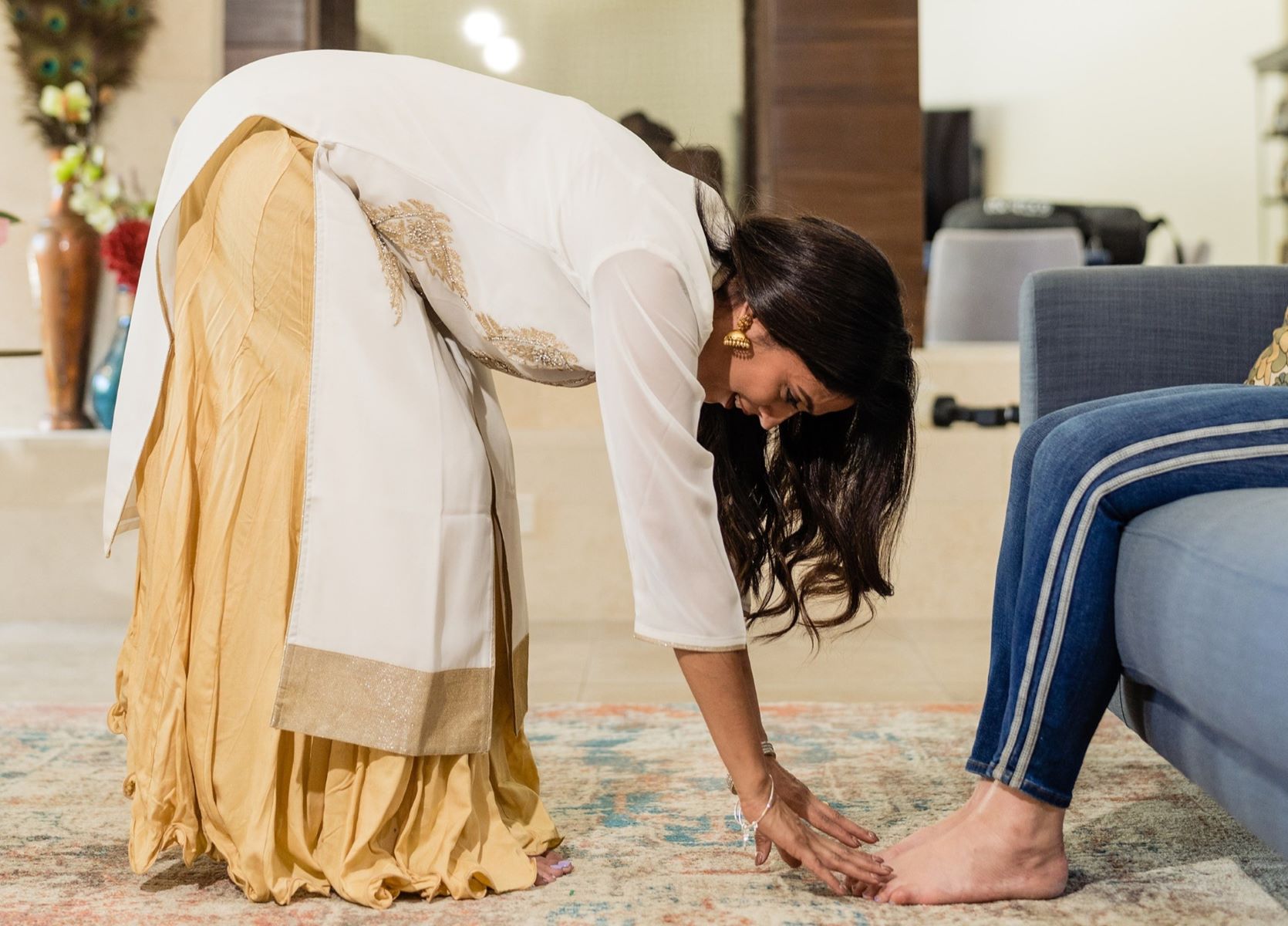
Have you ever wondered why people in India touch elders' feet? This tradition, called Pranama, holds deep cultural and spiritual significance. It's not just a gesture of respect but also a way to seek blessings. When someone bends down to touch the feet of an elder, they show humility and gratitude. The elder, in turn, places their hand on the person's head, offering their blessings. This exchange symbolizes the transfer of wisdom, experience, and positive energy. It's a beautiful practice that strengthens family bonds and keeps traditions alive. Curious to learn more about this meaningful custom? Let's dive deeper into its origins and significance.
The Cultural Significance
Touching elders' feet in India is a gesture deeply rooted in tradition. It symbolizes respect, humility, and seeking blessings. This practice transcends generations, connecting the young with the wisdom of the old.
Seeking Blessings
In Indian culture, touching the feet of elders is believed to bring blessings. Elders are seen as carriers of wisdom and experience, and their blessings are thought to bring good fortune.
- Family Gatherings: During family events, younger members often touch the feet of their elders to show respect and seek blessings for future endeavors.
- Festivals: During festivals like Diwali and Holi, this gesture is common, symbolizing the start of new beginnings with the blessings of elders.
- Weddings: At weddings, the bride and groom touch the feet of their parents and grandparents, seeking their blessings for a happy married life.
Symbol of Respect
Touching feet is a way to show utmost respect to elders. It acknowledges their higher status in the social and familial hierarchy.
- Daily Routine: In many households, children touch the feet of their parents every morning as a daily ritual of respect.
- Teacher-Student Relationship: Students often touch the feet of their teachers, especially on special occasions like Teacher's Day, to show respect and gratitude for their guidance.
- Meeting Elders: When meeting elders after a long time, touching their feet is a way to express respect and acknowledge their importance.
Humility and Gratitude
This gesture also signifies humility and gratitude. It is a way of showing that one is grounded and acknowledges the contributions of elders in their life.
- Religious Ceremonies: During religious ceremonies, devotees touch the feet of priests or spiritual leaders, expressing humility and gratitude for their spiritual guidance.
- Receiving Gifts: When receiving gifts from elders, touching their feet is a way to show gratitude and respect for their generosity.
- Special Achievements: After achieving something significant, individuals often touch the feet of their elders to thank them for their support and blessings.
Connecting Generations
Touching feet helps bridge the gap between generations. It fosters a sense of continuity and respect for traditions.
- Grandparents and Grandchildren: This practice strengthens the bond between grandparents and grandchildren, ensuring that the younger generation values and respects their elders.
- Cultural Events: During cultural events, this gesture is a reminder of the importance of maintaining traditions and respecting the wisdom of the past.
- Community Gatherings: In community gatherings, touching the feet of respected elders reinforces social bonds and the importance of community values.
Conclusion
Touching elders' feet in India is more than just a gesture; it is a profound expression of respect, humility, and gratitude. This practice connects generations, ensuring that the wisdom and blessings of the elders are passed down, enriching the lives of the younger generation.
Respect and Tradition in Every Gesture
Touching elders' feet in India is more than a simple gesture. It's a deep-rooted tradition showing respect and gratitude. This act connects generations, reminding younger people of their cultural heritage. It’s a way to seek blessings and wisdom from those who have experienced life’s ups and downs.
Understanding this practice helps appreciate the richness of Indian culture. It’s not just about following a custom but about valuing the wisdom and experiences of elders. This tradition fosters a sense of community and respect, which is essential in today’s fast-paced world.
Next time you see someone touching an elder's feet, remember it’s a sign of deep respect and a beautiful part of Indian culture. Embracing such traditions can bring more meaning and connection to our lives.
