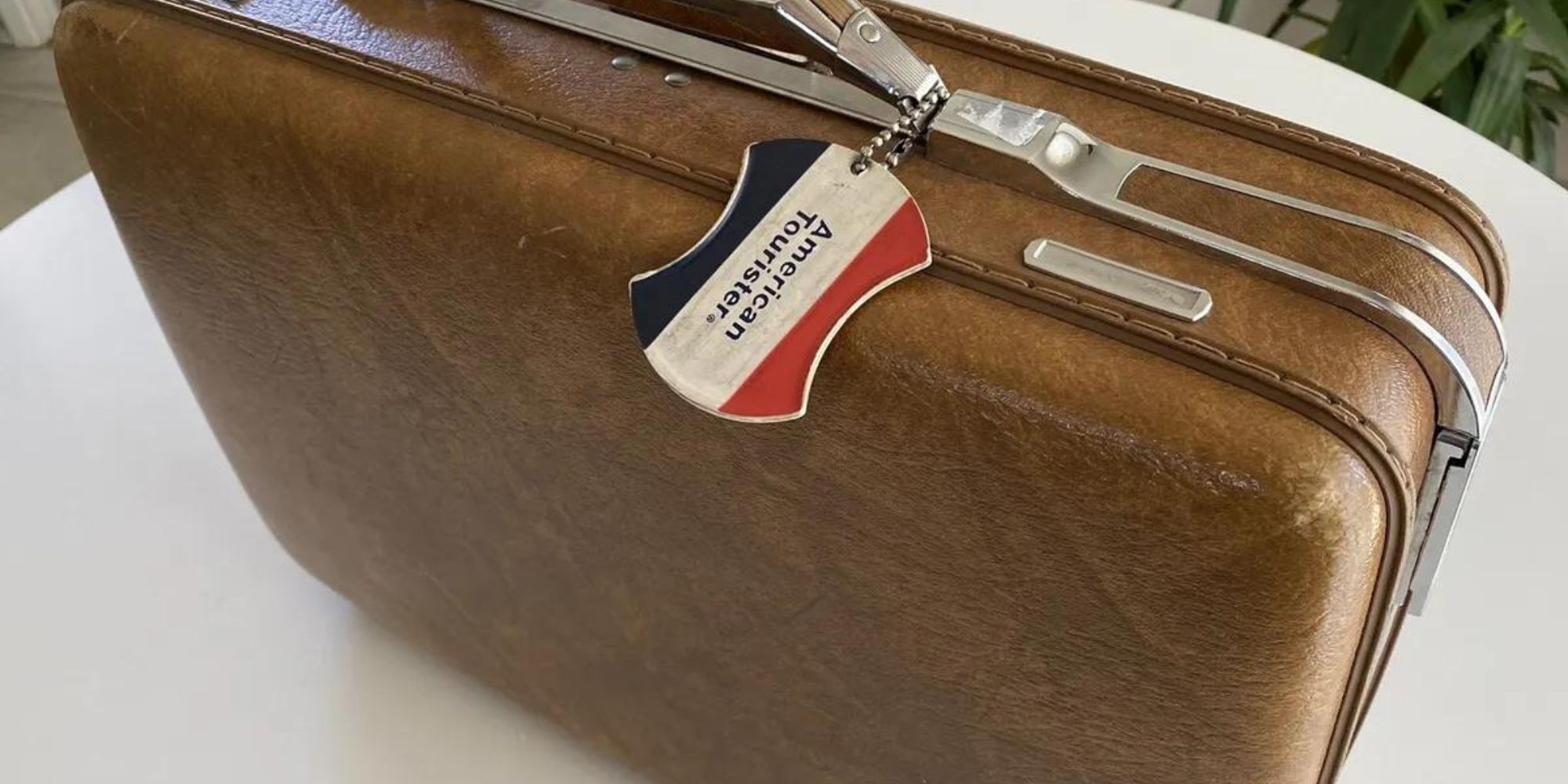
Vintage American Tourister suitcases were made of plastic, vinyl, or canvas, often with leather trim and metal hardware. The most common material was a lightweight yet durable plastic, though early models also used canvas and vinyl before the brand shifted to more modern synthetics.
History of American Tourister Suitcases
The history of American Tourister can be traced back to 1933 when Sol Koffler founded the company in Providence, Rhode Island. Initially, American Tourister focused on manufacturing luggage for the travel industry, aiming to provide durable and affordable options for travelers.
Related travel guides: How To Claim Warranty For American Tourister and How To Open American Tourister Luggage.
In the 1950s and 1960s, American Tourister gained popularity with its innovative designs and sturdy construction. The brand introduced the world to the revolutionary "triple crown" latch system, which provided extra security and ensured the suitcase stayed closed during transit. In the early years, vintage American Tourister suitcases were primarily made from durable materials such as plastic, vinyl, and canvas, often with leather trim.
By the 1970s, American Tourister had become a household name, known for its distinctive style and durability. The plastic used in American Tourister suitcases was known for its lightweight properties while still providing excellent durability. As technology and manufacturing processes advanced, American Tourister incorporated new durable materials into their suitcase designs.
In the 1990s, American Tourister became part of the Samsonite Corporation, further solidifying its position as a trusted and respected luggage brand. Despite changes in ownership, American Tourister has maintained its commitment to quality and innovation, continuing to produce suitcases that meet the demands of modern travelers.
Today, American Tourister caters to a wide range of travelers, from casual vacationers to business professionals. The brand offers a variety of suitcase sizes, styles, and colors to suit different travel needs and preferences.
With its rich history and reputation for excellence, it's no wonder that vintage American Tourister suitcases are highly sought after by collectors and nostalgia enthusiasts alike. These pieces of luggage not only evoke memories of bygone eras but also showcase the exceptional craftsmanship and attention to detail that American Tourister is known for.
Materials Used in Vintage American Tourister Suitcases
When it comes to vintage American Tourister suitcases, the materials used in their construction played a crucial role in their durability and longevity. The brand focused on selecting high-quality materials that could withstand the rigors of travel and protect the contents of the suitcase.
These materials were chosen for their strength, impact resistance, and ability to withstand extreme temperatures.
This allowed travelers to pack their belongings without adding unnecessary weight to their overall luggage.
On the other hand, other durable materials were also used in some vintage American Tourister suitcases. This offered durability, flexibility, and resistance to chemicals and moisture. It provided additional protection to the suitcase's contents by preventing water or other liquids from seeping through.
In addition to the outer shell, the lining of vintage American Tourister suitcases was often made from nylon or polyester. These fabrics were chosen for their strength, abrasion resistance, and ease of cleaning.
The interior construction of American Tourister suitcases featured various compartments, pockets, and straps to help organize and secure belongings during travel. These compartments and pockets were often lined with soft fabric, such as cotton or polyester, to provide an added layer of protection.
The hardware, including the handles, locks, and zippers, was made from durable materials like metal or reinforced plastic. These components were designed to withstand frequent use and provide secure closure and easy maneuverability. For those needing to reset 3 digit lock on American Tourister luggage, the hardware is built for reliable operation.
Overall, the materials used in vintage American Tourister suitcases reflected the brand's commitment to producing durable, reliable, and functional luggage. These materials were chosen to ensure that the suitcase could withstand the demands of travel while still looking stylish and maintaining its structural integrity.
Composition of the Outer Shell
The choice of materials varied depending on the specific model and era of the suitcase.
The molded shell provided a robust and rigid structure that could withstand the bumps and knocks of travel.
These materials offered similar benefits to plastic, such as durability and lightweight properties, and were resistant to chemicals and moisture, providing added protection against spills and the elements.
Regardless of the specific material used, the outer shell of American Tourister suitcases was engineered to be resistant to scratches, scuffs, and wear and tear. This ensured that the suitcase maintained its sleek appearance even after frequent use and rough handling during travel.
Additionally, vintage American Tourister suitcases often featured a textured or grooved surface on the outer shell. This not only added a distinctive design element but also served practical purposes. The textured surface helped to minimize the visibility of scratches and other imperfections, further enhancing the durability and longevity of the suitcase.
The composition of the outer shell was carefully chosen to strike a balance between strength, durability, and lightweight design. American Tourister understood the importance of creating luggage that could withstand the rigors of travel while still being easy to carry and maneuver.
Overall, the composition of the outer shell in vintage American Tourister suitcases exemplified the brand's commitment to quality, functionality, and timeless style. These suitcases were built to last, making them desirable collectibles for vintage enthusiasts and travelers alike.
Lining and Interior Construction
The interior construction of vintage American Tourister suitcases was designed with both practicality and organization in mind. The lining and interior features provided added protection for the contents and allowed for efficient packing.
Typically, the lining was made from durable and easy-to-clean materials such as nylon or polyester.
The lining served multiple purposes, including protecting the contents from scratches and providing a soft cushioning effect. This ensured that delicate items and valuables were safeguarded during transit.
Inside the suitcase, various compartments, pockets, and straps were strategically placed to optimize organization and prevent items from shifting. These allowed travelers to separate clothing, shoes, and accessories, making it easier to locate items without unpacking the entire suitcase.
Vintage American Tourister suitcases often featured mesh pockets, zippered pockets, and elastic straps. These storage options allowed for further organization and secure storage of smaller items or items that needed to be held in place.
The interior construction also included a sturdy frame or reinforcement, providing support and maintaining the shape of the suitcase. This frame was typically made from lightweight yet strong materials, such as metal or reinforced plastic.
To enhance functionality, the lining and compartments were often removable or adjustable. This allowed travelers to customize the interior space based on their specific needs, whether for business or leisure travel.
Overall, the lining and interior construction of vintage American Tourister suitcases showcased the brand's commitment to practical and well-designed luggage. The thoughtful organization and durable materials ensured that travelers could pack efficiently and protect their belongings for a smooth journey.
Hardware and Enhancements
The hardware and enhancements of vintage American Tourister suitcases were designed to enhance functionality, security, and ease of use. These features were carefully incorporated into the suitcase's design, adding convenience for travelers and ensuring the protection of their belongings.
One notable hardware feature was the sturdy handles, typically made from metal or reinforced plastic, providing a comfortable grip for lifting and carrying. Some suitcases had retractable handles for easy maneuverability, allowing travelers to navigate crowded airports and train stations with ease.
Locks were another essential component, providing an added layer of security for travelers’ peace of mind. Locking mechanisms included combination locks, padlocks, or key locks, depending on the specific model. If you need to reset a 3-digit lock on American Tourister luggage, the process varies by model.
Zipper closures were common, allowing for easy access to the suitcase’s contents. The zippers were made from durable materials and designed to withstand repeated use. Some vintage suitcases even had double zippers, providing added security and allowing for the use of a luggage lock.
Enhancements such as corner guards and reinforced edges were added to provide extra protection against impacts and rough handling, helping to prevent the corners and edges from becoming damaged or dented, preserving the overall integrity of the luggage.
Some American Tourister suitcases also featured spinner wheels, which allowed for 360-degree rotation and effortless maneuverability, making it easier to navigate through crowded spaces or rough terrain.
In addition to hardware, vintage suitcases often included expansion capabilities. Certain models had zippered expansion gussets that allowed for increased packing capacity, providing flexibility for travelers who needed extra space.
These features, combined with the brand's reputation for quality craftsmanship, made American Tourister suitcases highly sought after in their heyday and continue to be valued by collectors and vintage enthusiasts today.
Evolution of Materials over Time
Over the years, the materials used in the construction of American Tourister suitcases have evolved to meet changing demands and advancements in technology. From the early days of the brand to the present, American Tourister has adapted its materials to enhance durability, functionality, and style.
This combination offered strength and lightweight properties, making it ideal for travel. The plastic provided durability and resistance to impact, ensuring that the suitcase could withstand the rigors of transportation.
These offered similar benefits to earlier plastics, including strength, durability, and resistance to chemicals and moisture. This material provided an added layer of protection and ensured that the suitcase's contents remained safe and dry.
In recent years, American Tourister has expanded its range of materials to include polycarbonate. Polycarbonate is a lightweight yet incredibly strong material that offers excellent impact resistance. It is known for its exceptional durability and ability to withstand extreme temperatures and rough handling.
Polycarbonate suitcases have become increasingly popular due to their lightweight design and superior protection capabilities. They offer the same level of durability as earlier materials but with the added benefit of reduced weight, allowing travelers to maximize their luggage allowance without compromising on the strength and durability of their suitcase.
American Tourister has also incorporated hybrid materials into their suitcase construction, combining different materials to optimize strength, durability, and aesthetics. These hybrid suitcases often feature a combination of polycarbonate and other durable materials for enhanced performance and style.
Additionally, advancements in textile technology have led to improvements in the materials used for the lining of American Tourister suitcases. Nylon and polyester linings are still widely used, but they may now feature water-resistant coatings or antimicrobial treatments to further enhance their functionality and longevity.
With each iteration, American Tourister continues to innovate and adapt its materials to meet the evolving needs of modern travelers. The brand strives to strike a balance between durability, lightweight design, and stylish aesthetics, ensuring that their suitcases not only withstand the demands of travel but also make a statement.
Conclusion
Vintage American Tourister suitcases are timeless travel essentials that have captivated generations of travelers with their durability, craftsmanship, and style. From the innovative designs of the mid-20th century to the modern iterations of today, American Tourister has consistently delivered quality luggage options.
The composition of the outer shell, including the textured surfaces and reinforced edges, ensured that American Tourister suitcases could withstand the rigors of travel while maintaining a sleek appearance. The lining and interior construction, with their durable fabrics and clever organizational features, allowed travelers to pack efficiently and protect their valuables.
The hardware and enhancements, such as sturdy handles, secure locks, and convenient spinner wheels, added convenience and functionality. Over time, American Tourister has continued to evolve its materials, incorporating advancements in technology to enhance performance while reducing weight. The inclusion of polycarbonate and hybrid materials has allowed for even stronger, lighter, and more stylish suitcases.
Whether you're a collector seeking to preserve a vintage American Tourister suitcase or a modern traveler in search of a durable and stylish luggage option, American Tourister continues to be a trusted brand that combines timeless design with the latest materials and technology.