

Hidden Trading Circles Of Wyoming’s Bighorn Mountains
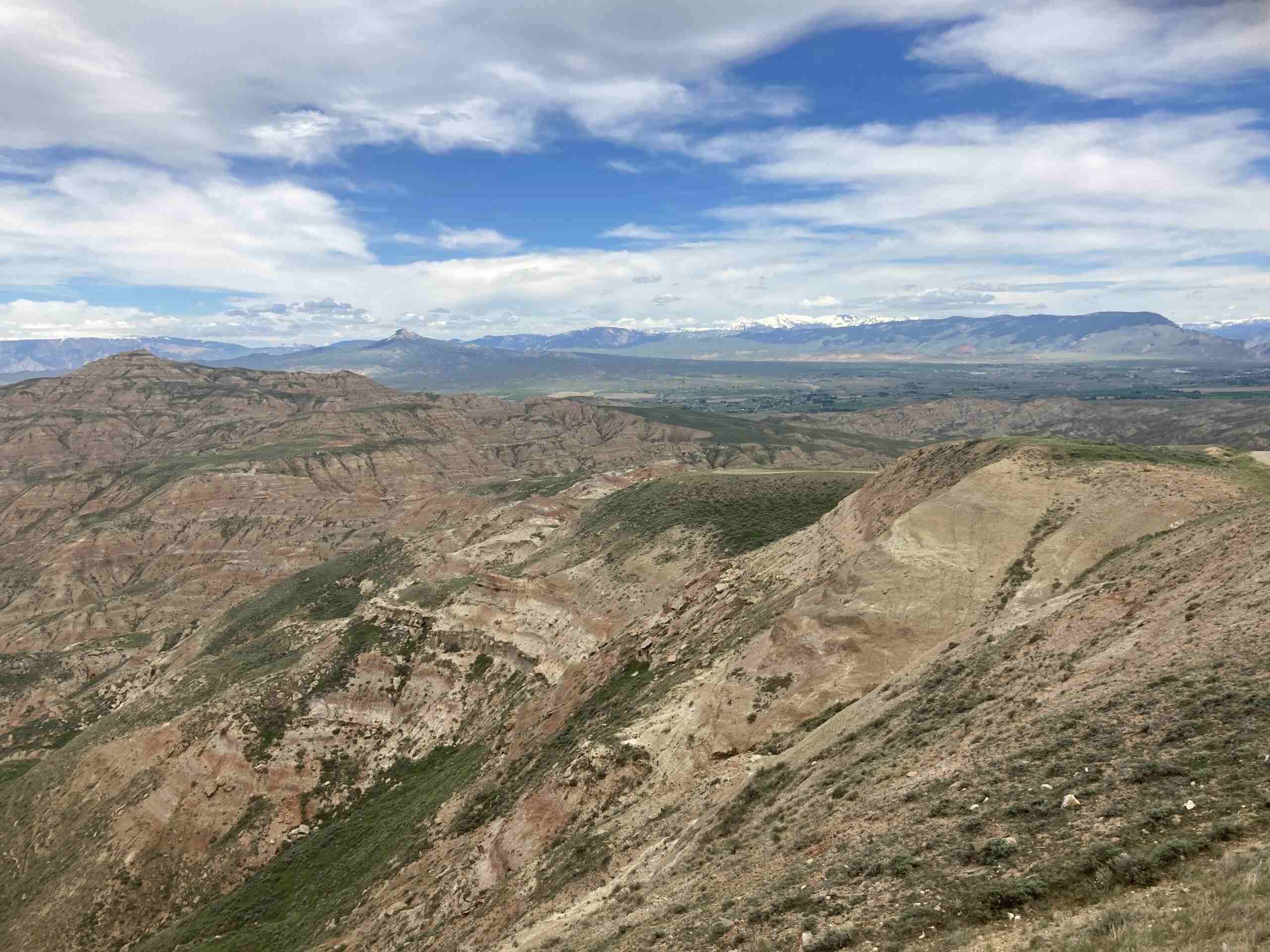
Have you ever wondered about the hidden trading circles of Wyoming's Bighorn Mountains? These ancient paths, used by Native American tribes, are rich in history and mystery. Imagine walking the same trails where goods like obsidian, shells, and beads were exchanged centuries ago. The Bighorn Mountains offer more than just scenic beauty; they hold secrets of past civilizations. Exploring these trails gives you a glimpse into the lives of those who once roamed these lands. Whether you're a history buff or an outdoor enthusiast, the Bighorn Mountains provide a unique adventure. Ready to uncover the past? Let's get started!
Hidden Trading Circles of Wyoming's Bighorn Mountains
Wyoming's Bighorn Mountains are a treasure trove of history and natural beauty. Among the many secrets these mountains hold, the hidden trading circles stand out as fascinating remnants of ancient commerce and culture. These circles, often overlooked, offer a glimpse into the lives of the Native American tribes who once thrived in this rugged landscape.
What Are Trading Circles?
Trading circles were gathering spots where tribes would meet to exchange goods, stories, and traditions. These circles were not just about trade; they were social hubs that fostered relationships and cultural exchange. Let's explore some of the most intriguing trading circles hidden in the Bighorn Mountains.
1. Medicine Wheel
The Medicine Wheel is perhaps the most famous of these trading circles. Located at nearly 10,000 feet above sea level, this ancient stone structure is believed to have been used for ceremonial purposes as well as trade. The wheel's spokes align with certain celestial bodies, suggesting it also served as an astronomical calendar.
2. Paint Rock Canyon
Paint Rock Canyon is home to numerous petroglyphs and pictographs, evidence of the area's rich history. The canyon walls tell stories of the tribes who once gathered here, trading goods and sharing knowledge. The vibrant rock art provides a vivid backdrop to the trading activities that took place in this natural amphitheater.
3. Five Springs
Nestled in a lush valley, Five Springs was a popular meeting spot for tribes due to its abundant water supply. The natural springs provided a reliable source of water, making it an ideal location for extended trading sessions. Artifacts found in the area suggest that Five Springs was a bustling hub of activity.
4. Shell Falls
Shell Falls, with its stunning waterfall and scenic surroundings, was another key trading circle. The falls provided a natural landmark that made it easy for tribes to find their way. The sound of rushing water added a soothing backdrop to the lively exchanges that took place here.
5. Devil's Canyon
Devil's Canyon, with its dramatic cliffs and rugged terrain, was a challenging but rewarding trading spot. The canyon's natural defenses made it a safe place for tribes to gather and trade without fear of surprise attacks. The breathtaking views were an added bonus for those who made the trek.
6. Tensleep Canyon
Tensleep Canyon got its name from the distance it took to travel to the canyon, roughly ten days' journey from various directions. This canyon served as a major crossroads for tribes, making it a bustling center of trade. The canyon's unique rock formations provided natural shelters for traders.
7. Bighorn Canyon
Bighorn Canyon, with its deep gorges and winding river, was a strategic trading location. The river provided a means of transportation for goods, while the canyon walls offered protection. The area is rich in archaeological sites, indicating its long history as a trading hub.
8. Pryor Mountains
The Pryor Mountains, located on the border of Wyoming and Montana, were a significant trading area for the Crow tribe. The mountains' unique geography provided natural shelters and lookout points, making it a secure place for trade. The Crow people would gather here to exchange goods and celebrate their culture.
9. Little Bighorn Battlefield
While primarily known for the famous battle, the Little Bighorn Battlefield was also a significant trading circle. Tribes would gather here to trade and hold council meetings. The site's historical significance adds another layer of intrigue to its role as a trading hub.
10. Heart Mountain
Heart Mountain, with its distinctive heart-shaped peak, was a well-known landmark for tribes. The mountain's unique shape made it easy to find, and its surrounding valleys provided ample space for trading activities. Artifacts found in the area suggest that Heart Mountain was a popular meeting spot for various tribes.
Discovering Wyoming's Hidden Trading Circles
Wyoming's Bighorn Mountains hold secrets that go beyond their natural beauty. The hidden trading circles found here offer a glimpse into the lives of ancient peoples. These circles, made of stones, were used for trading, social gatherings, and possibly even spiritual rituals. They tell stories of a time when trade routes crisscrossed these mountains, connecting different tribes and cultures.
Exploring these trading circles is like stepping back in time. You can imagine the bustling activity, the exchange of goods, and the sharing of stories. It's a reminder of the rich history that lies beneath our feet, waiting to be discovered.
Next time you visit the Bighorn Mountains, take a moment to look for these hidden gems. They are a testament to the ingenuity and resilience of the people who once called this place home. Happy exploring!
