

Secrets Of Virginia’s Appalachian Homesteads
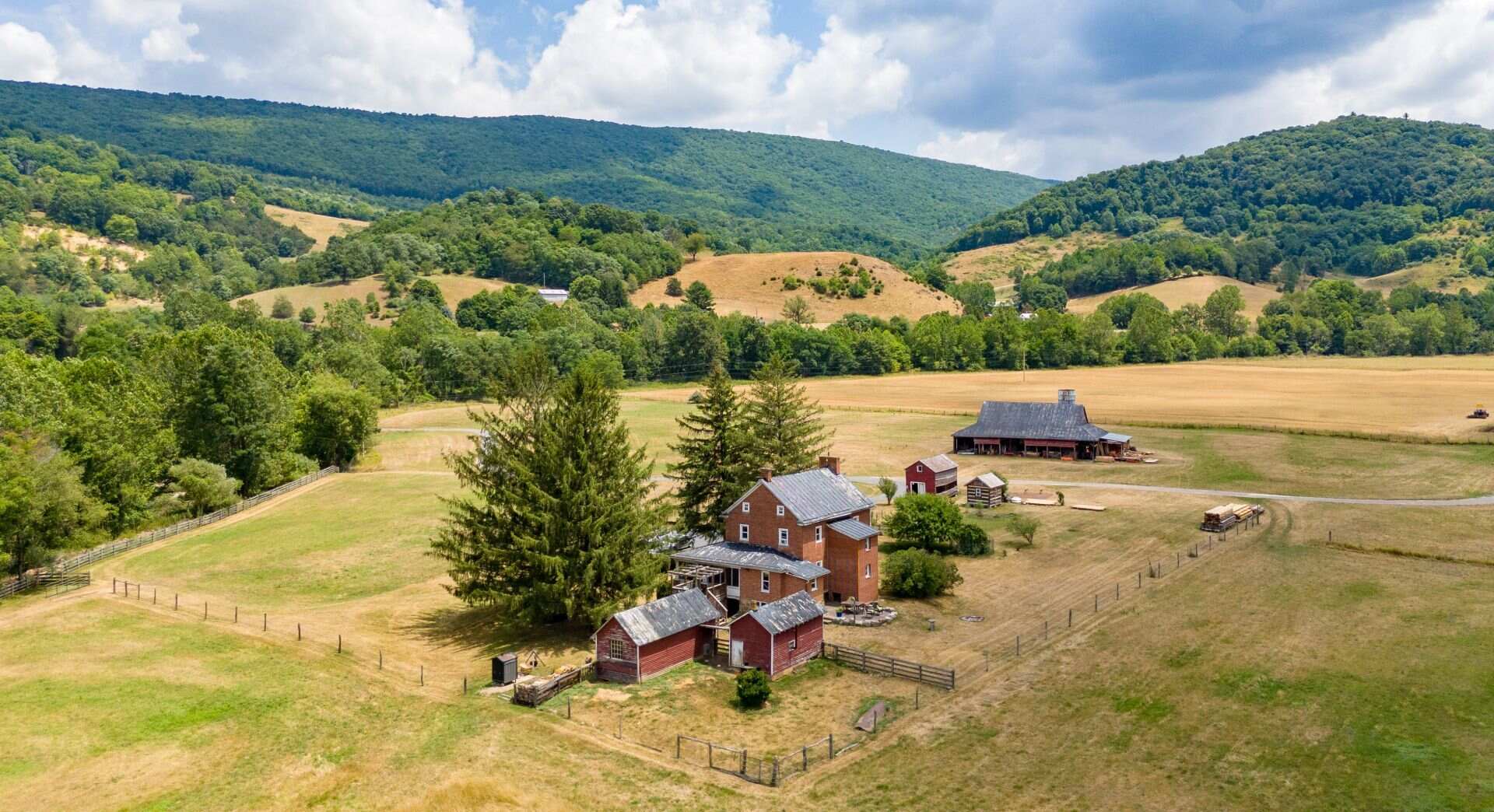
Have you ever wondered what life was like in the Appalachian homesteads of Virginia? These historic homes, nestled in the mountains, offer a glimpse into a simpler time. Families lived off the land, growing their own food and crafting their own tools. The rich history and culture of these homesteads tell stories of resilience, community, and tradition. Visiting these sites today, you can almost hear the echoes of past generations. From rustic cabins to sprawling farms, each homestead has its own unique charm. Ready to step back in time and explore the secrets of Virginia's Appalachian homesteads? Let's dive in!
Discovering Virginia's Appalachian Homesteads
Virginia's Appalachian region is a treasure trove of history, culture, and natural beauty. Hidden among the rolling hills and dense forests are homesteads that tell the story of early settlers and their way of life. These places offer a glimpse into the past, showcasing traditional architecture, farming practices, and the resilience of those who called these mountains home.
1. Mabry Mill
Mabry Mill, located on the Blue Ridge Parkway, is one of the most photographed spots in the Appalachian Mountains. This historic gristmill and sawmill, built by Edwin Boston Mabry in 1903, offers visitors a chance to see how early settlers ground corn and sawed lumber. The picturesque setting, complete with a working waterwheel, makes it a must-visit.
2. Humpback Rocks Farm
Humpback Rocks Farm, situated at the northern end of the Blue Ridge Parkway, is a living history museum that recreates a typical 19th-century Appalachian farm. The site includes a log cabin, barn, and various outbuildings, all restored to their original condition. Costumed interpreters demonstrate traditional crafts and farming techniques, providing an immersive experience.
3. The Settlers Museum of Southwest Virginia
The Settlers Museum of Southwest Virginia, located in Smyth County, offers a comprehensive look at the life of early Appalachian settlers. The museum features a restored 1890s farmstead, complete with a farmhouse, barn, and schoolhouse. Visitors can explore the exhibits and learn about the challenges and triumphs of pioneer life.
4. Historic Crab Orchard Museum
The Historic Crab Orchard Museum in Tazewell County preserves the history of the Appalachian region through its extensive collection of artifacts and exhibits. The museum's grounds include several historic buildings, such as a log cabin, blacksmith shop, and general store. These structures provide a window into the daily lives of early settlers.
5. Wilderness Road State Park
Wilderness Road State Park, located in Ewing, commemorates the route taken by early pioneers as they traveled westward through the Cumberland Gap. The park features a reconstructed 18th-century fort, Martin's Station, where visitors can see reenactments of frontier life. The park's trails and scenic views also offer a chance to experience the natural beauty of the Appalachian Mountains.
6. Booker T. Washington National Monument
The Booker T. Washington National Monument in Franklin County preserves the birthplace of the famous African American educator and leader. The site includes a reconstructed 19th-century farm, complete with a log cabin, smokehouse, and garden. Visitors can learn about Washington's early life and the challenges faced by African American families in the post-Civil War South.
7. Blue Ridge Institute and Museum
The Blue Ridge Institute and Museum, located at Ferrum College, is dedicated to preserving the folk culture of the Appalachian region. The museum's exhibits include traditional crafts, music, and storytelling, offering a rich tapestry of Appalachian life. The institute also hosts the annual Blue Ridge Folklife Festival, celebrating the region's heritage.
8. Shenandoah Valley Cultural Heritage Museum
The Shenandoah Valley Cultural Heritage Museum at the Edinburg Mill showcases the history and culture of the Shenandoah Valley. The museum is housed in a historic gristmill, which dates back to 1848. Exhibits cover a wide range of topics, from early settlement to the Civil War, providing a comprehensive look at the region's past.
9. Natural Tunnel State Park
Natural Tunnel State Park in Scott County features a massive limestone tunnel that has been used by humans for centuries. The park includes a reconstructed 18th-century homestead, complete with a log cabin and outbuildings. Visitors can explore the homestead and learn about the early settlers who made their homes in this rugged landscape.
10. Frontier Culture Museum
The Frontier Culture Museum in Staunton offers a unique look at the diverse cultures that shaped early America. The museum features several reconstructed homesteads, including an English farm, a German farm, and an African farm. Each homestead is staffed by interpreters who demonstrate traditional crafts and farming techniques, providing a hands-on history lesson.
11. Southwest Virginia Museum Historical State Park
The Southwest Virginia Museum Historical State Park in Big Stone Gap is housed in a Victorian-era mansion and features exhibits on the history of the Appalachian region. The museum's grounds include a reconstructed log cabin, where visitors can learn about the daily lives of early settlers. The park also hosts events and programs that celebrate the region's heritage.
12. Historic Smithfield Plantation
Historic Smithfield Plantation in Blacksburg offers a glimpse into the life of one of Virginia's most prominent early families. The plantation's 18th-century manor house has been meticulously restored, and the grounds include several outbuildings, such as a kitchen, smokehouse, and slave quarters. Guided tours provide insight into the plantation's history and the lives of its inhabitants.
13. Wolf Creek Indian Village & Museum
Wolf Creek Indian Village & Museum in Bastian recreates a Native American village from the 16th century. The site includes reconstructed dwellings, a council house, and a palisade, offering a look at the lives of the region's original inhabitants. The museum's exhibits cover the history and culture of the Native American tribes who lived in the Appalachian Mountains.
14. Mount Rogers National Recreation Area
Mount Rogers National Recreation Area, located in the heart of the Appalachian Mountains, offers a wealth of outdoor activities and historic sites. The area includes several historic homesteads, such as the Konnarock Training School, which served as a mission school for mountain children. Visitors can hike, camp, and explore the area's rich history and natural beauty.
15. Historic Brentsville Courthouse Historic Centre
Historic Brentsville Courthouse Historic Centre in Prince William County preserves a 19th-century courthouse and village. The site includes several restored buildings, such as a log cabin, schoolhouse, and jail. Visitors can take guided tours and learn about the history of the courthouse and the community that grew up around it.
Embracing the Appalachian Spirit
Virginia's Appalachian homesteads offer a glimpse into a simpler, more connected way of life. These historic sites reveal the resilience and ingenuity of early settlers. Visiting these homesteads, you can see traditional crafts, farming techniques, and the natural beauty that defines the region. Exploring these areas, you gain a deeper appreciation for the hard work and community spirit that built these homes.
Whether you're hiking through the Blue Ridge Mountains or visiting a restored cabin, the experience is both educational and inspiring. The stories of the people who lived here remind us of the importance of preserving our history and heritage. So, pack your bags, lace up your hiking boots, and set out to discover the secrets of Virginia's Appalachian homesteads. You'll leave with a newfound respect for the past and a sense of connection to the land and its people.
