

Part of our Virginia guide.
Virginia's historic mills and craft sites span from the Appalachian Homesteads to the Colvin Run Gristmill, with each location preserving a specific function of early American industry. The Colvin Run Gristmill, built in the early 19th century, still grinds grain today using its massive water wheel, while the iron forges of Colonial Williamsburg demonstrate blacksmithing techniques passed down through generations.
Appalachian Homesteads
Life in the Appalachian homesteads of Virginia revolved around self-sufficiency, with families growing food and crafting tools from the surrounding mountains. These rustic cabins and farms show how communities used local resources for everything from shelter to textiles. The homesteads' remote locations meant they developed distinct traditions, with each generation adding to the cultural fabric of the region. Visiting these sites today, you can see the original hearths, root cellars, and hand-hewn beams that supported daily life.
Burke's Garden
Burke's Garden, often called "God's Thumbprint," is a secluded valley in southwest Virginia that conceals quartz deposits beneath its mountain bowl. This geological wonder, formed by a limestone collapse, offers rockhounds a chance to find quartz crystals in the eroded edges of the valley floor. The valley's high elevation and unique soil composition make it fertile for both agriculture and mineral collection. While the quartz is not commercially mined, surface finds are common after heavy rains. The best access is via the valley's network of farm roads, which also pass by historic barns and springhouses.
Shenandoah Valley Mills
The mills of Virginia's Shenandoah Valley harnessed the region's rivers to grind grain and produce textiles from the 18th through early 20th centuries. These structures, built with local limestone and timber, often operated as community hubs where farmers brought wheat and corn for processing. Many mills still have their original water wheels, sluice races, and millstones intact. Some sites offer seasonal demonstrations of the entire milling process from grain to flour. The surrounding landscapes, with rolling hills and rivers, make these mills popular stops for scenic drives.
Virginia
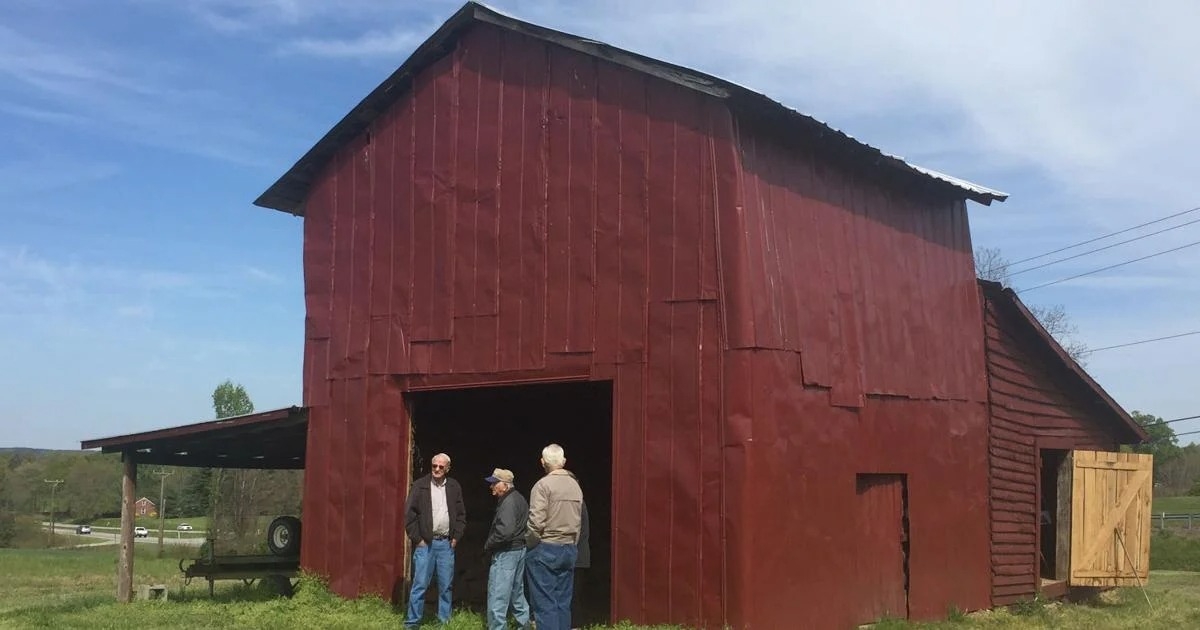
Tobacco barns across Virginia's countryside are a lesser-known part of the state's agricultural heritage. Built primarily in the 19th and early 20th centuries, these tall, airy structures were designed for curing and storing tobacco leaves. The barns' vertical planks and louvered vents allowed for controlled airflow, essential for the curing process. Many still stand on private farmland, their weathered wood and tin roofs marking a time when tobacco was a primary cash crop. Some have been repurposed as event spaces or storage, but most remain as silent witnesses to the region's economic past.
Iron Forging Secrets Of Colonial Williamsburg
Blacksmiths in Colonial Williamsburg used coal-fired forges and trip hammers to transform raw iron into tools, hardware, and weapons. Their techniques included case hardening, where finished tools were heated with carbon to create a wear-resistant edge. The clang of hammers on anvils and the glow of hot metal transport you back to a time when every item was handmade. Today, the historic area's blacksmith shop offers daily demonstrations, with artisans explaining the step-by-step process of drawing out, upsetting, and welding. Visitors can watch as they create nails, hinges, and even kitchen utensils using period-correct methods.
Piedmont Region
Gristmills in Virginia's Piedmont region once formed the economic heart of rural communities, grinding corn and wheat into meal and flour. These mills were often powered by stream-fed millponds, with water channeled through wooden flumes to turn overshot or breastshot wheels. The Piedmont's rolling terrain provided enough elevation change for efficient water power. Many surviving gristmills still have their original burr stones, cut from local granite or imported French quartz. A few operate on weekends, selling stone-ground meal to visitors.
Blacksmithing Secrets Of Virginia's Blue Ridge
Blacksmithing in Virginia's Blue Ridge combines traditional techniques with the region's rich iron ore deposits, which were mined and smelted locally from the 18th century. Visitors can watch demonstrations of forge welding, where iron and steel are fused at high temperatures to create stronger tools. The Blue Ridge area provides a backdrop with its historic forges and scenic beauty. Some shops offer hands-on classes where participants can make a simple hook or bottle opener in a single session. The craft remains alive through these immersive experiences.
Blue Ridge Mills
Virginia's Blue Ridge Mills combine working history and natural recreation, with several sites located along the Blue Ridge Parkway. These mills often include hiking trails that lead to waterfalls, old millraces, and abandoned quarry sites. The surrounding forests provide habitat for wildlife, while the mill buildings house exhibits on local milling history. Some mills have been restored to operating condition, with volunteers demonstrating grain grinding on weekends. The combination of cultural heritage and outdoor adventure makes these mills a day trip for families.
Charlottesville's Historic Water Mill Operations
Charlottesville's historic water mills used the region's creeks and rivers to power multiple industrial processes, from grinding grain to sawing timber. The mills operated on a system of dams and millraces, which directed water to turn large wooden wheels. Some mills also powered textile looms and woodworking machinery through line shafts and belts. The millers managed the water flow carefully, adjusting sluice gates to maintain a consistent speed. Today, several of these mill sites are preserved within county parks, with interpretive signs explaining the engineering that kept them running.
Colvin Run Gristmill Operations
Virginia's Colvin Run Gristmill, built in the early 19th century, still grinds grain as it did over 200 years ago. Visitors can see the massive water wheel in action, powering the millstones that crush wheat and corn into flour and meal. The miller explains each step, from cleaning the grain to bagging the final product. The site also includes a historic general store and a miller's house, offering a complete picture of a rural mill operation.
More about Historic Mills and Craftsmanship
- Hidden Swimming Holes In Virginia's Shenandoah Valley
- Secrets Of Virginia's James River Plantations
- 15 Hidden Towns in Virginia's Northern Neck
- Mysteries Of Virginia's Submerged Town
- 15 Hidden Towns in Virginia's Shenandoah Valley
- Hidden Places To See Wild Chincoteague Ponies In Virginia
- Mysteries Of Virginia's Belle Isle Ruins
- Secrets Of Virginia's Hidden Tunnel
- Secrets Of Virginia's Sacred Stone Circles
- Secrets Of Virginia's Massanutten Caverns
- Hidden Soapstone Quarries Of Virginia's Blue Ridge Mountains
- Mysteries Inside West Virginia's Hell Hole
- Virginia's Natural Tunnel State Park Chair Lift Secrets
- Mysteries Of Virginia's Underground Railroad Stations
- Mysteries Of Shenandoah Valley Spirits
- Ghost Fleet Mysteries Of Virginia's York River
- Virginia's Secret Apple Orchards In The Shenandoah Valley
- Secrets Of Virginia's Ancient Salt Works
- Hidden Gems Of Virginia's Blue Ridge Mountain Balds
- Hidden Waters Of Virginia's Grayson Highlands
- Hidden Military History At Virginia's Fort Lee Quartermaster Museum
- Mysteries Of Virginia's Eagle Rock
- Historic Shipbuilding Secrets Of Virginia's Jamestown
- Secret River Otter Slides In Virginia's Shenandoah River State Park
- Hidden Wonders Of Virginia's Natural Bridge Monacan Village
- Secrets Of Virginia's Lost Colony Settlements
- Mysteries Of Virginia's Burkes Garden
- Secrets Of Virginia's Ancient Petroglyphs
