

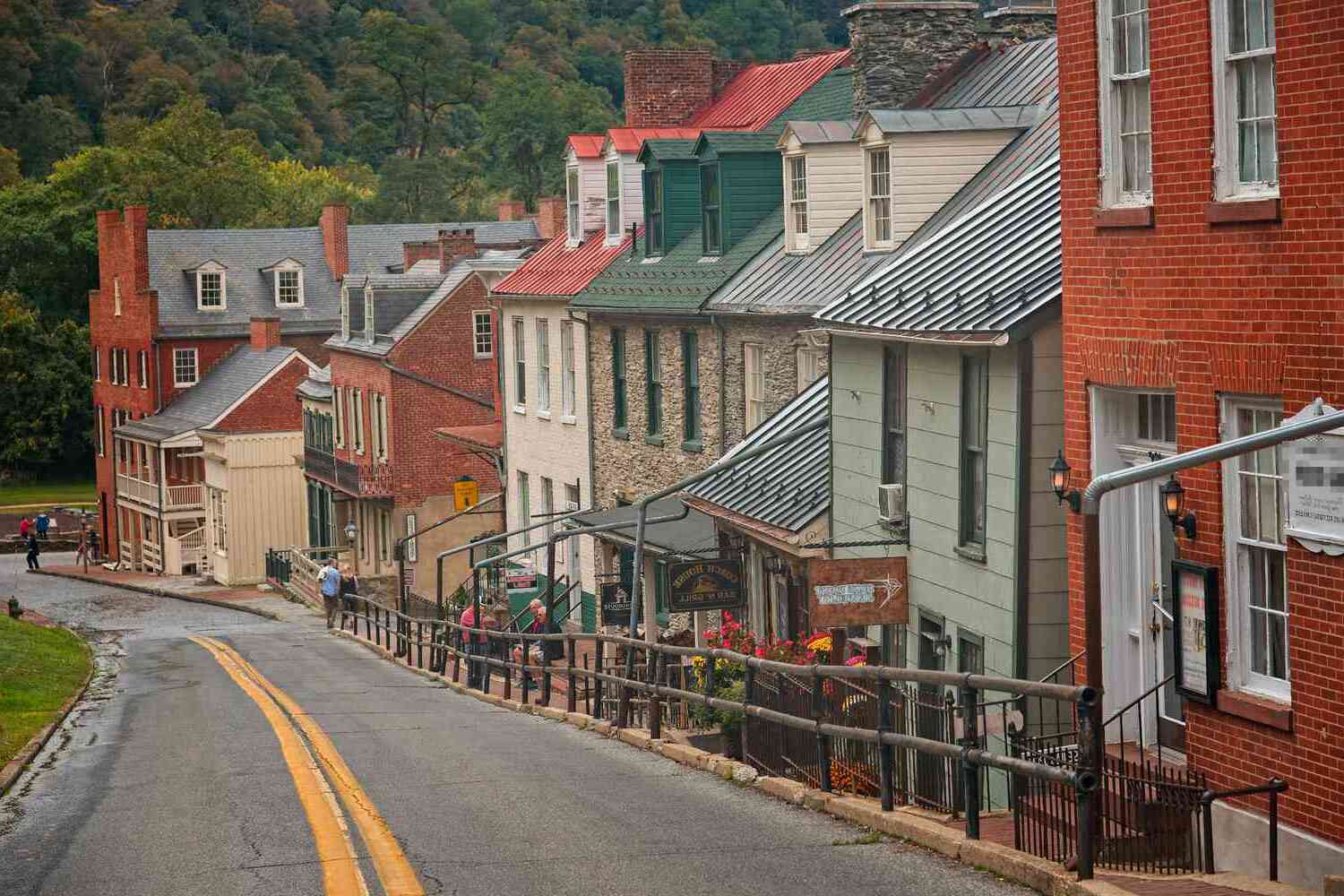
West Virginia’s most rewarding hidden towns are Thurmond, Nuttallburg, Bramwell, Helvetia, Winona, Sewell, Matewan, Ansted, Kaymoor, Gary, Prenter, Pageton, Contentment, Rowlesburg, and Grafton—places that trade crowds for coal-camp history, mountain solitude, and living Appalachian culture. These fifteen communities, not the state’s famous resort towns, are the true off-the-beaten-path finds, each with a story etched into the hillsides.
Discovering West Virginia’s Hidden Towns
These towns in West Virginia offer a mix of history, culture, and stunning landscapes. From abandoned mining camps to tiny farming hamlets, each one rewards the traveler who slows down and looks closer.
1. Thurmond
Thurmond is a near-ghost town that survives because of the railroad. Once a bustling coal depot, it now has a handful of residents, yet the National Park Service keeps the depot and its historic tracks intact. You can stand on the platform and watch freight trains thunder past, just as they have for over a century. There’s no gas station or store—just the raw, haunting beauty of a town that time forgot.
2. Nuttallburg
Nuttallburg is an abandoned coal town hidden in the New River Gorge. Its rusting coke ovens and the remains of a coal tipple sit beside the river, accessible via a steep gravel road. The town’s most striking feature is the old conveyor belt that carried coal down the mountainside to waiting trains. It’s a photographer’s dream and a quiet place to reflect on the state’s industrial past.
3. Bramwell
Bramwell was once home to more millionaires per capita than any town in America, thanks to the coal trade. Today, its grand Victorian mansions line quiet streets, many restored as bed-and-breakfasts. The Mercer County seat is a living museum of Gilded Age wealth, and a self-guided walking tour reveals the stories of the railroad barons who built it. It’s a far cry from the crowded resort towns—here, you’ll have the sidewalks almost to yourself.
4. Helvetia
Helvetia is a Swiss-immigrant farming community tucked into the mountains of Randolph County. The town still celebrates its heritage with a Fasnacht festival each winter, complete with mask-making and folk dancing. The local cheese factory and the Hütte Restaurant serve traditional dishes that have been made the same way for generations. It’s a place where the old language and customs survive, far from the interstate.
5. Winona
Winona is a tiny former mining town that most people pass without a second glance. Its few dozen residents live among the remnants of the old coal camp, including a company store that now serves as a community hub. The surrounding forest offers quiet trails, and the lack of crowds makes it feel like a secret. It’s not a place for attractions—it’s a place for atmosphere.
6. Sewell
Sewell is a true ghost town, once a booming railroad and coal community of over 2,000 people. Now only a few foundations and a cemetery remain, swallowed by the trees of the New River Gorge. A short, unmarked path leads to the site, where you can still see the stone walls of the old hotel and store. It’s a stark, beautiful reminder of how quickly industry can vanish from the mountains.
7. Matewan
Matewan is a town with a storied past. Known for the Matewan Massacre of 1920, this town offers a unique glimpse into the history of the coal mining industry. Explore the historic sites, visit the Matewan Depot Replica Museum, or take a guided tour to learn more about the town’s fascinating history. The old brick buildings along the main street look much as they did a century ago, and the nearby Hatfield-McCoy trail system brings modern hikers to its hills.
8. Ansted
Ansted sits high on Gauley Mountain, offering sweeping views of the New River Gorge. It’s a quiet town with a strong sense of history, from the old Hawks Nest Dam to the remains of the Mountain State Hotel. The nearby Cathedral Falls is a must-see, and the town’s location makes it a good base for exploring the gorge’s rim trails. It’s a place where mountain charm meets working-class grit.
9. Kaymoor
Kaymoor is an abandoned coal-mining site accessible only by a steep, 800-step stairway from the gorge rim. The reward for the climb is a series of haunting ruins: the old mine entrance, a tipple, and the remains of the company store. It’s a strenuous hike, but the sense of history is palpable. The view from the top, where the river bends far below, is worth every step.
10. Gary
Gary was once a thriving coal town built by the U.S. Coal & Coke Company. Today, its rows of company houses stand in various states of repair, some still lived in, others abandoned. The town’s stark, grid-like streets feel like a time capsule of the early 20th century. It’s not a tourist attraction—it’s a living community with a proud, hardscrabble heritage.
11. Prenter
Prenter is a remote community deep in Boone County, surrounded by steep hollows and rushing creeks. It’s the kind of place where you go to get lost in the woods, with miles of old logging roads and unmarked trails. The community is tiny, and the isolation is part of its appeal. Fishing and hunting are the main draws, but the quiet beauty of the forest is what lingers.
12. Pageton
Pageton is another former coal camp that has faded to almost nothing. A few houses remain, along with the old company store, but the population numbers in the single digits. The town is a favorite stop for ghost hunters and history buffs who want to see what’s left of the boom-and-bust cycle. It’s a place that asks you to imagine the lives of the families who once filled its streets.
13. Contentment
Contentment is less a town and more a scattered settlement in the hills of Monroe County. The name comes from the original homestead, which still stands as a private residence. There’s no store, no gas station, just rolling farmland and quiet hollows. It’s the kind of place where you come to breathe fresh air and watch the seasons change without distractions.
14. Rowlesburg
Rowlesburg sits where the Cheat River meets the mountains, a town built on the railroad and the timber industry. Its historic district includes a row of 19th-century storefronts and churches, most still in use. The river is popular for whitewater rafting, and the town’s small museum tells the story of its boom years. It’s a friendly, unpretentious stop on the way to deeper wilderness.
15. Grafton
Grafton is best known as the birthplace of Mother’s Day, but it’s also home to the first national cemetery, where Union and Confederate soldiers lie side by side. The town’s hillside streets are lined with Victorian houses, and the historic B&O Railroad station now serves as a museum. It’s a place of quiet remembrance and small-town pride, far from the crowds of Harpers Ferry or Berkeley Springs.
Discovering West Virginia’s Hidden Gems
West Virginia’s hidden towns offer experiences beyond the usual tourist spots. Each has its own character, from the coal-camp ruins of Thurmond to the Swiss traditions of Helvetia. Exploring these places reveals the state’s history and natural beauty up close. Whether you’re hiking the gorge trails near Kaymoor or walking the quiet streets of Bramwell, these towns provide a peaceful escape from the hustle and bustle. Visiting them supports local communities and enriches your travel experience. Next time you’re planning a trip, venture off the beaten path to discover the unique charm of West Virginia’s lesser-known towns. You’ll find unforgettable memories and a deeper connection to the state’s culture and history.
Related travel guides: West Virginia's Secret Artisan Villages In The Appalachians.
