Secrets Of Utah’s Great Basin Geoglyphs
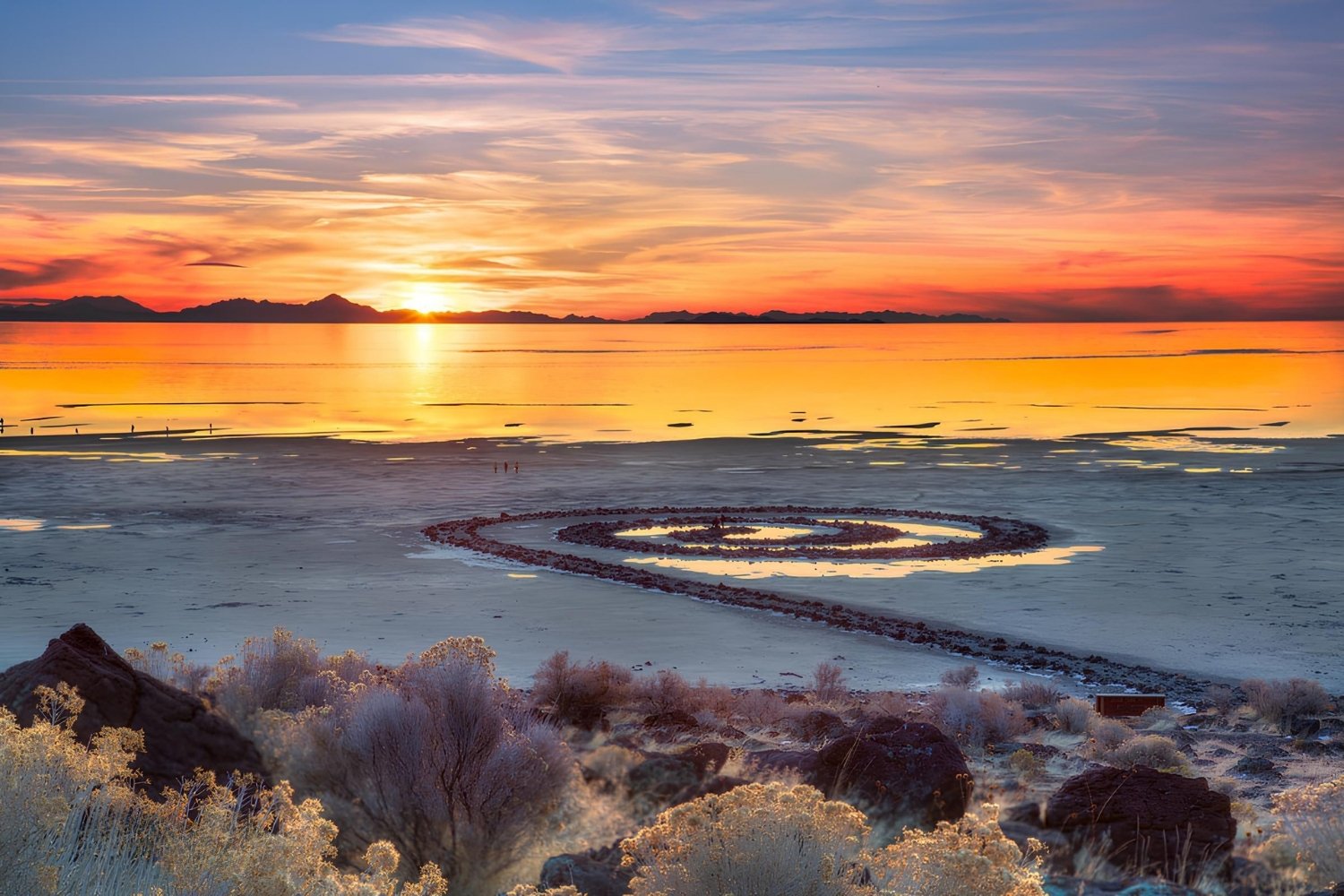
Have you ever wondered about the mysterious geoglyphs in Utah's Great Basin? These ancient artworks, etched into the earth, have puzzled historians and archaeologists for years. Some believe they were created by Native American tribes for ceremonial purposes, while others think they might be ancient maps or messages. The Great Basin itself is a vast, arid region, offering a unique landscape that has preserved these intriguing designs for centuries. Visiting these geoglyphs feels like stepping back in time, giving you a glimpse into the lives and beliefs of the people who once roamed this land. Ready to learn more about these fascinating earthworks? Let's dive in!
Discovering Utah's Great Basin Geoglyphs
Utah's Great Basin is home to some of the most fascinating geoglyphs in North America. These ancient artworks, etched into the earth, tell stories of the region's history and culture. Let's explore some of the most intriguing geoglyphs you can find in this vast desert landscape.
1. The Parowan Gap Petroglyphs
The Parowan Gap Petroglyphs are a must-see for anyone interested in ancient art. These intricate carvings cover the rock faces of a narrow gap in the mountains, depicting everything from animals to celestial events.
- Location: Near Parowan, Utah
- Highlights: Over 90 panels of petroglyphs, including the famous "Zipper Glyph"
- Best Time to Visit: Spring and fall for mild weather
2. The Great Hunt Panel
The Great Hunt Panel is one of the most famous rock art sites in the Great Basin. This large panel depicts a detailed hunting scene, showcasing the skills and traditions of the ancient people who lived here.
- Location: Nine Mile Canyon, Utah
- Highlights: Detailed hunting scene with numerous figures and animals
- Best Time to Visit: Late spring to early fall
3. The Rochester Panel
The Rochester Panel is a stunning example of Fremont rock art. This large panel features a mix of abstract and realistic images, offering a glimpse into the lives and beliefs of the Fremont people.
- Location: Near Emery, Utah
- Highlights: Mix of abstract and realistic images, including human figures and animals
- Best Time to Visit: Spring and fall
4. The Newspaper Rock
Newspaper Rock is a fascinating site that features hundreds of petroglyphs carved into a single rock face. These carvings span thousands of years, providing a unique record of the region's history.
- Location: Indian Creek Canyon, Utah
- Highlights: Over 650 petroglyphs, including human figures, animals, and symbols
- Best Time to Visit: Year-round, but spring and fall offer the best weather
5. The McConkie Ranch Petroglyphs
The McConkie Ranch Petroglyphs are a hidden gem in the Great Basin. This site features a variety of petroglyphs, including some of the most detailed and well-preserved carvings in the region.
- Location: Near Vernal, Utah
- Highlights: Detailed and well-preserved petroglyphs, including large human figures
- Best Time to Visit: Spring and fall
6. The Sego Canyon Petroglyphs
Sego Canyon is home to a diverse collection of rock art, including both petroglyphs and pictographs. This site offers a unique opportunity to see the artistic styles of different cultures side by side.
- Location: Near Thompson Springs, Utah
- Highlights: Mix of petroglyphs and pictographs, including Barrier Canyon Style art
- Best Time to Visit: Spring and fall
7. The Buckhorn Wash Panel
The Buckhorn Wash Panel is a stunning example of Barrier Canyon Style rock art. This large panel features intricate and colorful images, providing a glimpse into the spiritual beliefs of the ancient people who created it.
- Location: San Rafael Swell, Utah
- Highlights: Intricate and colorful images, including human figures and animals
- Best Time to Visit: Spring and fall
8. The Fish Creek Cove Petroglyphs
Fish Creek Cove is a lesser-known site that features a variety of petroglyphs. This remote location offers a peaceful and secluded experience, perfect for those looking to escape the crowds.
- Location: Near Blanding, Utah
- Highlights: Variety of petroglyphs, including human figures and animals
- Best Time to Visit: Spring and fall
9. The Fremont Indian State Park
Fremont Indian State Park is a treasure trove of rock art, with hundreds of petroglyphs and pictographs scattered throughout the park. This site offers a comprehensive look at the art and culture of the Fremont people.
- Location: Near Sevier, Utah
- Highlights: Hundreds of petroglyphs and pictographs, museum with artifacts
- Best Time to Visit: Spring and fall
10. The Horseshoe Canyon
Horseshoe Canyon is home to some of the most famous rock art in the Great Basin, including the Great Gallery. This site features large and detailed pictographs, offering a glimpse into the spiritual world of the ancient people who created them.
- Location: Canyonlands National Park, Utah
- Highlights: Great Gallery with large and detailed pictographs
- Best Time to Visit: Spring and fall
Discovering the Hidden Wonders
Utah's Great Basin geoglyphs offer a unique glimpse into ancient cultures. These massive earthworks, often overlooked, reveal stories and mysteries that have fascinated researchers and travelers alike. Exploring these geoglyphs provides a deeper connection to the past and a greater appreciation for the region's rich history. Whether you're a history buff or just love outdoor adventures, visiting these sites is a must. Remember to respect the land and preserve these incredible pieces of history for future generations. So next time you're in Utah, take a detour to the Great Basin and witness these hidden wonders firsthand. The experience will leave you with a sense of awe and a newfound respect for the ancient people who created these magnificent geoglyphs.