Secrets Of Cougar Denning In Texas’s Davis Mountains
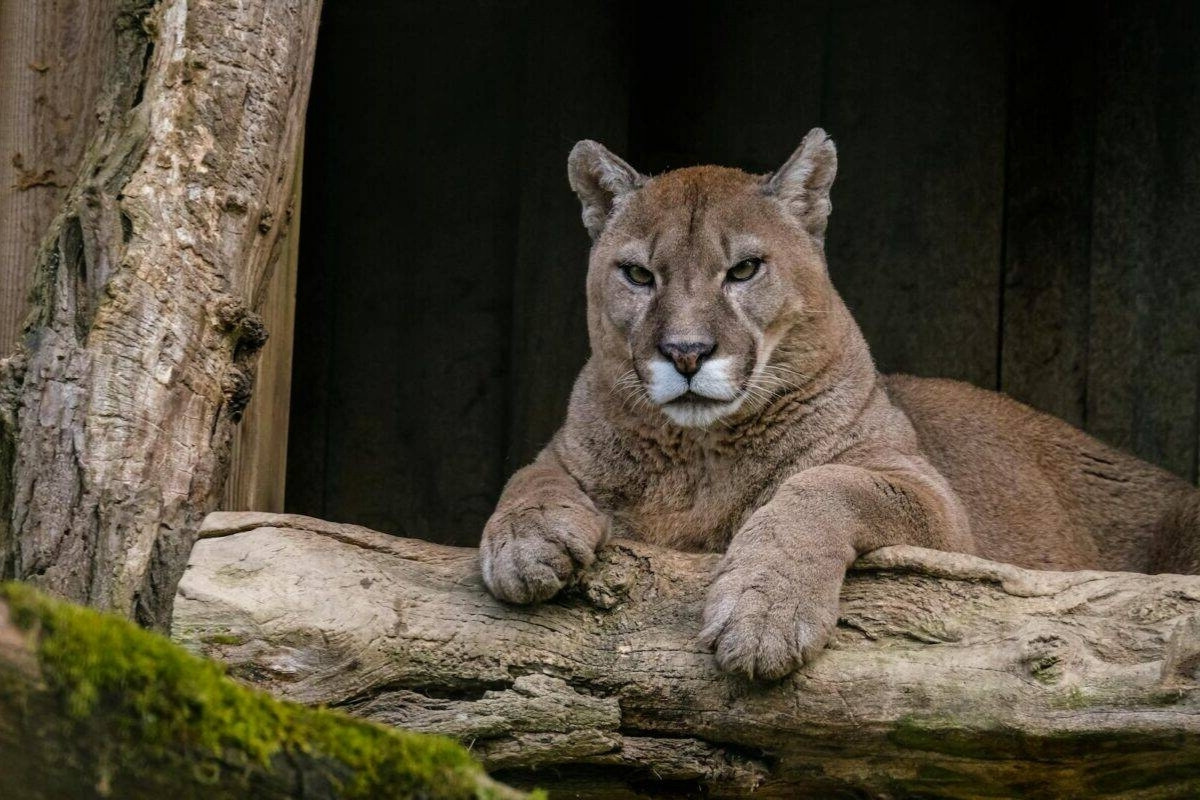
Have you ever wondered where cougars make their dens in Texas? The Davis Mountains hold some of the best-kept secrets about these majestic creatures. Nestled in the heart of West Texas, this rugged terrain provides the perfect hideaway for cougars. With its rocky outcrops, dense vegetation, and secluded valleys, the Davis Mountains offer an ideal habitat for these elusive big cats. Understanding their denning habits can help us appreciate the importance of preserving such unique environments. Ready to learn more about the hidden lives of cougars in this stunning region? Let's dive into the secrets of cougar denning in Texas's Davis Mountains.
Secrets of Cougar Denning in Texas's Davis Mountains
The Davis Mountains in Texas are a rugged and remote area, perfect for the elusive cougar. These majestic creatures, also known as mountain lions or pumas, find the terrain ideal for raising their young. Let's uncover some of the best spots where cougars might be denning in this wild landscape.
Hidden Valleys
Cougars prefer secluded, quiet areas to raise their cubs. Hidden valleys in the Davis Mountains offer the perfect combination of isolation and safety.
- Madera Canyon: This canyon provides dense vegetation and rocky outcrops, making it a prime spot for cougars to hide their dens.
- Bear Canyon: Known for its thick forests and steep slopes, Bear Canyon offers plenty of cover for cougars and their young.
- Limpia Canyon: With its narrow passages and abundant prey, Limpia Canyon is another favorite denning area for these big cats.
Rocky Outcrops
Rocky outcrops provide excellent vantage points and shelter for cougars. These natural formations are scattered throughout the Davis Mountains.
- Mount Livermore: The highest peak in the Davis Mountains, Mount Livermore, has numerous rocky outcrops where cougars can find shelter.
- Sawtooth Ridge: This rugged ridge offers plenty of hiding spots and a good view of the surrounding area, making it a popular denning site.
- Pine Peak: With its rocky terrain and dense pine forests, Pine Peak is another ideal location for cougar dens.
Dense Forests
Dense forests provide cover and abundant prey, making them perfect for cougar denning. The Davis Mountains are home to several such forests.
- McKittrick Canyon: Known for its lush vegetation and diverse wildlife, McKittrick Canyon is a prime spot for cougars to raise their young.
- Dog Canyon: This forested area offers plenty of cover and a reliable food source, making it a popular denning site.
- Blue Creek: With its thick forests and abundant water sources, Blue Creek is another ideal location for cougar dens.
Remote Areas
Cougars seek out remote areas far from human activity to ensure the safety of their cubs. The Davis Mountains have plenty of such secluded spots.
- Wild Rose Pass: This remote pass offers isolation and safety, making it a perfect denning site for cougars.
- Capote Falls: Located in a remote part of the Davis Mountains, Capote Falls provides a secluded and safe environment for raising cubs.
- Eagle Peak: With its remote location and rugged terrain, Eagle Peak is another favorite denning area for cougars.
Understanding Cougar Denning in Texas's Davis Mountains
Cougar denning in Texas's Davis Mountains reveals much about these elusive predators. These big cats choose secluded, rocky areas for their dens, ensuring safety for their young. The rugged terrain provides ample cover and hunting opportunities, making it an ideal habitat. Observing their behavior helps conservationists protect these majestic animals and maintain the ecosystem's balance.
Knowing where cougars den can also keep hikers and campers safe. Respecting their space reduces the risk of encounters. The Davis Mountains offer a unique glimpse into the lives of cougars, highlighting the importance of preserving natural habitats. By understanding their denning habits, we can coexist peacefully with these incredible creatures. This knowledge not only enriches our appreciation of wildlife but also underscores the need for ongoing conservation efforts in this beautiful region.