

Part of our Texas guide.
Jasper in Texas shows up mainly in the Alpine Basin, Big Bend, Marfa Plains, and Terlingua Basin, while the Odessa Basin Meteorite Fields hold the state’s most accessible meteorite fragments. Below are the six sites and what you can actually expect to find at each.
Alpine Basin
The Alpine Basin, in the rugged country around Alpine in West Texas, is one of the most reliable spots for jasper in the state. The stone here comes in reds, yellows, and browns, often with a waxy luster after tumbling. Rockhounds typically search dry washes and hillside gravels where erosion has exposed the deposits. The basin’s geology is old, with volcanic and sedimentary layers that produced the silica-rich conditions jasper needs. You can collect surface pieces without a permit for personal use, but check current land status with the Bureau of Land Management or private landowners before heading out. The best time to go is after a rain, when fresh material has been washed down the slopes.
Odessa Basin Meteorite Fields
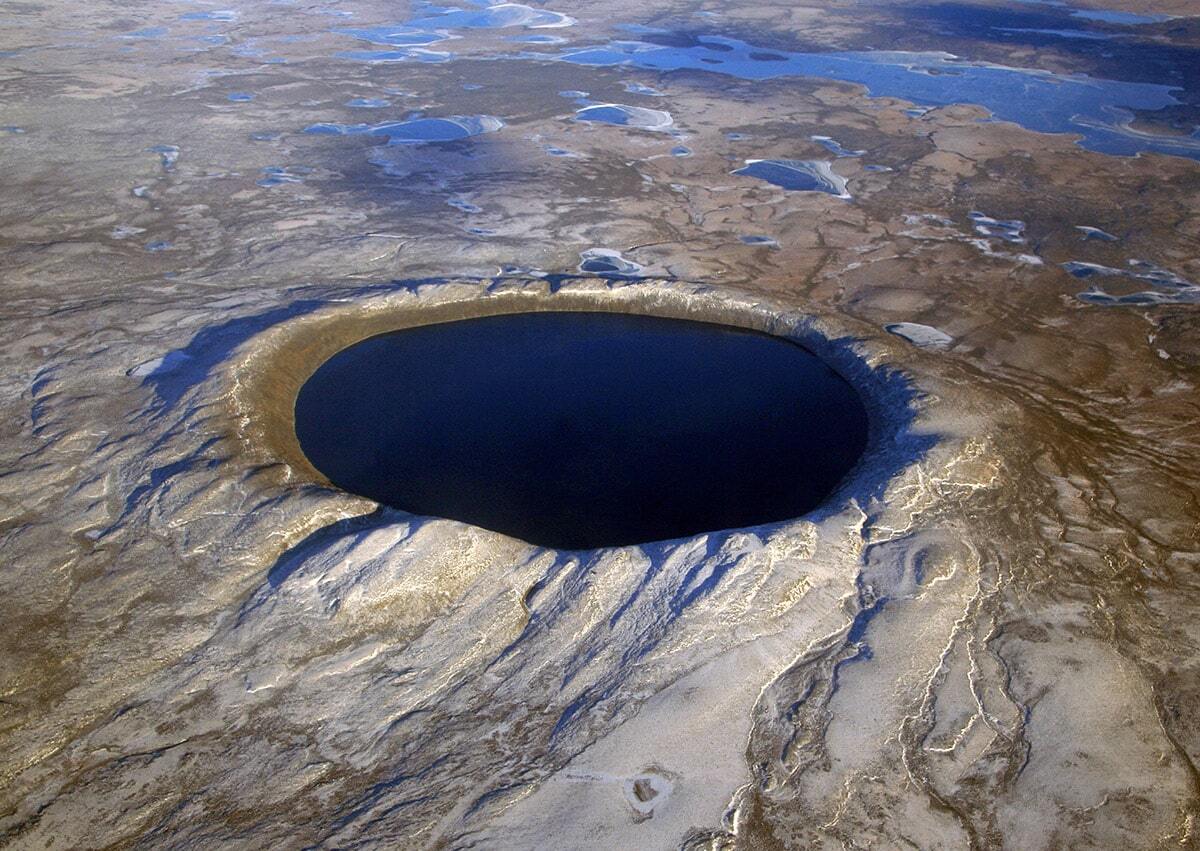
The Odessa Basin Meteorite Fields sit near Odessa in West Texas, and they are the site of a major impact event from roughly 60,000 years ago. Unlike the larger Barringer Crater in Arizona, Odessa’s craters are mostly eroded, but fragments of iron meteorites are still scattered across the surrounding fields. Collectors have pulled out thousands of pieces over the years, most of them small, thumb-sized shards of nickel-iron. The Odessa Meteor Crater is now a National Natural Landmark, and while the main crater is fenced, the surrounding ranchland has produced finds for over a century. If you want to search, ask permission from the current landowners or join a guided rockhounding trip that has access to private fields. The fragments are dense and dark, and a metal detector is the most reliable way to find them.
Big Bend
Big Bend National Park holds jasper in its gravels, especially along the Rio Grande and in the foothills of the Chisos Mountains. The park’s volcanic activity and ancient sea beds created a mix of chert, agate, and jasper in colors from deep reds to mossy greens. You can hike miles of backcountry trails and spot the stone in arroyos and dry creek beds. Note that collecting any rock in a national park is prohibited, so look but do not take. The park’s remote nature means you need water, a full tank of gas, and a high-clearance vehicle for some of the dirt roads. For a day trip, the Santa Elena Canyon area offers scenic views and good chances to see jasper in the exposed gravel bars.
Jasper Lake
Jasper Lake in East Texas is a reservoir on the Angelina River, and it is named for the town of Jasper, not for the stone. The lake covers about 720 acres and is a popular spot for fishing, with largemouth bass, crappie, and catfish in its waters. You can launch a boat from one of the public ramps, swim in designated areas, or hike the surrounding pine and hardwood forests. The shoreline is mostly undeveloped, so you can find quiet coves away from the main boat traffic. Wildlife is common here, including white-tailed deer, wild turkeys, and a variety of wading birds like great blue herons and egrets. If you are looking for jasper rock, this is not the place—the name is a coincidence. But for a family day outdoors, the lake delivers.
Marfa Plains
The Marfa Plains, near the town of Marfa in far West Texas, are better known for the Marfa lights, but the area also has jasper scattered across the desert floor. The stone here is often a deep brick red or orange, and it weathers out of the Tertiary-age volcanic rocks that cap the plateaus. Collectors walk the open ranch roads and dry arroyos after rains to find loose pieces. The terrain is flat and open, so you can cover a lot of ground on foot. Because most of the land is privately owned, you need to secure permission before collecting anything. The Marfa lights themselves are visible most clear nights from the viewing station on Highway 90, but the jasper is a quieter draw for rockhounds who prefer their treasures on the ground.
Terlingua Basin
Terlingua Basin, in the Big Bend region, is another reliable source for jasper, particularly in the gravels around the old mercury mining areas. The basin’s rocks are a mix of Cretaceous limestone and volcanic intrusions, and the jasper shows up in yellows, browns, and occasionally green. The town of Terlingua itself is a former mining settlement, and the surrounding desert has been picked over by collectors for decades, but fresh finds still appear after heavy rains. You can search the washes near the Rio Grande or the slopes west of town. As with most of West Texas, land ownership is mixed, so check with the Terlingua Ranch or the National Park Service boundary before you start picking up stones. The nearby ghost town of Terlingua is worth a stop for its history and the chili cook-off held every November.
More about Hidden Jasper And Meteorite Sites
- Secrets Of Texas' Desert Core
- Secret Petrified Palmwood Locations In East Texas
- Hidden Indigenous Rock Art In Texas's Big Bend
- Hidden Swimming Holes In Texas's Pedernales Falls
- Hidden Gems Of Texas's McDonald Observatory
- Secrets Of Texas's Devils Backbone
- Hidden Indigenous Meeting Grounds Of Texas Hill Country
- Secrets Of Texas's Dinosaur Valley Track Sites
- Hidden History Of Texas' Fort Ringgold Battlefields
- Mysteries Of Sulfur Springs Texas Waters
- Mysteries Of Sacred Waters In Mineral Wells Texas
- Secrets Of Texas' Terlingua Mercury Mines
- Secrets Of San Antonio's Weathered Mission Bells
- Hidden Wonders Of Texas's Lost Maples State Natural Area
- Hidden Wonders Of Texas's Lower Rio Grande Valley Wildlife Refuges
- Hidden Hot Springs Of Texas's Big Bend
- Hidden Fairy Pools Of Texas' Hamilton Pool Preserve
