

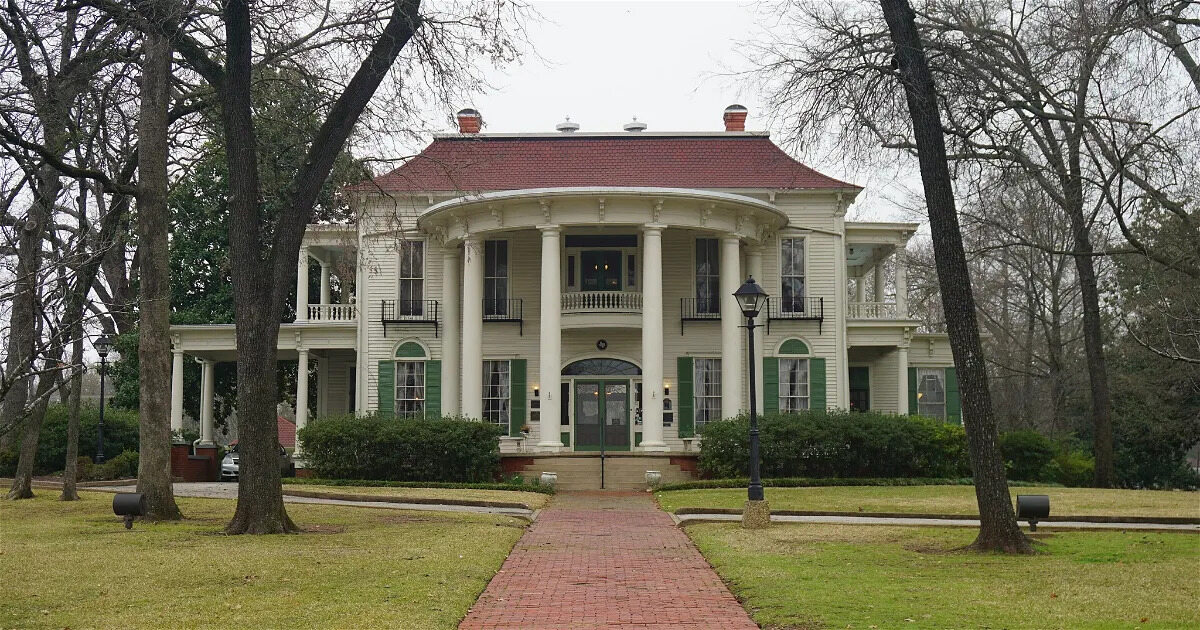
Tyler, Texas, is home to eight must-visit historic sites that span from antebellum mansions to Civil War camps and aviation museums. The city’s historic attractions include the 1859 Goodman-LeGrand House & Museum, the 1878 Whitaker-McClendon House, and the 1904 Carnegie History Center, among others. Each site offers a distinct window into the region’s past, from railroad heritage to residential architecture.
The Goodman-LeGrand House & Museum
Built in 1859, this Greek Revival mansion offers a glimpse into the region’s history. Visitors can explore rooms filled with period furnishings and decor, and gain insight into the lifestyle of the Goodman and LeGrand families who resided here. The grounds and gardens surrounding the mansion add to the allure.
The Cotton Belt Depot Train Museum
The Cotton Belt Depot Train Museum stands as a testament to Tyler’s connection to the railroad industry. This site showcases a collection of railroad memorabilia, including vintage locomotives, passenger cars, and exhibits detailing the impact of the railway on the city’s development. Visitors can explore the restored depot building and learn about the role of the railroad in shaping Tyler’s identity. Admission to the Cotton Belt Depot Museum is free for all visitors.
The Whitaker-McClendon House
The Whitaker-McClendon House offers a glimpse into Tyler’s bygone era. This preserved 1878 home provides insight into the lifestyle of affluent East Texans during the late 19th century. The house boasts a collection of period furnishings, antiques, and architectural details, allowing visitors to immerse themselves in the opulence and charm of the era. Photography is permitted inside the Whitaker-McClendon House for personal use and non-commercial purposes, and the property offers rental options for private events, such as weddings, receptions, and corporate gatherings.
The Camp Ford Historic Park
Camp Ford Historic Park served as the largest Confederate prisoner-of-war camp west of the Mississippi River during the Civil War. Visitors can explore the remnants of the original camp, including a reconstructed stockade and a memorial honoring the prisoners who were held here. The park’s interpretive center provides an overview of Camp Ford’s significance. Camp Ford holds historical significance as the largest Confederate prisoner of war camp west of the Mississippi River during the Civil War.
The Aviation Heritage Museum
The Aviation Heritage Museum stands as a tribute to Tyler’s aviation legacy. This museum showcases a collection of vintage aircraft, aviation artifacts, and exhibits that highlight the city’s aviation history and its impact on the local community. Visitors can view restored aircraft and gain an understanding of Tyler’s aviation heritage through interactive displays and immersive experiences.
The Carnegie History Center
The Carnegie History Center houses archival materials, artifacts, and exhibits. Housed within a historic Carnegie Library building built in 1904, the center offers a journey through the region’s past, featuring displays that encompass the area’s cultural, social, and economic evolution. From Native American artifacts to exhibits on early settlers and influential local figures, the center provides an exploration of Tyler’s heritage.
The Historic Aviation Memorial Museum
The Historic Aviation Memorial Museum houses a collection of aircraft and aviation memorabilia. This museum showcases a diverse array of vintage airplanes, helicopters, and military aviation artifacts, offering a firsthand look at the evolution of flight. With exhibits that highlight the contributions of East Texas aviators and the significance of aviation in the region, the museum provides an immersive journey through Tyler’s aerial history. Guided tours are offered at the Historic Aviation Memorial Museum, providing an in-depth exploration of the exhibits and artifacts.
The Azalea Residential Historic District
The Azalea Residential Historic District preserves the architectural heritage of Tyler’s early 20th-century neighborhoods. Tree-lined streets are adorned with preserved historic homes, each boasting architectural styles that reflect the elegance of the past. From Craftsman bungalows to stately Colonial Revival residences, this district offers a glimpse into the city’s architectural evolution. The Azalea Residential Historic District is accessible for self-guided walking tours, allowing visitors to explore the area at their own pace.
Conclusion
Exploring the historic sites in Tyler, Texas, offers a journey through time, providing a deeper understanding of the city’s heritage. From the Goodman-LeGrand House & Museum to the Historic Aviation Memorial Museum, each site tells a unique story. Visitors gain insight into the cultural and historical significance of Tyler. Whether you’re a history enthusiast, a culture buff, or simply seeking a meaningful experience, these eight historic sites in Tyler, Texas, promise to leave an indelible mark.
FAQs
What are the opening hours of the Goodman-LeGrand House & Museum?
The Goodman-LeGrand House & Museum is open for tours from Tuesday to Saturday, 10:00 AM to 4:00 PM.
Is there an admission fee for visiting the Cotton Belt Depot Museum?
Admission to the Cotton Belt Depot Museum is free for all visitors.
Are guided tours available at the Historic Aviation Memorial Museum?
Yes, guided tours are offered at the Historic Aviation Memorial Museum, providing an in-depth exploration of the exhibits and artifacts.
Can visitors take photographs inside the Whitaker-McClendon House?
Photography is permitted inside the Whitaker-McClendon House for personal use and non-commercial purposes.
What is the significance of the Camp Ford Historic Park?
Camp Ford Historic Park holds historical significance as the largest Confederate prisoner of war camp west of the Mississippi River during the Civil War.
Are there any special events held at the Tyler Rose Museum?
The Tyler Rose Museum hosts various special events throughout the year, including educational programs, exhibits, and community gatherings.
How can visitors access the Azalea Residential Historic District?
The Azalea Residential Historic District is accessible for self-guided walking tours, allowing visitors to explore the area at their own pace.
Is the Whitaker-McClendon House available for private events and functions?
Yes, the Whitaker-McClendon House offers rental options for private events, such as weddings, receptions, and corporate gatherings, amidst its historic ambiance.
Related travel guides: 9 Must-Visit Historic Sites In Conroe, Texas, 12 Must-Visit Historic Sites In Temple, Texas, and 7 Must-Visit Historic Sites In Amarillo, Texas.
