

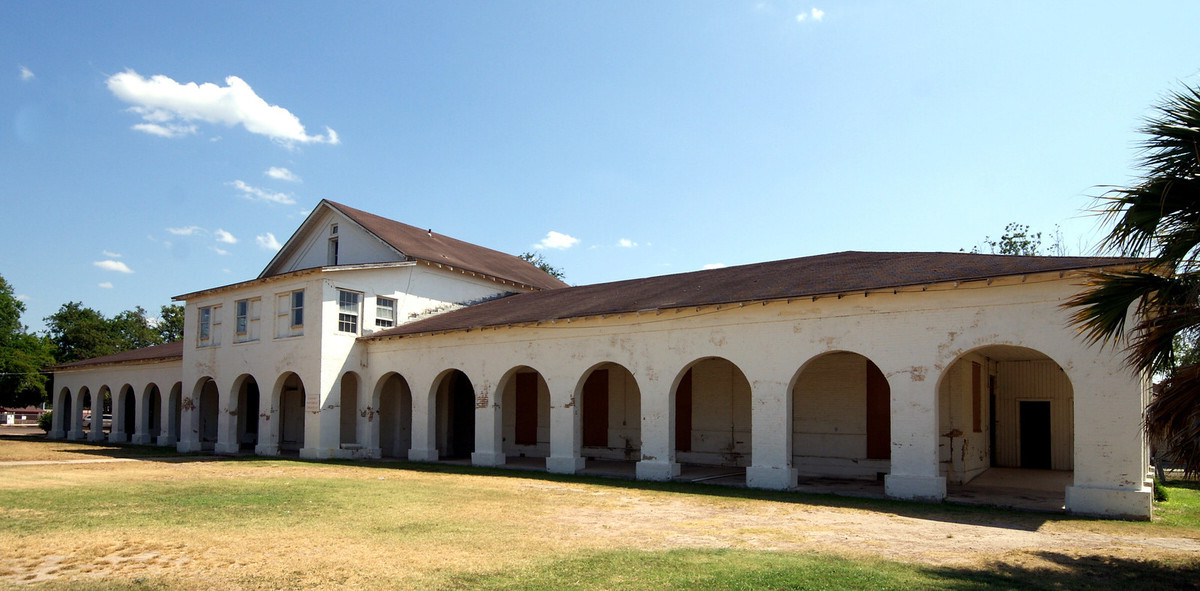
Fort Ringgold in Rio Grande City, Texas, was established in 1848 as Ringgold Barracks, after the Mexican-American War ended, so it did not play a role in that conflict. Instead, the fort served as a strategic military post during the Civil War and later conflicts. That distinction—being a peacetime garrison turned wartime staging ground—is the hidden history most visitors miss.
Today, you can walk the same grounds where soldiers drilled and guarded the Rio Grande. The old parade ground, riverbank, officer’s quarters, and guardhouse still stand, each with its own story. The cemetery and historical markers add weight to every step, while the visitor center ties it all together. No grand museum here—just weathered brick and open sky, asking you to imagine the boots that once marched this dirt.
Discovering Fort Ringgold's Historical Significance
Fort Ringgold holds a rich history as a military post. This site offers a glimpse into the past, where stories of bravery and strategy unfolded. Let's explore some key locations within this historic area.
Key Locations at Fort Ringgold
Each location at Fort Ringgold tells a unique story. These places are witnesses to history.
-
Old Parade Ground
This area served as the heart of Fort Ringgold. Soldiers once gathered here for drills and ceremonies. Imagine the sound of boots marching and flags waving in the breeze. -
Rio Grande Riverbank
The riverbank played a crucial role during conflicts. It was both a natural barrier and a strategic point. Soldiers used it for defense and transportation. -
Officer's Quarters
These buildings housed the leaders who made critical decisions. Their walls have seen countless meetings and plans that shaped the course of the fort's operations.
Exploring the Fort's Architecture
The architecture at Fort Ringgold is a testament to its historical importance. Each structure has its own story to tell.
-
Barracks
Soldiers lived and trained in these sturdy buildings. They were designed to withstand harsh weather and provide a safe haven for troops. -
Guardhouse
This small building was more than just a place to hold prisoners. It was a symbol of order and discipline within the fort. -
Hospital
The hospital was a place of healing and recovery. It played a vital role in caring for wounded soldiers during and after conflicts.
The Legacy of Fort Ringgold
Fort Ringgold's legacy extends beyond its buildings. It has left a lasting impact on the region and its people.
-
Cemetery
The cemetery is a solemn reminder of those who served and sacrificed. Each headstone tells a story of bravery and dedication. -
Historical Markers
Scattered throughout the fort, these markers provide insights into the events that took place here. They help visitors understand the significance of each location. -
Visitor Center
The visitor center offers a wealth of information about Fort Ringgold's history. It's a great starting point for anyone wanting to learn more about this fascinating site.
Reflecting on Fort Ringgold's Legacy
Fort Ringgold holds a rich tapestry of stories that paint a vivid picture of Texas' past. From its role in the Civil War to its significance during later conflicts, this site offers a unique glimpse into the struggles and triumphs of those who shaped the region. Walking through these grounds, one can almost hear the echoes of history, reminding us of the courage and resilience of those who once stood here. The preservation of Fort Ringgold ensures that future generations can learn from and appreciate this historical landmark. As you explore, take a moment to reflect on the sacrifices and victories that have defined this place. Fort Ringgold is not just a reminder of the past but a testament to the enduring spirit of Texas. It invites us to honor its legacy and continue to cherish its stories.
Related travel guides: Hidden Fort Secrets In Texas, 12 Best Spots For Photography In Burleson, Texas, and Hidden Stagecoach Stations Along Texas's Butterfield Trail.
