Hidden Indigenous Signal Sites In South Dakota’s Badlands
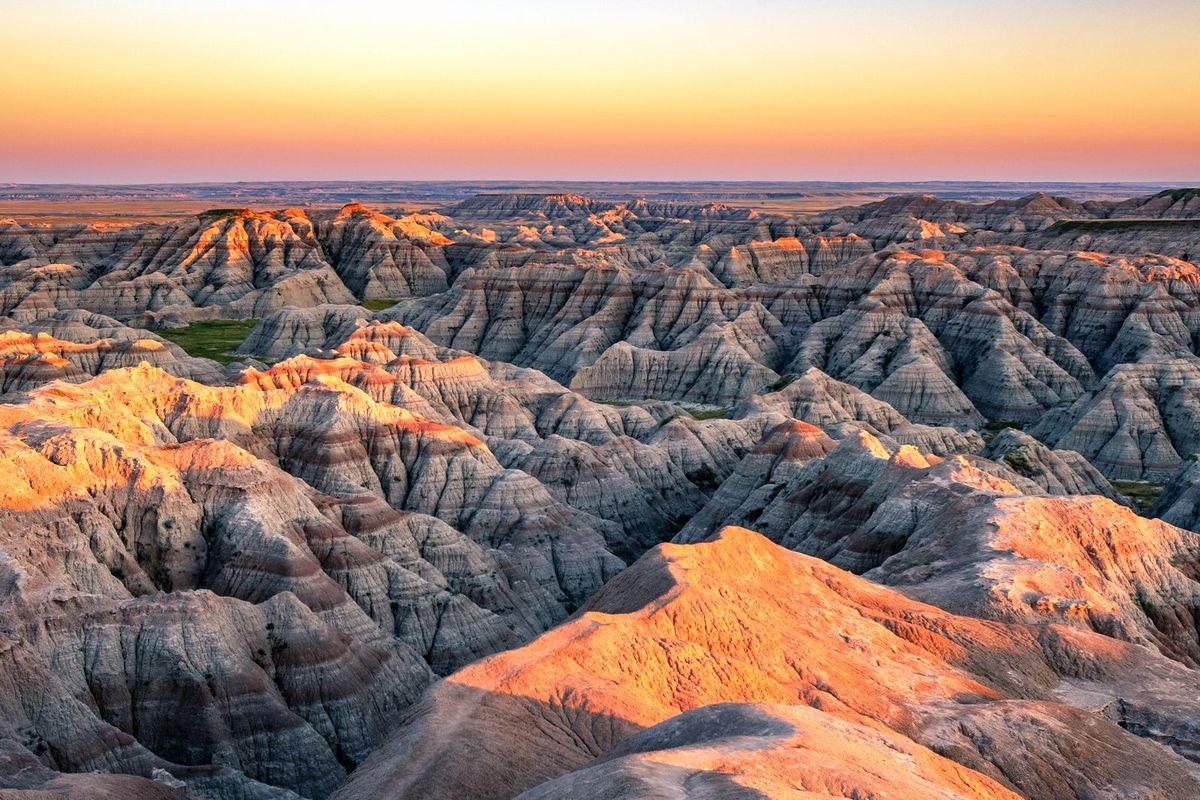
Have you ever wondered about the hidden stories of South Dakota's Badlands? This rugged landscape holds more than just stunning views. It’s home to hidden Indigenous signal sites that tell tales of ancient communication. These sites, often overlooked, were once vital for tribes to send messages across vast distances. Imagine standing where Native Americans once signaled with smoke or mirrors, connecting communities miles apart. Exploring these spots offers a glimpse into a rich history that shaped the region. Ready to uncover the secrets of the Badlands? Let’s dive into the fascinating world of these ancient signal sites.
Discovering Hidden Indigenous Signal Sites in South Dakota's Badlands
South Dakota's Badlands hold secrets of ancient civilizations. Indigenous tribes used signal sites for communication across vast distances. These sites, often overlooked, offer a glimpse into the past.
1. Sheep Mountain Table
Sheep Mountain Table stands as a testament to the ingenuity of Indigenous tribes. This elevated plateau provided a perfect vantage point for signaling.
- Panoramic Views: The height offers sweeping views of the surrounding landscape.
- Historical Significance: Artifacts found here suggest long-term use by Native Americans.
- Accessibility: A rugged trail leads to the top, making it an adventurous hike.
2. Pinnacles Overlook
Pinnacles Overlook is another prime location for ancient signaling. The unique rock formations make it a striking spot.
- Unique Rock Formations: The jagged peaks create natural markers.
- Cultural Importance: Oral histories mention this site in various tribal stories.
- Visitor Experience: Easily accessible by car, with a short walk to the overlook.
3. Bigfoot Pass
Bigfoot Pass, named after the famous Lakota leader, offers a historical and cultural journey.
- Historical Context: Named in honor of Chief Bigfoot, a significant figure in Lakota history.
- Strategic Location: Its position made it ideal for long-distance communication.
- Scenic Beauty: The pass offers stunning views of the Badlands' rugged terrain.
4. White River Valley Overlook
White River Valley Overlook provides a serene yet strategic location for signaling.
- River Views: Overlooks the White River, a vital resource for Indigenous tribes.
- Quiet Spot: Less crowded, offering a peaceful experience.
- Historical Artifacts: Archaeological finds indicate its use for signaling.
5. Conata Basin Overlook
Conata Basin Overlook offers a unique perspective on the Badlands' geological features.
- Geological Wonders: The basin's formations are both beautiful and functional for signaling.
- Cultural Stories: Local tribes have passed down stories about this site.
- Wildlife Spotting: A great place to see bison and other native animals.
6. Norbeck Pass
Norbeck Pass, named after a prominent South Dakota politician, also holds Indigenous significance.
- Historical Naming: Named after Peter Norbeck, but used by tribes long before.
- Strategic Elevation: The pass's height made it a key signaling point.
- Hiking Trails: Several trails lead through the pass, offering exploration opportunities.
7. Sage Creek Basin Overlook
Sage Creek Basin Overlook combines natural beauty with historical importance.
- Vast Basin Views: The overlook provides expansive views of Sage Creek Basin.
- Cultural Relevance: Used by tribes for both signaling and gathering.
- Remote Location: Offers a more secluded experience compared to other overlooks.
8. Burns Basin Overlook
Burns Basin Overlook offers a glimpse into the Badlands' diverse ecosystem and its historical uses.
- Diverse Ecosystem: Home to various plant and animal species.
- Historical Use: Artifacts suggest it was a significant signaling site.
- Photography Spot: Ideal for capturing the beauty of the Badlands.
9. Cedar Pass
Cedar Pass, a well-known area in the Badlands, also served as a crucial signaling site.
- Popular Destination: Frequently visited for its stunning views.
- Historical Significance: Evidence of long-term use by Indigenous tribes.
- Visitor Amenities: Nearby facilities make it a convenient stop.
10. Castle Trail
Castle Trail, the longest trail in the Badlands, offers multiple points of interest, including ancient signal sites.
- Lengthy Trail: At 10 miles, it provides a comprehensive Badlands experience.
- Multiple Sites: Several signal sites can be found along the trail.
- Hiking Challenge: Suitable for those looking for a longer, more challenging hike.
Discovering the Hidden Gems
Exploring South Dakota's Badlands reveals more than just stunning landscapes. The hidden Indigenous signal sites offer a glimpse into the rich history and culture of the Native American tribes who once thrived here. These sites, often overlooked, provide a unique connection to the past and a deeper understanding of the land's significance.
Visiting these locations not only enriches your travel experience but also supports the preservation of these important cultural landmarks. As you hike through the rugged terrain, keep an eye out for these historical markers. They tell stories of communication, survival, and community that have been passed down through generations.
Next time you plan a trip to the Badlands, make sure to include these hidden gems on your itinerary. You'll leave with a greater appreciation for the area's heritage and the people who first called it home.