

Secrets Of Pennsylvania’s Mason-Dixon Stone Markers
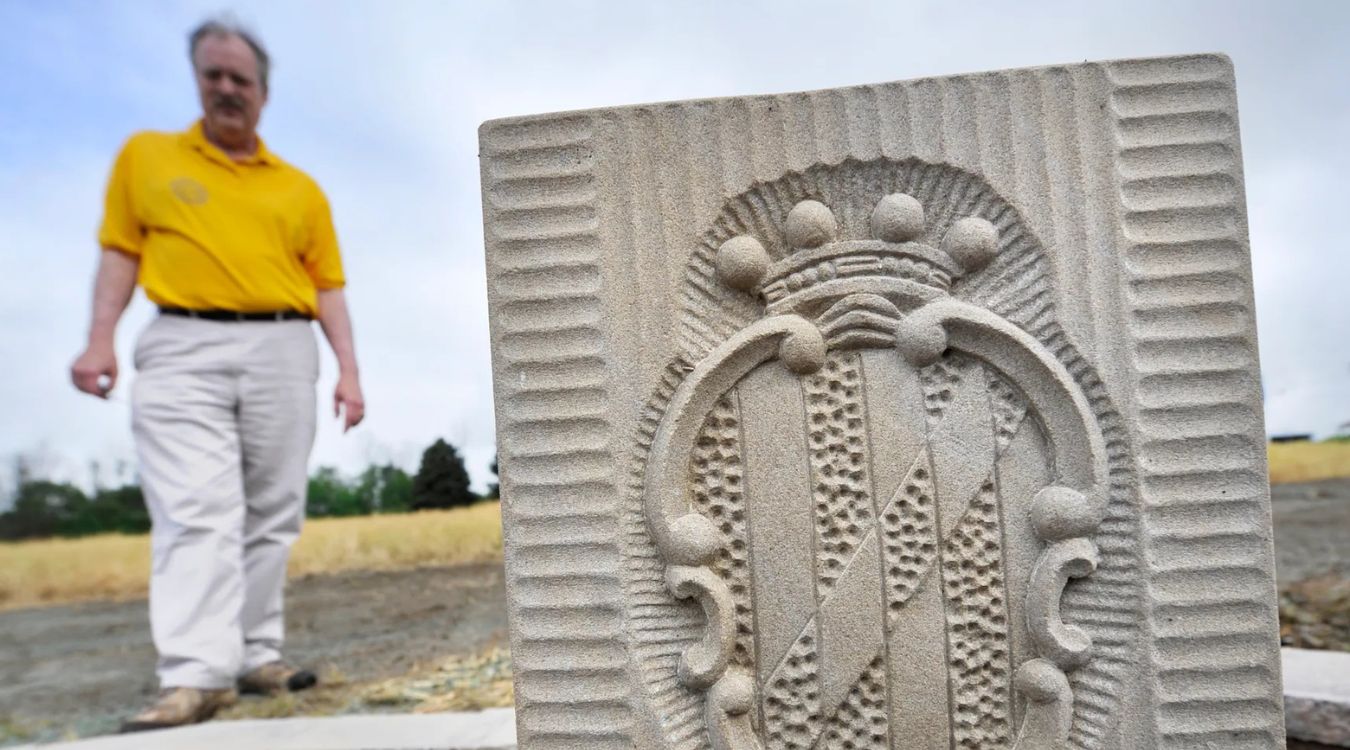
Have you ever wondered about the Mason-Dixon stone markers in Pennsylvania? These historic stones mark the boundary between Pennsylvania and Maryland. Set in place during the 1760s, they played a crucial role in settling a border dispute between the Penn and Calvert families. Each stone tells a story, with some featuring the Penn family crest on one side and the Calvert family crest on the other. Today, many of these markers still stand, offering a glimpse into colonial history. Visiting these stones can be a fascinating way to connect with the past while exploring the beautiful landscapes of Pennsylvania.
Secrets of Pennsylvania's Mason-Dixon Stone Markers
The Mason-Dixon Line, a historical boundary between Pennsylvania and Maryland, holds a fascinating story. These stone markers, placed meticulously along the line, are more than just boundary stones. They are pieces of history, each with its own tale. Let's uncover the secrets of some of these markers.
The Starting Point: The Initial Point Marker
- Initial Point Marker
This is where it all began. Located in the southwestern corner of Delaware, this marker is the starting point for the Mason-Dixon Line. It’s a simple stone, yet it marks the beginning of a monumental surveying project that would define the borders of several states.
The Crown Jewels: Crownstones
Crownstone at Mile 15
Crownstones are special markers placed every five miles along the Mason-Dixon Line. The Crownstone at Mile 15, located near Newark, Delaware, is one of the most well-preserved. It features the coats of arms of the Penn and Calvert families, symbolizing the agreement between the two.Crownstone at Mile 40
Another notable Crownstone is at Mile 40, near Rising Sun, Maryland. This marker stands out for its detailed carvings and historical significance. It’s a testament to the craftsmanship of the surveyors and the importance of the boundary.
The Mile Markers: Ordinary Stones with Extraordinary Stories
Mile Marker 19
Found near the town of Oxford, Pennsylvania, Mile Marker 19 is a simple stone with the letter "P" on one side and "M" on the other. It’s a reminder of the painstaking work that went into marking each mile of the line.Mile Marker 81
Located in the rural area of Fulton County, Pennsylvania, Mile Marker 81 is one of the more remote markers. Its isolation adds to its mystique, making it a hidden gem for history buffs.
The End of the Line: The Western Terminus
- Western Terminus Marker
The Mason-Dixon Line ends at the southwestern corner of Pennsylvania. The Western Terminus Marker, located near the town of Mount Morris, is the final stone in this historic line. It marks the end of a journey that started hundreds of miles away.
The Hidden Gems: Lesser-Known Markers
Mile Marker 52
Tucked away in a wooded area near the town of Delta, Pennsylvania, Mile Marker 52 is often overlooked. Its secluded location makes it a quiet spot to reflect on the history of the Mason-Dixon Line.Mile Marker 100
This marker, located near the town of Waynesboro, Pennsylvania, is significant for being the 100th mile marker. It’s a milestone in the truest sense, representing a century of miles surveyed and marked.
The Stories They Tell
Each of these markers tells a story of determination, craftsmanship, and history. They are more than just stones; they are symbols of a time when borders were being defined and history was being made. Visiting these markers is like stepping back in time, to an era when surveyors braved the wilderness to create the boundaries we know today.
The Legacy of Mason-Dixon Stone Markers
Mason-Dixon stone markers are more than just boundary stones. They represent a significant piece of American history. These markers tell stories of colonial disputes, scientific advancements, and the quest for precision. Visiting these markers offers a tangible connection to the past. You can see firsthand the craftsmanship and effort that went into creating these historical landmarks. Exploring these stones can be a unique way to learn about the history of Pennsylvania and the broader United States. Whether you're a history buff or just curious, the Mason-Dixon markers provide a fascinating glimpse into the past. So next time you're in Pennsylvania, take a moment to appreciate these remarkable stones. They stand as silent witnesses to the history that shaped the nation.
