Secrets Of New Mexico’s Chaco Basin Trading Posts
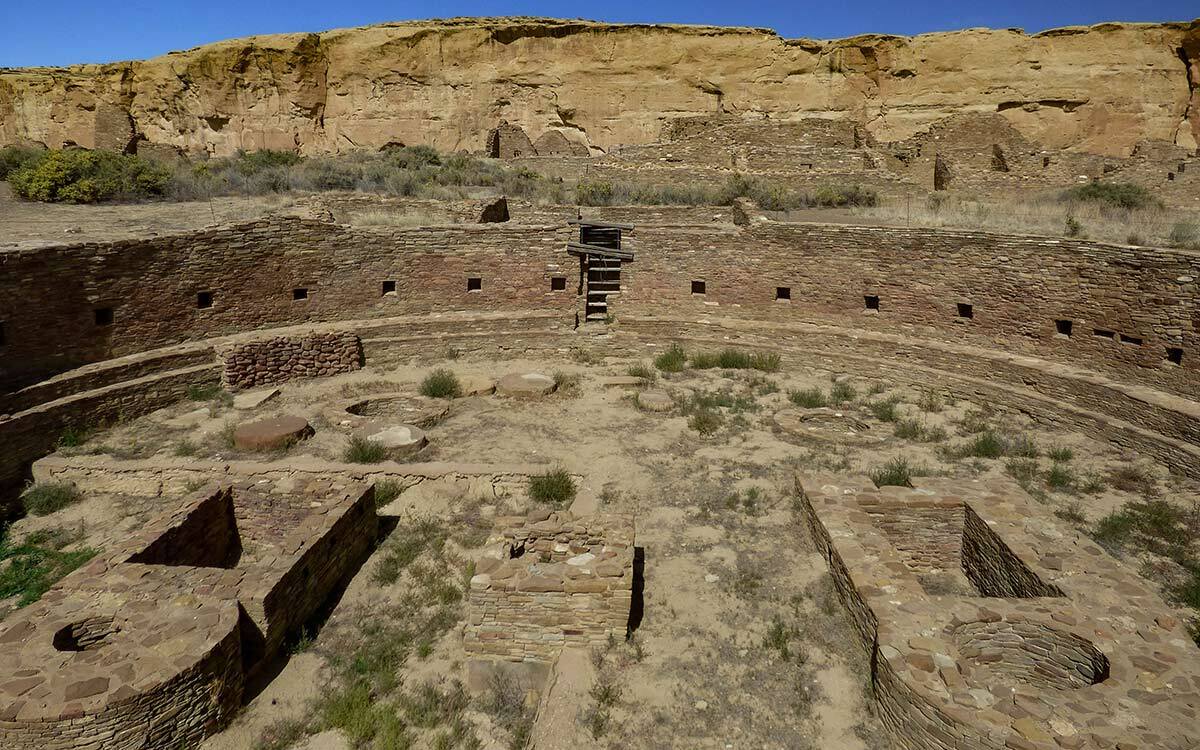
Have you ever wondered about the hidden gems of New Mexico? The Chaco Basin Trading Posts offer a glimpse into the rich history and culture of the region. These trading posts were once bustling hubs where Native Americans and settlers exchanged goods, stories, and traditions. Today, they stand as fascinating relics of the past, waiting for curious travelers to explore. Imagine walking through ancient ruins, feeling the whispers of history in the air. Whether you're a history buff or just looking for a unique adventure, the Chaco Basin Trading Posts provide an unforgettable experience. Ready to step back in time? Let's dive into the secrets of these remarkable sites.
Discovering the Chaco Basin Trading Posts
New Mexico's Chaco Basin holds a treasure trove of ancient trading posts. These sites offer a glimpse into the vibrant culture and commerce of the Ancestral Puebloans. Let's explore some of the most fascinating trading posts in this historic region.
1. Pueblo Bonito
Pueblo Bonito stands as the largest and most famous of the Chaco Canyon great houses. This massive structure, with over 600 rooms, served as a central hub for trade and ceremonies.
- Historical Significance: Pueblo Bonito was a key player in the Chacoan network, facilitating trade across vast distances.
- Architectural Marvel: The intricate masonry and multi-storied buildings showcase advanced engineering skills.
- Artifacts: Discover pottery, turquoise, and other artifacts that highlight the trade connections with distant regions.
2. Chetro Ketl
Chetro Ketl, another grand house in Chaco Canyon, offers a unique perspective on the trading practices of the Ancestral Puebloans.
- Size and Scale: Covering over 3 acres, Chetro Ketl is one of the largest structures in the canyon.
- Kivas: The presence of numerous kivas suggests a strong ceremonial aspect tied to trade.
- Trade Goods: Items like macaw feathers and copper bells indicate extensive trade networks.
3. Kin Kletso
Kin Kletso, meaning "Yellow House," provides insight into the later period of Chacoan culture.
- Construction Style: Built in the McElmo style, Kin Kletso reflects a shift in architectural techniques.
- Trade Routes: Its strategic location hints at its role in facilitating trade between Chaco and other regions.
- Artifacts: Tools and pottery found here reveal connections with both local and distant communities.
4. Casa Rinconada
Casa Rinconada, though primarily a ceremonial kiva, played a significant role in the Chacoan trade network.
- Great Kiva: One of the largest kivas in the Southwest, it served as a focal point for gatherings and trade.
- Cultural Exchange: The design and artifacts suggest influences from various cultures.
- Trade Items: Evidence of exotic goods like seashells and turquoise highlight its importance in trade.
5. Una Vida
Una Vida, one of the earliest great houses, offers a glimpse into the beginnings of Chacoan trade.
- Early Architecture: The simpler construction style reflects the early stages of Chacoan development.
- Trade Evidence: Artifacts like pottery shards and stone tools indicate early trade activities.
- Cultural Insights: The layout and artifacts provide clues about the evolving trade practices.
6. Hungo Pavi
Hungo Pavi, though less excavated, holds secrets about the Chacoan trade network.
- Unexcavated Potential: Much of Hungo Pavi remains unexplored, promising future discoveries.
- Trade Connections: Preliminary findings suggest it was a significant trade hub.
- Artifacts: Items like pottery and tools hint at its role in the Chacoan economy.
7. Wijiji
Wijiji, a smaller great house, offers a unique perspective on Chacoan trade and daily life.
- Compact Design: Its smaller size contrasts with the larger great houses, yet it played a vital role.
- Trade Artifacts: Discoveries include pottery and tools that reveal trade connections.
- Cultural Significance: The layout and artifacts provide insights into the daily lives of its inhabitants.
8. Pueblo del Arroyo
Pueblo del Arroyo, located near Pueblo Bonito, offers a different architectural style and trade insights.
- Distinct Architecture: Its unique design sets it apart from other great houses.
- Trade Evidence: Artifacts like turquoise and pottery highlight its role in trade.
- Cultural Exchange: The presence of diverse artifacts suggests interactions with various cultures.
9. Kin Nahasbas
Kin Nahasbas, though smaller, played a crucial role in the Chacoan trade network.
- Strategic Location: Its position suggests it was a key stop along trade routes.
- Artifacts: Items like pottery and stone tools reveal trade connections.
- Cultural Insights: The layout and artifacts provide a glimpse into the daily lives of its inhabitants.
10. Peñasco Blanco
Peñasco Blanco, perched on a high mesa, offers stunning views and trade insights.
- Panoramic Views: Its location provides a strategic vantage point for monitoring trade routes.
- Trade Artifacts: Discoveries include pottery, tools, and other trade goods.
- Cultural Significance: The artifacts and location highlight its importance in the Chacoan network.
Discovering Chaco Basin's Rich History
Chaco Basin's trading posts offer a unique glimpse into New Mexico's past. These sites reveal the intricate networks of trade and culture that once thrived here. Visiting these historic spots, you can almost feel the bustling activity of traders exchanging goods and stories. The ancient ruins, petroglyphs, and artifacts tell tales of a vibrant community deeply connected to its surroundings. Exploring Chaco Basin isn't just about seeing old structures; it's about understanding the lives of the people who built them. Their legacy continues to inspire and educate visitors today. Whether you're a history buff or just curious, Chaco Basin's trading posts provide a fascinating journey through time. So, pack your bags, grab a map, and set out to uncover the secrets of this remarkable region. You'll leave with a deeper appreciation for New Mexico's rich cultural heritage.