

Secrets Of Chaco Canyon’s Sacred Site Preservation Projects
Have you ever wondered how ancient sites like Chaco Canyon remain so well-preserved? Chaco Canyon's sacred site preservation projects are a blend of modern science and traditional knowledge. This unique approach helps protect the canyon's rich history and cultural significance. Experts use advanced technology to monitor the condition of the ruins, while also respecting the wisdom passed down through generations. These efforts ensure that future visitors can experience the awe of Chaco Canyon just as people did centuries ago. Curious about the techniques and stories behind these preservation projects? Let's take a closer look at how this incredible site stays intact.
Secrets of Chaco Canyon's Sacred Site Preservation Projects
Chaco Canyon, located in northwestern New Mexico, is a place of immense historical and cultural significance. This ancient site, once a major center of Ancestral Puebloan culture, is now a focus of numerous preservation efforts. These projects aim to protect and maintain the integrity of Chaco Canyon's sacred sites. Let's explore some of the key preservation projects that are helping to safeguard this invaluable heritage.
Stabilizing Ancient Structures
Preserving the ancient structures of Chaco Canyon is a top priority. These buildings, constructed over a thousand years ago, require constant care to prevent deterioration.
Pueblo Bonito: The largest and most famous of Chaco Canyon's great houses, Pueblo Bonito, is a focal point for stabilization efforts. Preservationists work to reinforce its walls and protect it from erosion.
Chetro Ketl: Another significant great house, Chetro Ketl, undergoes regular maintenance to ensure its stability. Efforts include repairing masonry and managing water drainage to prevent damage.
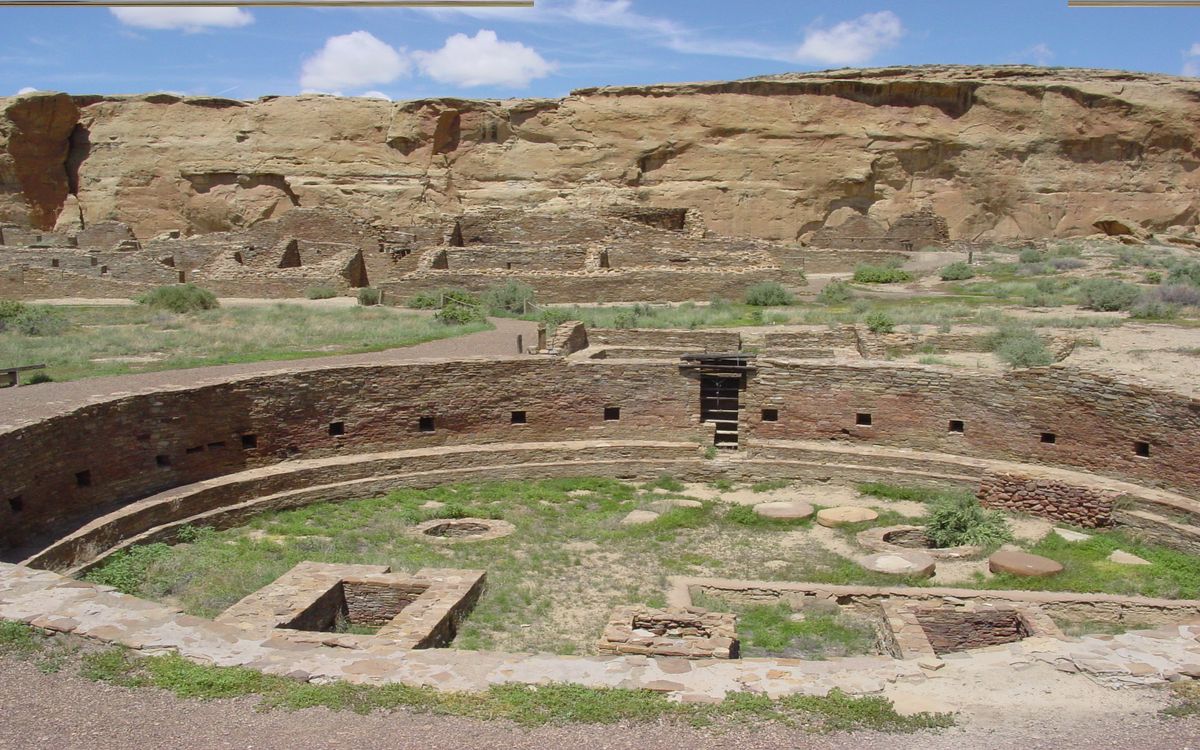
Casa Rinconada: This large kiva, or ceremonial structure, is crucial to understanding Chacoan culture. Preservation projects focus on maintaining its unique architectural features and preventing structural collapse.
Protecting Cultural Landscapes
The landscape of Chaco Canyon is as important as its buildings. Preservation projects aim to protect the natural environment that surrounds these ancient structures.
Chacoan Roads: These ancient roads, which connect Chaco Canyon to other sites, are vital to understanding the region's history. Preservation efforts include mapping and protecting these roads from modern development.
Petroglyphs and Pictographs: The canyon walls are adorned with ancient rock art. Projects focus on documenting and preserving these images, which provide insights into the beliefs and practices of the Ancestral Puebloans.
Sacred Sites: Many areas within Chaco Canyon hold spiritual significance for modern Pueblo peoples. Preservation projects work closely with these communities to protect and respect these sacred sites.
Engaging the Community
Community involvement is essential for the success of preservation projects. Engaging local and indigenous communities ensures that preservation efforts are respectful and effective.
Educational Programs: Programs aimed at educating the public about Chaco Canyon's significance help foster a sense of stewardship. These include guided tours, workshops, and school programs.
Collaborations with Indigenous Groups: Working with modern Pueblo peoples ensures that preservation efforts honor their cultural heritage. Collaborative projects include traditional ceremonies and consultations on preservation strategies.
Volunteer Opportunities: Volunteers play a crucial role in preservation efforts. Opportunities range from participating in archaeological digs to helping with maintenance projects.
Utilizing Modern Technology
Modern technology plays a significant role in preserving Chaco Canyon. Advanced techniques help monitor and protect the site more effectively.
3D Scanning: High-resolution 3D scanning creates detailed models of Chaco Canyon's structures. These models aid in monitoring changes and planning preservation strategies.
Drones: Drones provide aerial views of the canyon, helping to identify areas in need of attention. They also assist in mapping and documenting the site.
Climate Monitoring: Climate data helps predict and mitigate the effects of weather on Chaco Canyon. Monitoring systems track temperature, humidity, and precipitation to inform preservation efforts.
Promoting Sustainable Tourism
Sustainable tourism ensures that visitors can enjoy Chaco Canyon without harming its delicate environment. Preservation projects include measures to manage tourism responsibly.
Visitor Education: Informing visitors about the importance of preservation helps minimize their impact. Educational materials and signage encourage respectful behavior.
Controlled Access: Limiting access to certain areas helps protect sensitive sites. Controlled access measures include designated pathways and restricted zones.
Eco-friendly Facilities: Sustainable facilities, such as composting toilets and solar-powered amenities, reduce the environmental impact of tourism. These initiatives help preserve Chaco Canyon for future generations.
Preserving Chaco Canyon's Legacy
Chaco Canyon's preservation efforts are crucial for maintaining its rich history and cultural significance. Protecting these sacred sites ensures future generations can learn from and appreciate the ancient Puebloan civilization. The collaborative work of archaeologists, local communities, and government agencies plays a vital role in safeguarding this heritage. By supporting these initiatives, we contribute to the ongoing study and conservation of Chaco Canyon. Visiting the site responsibly and spreading awareness about its importance can help sustain these efforts. Chaco Canyon is not just a historical landmark; it is a testament to human ingenuity and resilience. Preserving it allows us to honor the past while inspiring future generations to value and protect our shared cultural heritage. Let's continue to support and advocate for the preservation of Chaco Canyon's sacred sites.
