

Hidden Railroad Safety Tech At Nebraska’s Union Pacific Railroad Museum
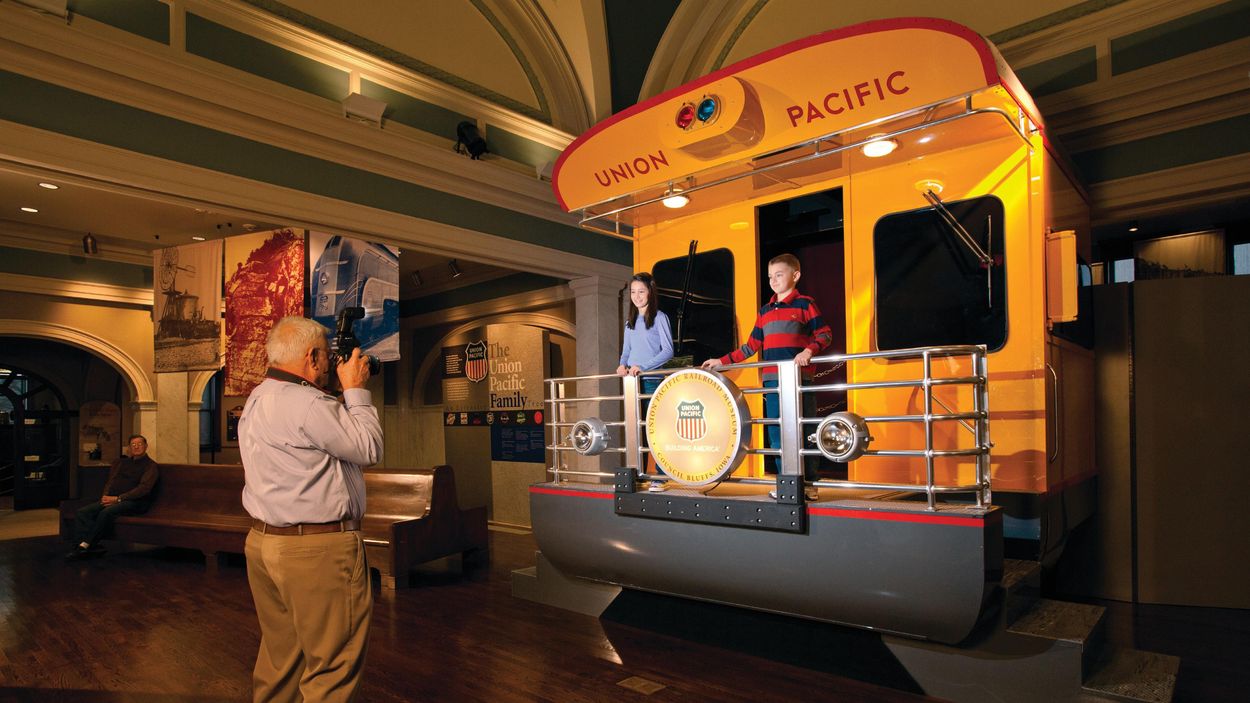
Have you ever wondered how railroads stay safe? Hidden away in Nebraska, the Union Pacific Railroad Museum holds secrets about the technology that keeps trains on track and passengers secure. This museum isn't just about old trains and history; it showcases the cutting-edge tech used to monitor and maintain railroad safety. From advanced signaling systems to modern tracking devices, the museum reveals the unseen heroes of rail travel. Whether you're a train enthusiast or just curious about how things work, a visit to this museum offers a fascinating peek into the world of railroad safety. Ready to learn more? Let's dive in!
Hidden Railroad Safety Tech at Nebraska's Union Pacific Railroad Museum
Nebraska's Union Pacific Railroad Museum holds a treasure trove of hidden gems showcasing the evolution of railroad safety technology. From the early days of steam engines to the modern era of high-speed trains, the museum offers a fascinating glimpse into the innovations that have kept railroads safe over the years. Let's dive into some of the most intriguing exhibits.
Early Warning Systems
Before the advent of modern electronics, railroads relied on mechanical and manual systems to ensure safety. These early warning systems were crucial in preventing accidents and ensuring smooth operations.
Semaphore Signals: These mechanical arms, controlled by levers, indicated whether a train could proceed or needed to stop. They were the backbone of early railroad signaling.
Telegraph Machines: Used for communication between stations, telegraph machines allowed for real-time updates on train locations and schedules, reducing the risk of collisions.
Track Torpedoes: Small explosive devices placed on the tracks to warn train crews of danger ahead. When a train ran over them, they produced a loud bang, alerting the crew to slow down or stop.
Innovations in Train Control
As technology advanced, so did the methods for controlling trains and ensuring their safe operation. The museum showcases several key innovations in this area.
Automatic Block Signaling (ABS): Introduced in the early 20th century, ABS used electrical circuits to detect train presence and control signals automatically, reducing human error.
Centralized Traffic Control (CTC): This system allowed a single operator to control multiple train movements from a central location, improving efficiency and safety.
Positive Train Control (PTC): A modern safety system that uses GPS, wireless communication, and onboard computers to monitor train positions and speeds, preventing accidents caused by human error.
Safety Equipment for Crews
Ensuring the safety of train crews has always been a priority. The museum features a variety of equipment designed to protect those working on the railroads.
Early Safety Lanterns: These lanterns were essential for night operations, allowing crew members to signal each other and communicate effectively in low-light conditions.
Protective Clothing: From heavy-duty gloves to fire-resistant uniforms, the evolution of protective clothing highlights the ongoing efforts to keep railroad workers safe.
First Aid Kits: Early first aid kits were basic but essential, providing immediate medical assistance in case of accidents or injuries on the job.
Modern Safety Innovations
The museum also highlights the latest advancements in railroad safety technology, showcasing how far we've come in ensuring the safety of trains, crews, and passengers.
Derailment Detectors: These devices monitor track conditions and detect potential derailments before they happen, allowing for quick intervention.
Hot Box Detectors: Installed along the tracks, these detectors use infrared sensors to identify overheated wheel bearings, preventing potential accidents caused by equipment failure.
Drone Surveillance: Modern railroads use drones to inspect tracks, bridges, and other infrastructure, providing a bird's-eye view and identifying issues that might be missed during ground inspections.
Educational Programs and Interactive Exhibits
The museum isn't just about static displays; it also offers educational programs and interactive exhibits that bring railroad safety technology to life.
Simulator Rides: Experience what it's like to operate a train with state-of-the-art simulators that mimic real-life scenarios and teach the importance of safety protocols.
Interactive Displays: Hands-on exhibits allow visitors to explore the mechanics of safety devices and understand their importance in railroad operations.
Educational Workshops: These workshops provide in-depth knowledge about railroad safety, offering a deeper understanding of the technologies and practices that keep trains running safely.
Nebraska's Union Pacific Railroad Museum is a must-visit for anyone interested in the history and evolution of railroad safety technology. Each exhibit tells a story of innovation and dedication to keeping the rails safe for everyone.
Why You Should Visit the Union Pacific Railroad Museum
Visiting the Union Pacific Railroad Museum in Nebraska offers a unique glimpse into the hidden world of railroad safety technology. You'll see how innovations have evolved over the years to keep trains running smoothly and safely. The museum's exhibits showcase everything from early warning systems to modern-day advancements, making it a fascinating stop for history buffs and tech enthusiasts alike.
Learning about these technologies helps you appreciate the complexities involved in rail travel. It also highlights the importance of ongoing innovation in keeping our railways safe. Whether you're a local or just passing through, this museum provides an educational and engaging experience.
Don't miss the chance to explore this hidden gem. It's a great way to spend a day, gain some knowledge, and maybe even spark a new interest in the world of railroads.
