Secrets Of Montana’s Yellowstone River Otter Dens
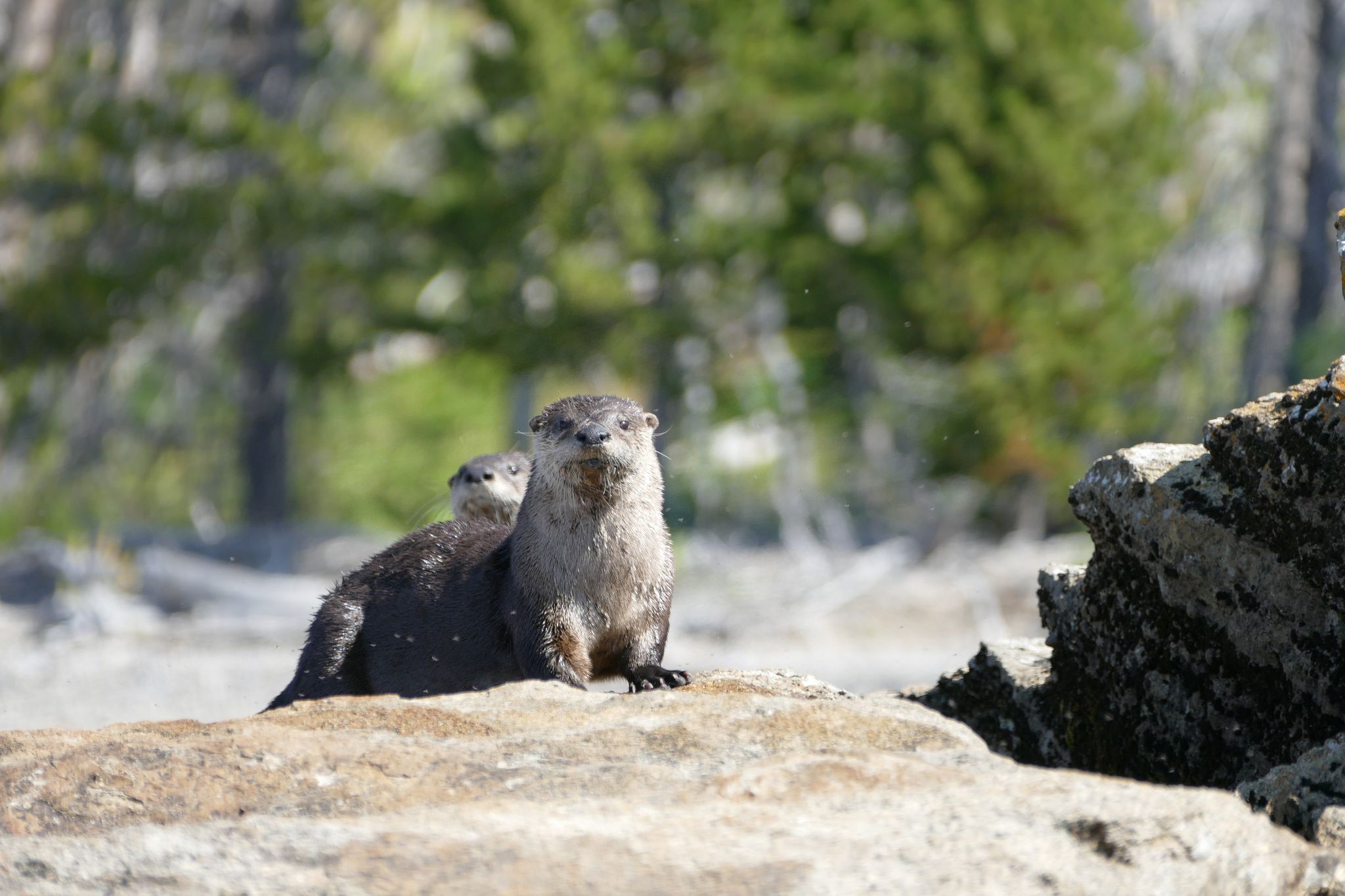
Have you ever wondered where river otters make their homes? In Montana, the Yellowstone River offers a perfect habitat for these playful creatures. River otters build their dens along the riverbanks, often using abandoned burrows or natural cavities. These dens provide safety from predators and a cozy spot to rest. The Yellowstone River, with its clean water and abundant fish, creates an ideal environment for otters to thrive. Watching them play and swim can be a delightful experience for nature lovers. Ready to learn more about these fascinating animals and their homes? Let's dive into the secrets of Montana's Yellowstone River otter dens.
Secrets of Montana's Yellowstone River Otter Dens
Montana's Yellowstone River is a haven for wildlife enthusiasts. Among its many treasures, the river otters stand out. These playful creatures have made their homes along the riverbanks, creating intricate dens. Let's dive into the secrets of these otter dens and where you can find them.
Prime Otter Den Locations
The Yellowstone River stretches over 692 miles, offering numerous spots where otters have built their dens. Here are some prime locations to witness these fascinating habitats.
Gardiner
- Located at the northern entrance of Yellowstone National Park, Gardiner is a hotspot for otter activity. The riverbanks here are dotted with dens, often hidden among the rocks and vegetation. Early mornings or late afternoons are the best times to spot otters playing or fishing.
Paradise Valley
- This picturesque valley lives up to its name, offering stunning views and abundant wildlife. Otters have made their homes along the river's edge, particularly near the quieter, less disturbed areas. A leisurely float down the river can reveal several dens tucked away in the banks.
Livingston
- Just a short drive from Paradise Valley, Livingston is another excellent spot for otter watching. The town's proximity to the river means you can often see otters right from the riverwalk. Look for dens near the shallower parts of the river where otters can easily access fish.
Lesser-Known Otter Den Spots
While the popular spots are great, sometimes the lesser-known areas offer the most rewarding experiences. Here are a few hidden gems where otters have been known to build their dens.
Emigrant
- A small community in the heart of Paradise Valley, Emigrant offers a quieter, more secluded experience. The riverbanks here are less trafficked, making it a perfect spot for otters to build their dens. Keep an eye out for telltale signs like slides and tracks near the water.
Big Timber
- Located further downstream, Big Timber is a charming town with a rich history. The river here is wider and slower, providing ideal conditions for otters. Look for dens near the bends in the river where the water is calmer and food is plentiful.
Reed Point
- This tiny town may be off the beaten path, but it's a hidden treasure for otter enthusiasts. The riverbanks around Reed Point are dotted with willow trees and other vegetation, providing perfect cover for otter dens. A quiet walk along the river can often reveal these secretive homes.
Tips for Spotting Otter Dens
Finding otter dens can be a bit of a challenge, but with a few tips, you'll increase your chances of success.
- Look for Slides: Otters often create slides down riverbanks, which they use to enter the water. These slides can be a good indicator of a nearby den.
- Check for Tracks: Otter tracks are distinctive, with webbed feet and claw marks. Look for these tracks near the water's edge.
- Listen for Sounds: Otters are vocal animals. Listen for chirps, whistles, and other sounds that might indicate their presence.
- Be Patient: Otters are shy and elusive. Spend time quietly observing the riverbanks, and you might be rewarded with a sighting.
Best Times to Visit
Timing is everything when it comes to spotting otters. Here are the best times to plan your visit.
Early Morning
- Otters are most active during the early morning hours. The calm and quiet of dawn make it an ideal time to spot them fishing or playing near their dens.
Late Afternoon
- As the day cools down, otters become more active again. Late afternoon offers another prime opportunity to see them in action.
Winter Months
- While it might be colder, winter can be a great time to spot otters. The lack of foliage makes it easier to see their dens, and the otters' playful antics in the snow are a delight to watch.
Montana's Yellowstone River is a treasure trove of wildlife, and the otter dens are one of its hidden gems. Whether you're a seasoned wildlife enthusiast or a curious traveler, these spots offer a glimpse into the secretive world of river otters. Happy otter spotting!
Embracing the Wonders of Yellowstone River Otters
Yellowstone River otters offer a glimpse into nature's wonders. Their playful antics, intricate dens, and social behaviors make them fascinating creatures. Visiting Montana provides a unique opportunity to observe these animals in their natural habitat. Remember to respect their space and follow guidelines to ensure their safety and yours. Whether you're an avid wildlife enthusiast or just curious, the experience of seeing otters in the wild is unforgettable. Plan your trip, bring your camera, and prepare to be amazed by the beauty and charm of Yellowstone's river otters. This adventure not only enriches your understanding of wildlife but also fosters a deeper appreciation for the delicate balance of nature. So, pack your bags, head to Montana, and let the otters show you a world of wonder.