

Secrets Of Montana’s Missouri River Trading Posts
Have you ever wondered about the hidden history along Montana's Missouri River? This river isn't just a natural wonder; it's a historical treasure. Missouri River trading posts played a crucial role in shaping the region's history. These posts were bustling hubs of commerce and culture, where trappers, traders, and Native American tribes exchanged goods and stories. Imagine the vibrant scenes of bartering furs for tools or sharing tales by the fire. Today, you can still visit some of these historic sites and get a glimpse into the past. Ready to learn more about these fascinating trading posts? Let's dive in!
Secrets of Montana's Missouri River Trading Posts
Montana's Missouri River is a treasure trove of history. Trading posts along this river played a crucial role in the fur trade, serving as bustling hubs of commerce and culture. Let's dive into some of the most fascinating trading posts that once thrived along this mighty river.
Fort Benton: The Birthplace of Montana
Fort Benton, often called the "Birthplace of Montana," was a key trading post on the Missouri River. Established in 1846, it quickly became a bustling center for trade and transport.
- Historic Significance: Fort Benton was the last stop for steamboats traveling up the Missouri River, making it a vital link between the East and the untamed West.
- Cultural Melting Pot: Traders, trappers, Native Americans, and settlers all converged here, creating a vibrant mix of cultures and traditions.
- Modern-Day Fort Benton: Today, visitors can explore the Fort Benton Museum of the Upper Missouri, which offers a glimpse into the past with its extensive collection of artifacts and exhibits.
Fort Union: A Hub of the Fur Trade
Fort Union, located near the confluence of the Missouri and Yellowstone Rivers, was one of the most important fur trading posts in the region. Established in 1828, it served as a major trading center for nearly 40 years.
- Strategic Location: Its position at the meeting point of two major rivers made it an ideal spot for trade with various Native American tribes.
- Economic Powerhouse: Fort Union was a bustling hub where beaver pelts, buffalo robes, and other goods were exchanged.
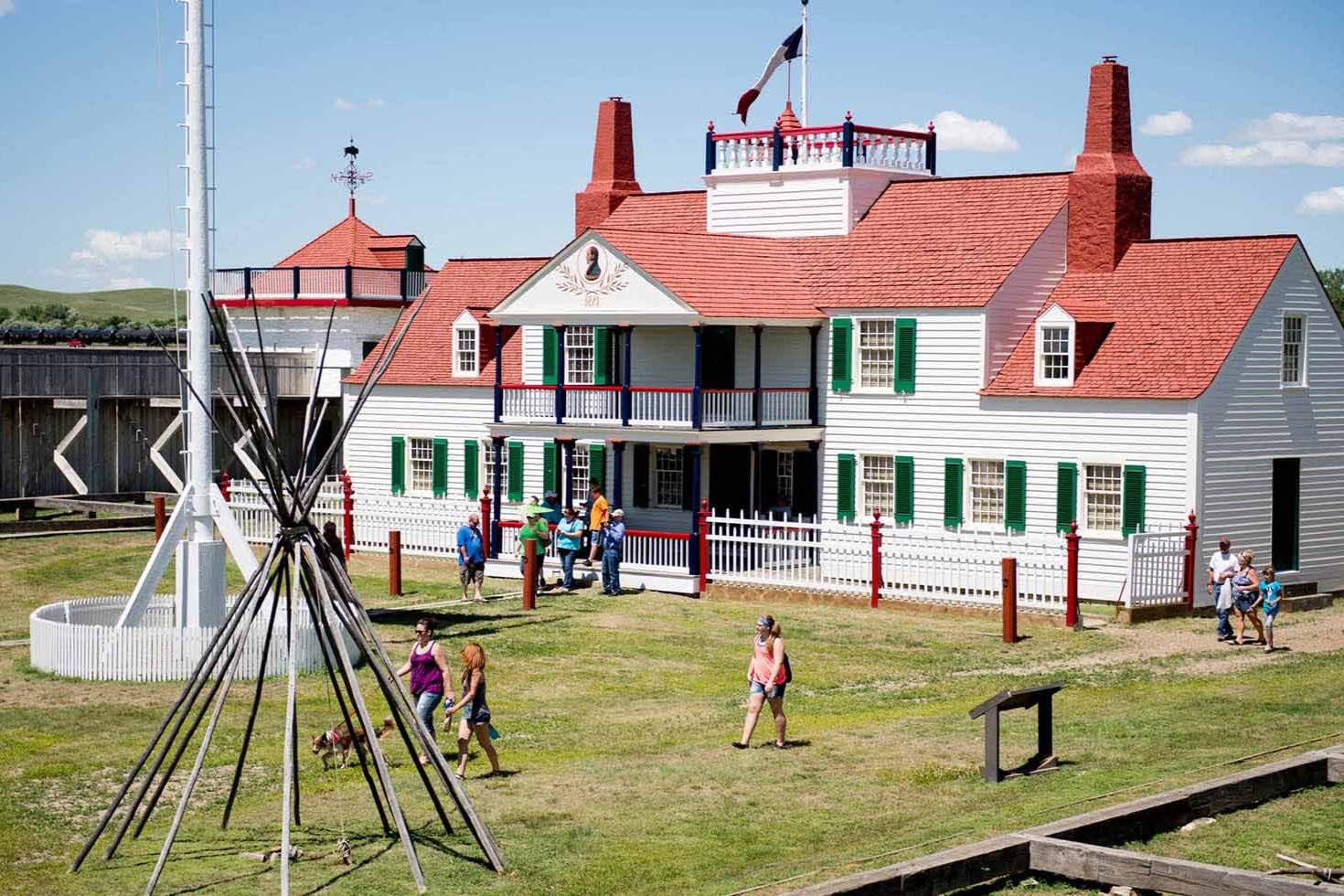
- Reconstructed Fort: Today, visitors can explore a reconstructed version of Fort Union, complete with period-accurate buildings and informative displays.
Fort Peck: A Gateway to the West
Fort Peck, established in 1867, was another significant trading post along the Missouri River. It played a crucial role in the westward expansion of the United States.
- Military Presence: Unlike other trading posts, Fort Peck had a strong military presence, which helped protect settlers and traders from potential threats.
- Economic Impact: The fort facilitated trade and commerce, contributing to the economic growth of the region.
- Fort Peck Dam: Today, the site is home to the Fort Peck Dam, one of the largest earth-filled dams in the world, which offers recreational opportunities and stunning views.
Fort Piegan: A Short-Lived Outpost
Fort Piegan, established in 1831, had a brief but impactful existence. It was one of the earliest trading posts in the region, though it was abandoned after just a few years.
- Early Beginnings: Fort Piegan was one of the first attempts to establish a trading post in the upper Missouri River region.
- Challenges and Conflicts: The fort faced numerous challenges, including conflicts with Native American tribes and harsh weather conditions.
- Legacy: Despite its short life, Fort Piegan paved the way for future trading posts and settlements in the area.
Fort McKenzie: A Center of Trade and Diplomacy
Fort McKenzie, established in 1833, was a key trading post and diplomatic center. It played a significant role in fostering relationships between traders and Native American tribes.
- Diplomatic Efforts: Fort McKenzie was known for its efforts to maintain peaceful relations with local tribes, which was crucial for successful trade.
- Economic Activity: The fort was a bustling center of commerce, where goods like furs, tools, and food were exchanged.
- Historical Site: Although the original fort no longer stands, the site remains an important historical landmark, offering insights into the region's past.
Fort Manuel: A Tragic Tale
Fort Manuel, established in 1812, has a tragic history. It was one of the earliest trading posts on the Missouri River, but it was also the site of a devastating attack.
- Early Establishment: Fort Manuel was one of the first trading posts in the region, established to facilitate trade with Native American tribes.
- Tragic Attack: In 1813, the fort was attacked by a group of Arikara warriors, resulting in the deaths of many traders and the abandonment of the post.
- Historical Impact: The tragedy at Fort Manuel highlighted the dangers and challenges faced by early traders and settlers in the region.
Montana's Missouri River Trading Posts: A Glimpse into History
Montana's Missouri River trading posts offer a unique peek into the past. These historic sites tell stories of early traders, Native American tribes, and the fur trade era. Visiting these posts, like Fort Benton and Fort Union, provides a tangible connection to history. The preserved buildings and artifacts help visitors understand the challenges and triumphs of those who lived and worked there.
Exploring these trading posts is not just about learning history. It's also about experiencing the stunning landscapes of Montana. The river, the plains, and the big sky all add to the adventure. Whether you're a history buff or just looking for a unique travel experience, Montana's Missouri River trading posts are worth the trip. They remind us of a time when the frontier was wild and full of possibilities.
