

Secrets Of Montana’s Carroll Trail Stagecoach Station Sites
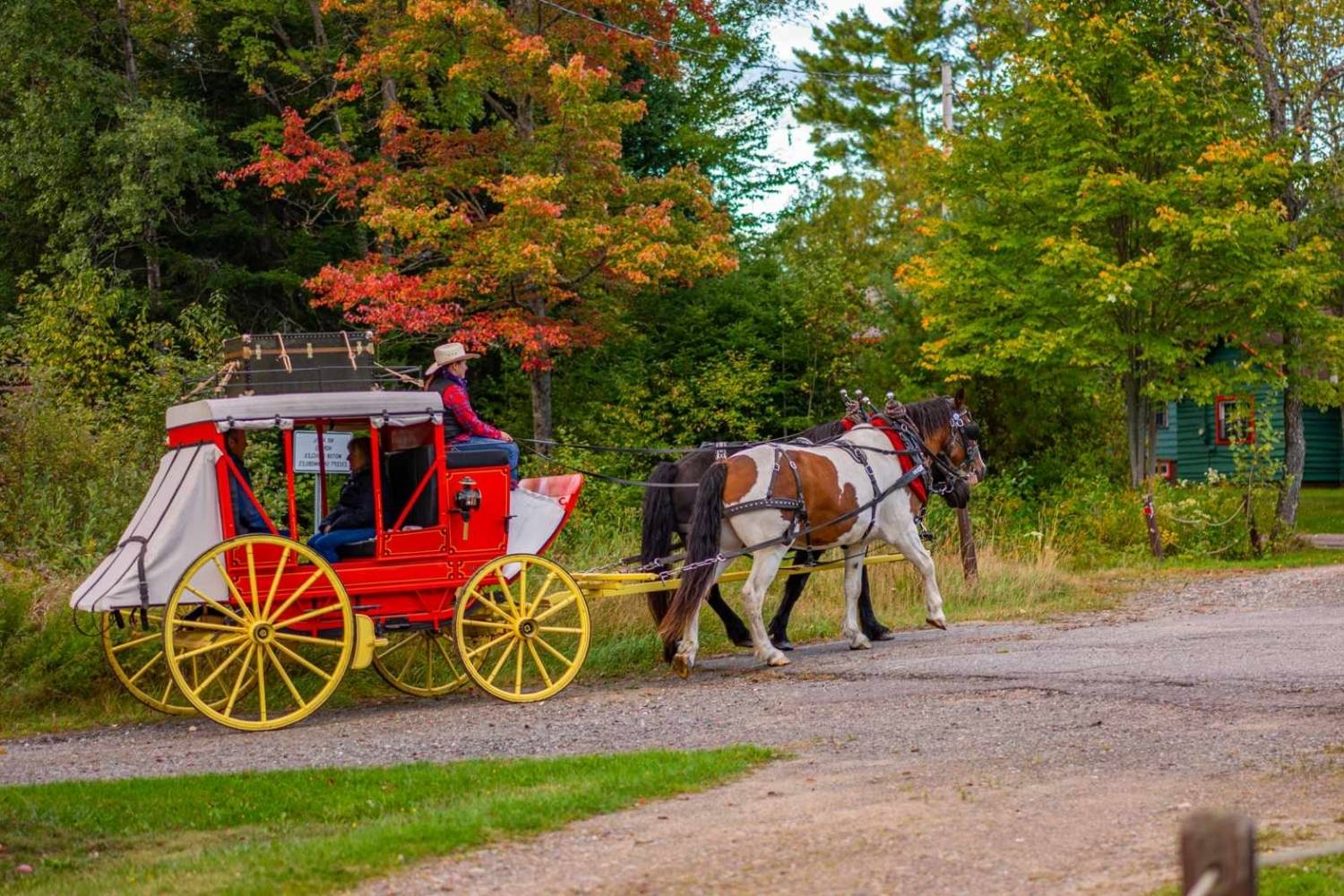
Have you ever wondered about the hidden gems of Montana's historic trails? Carroll Trail Stagecoach Station Sites offer a glimpse into the past, where travelers once rested and shared stories. These sites, scattered across the rugged landscape, tell tales of adventure, hardship, and the pioneering spirit. Imagine standing where stagecoaches once rumbled through, connecting remote towns and bustling cities. Whether you're a history buff or just love exploring off-the-beaten-path locations, these stations provide a unique window into the Old West. Ready to step back in time and uncover the secrets of Montana's storied past? Let's dive into the fascinating world of Carroll Trail Stagecoach Station Sites.
Discovering Montana's Carroll Trail Stagecoach Stations
Montana's Carroll Trail is a historic route that once buzzed with the activity of stagecoaches carrying passengers and mail. Today, remnants of these stagecoach stations offer a glimpse into the past. Let's explore some of these fascinating sites.
1. Carroll Station
Carroll Station was the starting point of the Carroll Trail. Located near the Missouri River, it served as a crucial hub for travelers and goods.
- Historical Significance: This station was named after Charles Carroll, a prominent figure in Montana's early history.
- Present-Day: While the original structures are gone, the site is marked by historical plaques and offers stunning river views.
2. Fort Benton
Fort Benton, known as the "Birthplace of Montana," was a key stop along the Carroll Trail. It played a vital role in the region's development.
- Historical Significance: Fort Benton was a major trading post and military fort.
- Present-Day: Visitors can explore the reconstructed fort and the Museum of the Northern Great Plains.
3. Judith Landing
Judith Landing was another important stagecoach station along the Carroll Trail. It provided a rest stop for weary travelers.
- Historical Significance: Named after the Judith River, this station was a bustling spot during the trail's heyday.
- Present-Day: The area is now a popular spot for fishing and camping, with interpretive signs detailing its history.
4. Cow Island
Cow Island served as a river crossing point and a stagecoach station. It was a critical link in the transportation network.
- Historical Significance: This station was essential for moving goods and people across the Missouri River.
- Present-Day: The site is now a serene spot for hiking and birdwatching, with remnants of the old crossing still visible.
5. Rocky Point
Rocky Point was a rugged stagecoach station nestled in the hills. It provided a challenging yet scenic stop along the trail.
- Historical Significance: Known for its rocky terrain, this station tested the endurance of both travelers and horses.
- Present-Day: Hikers can explore the rocky landscape and enjoy panoramic views of the surrounding area.
6. Fort Maginnis
Fort Maginnis was a military post that also served as a stagecoach station. It offered protection and supplies to travelers.
- Historical Significance: This fort played a crucial role in maintaining order and safety along the Carroll Trail.
- Present-Day: The fort's ruins are a testament to its storied past, with interpretive signs providing historical context.
7. Lewistown
Lewistown was a bustling town along the Carroll Trail. It served as a major stop for stagecoaches and travelers.
- Historical Significance: Lewistown grew rapidly due to its strategic location on the trail.
- Present-Day: The town retains much of its historic charm, with museums and preserved buildings showcasing its heritage.
8. Maiden
Maiden was a mining town that also functioned as a stagecoach station. It was a lively spot during the gold rush era.
- Historical Significance: This town boomed during the gold rush, attracting miners and entrepreneurs.
- Present-Day: Though now a ghost town, Maiden's remnants offer a hauntingly beautiful glimpse into the past.
9. Ubet
Ubet was a small but significant stagecoach station. It provided a crucial link between larger stops along the trail.
- Historical Significance: Known for its quirky name, Ubet was a vital rest stop for travelers.
- Present-Day: The site is marked by historical signs, and visitors can explore the surrounding countryside.
10. Fort Custer
Fort Custer was a military post that also served as a stagecoach station. It provided security and support for the trail.
- Historical Significance: This fort was instrumental in protecting travelers from potential threats.
- Present-Day: The fort's remains are a popular spot for history buffs and outdoor enthusiasts alike.
Montana's Hidden Gems Await
Montana's Carroll Trail Stagecoach Station Sites offer a unique glimpse into the past. These hidden gems tell stories of adventure, resilience, and the pioneering spirit. Visiting these sites, you can almost hear the echoes of stagecoaches and the hustle of travelers. Each location has its own charm, from the rugged landscapes to the remnants of old buildings. Exploring these areas, you’ll gain a deeper appreciation for Montana's rich history. Whether you're a history buff or just love a good adventure, these sites are worth the trip. Pack your bags, grab a map, and set out to discover the secrets of the Carroll Trail. Montana's history is waiting to be explored, and these stagecoach stations are the perfect starting point. Don't miss out on this chance to step back in time and experience the Wild West like never before.
